
How 1.1°C Global Warming Rewires Your Gut Microbes
The planet's 1.1°C warming since pre-industrial times isn't just changing weather; it's rewiring your gut's trillions of microbes. Understand the health impact.
Climate change rewires your gut
Imagine your gut. It is more than a food processor. It is a mini-ecosystem. Trillions of microbes live there. They help you digest food. They help you absorb nutrients. They fight off sickness. Now, think about this delicate world. It reacts to a heating planet. Earth’s average temperature has climbed 1.1 degrees Celsius. This is since pre-industrial times. The IPCC Sixth Assessment Report confirms this. This warming changes global weather. It changes ecosystems. It also changes your gut.
New threats to gut health
Warmer weather and floods can spread waterborne sickness. Most people know this. The World Health Organization (WHO) has shown how dirty water causes diarrheal diseases. These diseases are common in vulnerable places. This understanding is incomplete. Climate change does more than add germs. It changes how pathogens act. It makes us more vulnerable. It opens new ways for infection. This leads to new problems, not just more sickness.
Vibrio cholerae causes cholera. This bacteria loves warm water. A 2017 study in Environmental Microbiology Reports showed this. Warmer water makes the bacteria grow faster. It makes them stronger. This causes more frequent cholera outbreaks. These outbreaks are also more severe. We saw this in Yemen and Haiti. Floods there were worsened by climate change.
Dr. Aaron Bernstein from Harvard Chan School highlights another point. Heat stress can damage our gut lining. Long exposure to heat makes the gut more porous. This allows harmful toxins to leak into the bloodstream. Doctors call this “leaky gut.” This increases the chance of infections.
Dirty water is not the only issue. Changing rain patterns create new breeding places for disease carriers. Mosquitoes, for example, spread diseases like dengue. Dengue often causes bad stomach problems. A 2022 CDC report said these mosquitoes are spreading to new areas. This occurs because climate changes temperature and rain.
Food under pressure: a hidden gut impact
Global food systems face huge problems. Climate change is the main cause. In 2021, over 800 million people worldwide went hungry. Climate disasters worsened this number. The UN Food and Agriculture Organization (FAO) reported this. The link between climate change, hunger, and health is clear.
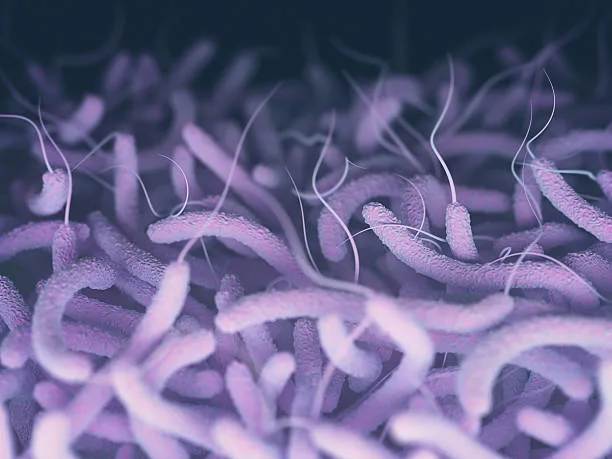
Vibrio cholerae, the bacteria responsible for cholera, thrives in warmer water. Climate change-induced warming makes these bacteria grow faster and stronger, leading to more frequent and severe outbreaks, as seen in Yemen and Haiti. (Source: istockphoto.com)
Climate change threatens food supplies. We know this. It causes crop failures. It causes smaller harvests. This leads to malnutrition. Malnutrition harms overall health. It also harms gut function. The real impact is deeper than just a lack of calories. Climate change changes the nutritional quality of our food. It also changes its diversity. Both are vital for a healthy gut.
More CO2 in the air reduces key nutrients in staple crops. This is a direct result of climate change. This means less protein, iron, and zinc in foods like rice and wheat. A 2018 study in Science Advances showed this clearly. Dr. Samuel Myers of Harvard T.H. Chan School of Public Health led the study. This “hidden hunger” can harm gut function. It can weaken immune responses. This occurs even if people eat enough calories.
Climate shocks like droughts or floods force farmers to change how they grow food. They might stop planting diverse crops. Instead, they choose single crops. These crops survive better but offer less nutrition. This reduces dietary fiber. It also reduces key micronutrients. This directly harms the variety of good gut bacteria. The American Gut Project always shows the importance of diverse diets for gut health. A less diverse gut is often linked to inflammatory bowel diseases (IBD). It is also linked to irritable bowel syndrome (IBS).
Changing rain patterns also affect mycotoxin levels in food. A 2019 review in Food and Chemical Toxicology said warmer, wetter conditions help molds grow on crops. These molds make toxins like aflatoxins. Eating these mycotoxins can directly damage the gut lining. It also greatly changes its microbial balance. This causes many digestive problems.
Your gut, your brain, and environmental stress
Your gut and brain talk to each other constantly. Think of this as a two-way highway. This connection links your central nervous system to your gut’s nervous system. It is a key connection. It shapes your mood, thinking, and digestion. Chronic stress, from any source, disrupts this balance.
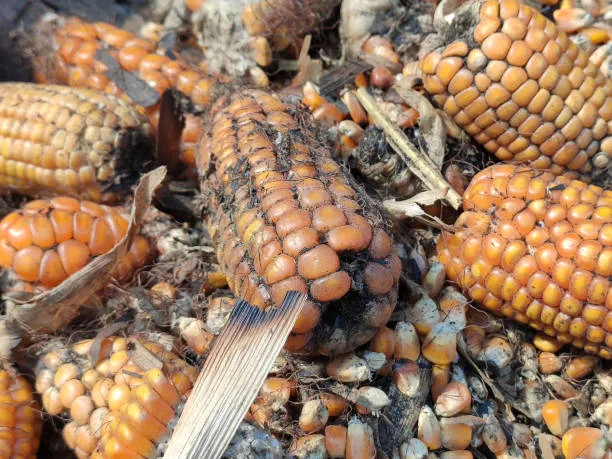
Warmer, wetter conditions exacerbated by climate change promote the growth of molds like *Aspergillus flavus* on staple crops such as corn. These molds produce potent toxins called aflatoxins, which can directly damage the gut lining and disrupt its microbial balance, leading to various digestive problems. (Source: istockphoto.com)
Climate anxiety or extreme weather stress can upset our stomachs. Most of us know this. We often see this as only a psychological response. It shows up as symptoms like irritable bowel syndrome or functional dyspepsia. This idea misses something important. Environmental stress can physically change the gut. It also changes how the gut talks to the brain. This is not just mental worry. The impact is not just in your head. It has real, measurable biological causes. These directly impact your gut.
Fine particulate matter from air pollution affects your gut microbiome. Climate change often worsens this pollution. Wildfires are an example. A 2020 study in Environmental Health Perspectives found that PM2.5 exposure can change gut bacteria. It also raises signs of body-wide inflammation. This is a direct physical attack. It is not just stress.
Extreme heat itself causes physical stress. This greatly impacts the gut. Research in The American Journal of Physiology - Gastrointestinal and Liver Physiology shows heat stress weakens the gut barrier. It makes the gut more permeable. This allows bacteria to enter the bloodstream. This triggers body-wide inflammation. It also messes up gut-brain signals. Physiologist Dr. David D. D’Alessandro has studied these exact processes.
Climate change forces people from their homes. They move to new environments. These are often tough. They meet new germs. Their diets change drastically. Dr. Cecilia Sorensen from Columbia University points out how these sudden changes upset the gut microbiome. This leads to more infectious stomach illnesses. It also causes chronic digestive problems among displaced people. UNHCR reports confirm this.
Your gut’s climate vulnerabilities
Our understanding of climate change’s health impacts has grown. At first, we focused on immediate threats. These included heatstroke and spreading diseases. A closer look now shows a complex network of weaknesses. These weaknesses reach into our digestive health. Climate change affects gut health through more infections and stress. This view is incomplete. It misses how our warming planet actively changes gut function. It also misses how it changes overall health. The mechanisms are more subtle. They are also more widespread than we think.
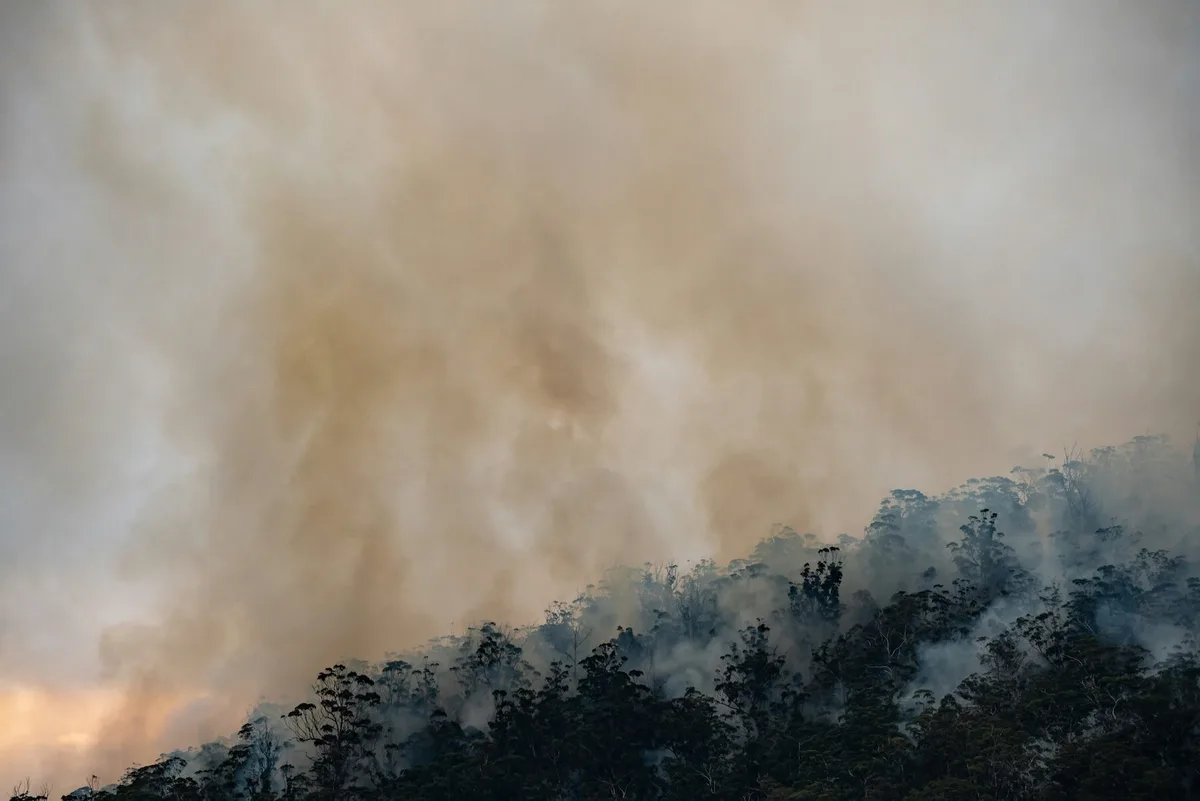
Wildfires, exacerbated by climate change, release fine particulate matter (PM2.5) into the air. A 2020 study in *Environmental Health Perspectives* found that exposure to PM2.5 can alter gut bacteria and raise signs of body-wide inflammation, directly impacting digestive health. (Source: clarity.io)
We need to see the deep connections. Our environment, food, bodies, and gut microbes are all linked. It is not just about getting more sick. Instead, we see different patterns of disease. We also deal with changed nutrient absorption. We deal with weaker immune defenses.
The challenge is not just preventing cholera outbreaks. That is a vital public health priority. We must also understand how rising CO2 impacts the zinc in our bread. We must recognize how fine particles from wildfire smoke can change our gut bacteria. We must also anticipate the complex gut health crises. These crises face climate migrants worldwide.
Future research needs to fully embrace this complexity. Public health strategies must build climate resilience. This includes food systems, water management, and healthcare. We need to stop single-issue fixes. We need truly connected approaches. Our gut’s future health depends on understanding its complete environmental context.
FAQ
- Q: Can climate change cause new gut diseases?
- A: Climate change may not create entirely new diseases. It can change how common existing pathogens are. It can change how widespread and strong they are. It can also bring new combinations of environmental stressors. These impact gut health in new ways.
- Q: How quickly might climate change affect my gut microbiome?
- A: Changes can occur quickly. This is especially true with acute events. Examples include heatwaves, floods, or sudden dietary shifts due to food shortages. Chronic exposure to stressors can also cause changes. These stressors include air pollution or nutrient-depleted foods. They can cause gradual, long-term changes. These affect gut microbial diversity and function.
- Q: What can individuals do to protect their gut health against these climate impacts?
- A: Focus on a diverse, plant-rich diet. This supports a strong gut microbiome. Ensure access to clean drinking water. This is especially important during extreme weather events. Support local, sustainable food systems. These systems should focus on biodiversity and climate resilience.
- Q: Are certain populations more vulnerable to climate-related bowel issues?
- A: Yes, certain populations are more vulnerable. These include marginalized communities. They also include those in low-income regions. People with existing health conditions are also hit harder. They often lack resources for clean water. They lack nutritious food. They lack good healthcare. This worsens climate change’s impacts.
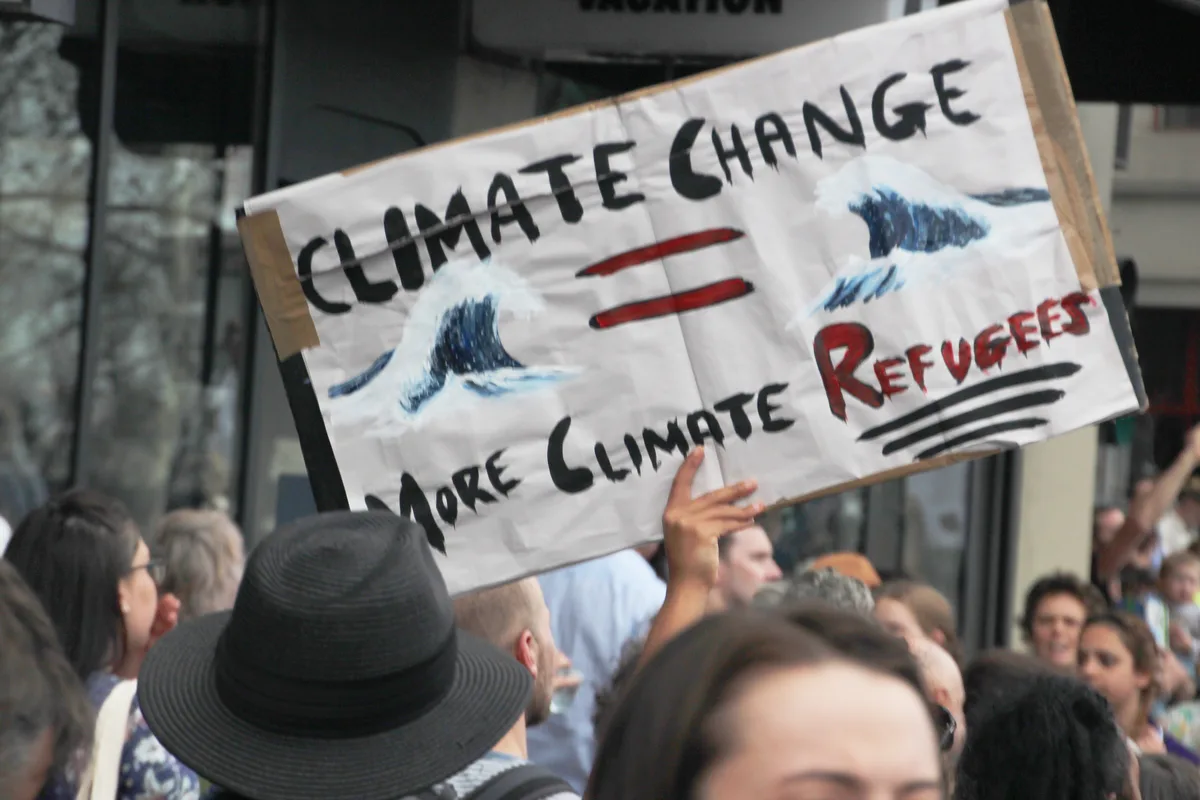
Climate migrants, often displaced by extreme weather events or resource scarcity exacerbated by climate change, frequently face significant challenges in accessing clean water and nutritious food, directly impacting their gut health and overall well-being. (Source: en.wikipedia.org)
You might also like:
👉 1 Billion Urban Poor: How Cities Fight Climate Shocks