1 Billion Urban Poor: How Cities Fight Climate Shocks
Over a billion people in urban slums face extreme climate change. Learn how cities are building resilience against rising seas and heatwaves for their most vulnerable.
Cities protect their poorest from climate shocks
Over a billion people call urban slums and informal settlements home. These communities face the worst of climate change. Rising seas, intense heatwaves, and extreme storms hit them hardest. It’s a crisis demanding immediate action.
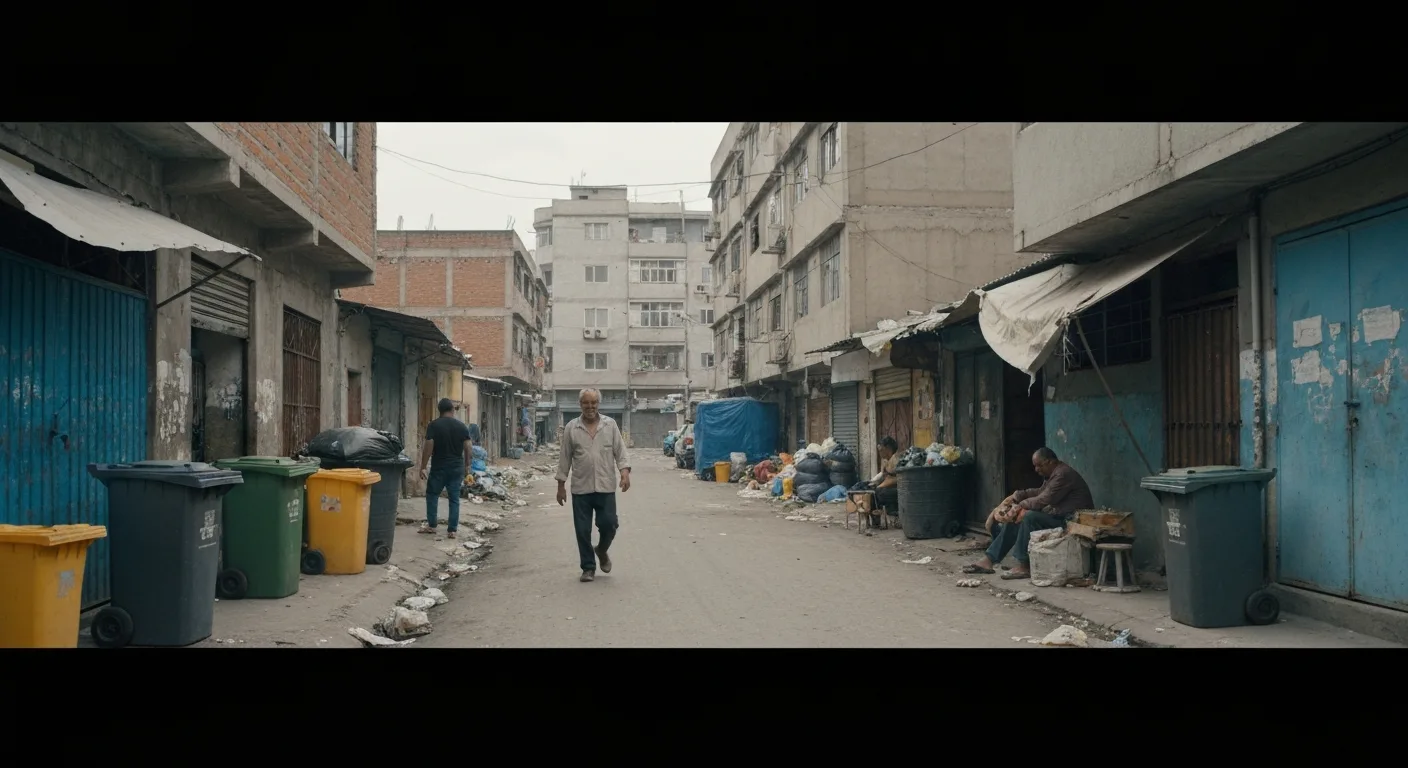
The urban poor often live in dangerous places: floodplains, steep slopes, or coastal zones. Their homes are flimsy. They lack basic drainage and sanitation. This makes them much more vulnerable to climate shocks. The UN-Habitat’s 2020 World Cities Report confirmed this grim truth. It showed informal settlements growing faster than planned urban areas.
Many vulnerable communities are in the Global South. Cities like Mumbai, Jakarta, and Lagos grow fast. They also face rising climate risks. Urban areas generate over 80% of global GDP, the World Bank estimates. Still, many residents are left out. They miss out on planning and protection.
The unequal burden of a warming world
In 2022, devastating floods covered a third of Pakistan. Over 33 million people suffered. Many were urban slum dwellers. They lost homes and livelihoods. This proved a harsh truth for the urban poor: they’re often the first hit, and the last to recover.
Climate change creates a vicious cycle of poverty. Floods destroy homes. Heatwaves cut outdoor work. Storms wreck infrastructure. These events push struggling families deeper into destitution. A 2021 IPCC study confirmed this intensifying loop. It noted vulnerable groups have little ability to adapt.
Think about the heat island effect in megacities. Informal settlements often lack green spaces and good ventilation. They’re built with heat-absorbing materials. Temperatures there can be several degrees hotter. Dr. Chandni Singh, an IPCC lead author, warned about this in a 2022 interview. She pointed to severe health risks for residents, like heatstroke and breathing problems.
Coastal cities face their own threats. Rising seas and storm surges eat away at shorelines. This pushes out communities living near the water. Jakarta, Indonesia, is sinking fast. Parts of its northern coast recede by 25 centimeters each year. This puts millions of informal residents at risk. Many live in fragile coastal kampungs.
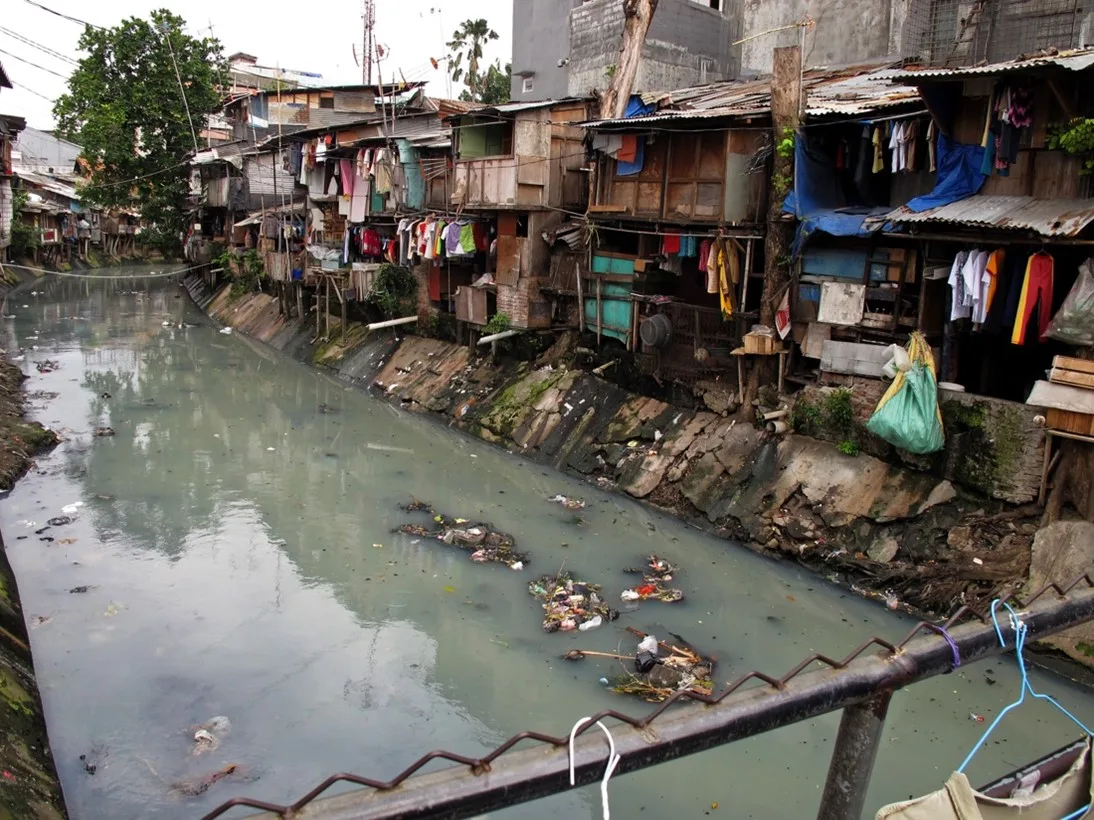
Jakarta, Indonesia, is sinking by up to 25 centimeters annually in some northern coastal areas, displacing thousands of residents from fragile informal settlements known as kampungs and exacerbating flood risks for these vulnerable communities. (Source: space4water.org)
Smart ways cities build resilience
Medellín, Colombia, transformed neighborhoods with an urban project. It began in the early 2000s. The city built cable cars connecting hillside informal settlements. These linked residents to jobs and services. The project also added public spaces and better drainage. This greatly reduced landslide risks.
Community-led efforts are essential. In Mumbai, India, the Mahila Milan collective empowers women. They form savings groups for home upgrades. They also gather data on local risks. This helps city planners target aid. Slum Dwellers International backs similar efforts worldwide. They champion solutions driven by residents.
Early warning systems save lives. Bangladesh created an effective cyclone preparedness program. It uses community volunteers and shelters. Forecasts go out fast via text and radio. This system has drastically cut deaths during recent cyclones. The Global Facility for Disaster Reduction and Recovery points to its success.
Nature-based solutions provide affordable protection. Mangrove restoration projects shield coastal communities. They buffer against storm surges and erosion. Cities like Chennai, India, invest in these natural defenses. They also improve local ecosystems. This brings extra benefits for residents.
Local governments put specific policies into practice. Durban, South Africa, created its “100 Resilient Cities” strategy. It upgrades informal settlements. It also focuses on water management and ecological protection. These efforts cut flood risks. They also build socio-economic stability.
Money and policy problems
Funding is a major hurdle. Developing nations don’t have enough resources. They can’t build large-scale resilience projects. The United Nations Environment Programme’s 2023 Adaptation Gap Report stated this shortage. It estimated an annual adaptation gap of $194-366 billion.
International climate finance often skips local governments. It rarely reaches the urban poor directly. Most money goes to national projects. These sometimes miss specific local needs. Dr. Sheela Patel, founder of SPARC India, raised this point in a 2023 forum. She urged for direct funding channels.
Uncertain land rights make resilience harder. Millions in informal settlements lack formal property ownership. This discourages home investment. It also leaves them open to forced evictions. Governments might displace them for new infrastructure. This destroys trust and community bonds.
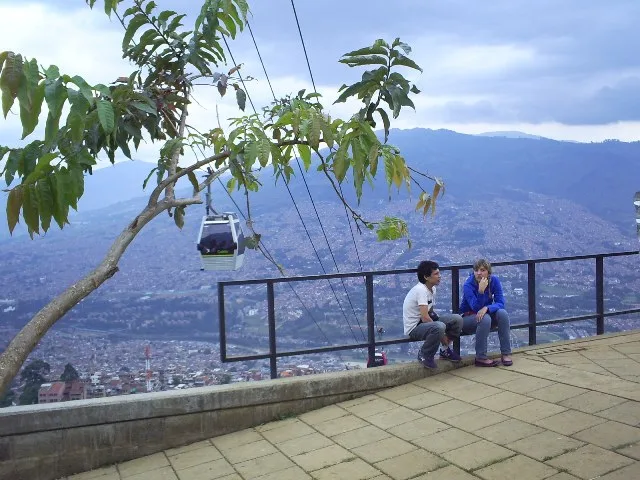
Medellín's Metrocable system dramatically transformed the city by connecting hillside informal settlements to urban centers, providing residents with vital access to jobs and services and significantly reducing landslide risks through integrated urban planning. (Source: thecityfix.com)
Policy integration is often weak. Urban planning, climate adaptation, and poverty reduction often work separately. This leads to broken, ineffective solutions. The World Bank’s 2021 report “Urban Green Growth in Dynamic Asia” noted this. It stressed the need for collaboration across sectors.
Corruption also siphons off vital funds. Money meant for infrastructure or housing upgrades vanishes. This leaves communities unprotected. Weak governance makes the problem worse. Transparency and accountability are essential for real progress.
Community action and next steps
In Manila, Philippines, community groups mapped their flood risks. Residents found vulnerable homes and evacuation routes. This local data informed city planners. It helped create more targeted flood plans. This empowered residents to actively participate.
Advocacy groups push for policy change. The Asian Coalition for Housing Rights backs urban poor federations. They demand secure land rights and better services. Their collective voice shapes municipal development plans. This makes sure residents’ needs get heard.
Future resilience efforts must put inclusivity first. They need to bring the urban poor into planning. Their local knowledge is priceless. This makes sure solutions fit and last. Projects work best when communities lead them.
More climate money needs to reach local levels. Community groups need direct access to funds. This builds local power and ownership. Philanthropic foundations and international NGOs can help. They can support grassroots climate action.
Governments must invest in strong infrastructure. This means upgrading informal settlements with drainage and sturdy housing. It also means building green infrastructure. These investments protect lives and livelihoods. They also help build fairer cities.
FAQ
What defines “urban poor” in this context? The urban poor live in cities but lack secure homes, basic services, and steady income. They often live in informal settlements or slums. These areas are usually unplanned and not officially recognized.
How do informal settlements increase climate risk? Informal settlements often sit in dangerous spots, like floodplains or unstable hillsides. Their buildings are weak. They also lack proper drainage or sanitation. This leaves residents highly exposed to climate events.
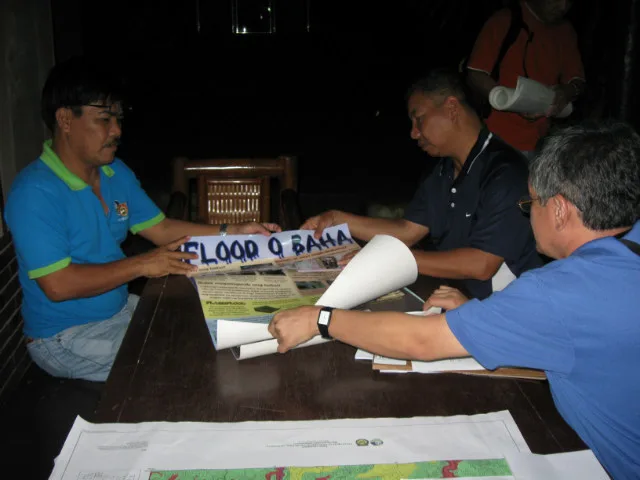
In Manila, Philippines, community groups actively map their local flood risks, identifying vulnerable homes and evacuation routes. This grassroots data empowers residents and informs city planners, leading to more effective and inclusive climate resilience strategies. (Source: rappler.com)
What role do local governments play? Local governments are essential for planning and carrying out resilience strategies. They can offer land rights, upgrade infrastructure, and build early warning systems. They also link communities to vital services.
Can climate resilience initiatives lead to displacement? Yes, badly planned projects can sometimes displace residents. This is especially true for those without secure land rights. Big infrastructure projects, for example, might force people to move. Inclusive planning and secure land rights help stop this.
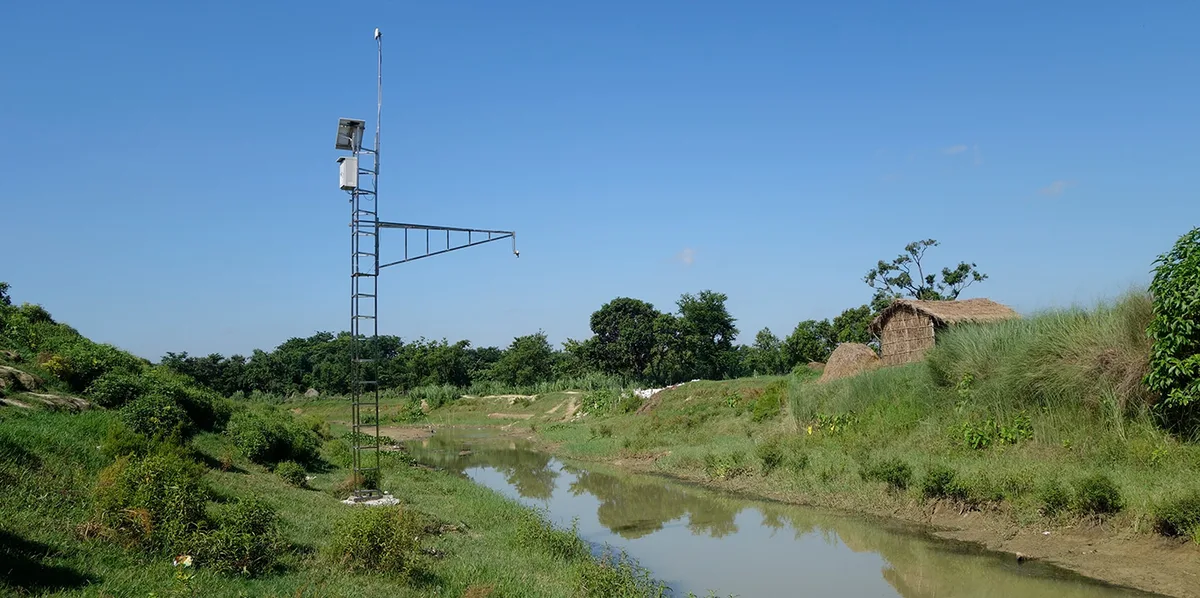
In many vulnerable urban communities, simple yet effective early warning systems, such as river level sensors or community-operated sirens, are crucial. These systems provide timely alerts for impending climate hazards like floods, giving residents precious time to evacuate and protect their belongings. (Source: icimod.org)
You might also like:
👉 Venus: Why 475°C Hell Holds Earth’s Climate Future
👉 Sustainable Futures: Investment, Cybersecurity & Future of Work
👉 Understanding Energy Independence: Security, Economy, Future