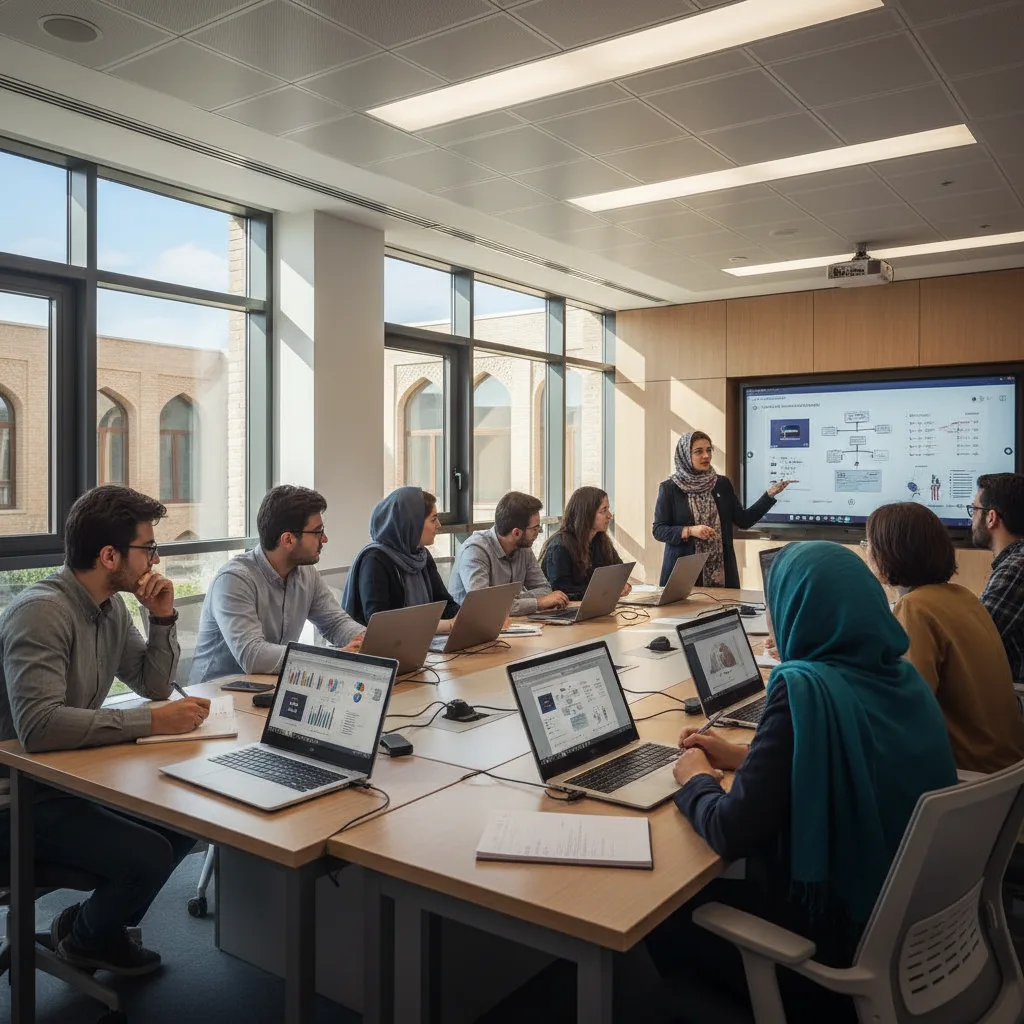
Transforming Iran's Universities with Artificial Intelligence
Explore how artificial intelligence is revolutionizing university education in Iran, creating personalized learning experiences and empowering professors for advanced research and mentorship.
Iran’s AI Odyssey: Charting the Future of University Education in the Cradle of Civilization
Imagine a classroom where every student learns at their own pace, every lesson is tailored to their unique needs, and every professor is freed from administrative drudgery to focus purely on mentorship and groundbreaking research. This isn’t a scene from a sci-fi blockbuster; it’s the imminent reality being shaped by artificial intelligence and the future of university education in Iran. As the global academic landscape undergoes its most profound transformation in centuries, Iran, a nation renowned for its ancient intellectual heritage and a deep-seated commitment to education, stands poised at a critical juncture. Will it harness the immense power of AI to leapfrog traditional challenges and redefine learning for a new generation?
The Shifting Sands of Academia: AI’s Global Ascent and Iran’s Unique Position
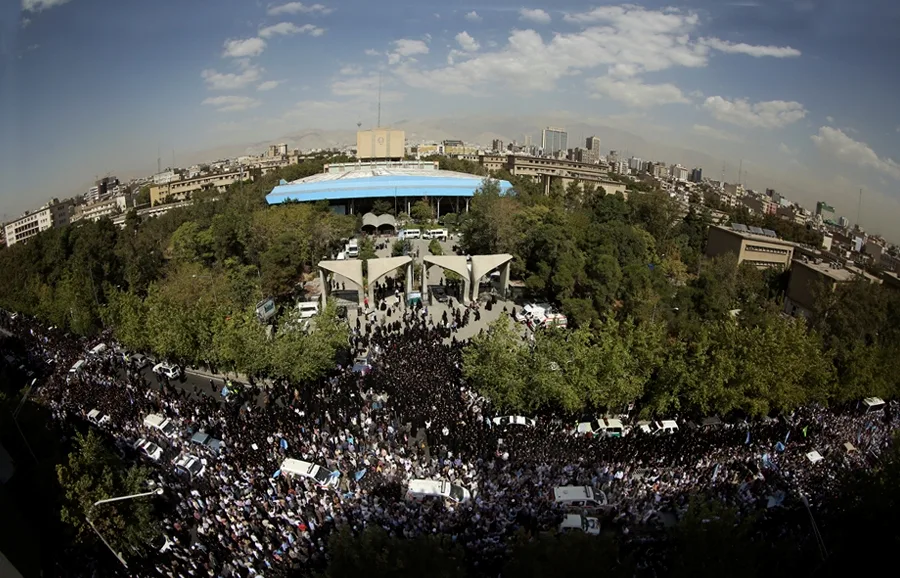 From Silicon Valley to Singapore, universities worldwide are grappling with the pervasive influence of AI. Chatbots are writing essays, algorithms are designing curricula, and machine learning is personalizing learning paths at an unprecedented scale. But what does this mean for Iran, a country with one of the Middle East's most robust and historically rich higher education systems, boasting institutions like the **University of Tehran** and **Sharif University of Technology**?
Iran’s demographic dividend, with a significant youth population eager for quality education, combined with its strong emphasis on STEM fields, creates a fertile ground for AI integration. Yet, it also faces unique geopolitical and economic challenges that could either hinder or accelerate its adoption. The question isn’t if AI will impact Iranian universities, but how it will be strategically woven into the fabric of its academic future, preserving its cultural distinctiveness while embracing global innovation. What kind of educational revolution awaits Iranian students and scholars?
AI as the New Socratic Method: Personalized Learning at Scale
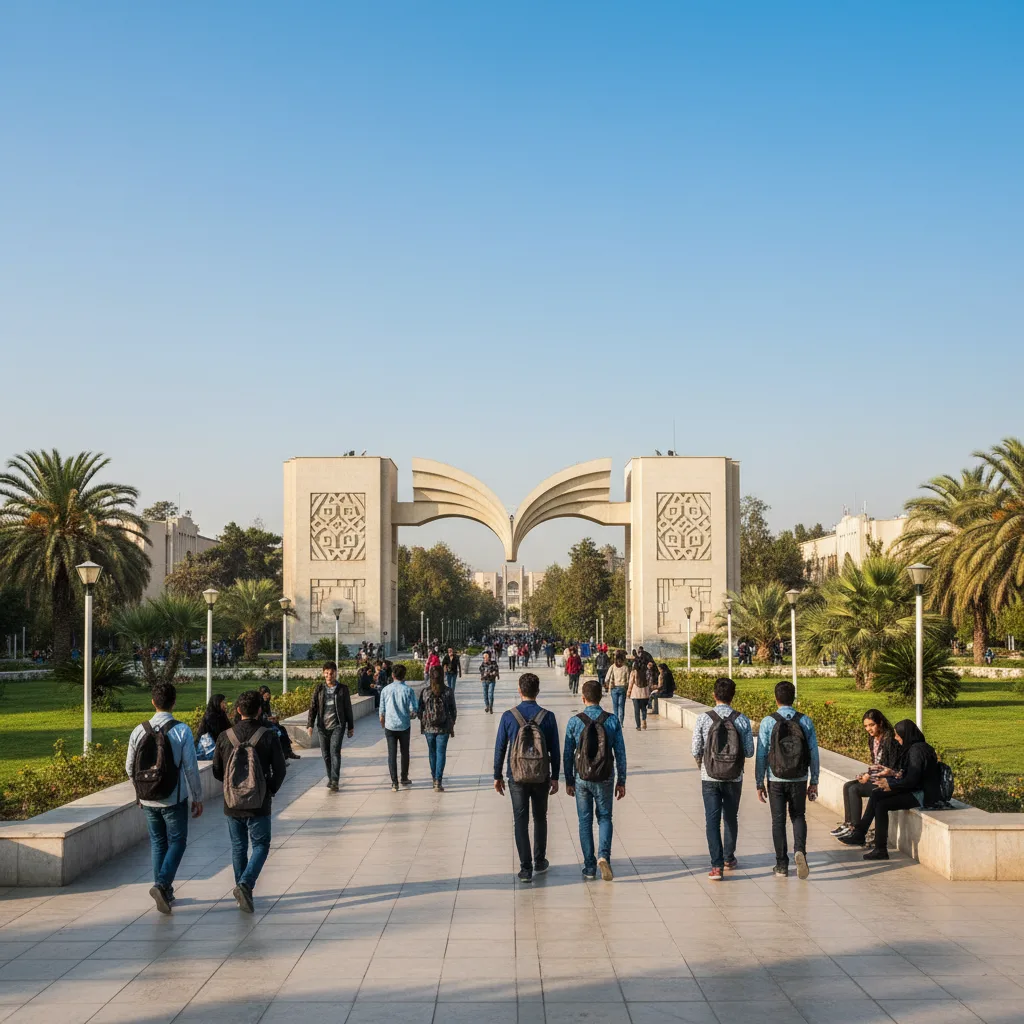
One of AI’s most profound promises is the ability to democratize personalized education, a concept once reserved for the privileged few. Imagine an AI tutor, fluent in Persian, guiding a student through complex physics equations, identifying their specific misconceptions, and offering targeted exercises. This isn’t a distant dream. Adaptive learning platforms, powered by machine learning, can already analyze student performance data in real-time, adjusting course material difficulty and pace.
In Iranian universities, where large class sizes can sometimes limit individual attention, AI could become an invaluable assistant. It could provide instantaneous feedback on assignments, recommend supplementary resources based on learning styles, and even predict which students might be struggling before they fall behind. This shift from a one-size-fits-all model to a highly individualized learning journey holds the potential to unlock every student’s full potential, ensuring no talent is left undeveloped. But how will this personalization reshape the very structure of academic programs?

Reshaping the Curriculum: Preparing Iranian Graduates for an AI-Driven World
The advent of AI demands a radical rethinking of what constitutes a relevant university education. Traditional disciplines are merging, and entirely new fields are emerging. Iranian universities are increasingly recognizing the need to equip graduates not just with knowledge, but with skills like critical thinking, ethical reasoning, creativity, and complex problem-solving – abilities that complement, rather than compete with, AI.
 Leading institutions like **Amirkabir University of Technology** and **Iran University of Science and Technology** are exploring new curricula focused on AI ethics, data science, prompt engineering, and human-AI collaboration. Imagine specialized degree programs that blend traditional engineering with philosophical inquiries into AI's societal impact, or humanities courses that teach students how to leverage AI for historical research or linguistic analysis. The goal is to cultivate a workforce that can innovate with AI, not just operate it, ensuring Iran's intellectual capital remains competitive on the global stage. But what about the educators themselves in this evolving landscape?
The AI-Powered Educator: Empowering Professors, Not Replacing Them
The fear that AI will replace human teachers is a common misconception. In reality, AI is poised to become the ultimate teaching assistant, empowering professors to focus on what they do best: inspiring, mentoring, and conducting cutting-edge research. Picture an AI system automating the tedious task of grading multiple-choice exams or even providing initial feedback on essays, allowing professors to dedicate more time to nuanced discussions and one-on-one student interaction.
AI tools can also assist in curriculum development by analyzing vast amounts of academic literature, identifying emerging trends, and suggesting relevant case studies. For Iranian professors, often juggling heavy teaching loads with research demands, AI could be a game-changer. It could personalize teaching materials, identify at-risk students who need extra support, and even assist in grant writing or literature reviews. This frees up precious time, transforming the professor’s role from information dispenser to high-level facilitator and innovator. But beyond individual classrooms, how might AI impact access to education across Iran?
Bridging Divides: AI for Wider Access and Equity in Iranian Higher Education
Iran, a vast country with diverse geographical landscapes, faces challenges in ensuring equitable access to quality higher education for all its citizens. AI offers powerful solutions to bridge these divides. Consider the potential of AI-driven online learning platforms that can deliver high-quality courses from top universities to students in remote villages, transcending geographical barriers.
These platforms can be enhanced with AI-powered translation tools, making international academic resources more accessible, and sophisticated analytics to identify and support students from disadvantaged backgrounds. Initiatives like Payame Noor University, which already specializes in distance learning, could leverage AI to dramatically expand its reach and personalize its offerings, providing a world-class education to a broader spectrum of Iranian society, regardless of their location or socioeconomic status. This democratization of knowledge could unlock untapped potential across the nation, but what are the inherent risks and policy challenges?

Ethical Labyrinths and Policy Pathways: Navigating the Future of University Education in Iran with AI
The integration of AI into university education is not without its complexities and ethical considerations. Questions surrounding data privacy, algorithmic bias, academic integrity, and the potential for digital divides must be addressed proactively. How will Iranian universities safeguard student data from AI systems? How can biases embedded in algorithms be identified and mitigated to ensure fair treatment for all students?
Policymakers and university administrators in Iran will need to develop robust ethical guidelines and regulatory frameworks. This includes addressing concerns about AI-generated plagiarism, ensuring equitable access to AI tools, and preparing students for a job market where certain tasks might be automated. Engaging in open dialogue with students, faculty, and industry experts will be crucial to navigate these ethical labyrinths, ensuring that AI serves as a tool for empowerment and progress, rather than exacerbating existing inequalities or creating new ones. The future demands careful stewardship.
Conclusion: Forging a Future of Innovation and Opportunity
The journey of artificial intelligence and the future of university education in Iran is just beginning, but its trajectory is clear: it promises a transformative era of unprecedented opportunity. From personalized learning experiences that cater to individual genius, to curricula that prepare graduates for an AI-driven world, and from empowering educators to bridging geographical divides, AI offers a powerful toolkit for progress.
As Iran leverages its rich intellectual heritage and its vibrant youth population, strategically integrating AI into its higher education system will be paramount. It’s an opportunity not just to modernize, but to redefine what education means in the 21st century, fostering a new generation of innovators, thinkers, and problem-solvers who can navigate and shape the complexities of tomorrow’s world. The future of learning in Iran is not just about technology; it’s about unlocking human potential on an epic scale.
You might also like:
👉 AI & Education: Reshaping the Future of Teaching & Learning
👉 Future Bridge Education & Training LLC: Adaptive Learning for Tomorrow
👉 Building Future Education Museums: Evolving Learning Ecosystems