
Italy 2026: Strategic Investment & Facilitated Financing Drive Growth
Dive into Italy's ambitious 'Italy 2026' plan, leveraging facilitated financing and strategic investments to propel its economy into a new era of prosperity and innovation.
Italy 2026: Unlocking a Future of Prosperity Through Facilitated Financing
Imagine a nation, steeped in millennia of history, art, and innovation, now poised on the precipice of a radical transformation. Not through revolution, but through an unprecedented wave of strategic investment designed to propel it into the 21st century. This isn’t a romanticized vision from a bygone era; this is Italy today, meticulously orchestrating its resurgence, fueled by a colossal effort in Italy 2026 facilitated financing. How exactly is the “Bel Paese” leveraging billions to rewrite its economic destiny, and what does it mean for businesses, innovators, and the very fabric of European progress? Let’s peel back the layers of this ambitious undertaking.

The Grand Catalyst: Italy’s PNRR and EU Backing
 At the heart of Italy's financial renaissance is the **National Recovery and Resilience Plan (PNRR)**, a monumental blueprint for reform and investment. Born from the ashes of the global pandemic, and generously supported by the European Union's NextGenerationEU instrument, Italy's PNRR is the single largest allocation of funds within the entire EU recovery package, totaling an staggering **€191.5 billion in grants and loans**. It’s more than just money; it's a strategic roadmap detailing how Italy will modernize its infrastructure, digitalize its public administration, green its economy, and strengthen its social cohesion by 2026.
This isn’t merely about patching up old problems; it’s about building a future-proof Italy. The PNRR is structured around six core missions: digitalization, ecological transition, sustainable infrastructure, education and research, inclusion and cohesion, and health. Each mission outlines specific targets, reforms, and investment projects, from upgrading high-speed rail lines to developing cutting-edge research facilities and digitalizing public services for millions of citizens. The sheer scale and ambition of this plan underscore a profound commitment to systemic change.
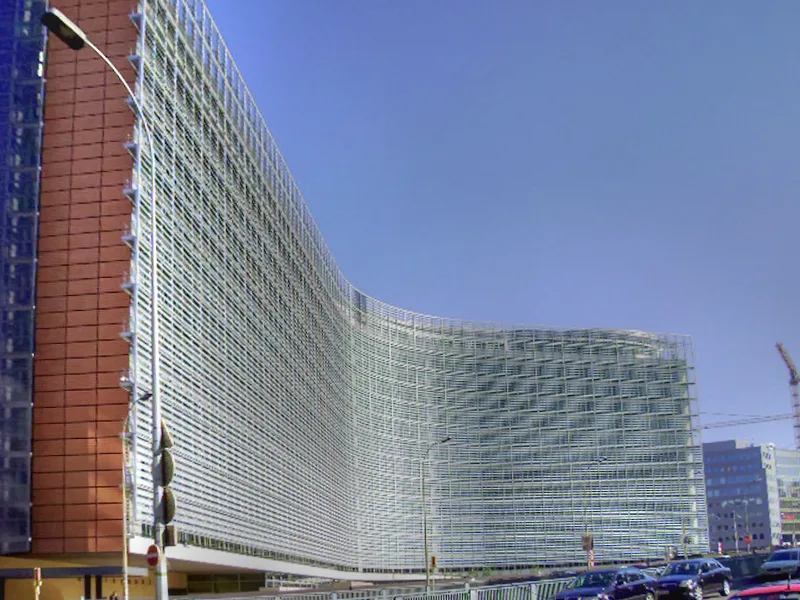 The European Commission, through NextGenerationEU, acts not just as a financier but as a strategic partner, monitoring Italy's progress against agreed milestones and targets. This rigorous oversight ensures accountability and drives the necessary reforms, making the PNRR a powerful engine for structural change rather than just a temporary stimulus. It’s a generational opportunity, designed to address long-standing economic vulnerabilities and unlock Italy’s full potential on the global stage. But how exactly is this vast sum being channeled into tangible projects?
Unlocking Capital: Strategic Pillars of Facilitated Financing
The term “facilitated financing” in the context of Italy 2026 is crucial because it goes beyond direct government spending. It encompasses a sophisticated ecosystem of mechanisms designed to make capital more accessible, reduce risk for investors, and incentivize private sector participation. Key among these are robust tax incentives, such as the “Transition 4.0” plan (formerly Industry 4.0), which offers significant tax credits for investments in digital and green technologies, training, and research and development. These incentives directly lower the cost of innovation for businesses of all sizes.
Beyond tax breaks, state-backed guarantees play a pivotal role. Entities like SACE (Servizi Assicurativi del Commercio Estero), Italy’s export credit agency, provide crucial guarantees for bank loans, bond issues, and project financing, particularly for strategic investments aligned with the PNRR’s goals. This de-risks projects for commercial banks, encouraging them to lend to sectors and enterprises that might otherwise be deemed too risky. The aim is to bridge the gap between ambitious projects and available private capital.
Furthermore, public-private partnerships (PPPs) are being actively promoted, especially in large-scale infrastructure projects. By sharing risks and rewards, PPPs leverage private sector expertise and efficiency while ensuring public oversight and strategic alignment. This multi-pronged approach to Italy 2026 facilitated financing creates a powerful gravitational pull for investment, ensuring that the PNRR’s vision is not just funded, but actively built through collaborative effort.
Digital Renaissance: Driving Innovation with Italy 2026 Facilitated Financing
Italy’s digital transformation is not just a buzzword; it’s a central pillar of its recovery plan, allocated over €49 billion under the PNRR. This mission aims to radically overhaul public administration, enhance cybersecurity, expand ultra-broadband connectivity, and foster innovation across all sectors. Imagine a future where applying for permits is seamless, healthcare records are instantly accessible and secure, and businesses can leverage cutting-edge AI without prohibitive costs. This is the vision being funded.
Specific initiatives include the “Italia Digitale” program, focused on modernizing the country’s public administration by migrating data to cloud infrastructure, developing interoperable platforms, and enhancing digital services for citizens. Significant investments are also earmarked for 5G network deployment and fiber optic expansion, crucial for ensuring equitable access to high-speed internet across the entire peninsula, addressing the digital divide that has historically hampered rural areas.
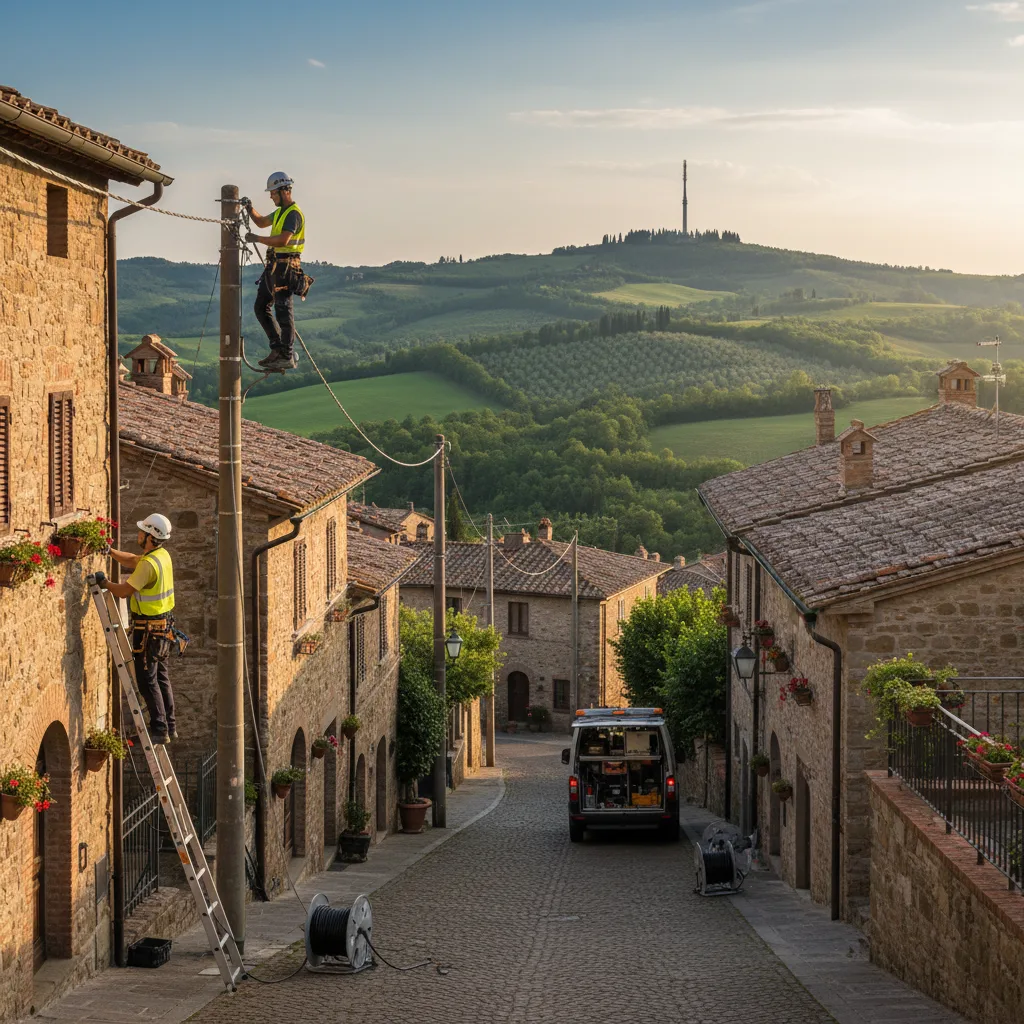
Moreover, the PNRR supports advanced research and development in emerging technologies like artificial intelligence, quantum computing, and blockchain. This is designed to create an environment where Italian startups can thrive and established companies can innovate, positioning Italy as a key player in the global digital economy. This concerted push towards a digital renaissance is poised to fundamentally change how Italians live, work, and interact with their government.
Green Heart of Europe: Sustainable Investments and Italy 2026 Facilitated Financing
The ecological transition is another colossal undertaking, receiving the largest share of the PNRR funds at over €68 billion. Italy is committed to becoming a leader in the green economy, focusing on renewable energy, sustainable mobility, circular economy principles, and biodiversity protection. This isn’t just about meeting climate targets; it’s about creating new industries, jobs, and a healthier environment for all.
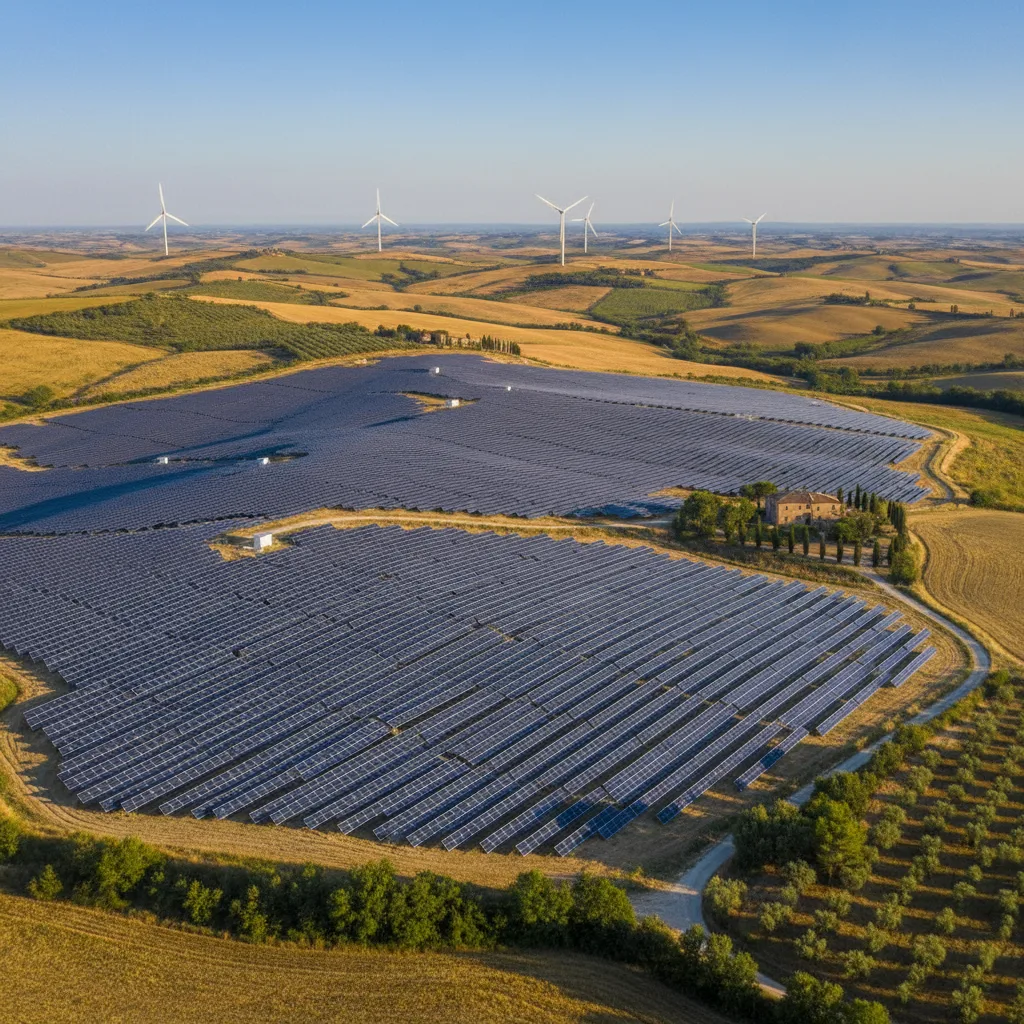
Projects range from massive investments in solar and wind energy infrastructure across the sun-drenched South to the development of hydrogen technologies and the modernization of urban public transport fleets with electric vehicles. The PNRR also funds initiatives for improving water resource management, reducing hydrogeological risk, and enhancing urban regeneration with a focus on green spaces and energy-efficient buildings. The goal is to decarbonize the economy and build resilience against climate change.
A prime example is the push for sustainable mobility, with significant funding directed towards expanding and upgrading Italy’s high-speed rail network, particularly connecting the South more effectively to the North and the rest of Europe. This reduces reliance on road transport, cuts emissions, and enhances economic connectivity. Through this green transformation, Italy 2026 facilitated financing is not just about economic growth but about fostering a more sustainable and environmentally conscious nation.
Beyond the Big Picture: Regional Impact and SME Empowerment
 While the PNRR sets national priorities, its success hinges on its ability to effect change at the local level, particularly in addressing Italy's persistent regional disparities. A significant portion of the funds is strategically allocated to the South (Mezzogiorno), aiming to bridge the economic gap with the more prosperous North. This includes targeted investments in infrastructure, digital connectivity, and social services that have historically lagged in regions like Sicily, Calabria, and Puglia.
 Crucially, **Small and Medium-sized Enterprises (SMEs)**, which form the backbone of the Italian economy, are central to this localized impact. Facilitated financing mechanisms, including dedicated funds, guarantees, and tax credits, are designed to be accessible to these smaller players. Programs supporting local incubators, innovation hubs, and vocational training are empowering SMEs to adopt new technologies, improve competitiveness, and expand into new markets.
The emphasis is on creating a ripple effect: national-level investments providing the framework, regional projects addressing specific local needs, and SME support fostering grassroots innovation and job creation. From revitalizing historic city centers to modernizing agricultural practices through digital tools, the PNRR’s reach extends into every corner of Italy, ensuring that the benefits of this unprecedented investment are broadly shared.
Navigating the Labyrinth: Challenges and Opportunities for Italy 2026
Despite the immense potential, the path to 2026 is not without its challenges. Italy’s historic struggle with bureaucracy, complex administrative procedures, and sometimes slow project execution could pose hurdles to the timely and efficient absorption of the vast PNRR funds. Ensuring transparency, preventing corruption, and building sufficient administrative capacity at all levels of government are critical for success. The sheer volume of projects and the tight deadlines demand unprecedented coordination and efficiency.
However, these challenges are matched by immense opportunities. The rigorous monitoring by the EU and the Italian government, coupled with a strong political will, is pushing for necessary reforms that will streamline processes and improve governance. The PNRR is not just about spending money; it’s about fundamentally reshaping Italy’s administrative landscape, making it more efficient and responsive. This could lead to long-term structural improvements that outlast the funding itself.
The success of Italy 2026 facilitated financing will ultimately be measured not just by the amount of money spent, but by the tangible impact on citizens’ lives, the competitiveness of Italian businesses, and the country’s overall resilience. It’s a test of Italy’s ability to transform ambition into reality, proving that with strategic investment and concerted effort, even age-old challenges can be overcome, paving the way for a more prosperous and sustainable future.
Conclusion
Italy stands at a pivotal juncture, leveraging an extraordinary influx of facilitated financing to engineer a profound national renewal by 2026. The PNRR, backed by NextGenerationEU, is more than a recovery plan; it’s a strategic investment in Italy’s future, targeting digitalization, green transition, and social cohesion. Through a sophisticated mix of grants, tax incentives, state guarantees, and public-private partnerships, capital is being unlocked to fuel innovation, modernize infrastructure, and empower businesses, particularly SMEs. While administrative hurdles remain, the commitment to transparency and efficiency offers a unique opportunity for lasting structural reform. Italy is not just rebuilding; it is reimagining itself, poised to emerge as a stronger, greener, and more digitally advanced nation.
You might also like:
👉 2026 Best Real Estate Investing: Strategies & Opportunities
👉 Sustainable Futures: Investment, Cybersecurity & Future of Work
👉 Emerging Economies: The New Powerhouses Reshaping Global Finance