Legendary Lost Treasures: Unearthing Billions in Undiscovered Riches
Explore the staggering $100-$200 billion in legendary lost treasures, from submerged gold to buried artifacts. Discover the history and technology behind these unseen riches waiting to be found.
The Unseen Billions: Unearthing Legendary Lost Treasures Waiting to Be Found
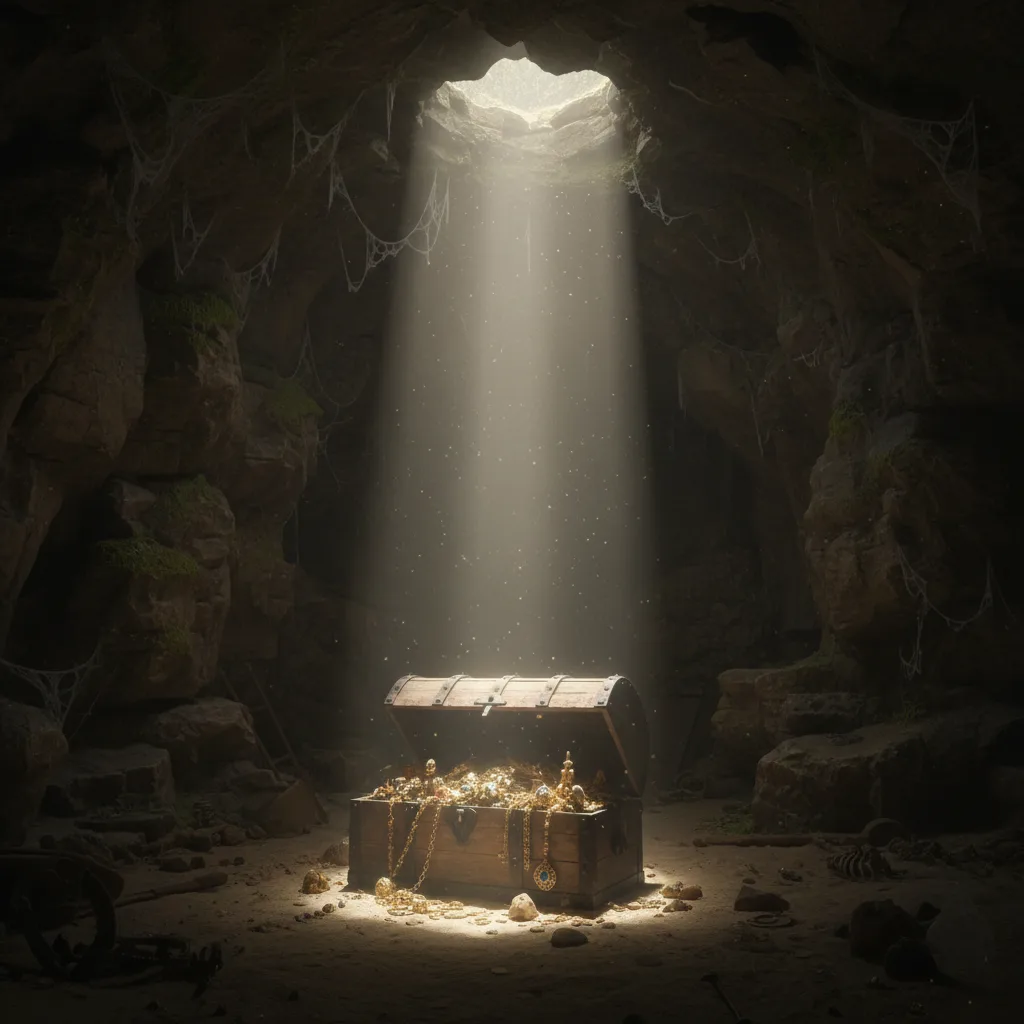
Globally, an estimated $100 billion to $200 billion in precious metals, artifacts, and jewels lies undiscovered, submerged in oceans, buried beneath shifting earth, or concealed within forgotten vaults. This staggering figure, compiled from analyses by marine archaeology firms and cultural heritage organizations, represents more than just monetary value; it signifies millennia of human history, technological marvels, and captivating narratives waiting to be unearthed. These are the legendary lost treasures waiting to be found, not mere footnotes in history, but tangible remnants that could rewrite our understanding of past civilizations, conflicts, and individual fortunes. TrendSeek delves into the data behind these elusive riches, exploring the scale of their potential, the technology pursuing them, and the profound impact their discovery could wield.
The Lure of the Deep: Submerged Fortunes, Quantified
The ocean floor holds an estimated 3 million shipwrecks, with only a fraction – less than 1% – ever discovered. Of these, perhaps 10% carry significant cargo, yet their cumulative value is astronomical. The allure of these submerged fortunes is powerfully demonstrated by finds like the Nuestra Señora de Atocha. Before its partial discovery in 1985 by Mel Fisher after a 16-year quest, its estimated manifest value was an astounding $450 million to $500 million in 17th-century gold, silver, and emeralds. Fisher’s team recovered over $400 million worth, including 40 tons of silver and 100,000 silver coins. However, a substantial portion, including the sterncastle and its rumored “King’s Ransom” of gold bars, remains lost, representing a potential additional $50 million to $100 million in unrecovered wealth.

A more contemporary example is the San José galleon, sunk off Colombia in 1708. Its cargo, believed to be the richest ever lost at sea, included at least 200 tons of gold, silver, and emeralds. Modern valuations place its worth between $4 billion and $17 billion, a sum that could fund Colombia’s national education budget for over a year. Discovered in 2015 by the Colombian navy, its recovery is stalled by complex international legal disputes involving Colombia, Spain, and a private salvage company. The San José illustrates not just the scale of wealth but also the intricate geopolitical challenges inherent in retrieving these deep-sea troves, highlighting how a single discovery can trigger decades of legal battles.
Vanished Empires: The Earth’s Hidden Hoards
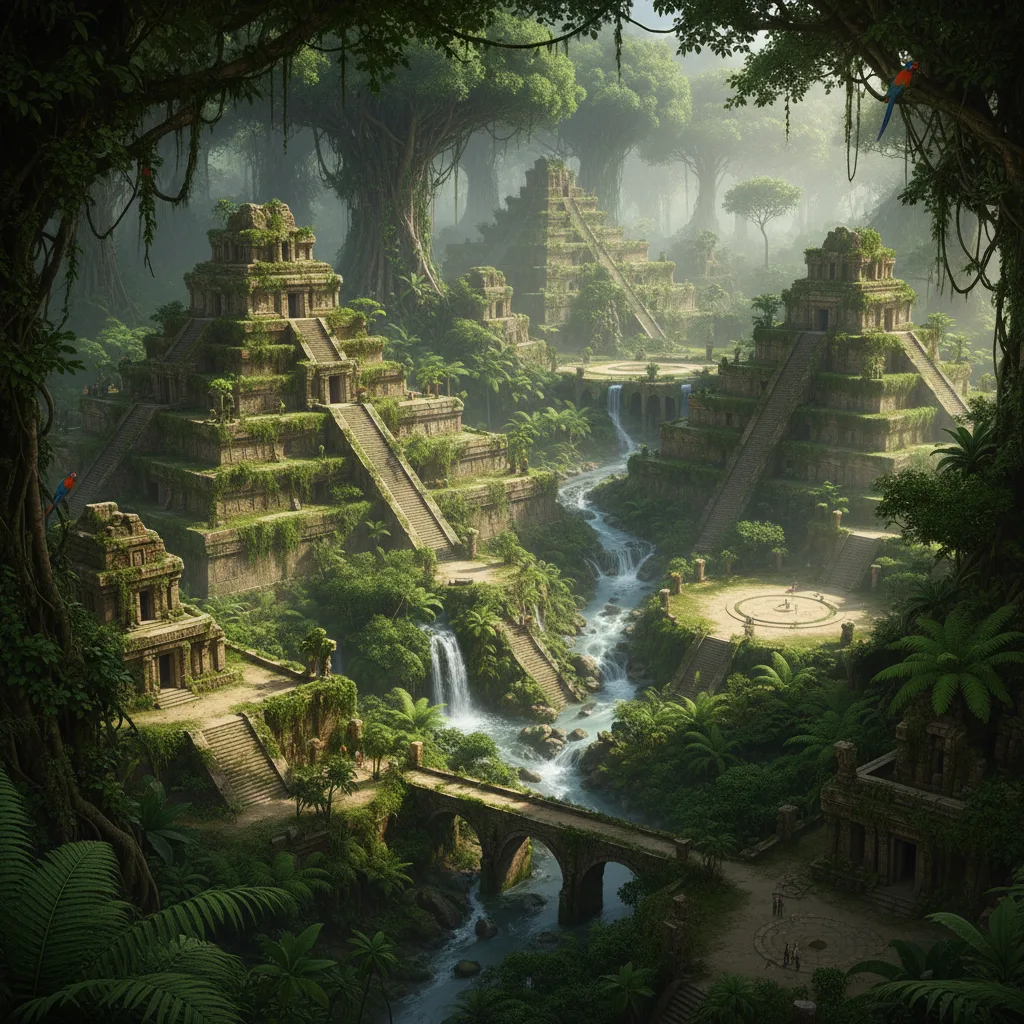
Beyond the oceans, land-based archaeological sites harbor vast, unquantified wealth. Experts estimate that less than 5% of the world’s ancient cities and settlements have been thoroughly excavated, leaving countless artifacts, structures, and even entire urban centers hidden. This includes the enduring mystery of the Lost City of Z, sought by British explorer Percy Fawcett in the Amazon. While Fawcett vanished in 1925, modern remote sensing technologies are validating the scale of pre-Columbian Amazonian civilizations. Recent LIDAR (Light Detection and Ranging) surveys in the Bolivian Amazon, for instance, revealed a sprawling network of previously unknown settlements, including a large urban center covering 6 square kilometers with monumental platforms and pyramids, dating back 1,500 years. This discovery, published in Nature in 2022, proves that entire cities, potentially rich with gold and cultural artifacts, are still being mapped from the sky.
Another legendary land-based treasure is the Amber Room, a chamber crafted from amber panels, gold leaf, and mirrors, originally installed in the Catherine Palace near St. Petersburg. Valued at an estimated $500 million in modern terms, it was dismantled by Nazi forces during World War II and disappeared during the evacuation of Königsberg (now Kaliningrad) in 1945. Despite decades of intense searching across Germany and Poland, involving thousands of individuals and millions of dollars in investment, its fate remains unknown. The Amber Room represents a cultural loss of immense proportions, a tangible piece of history that could still be awaiting discovery in a forgotten bunker or hidden transport. Its disappearance highlights the vulnerability of cultural heritage during conflict and the enduring hope for its recovery.
Wartime Legacies: The Spoils of Conflict
 Warfare has historically been a primary driver of treasure loss, with an estimated **$50 billion to $100 billion** in cultural property and precious metals stolen or hidden during conflicts like World War II alone. The legend of **Yamashita's Gold** exemplifies this. General Tomoyuki Yamashita, commanding Japanese forces in Southeast Asia during WWII, is rumored to have amassed vast quantities of looted gold, jewels, and artifacts from across the region, burying them in various sites throughout the Philippines. While the exact scale is debated, some estimates suggest the hoard could be worth **tens of billions of dollars**. Numerous individuals and groups have spent decades searching, with some partial discoveries, but the bulk of the alleged treasure remains elusive, fueled by maps, testimonies, and persistent local lore.
 Another tantalizing wartime mystery is the **Nazi Gold Train**, reportedly buried in a tunnel near Wałbrzych, Poland, in 1945. Local folklore and specific claims in 2015 suggested a train laden with up to **300 tons of gold, jewels, and armaments** was concealed before the Soviet advance. While initial ground-penetrating radar scans indicated anomalies consistent with a train, subsequent geological surveys in 2016 and excavation efforts in 2018 found no evidence of a train or tunnel. The intense global media attention and the significant investment in search efforts—including over **$100,000** in initial survey costs and substantial volunteer labor—underscore the enduring fascination and economic potential tied to these wartime legends, even when evidence proves fleeting.
The Cursed and the Concealed: Private Fortunes
 Not all legendary lost treasures are tied to empires or conflicts; many derive from individual acts of concealment driven by fear, secrecy, or eccentricity. The **Beale Ciphers**, three encrypted messages left by a man named Thomas J. Beale in 1822, purportedly detail the location of a buried treasure in Bedford County, Virginia. The second cipher, describing the treasure's contents, was decoded in 1885 and listed **1,014 pounds of gold, 3,812 pounds of silver, and jewels**, with a modern estimated value exceeding **$60 million**. The first and third ciphers, however, which describe the exact location and next of kin, remain famously unsolved despite over 130 years of intense cryptographic analysis. Thousands of individuals have attempted to crack the codes, investing untold hours and resources, transforming the Beale Ciphers into one of America's most enduring cryptographic mysteries and a testament to the allure of hidden private wealth.
More recently, the phenomenon of the Forrest Fenn’s Treasure captivated tens of thousands. Between 2010 and 2020, art dealer Forrest Fenn hid a bronze chest containing gold nuggets, rare coins, ancient artifacts, and jewels, with an estimated value of over $2 million, somewhere in the Rocky Mountains. He published a cryptic 24-line poem in his autobiography, The Thrill of the Chase, which served as a map. Over the decade, an estimated 350,000 people actively searched for the treasure, investing considerable personal funds and time, with at least five documented fatalities attributed to the hunt. The treasure was eventually found in June 2020, demonstrating the magnetic pull of a tangible, if dangerous, quest for hidden riches, and the widespread participation enabled by modern communication.
Technological Frontiers: Accelerating Discovery of Legendary Lost Treasures
Modern technology is dramatically reshaping the landscape of treasure hunting, transitioning from speculative digging to data-driven exploration. Advances in remote sensing, particularly LIDAR (Light Detection and Ranging), have revolutionized terrestrial archaeology. In 2018, an aerial LIDAR survey in Guatemala revealed over 60,000 previously unknown Maya structures, including cities, fortifications, and sophisticated agricultural systems, beneath dense jungle canopy. This discovery, published in Science, indicated that the Maya civilization was far more extensive and densely populated than previously thought, potentially supporting 10-15 million people, significantly higher than prior estimates of 5 million. This single technological application effectively “discovered” an entire ancient world, hinting at the vast quantities of artifacts and knowledge still concealed.
For underwater searches, Autonomous Underwater Vehicles (AUVs) and Remotely Operated Vehicles (ROVs) equipped with advanced sonar, magnetometers, and high-resolution cameras are achieving unprecedented depths and coverage. The discovery of the San José galleon in 2015, for example, was made possible by an AUV operating at depths exceeding 600 meters (2,000 feet), far beyond human diving capabilities. Similarly, deep-sea exploration companies now routinely use these robotic platforms to map vast swathes of the ocean floor, identifying anomalies that could indicate shipwrecks. Before these technologies, discovering a deep-sea wreck was largely a matter of chance; now, systematic, data-intensive surveys can cover hundreds of square kilometers in a single expedition, increasing the probability of locating legendary lost treasures waiting to be found by orders of magnitude.
Legal Labyrinths: Ownership and Ethics of Discovery
The discovery of a significant treasure often initiates complex legal battles, with an estimated 70% of major finds facing some form of dispute. The case of the San José galleon is paradigmatic: Colombia declared the wreck national heritage, preventing its salvage by foreign entities, while Spain claims ownership under international maritime law, arguing it was a state vessel. Furthermore, the indigenous Qhara Qhara nation of Bolivia claims ownership of some of the gold and silver, asserting it was looted from their ancestral lands. This multi-jurisdictional dispute highlights the inadequacies of current international frameworks for marine archaeological finds.
The 2001 UNESCO Convention on the Protection of the Underwater Cultural Heritage, ratified by over 70 states, aims to prevent commercial exploitation of wrecks and prioritize preservation in situ. However, major maritime nations like the United States and the United Kingdom have not ratified it, leading to a patchwork of national laws and international conventions that often conflict. For instance, the US Abandoned Shipwreck Act of 1987 grants states ownership of historic wrecks within their waters, but international waters remain a legal gray area, often governed by “finders keepers” principles or complex admiralty law. This legal uncertainty often means that even when legendary lost treasures waiting to be found are located, their recovery and study can be delayed for decades, or their contents dispersed, due to conflicting claims and ethical dilemmas.
The Economic Impact: Beyond the Gold
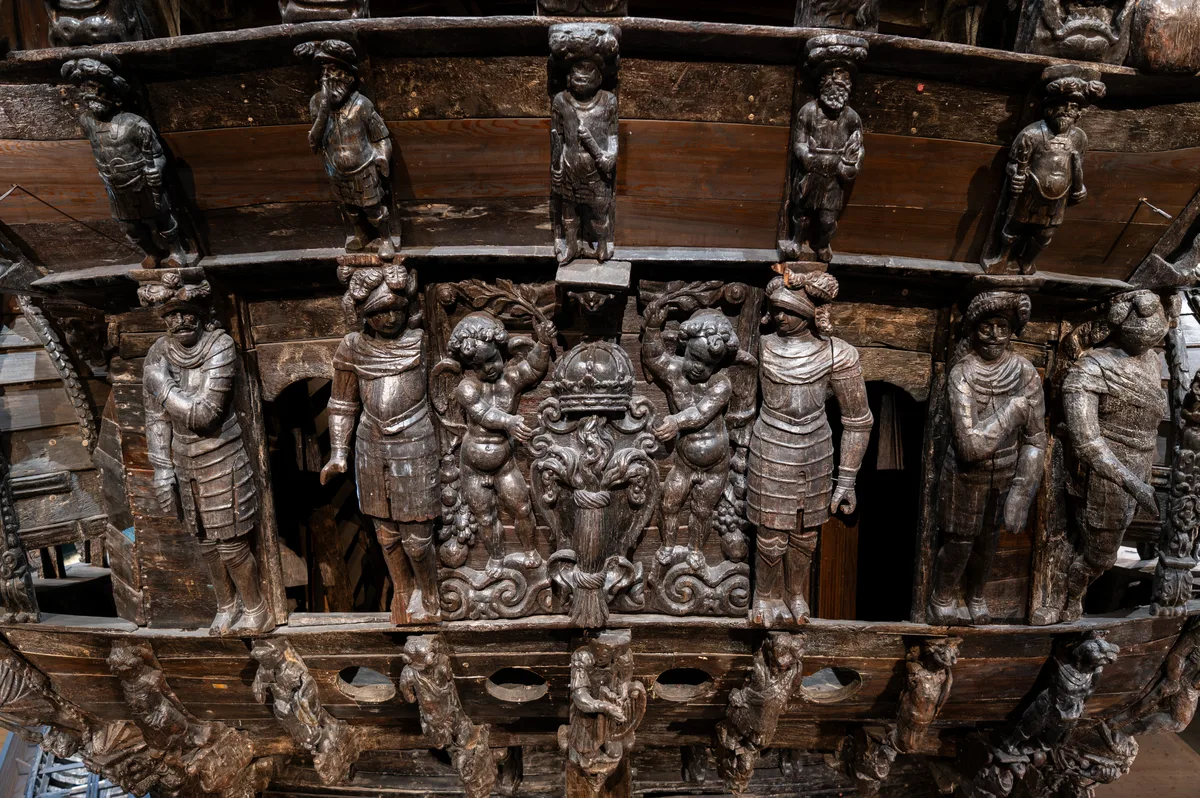 The economic ripple effect of treasure discovery extends far beyond the intrinsic value of the artifacts themselves. While the San José's estimated **$4 billion to $17 billion** in treasure could be a direct financial windfall, the long-term impact of cultural heritage sites often dwarfs the initial cash value. The **Vasa Museum** in Stockholm, housing the 17th-century warship Vasa which sank on its maiden voyage and was salvaged in 1961, attracts over **1.5 million visitors annually**. This generates substantial tourism revenue, estimated in the tens of millions of dollars each year for the city and Sweden, supporting thousands of jobs in hospitality, retail, and related industries. The preservation, research, and display of the Vasa have created a sustainable economic engine, demonstrating that cultural value can translate into significant, recurring economic benefits.
Similarly, the recovery of the Atocha treasure by Mel Fisher transformed Key West, Florida. The Mel Fisher Maritime Museum became a major tourist attraction, drawing hundreds of thousands of visitors annually and contributing millions to the local economy. The ongoing research and exhibition of the artifacts sustain a significant portion of the town’s heritage tourism. Beyond direct tourism, treasure discoveries can stimulate research funding, create new conservation technologies, and even inspire educational programs. A 2019 study by the World Tourism Organization found that cultural heritage tourism accounts for over 40% of global tourism revenue, underscoring how legendary lost treasures waiting to be found, once unearthed, become invaluable cultural assets with profound economic leverage.
The Human Element: Risk, Obsession, and Perseverance
Behind every quest for legendary lost treasures lies an extraordinary human story of dedication, risk, and often, obsession. Mel Fisher’s 16-year pursuit of the Atocha, for example, cost him his son, daughter-in-law, and a diver, and consumed his entire family’s fortune, an investment estimated at over $10 million in 1980s dollars. His perseverance, despite numerous setbacks and financial ruin, became legendary. This level of commitment is not unique; historical records are replete with accounts of individuals devoting their lives and life savings to such quests.
The psychological profile of a treasure hunter often involves a unique blend of historical curiosity, an appetite for risk, and an unwavering belief in the face of overwhelming odds. A 2021 survey of treasure hunting enthusiasts found that over 70% reported spending more than 10 hours per week on their hobby, with 30% investing over $1,000 annually in equipment and travel. While the success rate for finding truly significant treasures remains exceptionally low – likely less than 0.01% for individuals – the enduring hope, the intellectual challenge, and the dream of striking it rich continue to fuel these ventures. The human element, with its blend of scientific rigor, romantic idealism, and raw determination, remains the indispensable engine driving the search for legendary lost treasures waiting to be found.
FAQ: Legendary Lost Treasures
Q1: What is the most valuable lost treasure currently known? A1: While difficult to definitively quantify without recovery, the San José galleon is widely considered the most valuable lost treasure, with cargo estimates ranging from $4 billion to $17 billion in gold, silver, and emeralds. Its immense historical and monetary value makes it a focal point of international legal and archaeological interest.
Q2: How has technology changed treasure hunting over the past decade? A2: Over the past decade, technology has revolutionized treasure hunting by enabling non-invasive, large-scale surveys. LIDAR has allowed the discovery of vast ancient cities hidden beneath vegetation, while advanced sonar, magnetometers, AUVs, and ROVs have dramatically increased the success rate and efficiency of deep-sea shipwreck identification, pushing the boundaries of exploration into previously inaccessible environments.
Q3: Are there ethical guidelines for finding and recovering lost treasures? A3: Yes, international conventions like the 2001 UNESCO Convention on the Protection of the Underwater Cultural Heritage advocate for preservation in situ and prioritize scientific study over commercial exploitation. However, its limited ratification and the complexities of international waters mean that ethical guidelines are not universally enforced, leading to ongoing debates and legal disputes regarding ownership and responsible recovery practices.
Q4: What role do individual “armchair treasure hunters” play in finding lost treasures? A4: While large-scale professional expeditions often yield major finds, armchair treasure hunters, equipped with historical documents, maps, and often utilizing modern satellite imagery and online forums, contribute significantly. The Forrest Fenn treasure hunt is a prime example of how a widespread, community-driven search, fueled by individual dedication, can lead to a successful discovery. These enthusiasts often provide crucial initial leads or contribute to the collective knowledge base.
Key Takeaways
The pursuit of legendary lost treasures waiting to be found transcends mere financial gain. It is a data-driven intersection of history, technology, and human endeavor. From the billions submerged in the deep to the hidden hoards of vanished empires, these treasures represent irreplaceable fragments of our global heritage. Modern technology is rapidly accelerating their discovery, yet the challenges of legal ownership and ethical recovery remain significant. Ultimately, the quest for these lost riches is a testament to humanity’s enduring curiosity, its drive to uncover the past, and its unwavering belief that the greatest stories often lie buried, just beneath the surface.
You might also like:
👉 Lost Treasures: Exploring the World’s Most Famous Unfound Riches
👉 Unearthing History: Famous Archaeological Discoveries & Their Impact