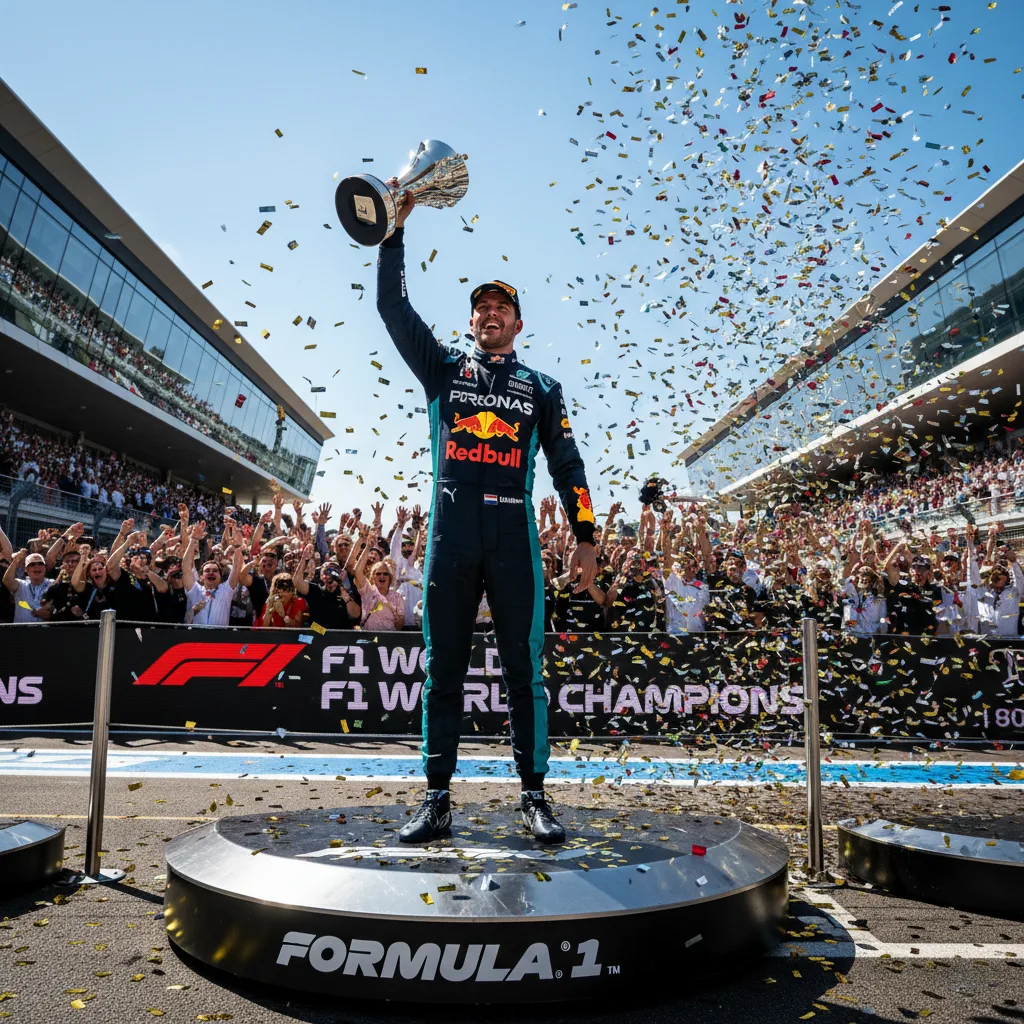
Max Verstappen: Anatomy of an F1 Champion & His Historic Win
Unpack the historic 2021 F1 championship as Max Verstappen claims victory. This article delves into the making of a champion, examining pivotal moments and the broader impact on sports history.
Max Verstappen: Anatomy of a Champion
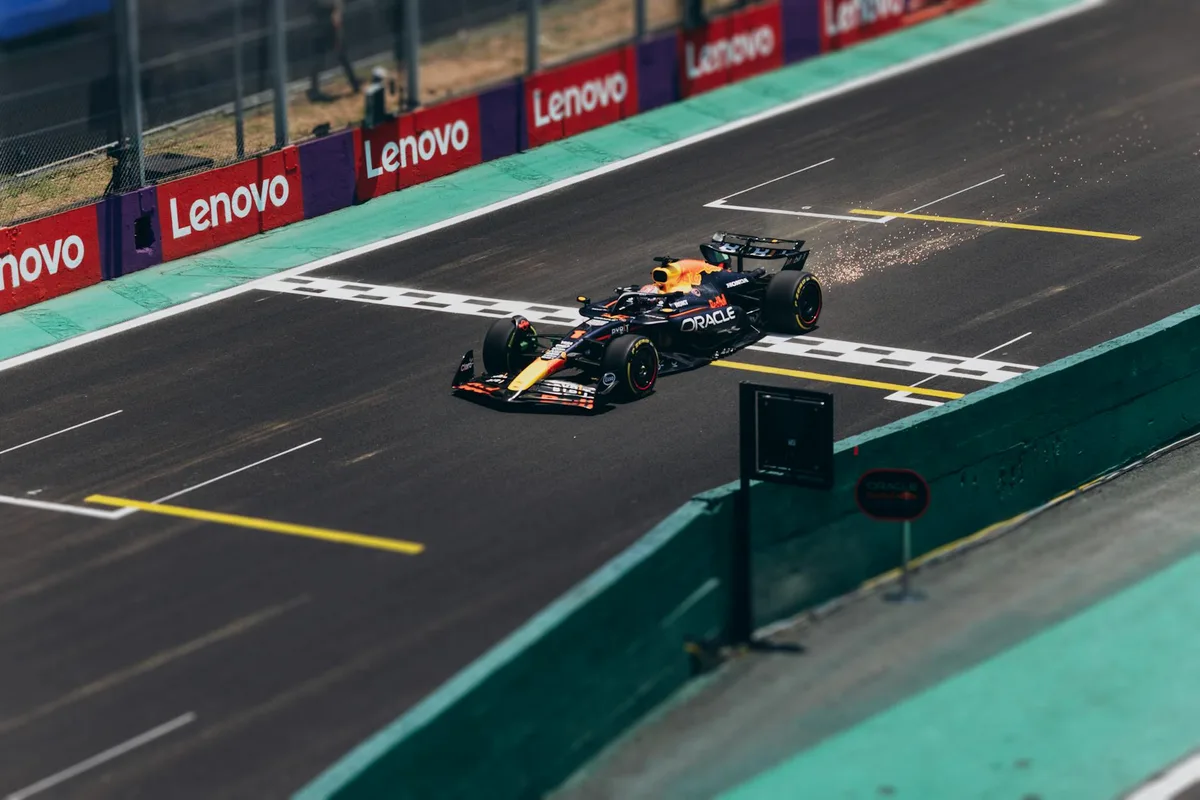 The Yas Marina Circuit, December 12, 2021. The air shimmered with the desert heat, thick with the scent of high-octane fuel and the metallic tang of impending history. Seventy thousand souls in the grandstands, millions more glued to screens worldwide, held their breath as the safety car peeled away. For 58 laps, the greatest title fight in a generation had raged, culminating in this singular, agonizing final lap. Lewis Hamilton, the seven-time champion, led. Max Verstappen, the relentless challenger, was on fresher tyres, a predator scenting blood. The roar of the Mercedes W12 and the Red Bull RB16B was a primal scream, echoing the ancient gladiatorial contests. This was not merely a race; it was a collision of destinies, a testament to an unyielding will, an indelible moment in the **Max Verstappen anatomy of a champion**.
The Genesis: A Racing Pedigree Forged in Fire
To understand the champion, one must first look to his origins, to the very crucible of his formation. Max Emilian Verstappen, born September 30, 1997, in Hasselt, Belgium, inherited not just a surname but an entire racing dynasty. His father, Jos Verstappen, was a Formula 1 driver of considerable talent, a teammate to Michael Schumacher. His mother, Sophie Kumpen, was a formidable kart racer in her own right, once competing against future F1 stars like Jenson Button and Giancarlo Fisichelo. This was no ordinary childhood; it was a relentless apprenticeship. From the tender age of four, Max’s life revolved around the unforgiving world of karting.
Jos Verstappen, a man whose own F1 career was often punctuated by flashes of brilliance and misfortune, became his son’s uncompromising mentor. Max’s karting career was not merely a hobby; it was a rigorous, often brutal, training regimen. Jos dismantled and rebuilt engines, taught driving lines, and instilled a singular focus. Max recalled, “My dad was very hard on me, but it was for my own good. He made me stronger, more determined.” The pressure was immense, the expectations absolute. Victories were celebrated, but mistakes were dissected with clinical precision. This intense, almost Spartan upbringing, forged an unparalleled resilience and an innate understanding of race craft far beyond his years. By 2013, Max had dominated every major karting championship, a prodigy on the cusp of a legend.
The Prodigy’s Ascent: F1 Debut and the Red Bull Leap
The transition from karting to single-seaters was swift and spectacular. In 2014, Verstappen bypassed the traditional feeder series, competing directly in the FIA Formula 3 European Championship. He finished third, securing ten wins, and immediately caught the eye of Dr. Helmut Marko, Red Bull Racing’s notoriously discerning talent scout. Marko, recognizing an unrefined diamond, made an audacious move. On August 18, 2014, at just 16 years old, Max Verstappen was announced as a Toro Rosso driver for the 2015 Formula 1 season. The racing world gasped. Critics questioned his age, his experience, but Marko saw the fire.
Verstappen’s debut at the 2015 Australian Grand Prix made him the youngest driver in F1 history at 17 years and 166 days. He quickly silenced doubters with aggressive overtakes and mature race management, often outperforming his more experienced teammate, Carlos Sainz Jr. He scored points in his second race and consistently demonstrated a raw, unadulterated speed. The true seismic shift occurred in May 2016. After just four races of the season, Red Bull made the unprecedented decision to promote Verstappen to their senior team, swapping him with Daniil Kvyat. The Spanish Grand Prix, his first race for Red Bull, became his coronation. He qualified fourth, inherited the lead after a collision between the Mercedes drivers, and defended masterfully against Kimi Räikkönen to become the youngest ever Grand Prix winner at 18 years and 228 days. The roar from the Red Bull garage was deafening; a new era had begun.
Forging the Blade: Maturation and Mentorship
The early years at Red Bull were a whirlwind of spectacular drives and equally spectacular incidents. Verstappen’s undeniable speed was often accompanied by an aggressive edge that sometimes pushed the boundaries, leading to collisions and penalties. He was raw, brilliant, and occasionally wild. Yet, this period was crucial for his development. Under the tutelage of Christian Horner, Red Bull’s Team Principal, and the ever-watchful eye of Dr. Marko, Verstappen began to refine his prodigious talent. He learned to temper his aggression, to pick his battles, and to understand the intricate dance of race strategy.
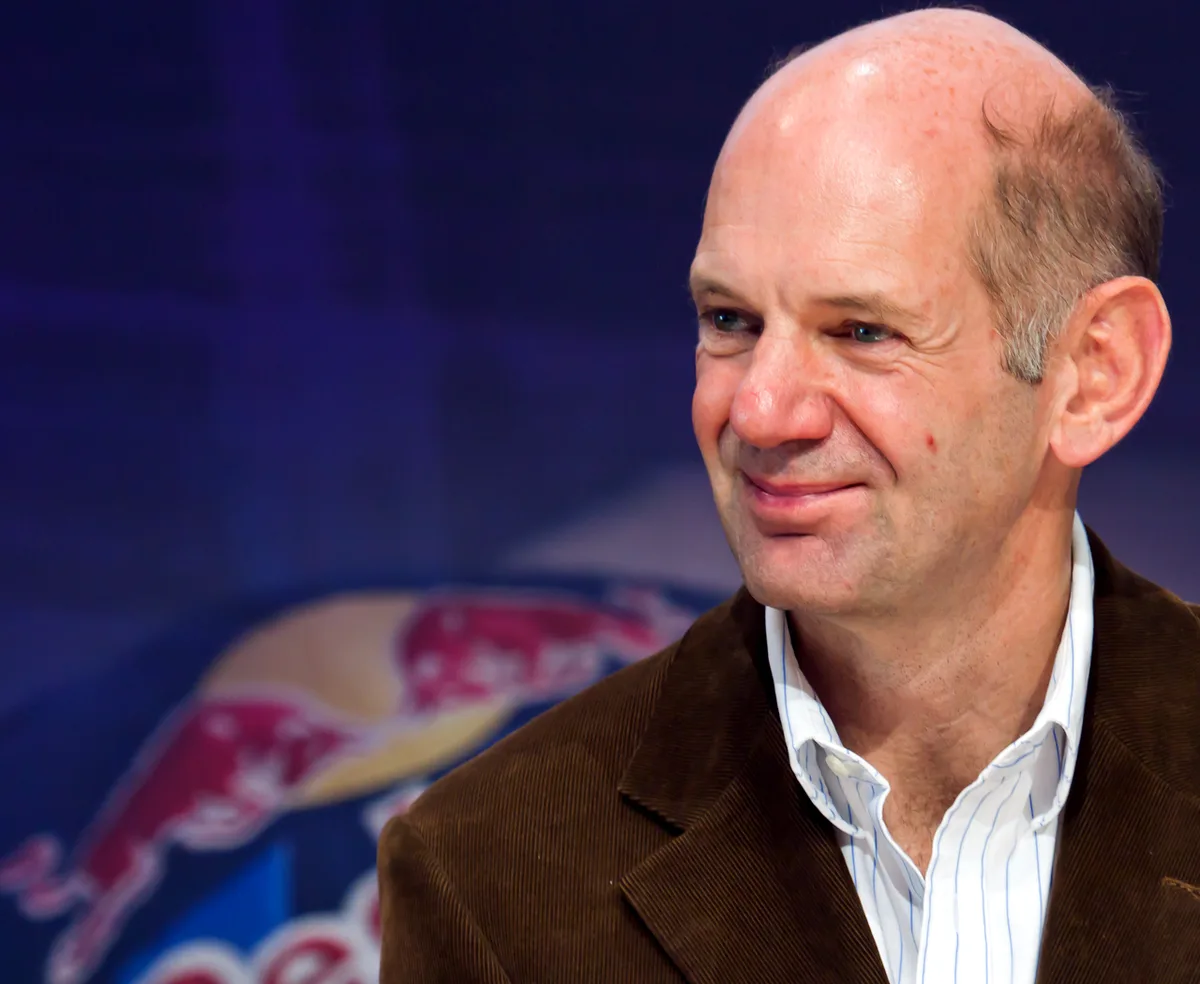 The engineering team, led by the legendary Adrian Newey, provided a fertile ground for growth. Verstappen's direct, unfiltered feedback became invaluable in developing the car. He wasn't just a driver; he was an integral part of the development process. He absorbed data, analyzed telemetry, and worked tirelessly in the simulator. "I always want to improve," he stated repeatedly, a mantra that drove his relentless pursuit of perfection. The series of crashes in early 2018, particularly at Baku and Monaco, were painful but formative. He emerged from these trials not broken, but sharpened, a more complete driver whose speed was now married with a newfound consistency and strategic awareness. The blade was being forged, ready for its ultimate test.
The Championship Crucible: 2021 and the Anatomy of a Champion
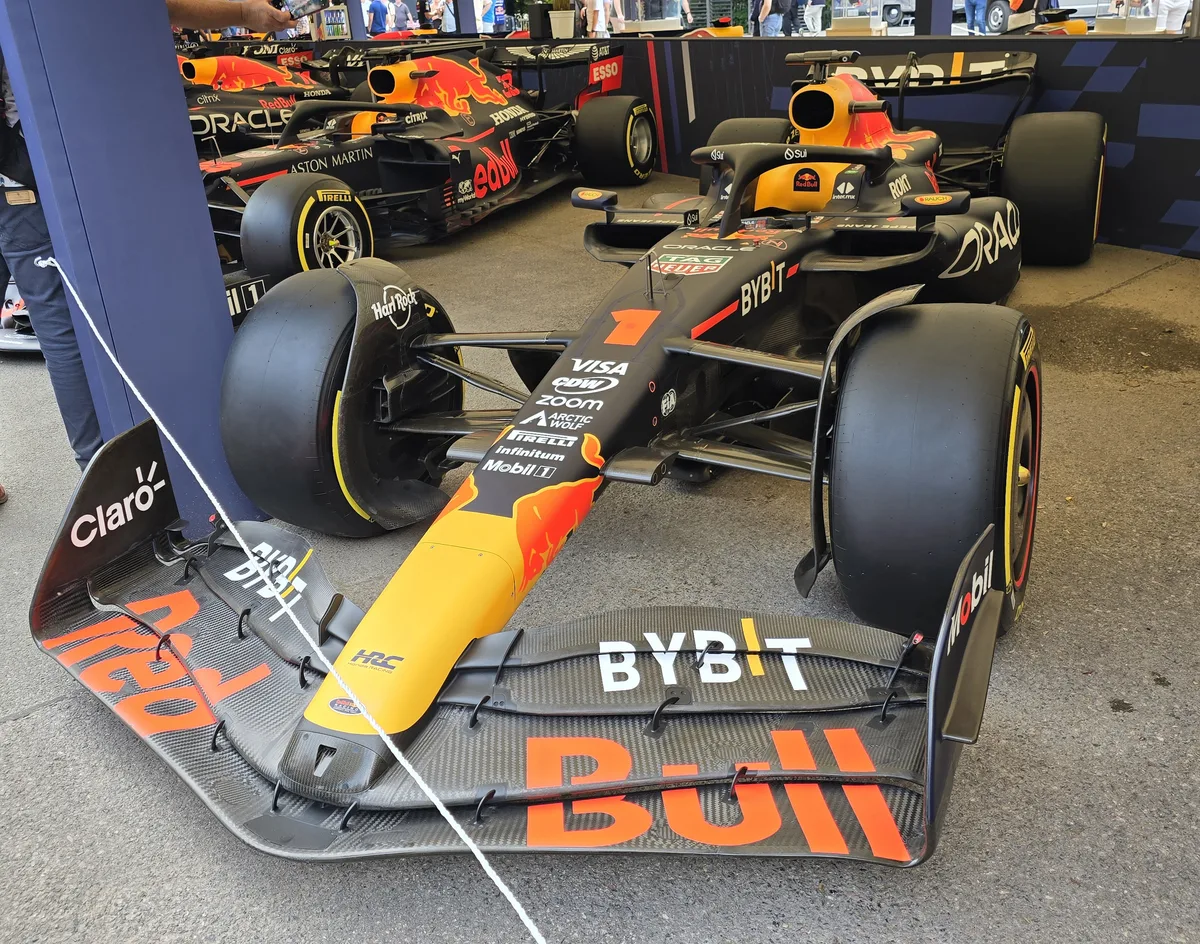 The 2021 Formula 1 season was not just a championship; it was a saga, a year-long epic that tested the very limits of human and mechanical endurance. Max Verstappen, driving the Red Bull RB16B, went head-to-head with Lewis Hamilton, the most decorated driver in F1 history, in a battle that transcended sport. From the opening race in Bahrain to the final lap in Abu Dhabi, every overtakes, every pit stop, every strategic gamble was amplified. The tension was palpable, the stakes impossibly high. Verstappen demonstrated a new level of mental fortitude, absorbing pressure, enduring accusations of overly aggressive driving, and never once wavering from his singular goal.
He took ten victories, often displaying breathtaking car control and audacious maneuvers, such as his dive down the inside at Imola or his dominant performance in the wet at Spa. The season was punctuated by controversial moments: the Silverstone collision, the Monza double DNF, the Sao Paulo incident, and the infamous Jeddah race. Through it all, Verstappen maintained an almost stoic focus. He understood that to beat Hamilton, he had to be perfect, relentless, and willing to push every boundary. The final race, shrouded in controversy over race director decisions, culminated in that dramatic last lap. With an opportunistic lunge, a decisive pass on Hamilton, Verstappen seized the lead, crossing the line to become the 2021 Formula 1 World Champion. The roar from the Red Bull garage, a mix of relief and euphoria, marked the culmination of a life’s work.
Dominance Unleashed: The 2022-2023 Eras
Having broken through the championship barrier, Max Verstappen entered the 2022 season with a new sense of liberation, combined with the profound confidence of a reigning champion. The introduction of radical new technical regulations, designed to promote closer racing, proved to be a masterstroke for Red Bull and for Verstappen. The RB18, an Adrian Newey masterpiece, paired with Verstappen’s refined driving style, created an almost unstoppable force. Despite early reliability issues, Verstappen quickly adapted, demonstrating an uncanny ability to extract maximum performance from the new ground-effect cars.
The 2022 season saw him clinch his second world title with four races to spare, dominating the field with 15 victories – a new record for most wins in a single F1 season. His performances were characterized by strategic brilliance, relentless pursuit, and an almost surgical precision in overtaking. The following year, 2023, solidified his place in the pantheon of F1 greats. Driving the RB19, arguably one of the most dominant F1 cars in history, Verstappen delivered an unprecedented level of consistency and speed. He shattered his own records, securing 19 wins out of 22 races, including a streak of ten consecutive victories. He clinched his third World Championship at the Qatar Grand Prix sprint race, an almost inevitable conclusion to a season where he often seemed to be operating on a different plane. This era of dominance cemented the Max Verstappen anatomy of a champion as one defined by relentless improvement and unyielding performance.
Beyond the Helmet: The Man and His Machine
Peeling back the layers of the racing persona reveals a man of unwavering focus and uncompromising standards. Beyond the helmet, Max Verstappen is known for his directness, his dry wit, and an almost singular dedication to his craft. He shuns the celebrity aspects of F1, preferring to spend his time on the simulator, analyzing data, or simply relaxing with his family and girlfriend. This grounded approach allows him to maintain a clear head amidst the immense pressure of global motorsport.
His relationship with his engineers and mechanics at Red Bull Racing is symbiotic. Verstappen possesses an exceptional ability to articulate exactly what the car is doing, providing precise feedback that allows the team to fine-tune the machinery to his exacting specifications. He is not merely a passenger; he is an extension of the car, understanding its nuances and pushing its limits. “I want to be faster,” he often states, a simple yet powerful declaration of his perpetual drive. This profound synergy between driver and machine, coupled with a rigorous physical conditioning regime, allows him to extract every ounce of performance, making him a formidable and consistent force on the track.
The Verstappen Effect: Redefining the Apex
Max Verstappen’s impact on Formula 1 extends far beyond his championship trophies and record books. He has redefined the benchmark for what is possible, pushing the boundaries of aggression, precision, and mental fortitude. His arrival and subsequent dominance have invigorated the sport, drawing new audiences with his uncompromising racing style and compelling narrative. He embodies a new generation of drivers, one raised entirely in the digital age, yet possessing an old-school grit.
Comparisons inevitably arise with legends like Senna, Schumacher, and Hamilton. Verstappen shares their relentless pursuit of victory, their innate talent, and their ability to elevate a car beyond its perceived limits. Yet, he carves his own path, characterized by a raw, almost primal competitive instinct that is both thrilling and, at times, polarizing. His legacy is still being written, but he has already etched his name firmly in the annals of motorsport as a driver who, through sheer will and prodigious talent, bent the sport to his will. The future of Formula 1 will undoubtedly be shaped by the standards he has set.
Frequently Asked Questions
Q: When did Max Verstappen make his Formula 1 debut? A: Max Verstappen made his Formula 1 debut on March 15, 2015, at the Australian Grand Prix with Scuderia Toro Rosso, becoming the youngest ever F1 driver at 17 years and 166 days.
Q: How many Formula 1 World Championships has Max Verstappen won? A: As of the end of the 2023 season, Max Verstappen has won three Formula 1 World Championships (2021, 2022, 2023).
Q: Who are Max Verstappen’s parents and what is their racing background? A: Max Verstappen’s father is Jos Verstappen, a former Formula 1 driver, and his mother is Sophie Kumpen, a highly successful kart racer. Both played significant roles in his early racing development.
Key Takeaways
Max Verstappen’s ascent to Formula 1 supremacy is a testament to a rare confluence of innate talent, relentless parental guidance, and an unyielding personal drive. From his karting dominance to his record-breaking F1 seasons, his career illustrates a continuous evolution from raw prodigy to a complete, multifaceted champion. His ability to adapt, his profound synergy with his team, and his unshakeable mental fortitude have redefined the apex of motorsport performance, leaving an indelible mark on the sport’s history.
You might also like:
👉 The F1 Sprint Conundrum: Unpacking Formula 1’s Most Divisive Innovation
👉 Lewis Hamilton vs. Nico Rosberg: Deconstructing F1’s Fiercest Rivalry
👉 Mookie Betts’ Unforgettable Accolades & MLB Legacy Unveiled