
Nashville vs. Columbus: Urban Growth, Economy & Future Prospects
Explore the contrasting urban growth stories of Nashville and Columbus since 1968. Analyze their economies, future prospects, and defining characteristics.
Nashville vs. Columbus: A Comparative Study of Urban Growth and Future Prospects
The year is 1968. In Nashville, the rhythmic strum of a guitar echoes from a dimly lit studio on Music Row, a sound that would soon define a city. Across the Appalachian spine, in Columbus, Ohio, the hum of machinery and the steady churn of corporate offices signaled a different kind of ambition. Both cities, born of 19th-century American expansion, stood at a precipice. The post-war boom had reshaped the nation, but the urban core of countless cities faced decay, suburban flight a looming threat. Nashville, with its nascent yet potent music industry, and Columbus, a burgeoning state capital and corporate hub, were poised to embark on diverging paths, each meticulously carving out its own destiny amidst the swirling currents of urban growth and transformation. This is the story of how two American cities, seemingly disparate yet bound by the shared quest for prosperity, navigated the labyrinthine corridors of history to become the vibrant metropolises we know today, and what their journeys reveal about the future of urban America.
The Crucible of Beginnings: Formative Years and Early Identities
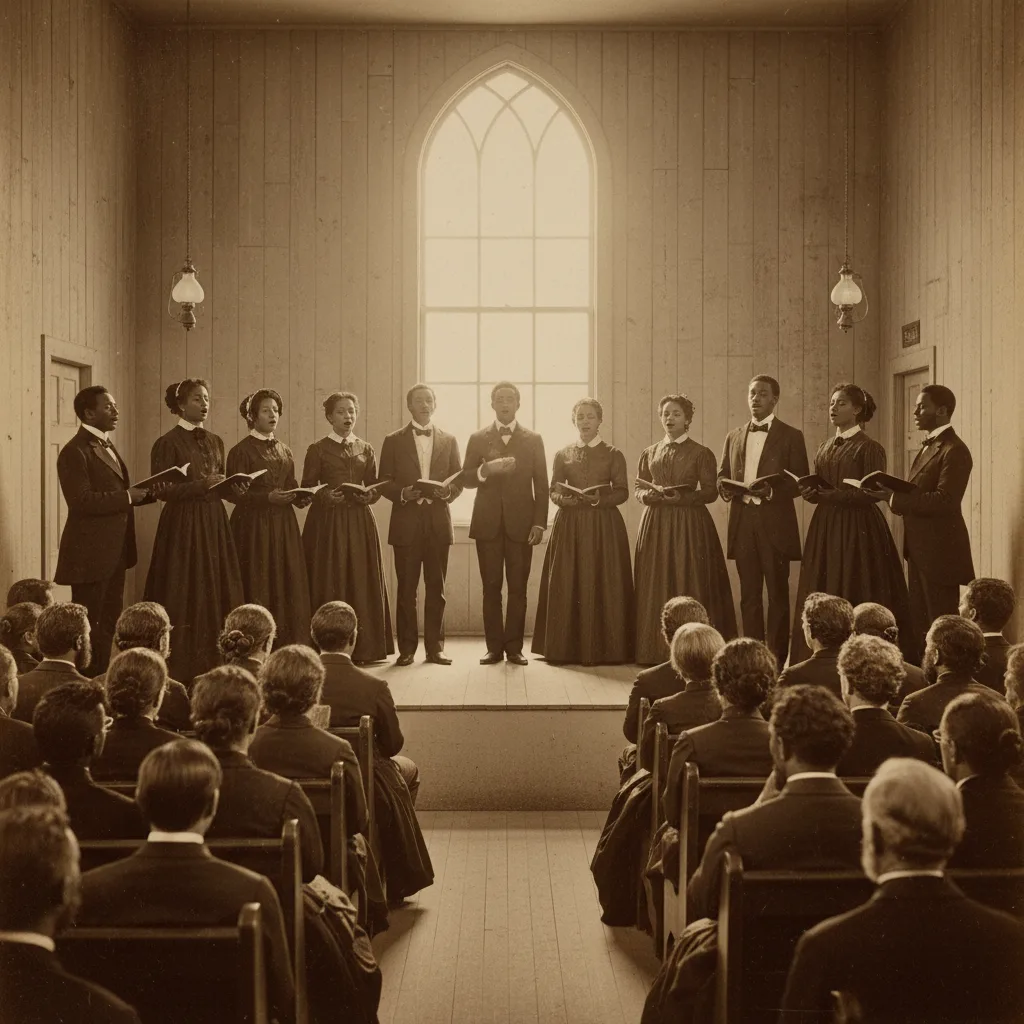
Nashville, established on the banks of the Cumberland River in 1779 as Fort Nashborough, grew from a frontier outpost into a bustling river port and, by 1843, the capital of Tennessee. Its early wealth stemmed from its strategic location, facilitating trade in cotton, tobacco, and timber. Antebellum Nashville projected an air of Southern gentility, boasting early educational institutions like the University of Nashville. The city’s identity was deeply intertwined with agricultural commerce and its role as a regional political center. Yet, even then, a different seed was being sown: the spiritual songs of the Fisk Jubilee Singers, founded in 1871, began to echo beyond church walls, hinting at a future deeply rooted in sound.
Columbus, by contrast, was a city born of legislative decree. Plotted in 1812 on the fertile plains of central Ohio, its very existence was a political compromise, chosen as the state capital for its central location rather than natural geographical advantage. Without a major river for early commerce, its growth was initially slower. However, the completion of the Ohio and Erie Canal in 1831 and the arrival of the railroad in the 1850s transformed it into a critical transportation nexus. Its identity solidified around governance, manufacturing, and, crucially, education with the founding of The Ohio State University (OSU) in 1870. From its inception, Columbus was a planned city, driven by civic ambition and a pragmatic pursuit of diversified industry, laying a foundation distinct from Nashville’s more organic, commerce-driven evolution.
Mid-Century Metamorphosis: Navigating Post-War Shifts and Urban Growth
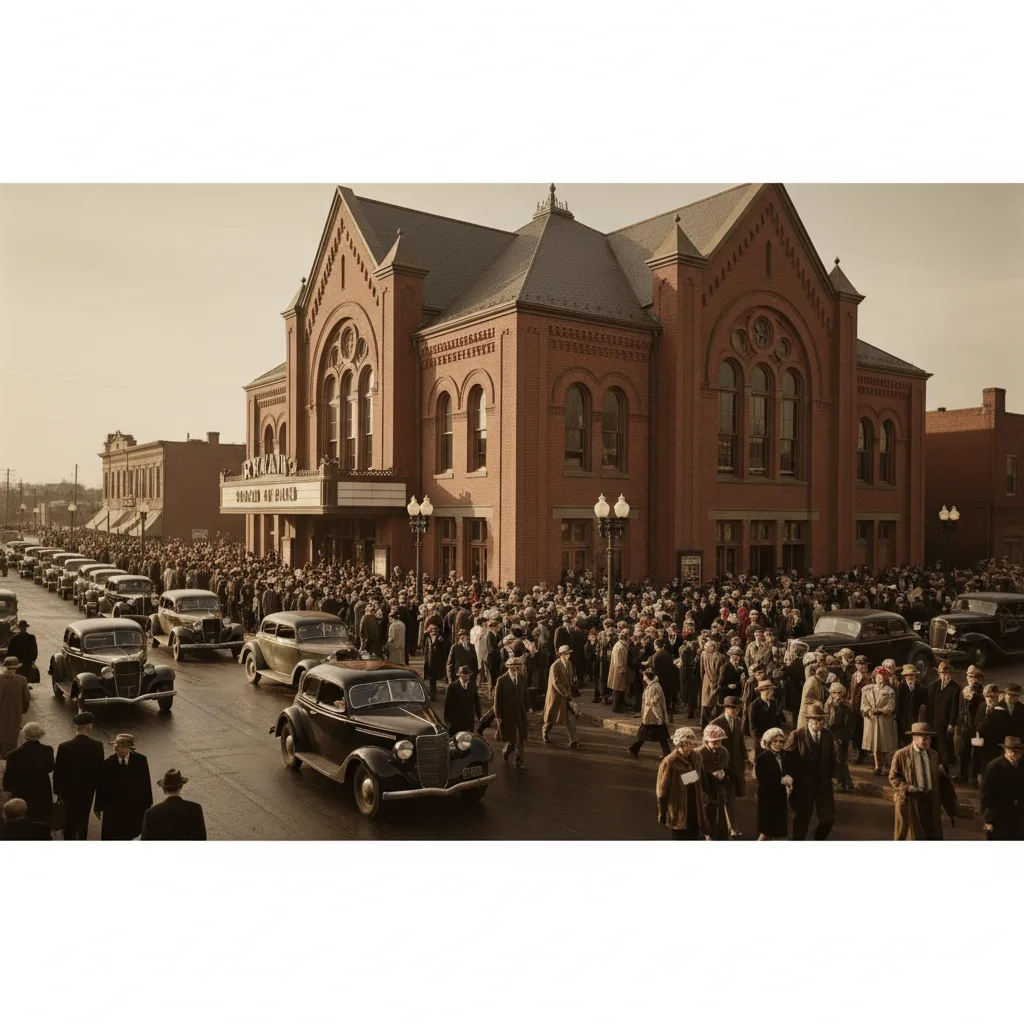
The mid-20th century presented a complex tapestry of challenges and opportunities for both cities. In Nashville, the 1940s saw the Grand Ole Opry, born from radio station WSM in 1925, find its permanent home at the Ryman Auditorium. This cemented Nashville’s reputation as “Music City, U.S.A.” The 1950s and 60s witnessed the explosion of country music, attracting aspiring artists, songwriters, and producers to Music Row. Figures like Chet Atkins and Owen Bradley pioneered the “Nashville Sound,” a smoother, more pop-friendly style that broadened country music’s appeal. This period also saw the rise of the healthcare industry, with companies like Hospital Corporation of America (HCA) founded in 1968, leveraging Vanderbilt University’s medical prowess. Yet, like many Southern cities, Nashville grappled with the Civil Rights Movement, its downtown core experiencing both protest and the beginnings of integration. The construction of interstates I-40, I-65, and I-24 carved new pathways, but also contributed to the era’s urban sprawl.
Columbus, during the same period, leveraged its status as a state capital and educational powerhouse. While not experiencing the cultural explosion of Nashville, it steadily built a robust economy centered on insurance (with Nationwide Mutual Insurance Company established in 1926 becoming a major employer), manufacturing, and retail. The sprawling campus of The Ohio State University became a powerful economic engine, attracting research grants and fostering a skilled workforce. The city’s central location made it an ideal hub for logistics and distribution, further bolstered by the convergence of I-70 and I-71. Mayor Maynard Sensenbrenner, serving from 1954-1971, oversaw significant infrastructure projects and annexation efforts, expanding the city’s land area and tax base. While Nashville was finding its voice, Columbus was meticulously building its economic backbone, a testament to steady, strategic urban growth.
Divergent Paths: Specialization and the Rise of Distinct Urban Identities
As the 1980s dawned, both cities faced the imperative of reinvention. Nashville leaned into its strengths, aggressively marketing itself as a global music and entertainment destination. The construction of the Opryland Hotel in 1977 and the subsequent expansion of tourism infrastructure solidified this identity. Under mayors like Richard Fulton and Bill Boner, the city actively supported its music industry, understanding its ripple effect on the broader economy. Simultaneously, the healthcare sector continued its meteoric rise, with HCA growing into an industry giant and a cluster of medical companies forming around Vanderbilt. Nashville’s appeal became increasingly specialized, drawing talent and investment directly linked to these two dominant sectors. The city embraced its unique cultural capital, turning it into a powerful economic engine, a strategy that would define its subsequent urban growth.
Columbus, meanwhile, pursued a strategy of diversification and corporate anchoring. The 1980s saw the rise of retail giants like The Limited (now L Brands), founded by Les Wexner in 1963, which expanded rapidly, bringing thousands of corporate jobs. The city actively cultivated a business-friendly environment, attracting financial services, technology firms, and a burgeoning logistics industry. Mayor Dana G. Rinehart (1984-1991) focused on downtown revitalization, recognizing the need to make the urban core attractive for both residents and businesses. Columbus’s identity became less about a singular defining industry and more about its broad economic base, its central location, and its educated workforce stemming from OSU. It positioned itself as a stable, adaptable regional hub, a stark contrast to Nashville’s more flamboyant, specialized ascent.
The 21st Century Surge: Boomtown Dynamics and Emerging Challenges
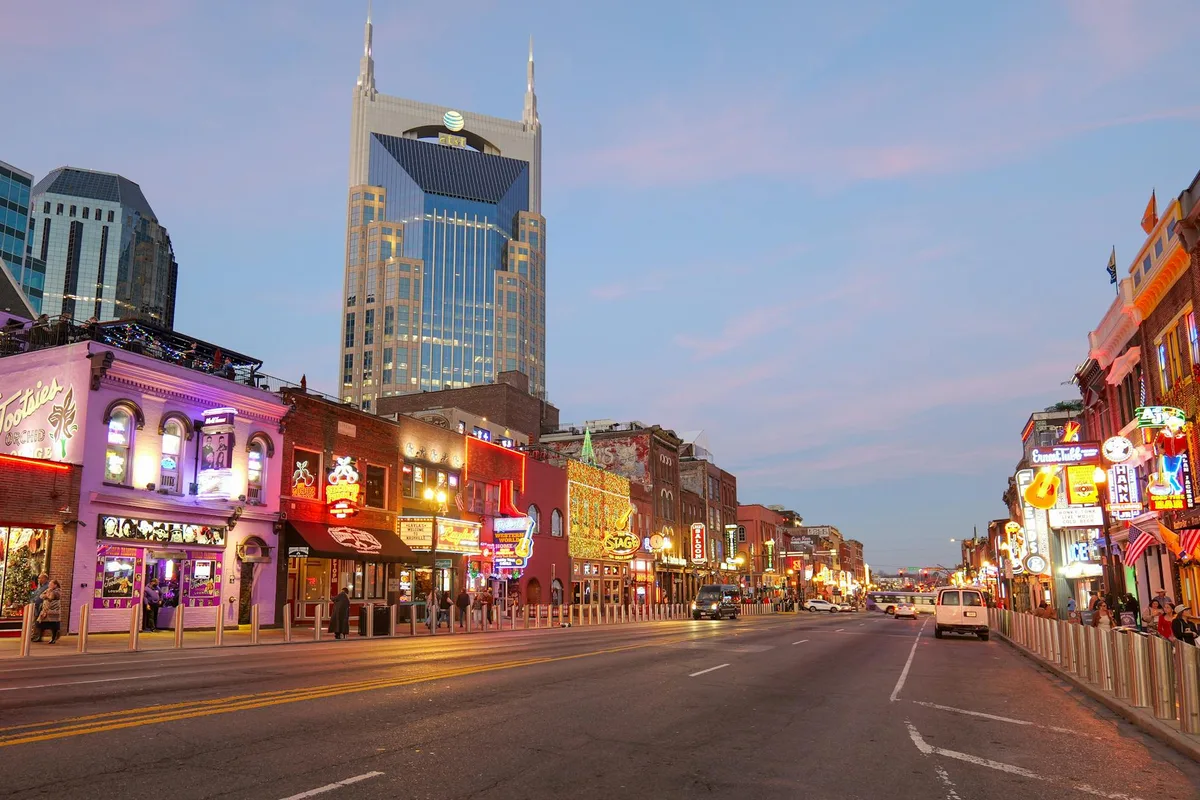 The new millennium ushered in an era of unprecedented urban growth for both cities, though with markedly different characteristics. Nashville's boom was nothing short of explosive. Fueled by a relentless tourism engine, the music industry, and a robust healthcare sector, its population surged, attracting transplants from across the nation. Cranes dotted the skyline as hotels, residential towers, and entertainment venues proliferated. Broadway became a neon-lit canyon, teeming with tourists and bachelorette parties. The **2010s** saw Nashville consistently rank among the fastest-growing U.S. cities, boasting a vibrant cultural scene and a palpable energy. However, this rapid growth brought significant challenges: soaring housing costs, crippling traffic congestion, and growing concerns about gentrification and preserving the city's unique character. The very success of Nashville's specialized urban growth began to strain its infrastructure and affordability.
 Columbus, while experiencing steady, robust growth, adopted a more measured trajectory. It continued to diversify, attracting a new wave of tech companies, particularly in the financial technology and data analytics sectors. Its "Smart City" initiative, winning a **USDOT grant in 2016**, showcased its commitment to innovation and sustainable urban development. The city's relatively stable housing market and lower cost of living, compared to other major metros, made it an attractive destination for businesses and families. The downtown area, under the leadership of long-serving Mayor **Michael B. Coleman** (2000-2016), underwent a dramatic transformation, with new parks, residential developments, and cultural attractions. While not possessing Nashville's singular cultural magnetism, Columbus's diversified economy and focus on livability allowed it to absorb growth more smoothly, creating a resilient urban fabric less prone to the boom-bust cycles of more specialized economies.
Future Prospects on the Horizon: Sustaining Momentum and Navigating Tomorrow’s Tides
Looking ahead, both Nashville and Columbus are well-positioned for continued prosperity, yet face distinct challenges in managing their future urban growth. Nashville’s future prospects hinge on its ability to manage its explosive growth responsibly. The city must address its escalating housing crisis, invest heavily in public transit, and strategically plan for future infrastructure demands to avoid becoming a victim of its own success. Its strength lies in its undeniable cultural draw and robust healthcare sector, which continue to attract talent and investment. The question for Nashville is not if it will grow, but how it will grow sustainably while retaining the charm that made it so appealing in the first place.
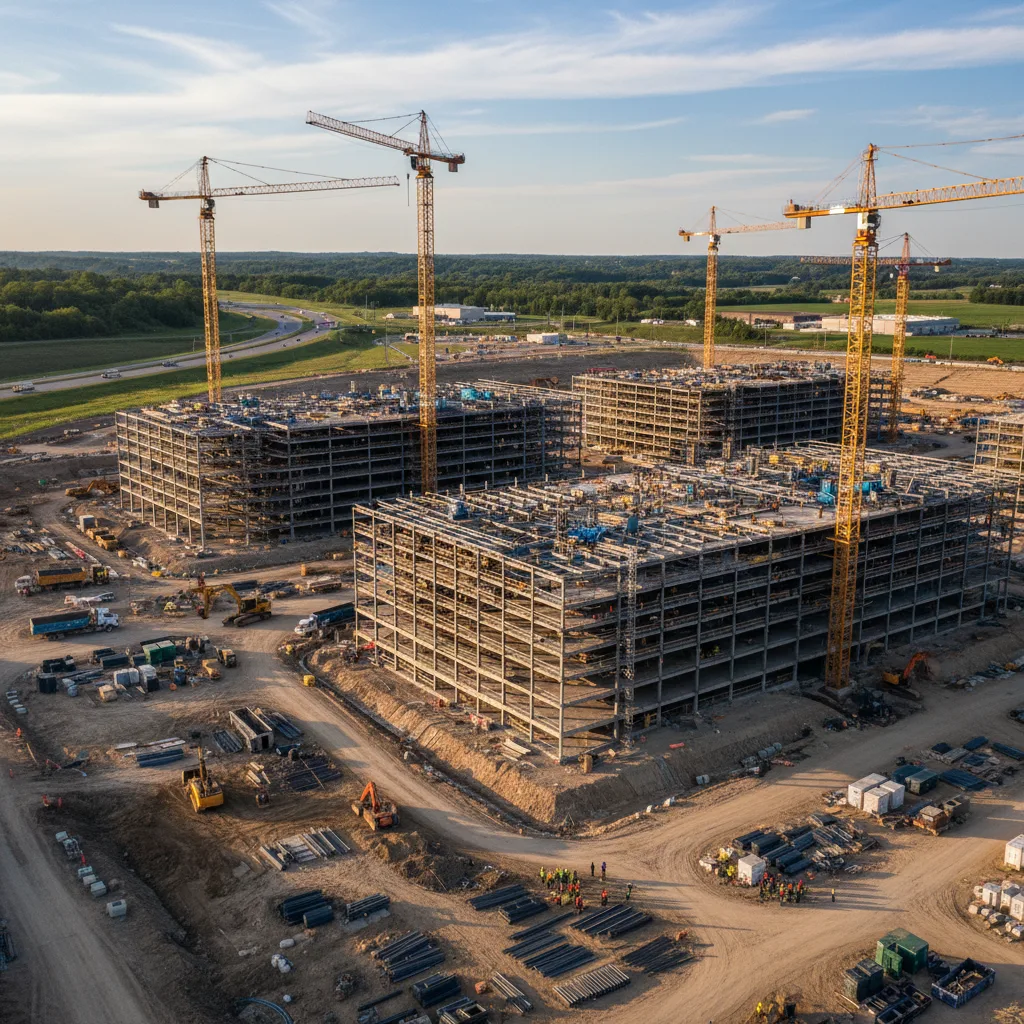
Columbus, meanwhile, stands on the cusp of a potential new industrial revolution. The 2022 announcement of Intel’s multi-billion-dollar semiconductor fabrication plants in nearby Licking County is a game-changer, promising thousands of high-tech jobs and significant ancillary development. This investment solidifies Columbus’s role as a major technology and manufacturing hub, building upon its already diversified economy. Its future prospects are bolstered by its strategic location, strong educational institutions, and a track record of stable, managed growth. The challenge for Columbus will be to integrate this massive new industry without losing its balanced economic structure or straining its existing infrastructure, ensuring equitable benefits across the region. As both cities continue to evolve, their comparative studies offer invaluable lessons in the art of urban growth: Nashville, a testament to the power of specialized cultural capital, and Columbus, a model of diversified economic resilience.
FAQ Section
Q1: What are the primary economic drivers for Nashville today? A1: Nashville’s economy is predominantly driven by its robust music and entertainment industry, a thriving healthcare sector (with major players like HCA Healthcare and Vanderbilt University Medical Center), and a rapidly expanding tourism industry, fueled by its cultural appeal.
Q2: How has The Ohio State University impacted Columbus’s development? A2: Ohio State University has been a foundational pillar for Columbus, providing a massive research engine, a continuous supply of educated talent, and a significant direct and indirect economic impact. It has fostered innovation, attracted businesses, and contributed to the city’s diverse and stable job market.
Q3: What are the biggest challenges facing Nashville’s future growth? A3: Nashville’s rapid growth has led to significant challenges including an escalating housing affordability crisis, severe traffic congestion due to inadequate public transit infrastructure, and concerns about gentrification impacting long-time residents and the city’s cultural heritage.
Q4: How does Columbus’s economic strategy differ from Nashville’s? A4: Columbus has historically pursued a strategy of broad economic diversification, leveraging its status as a state capital, its major university, and its central logistics position to attract a wide range of industries including insurance, retail, tech, and manufacturing. Nashville, while diversifying, has leaned more heavily into its specialized strengths in music, entertainment, and healthcare, creating a more concentrated economic identity.
The stories of Nashville and Columbus are not merely chronicles of brick and mortar, but testaments to human ingenuity, foresight, and adaptability. From frontier outposts to modern metropolises, their journeys illustrate the myriad forces shaping urban growth in America. Nashville, a vibrant, sometimes chaotic symphony of sound and commerce, and Columbus, a steady, diversified engine of innovation, stand as powerful reminders that while the paths to prosperity may diverge, the pursuit of urban vitality remains a constant, ever-evolving quest.
You might also like:
👉 Detroit’s 313 Day: Celebrating City Identity, Pride & Resilience
👉 Austin TX Sustainable Living: Your Essential Eco-Friendly Guide
👉 2026 Best Real Estate Investing: Strategies & Opportunities