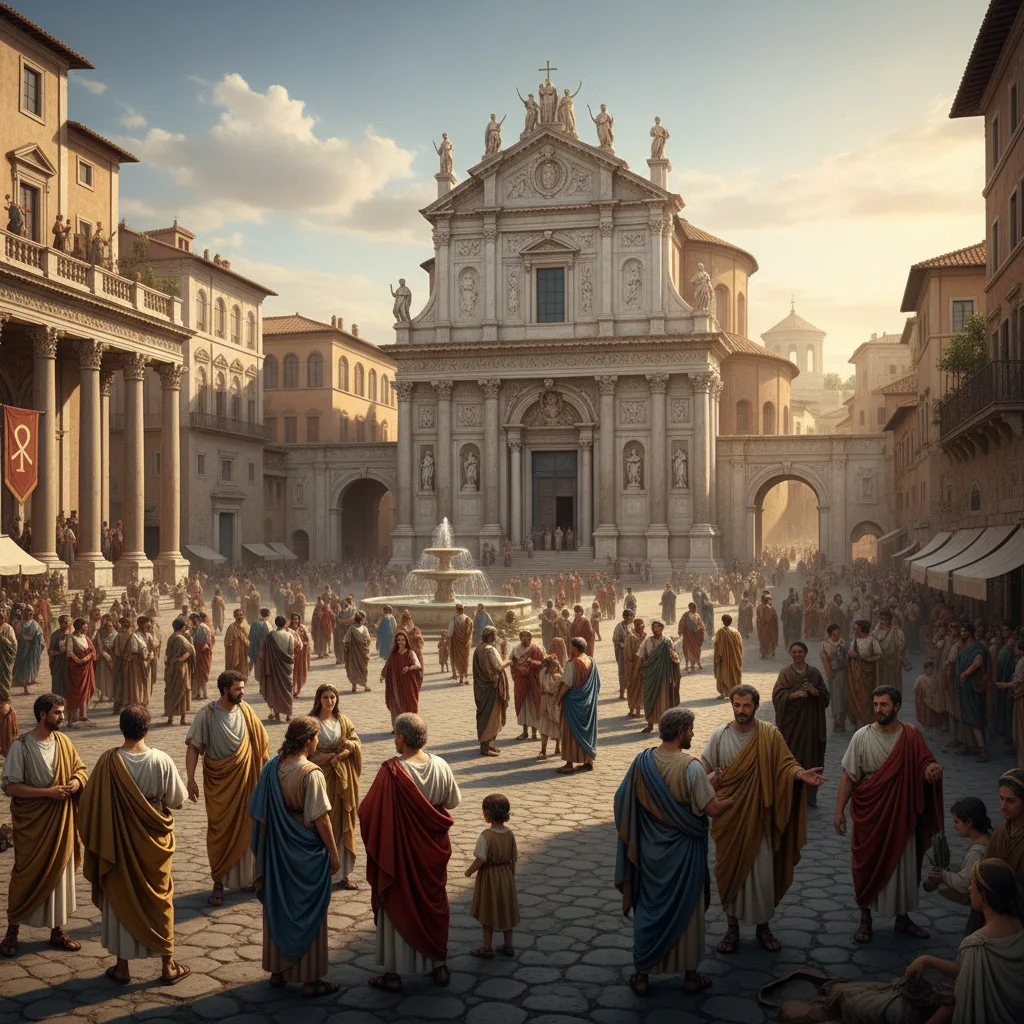
Detroit's 313 Day: Celebrating City Identity, Pride & Resilience
Explore Detroit's vibrant 313 Day celebration, an annual outpouring of love, pride, and resilience. Discover how the Motor City transforms its area code into a powerful testament to its unique identity and indomitable spirit.
The Unfolding Canvas: Detroit’s Vibrant 313 Day Celebration
Imagine a city so proud of its identity, so rooted in its unique narrative, that it transforms a simple phone number into an annual, city-wide outpouring of love, pride, and resilience. This isn’t a fantasy; it’s the electrifying reality of Detroit’s 313 Day celebration, a phenomenon that transcends a mere date on the calendar. On March 13th, the Motor City doesn’t just mark time; it ignites, a testament to its indomitable spirit, its rich cultural tapestry, and its unwavering commitment to community. For outsiders, it might seem an arbitrary choice, a quirky local custom. But for Detroiters, 313 Day is a pulsating heartbeat, a declaration of who they are, where they’ve come from, and where they’re fiercely headed.
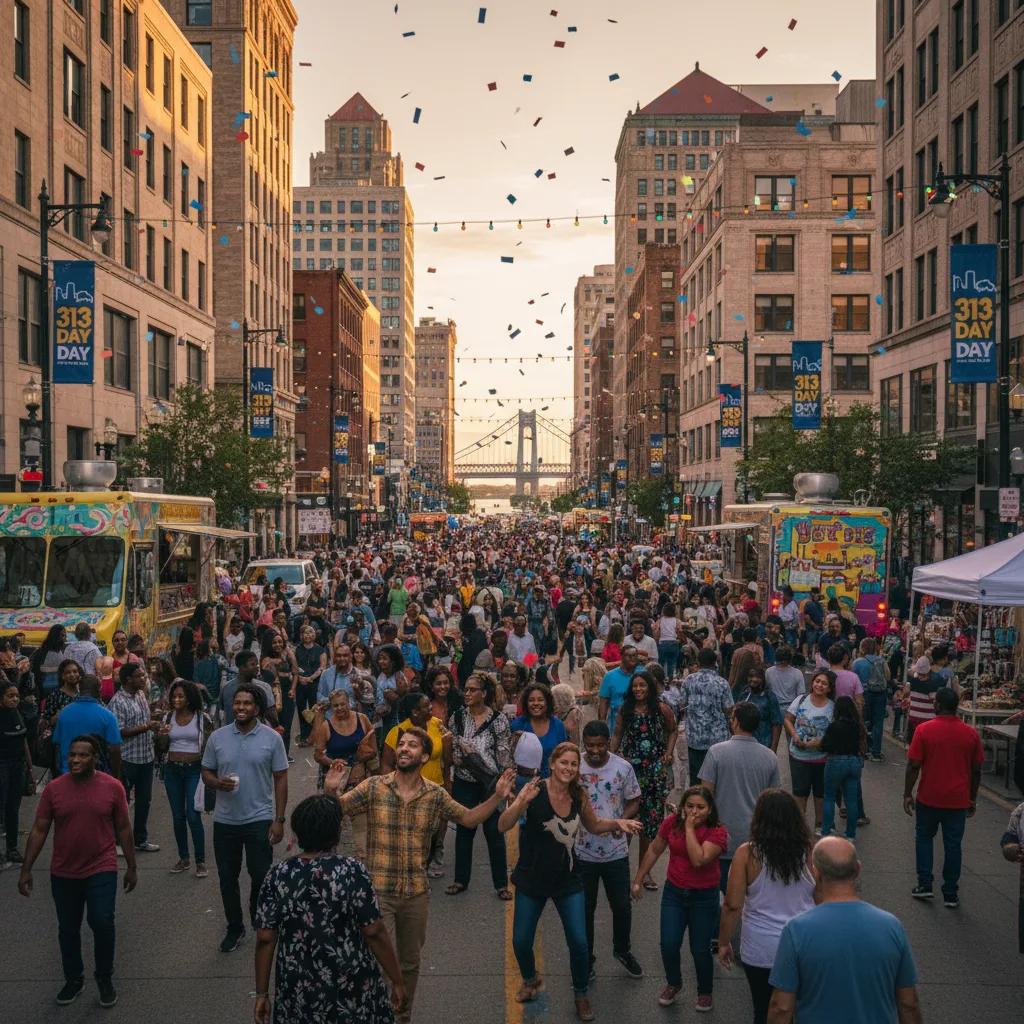
From the bustling streets of Corktown to the vibrant avenues of Mexicantown, from the historic grandeur of Midtown to the revitalized energy of downtown, March 13th sees Detroit burst into a kaleidoscope of events. It’s a day when local businesses offer “313” deals, artists unveil new works, musicians fill venues with the sounds of Motown and techno, and neighbors gather to share stories, food, and laughter. But how did an area code evolve into such a potent symbol of civic pride? And what does this unique 313 Day celebration reveal about the soul of one of America’s most iconic cities? Prepare to be hooked, because the story of 313 Day is far more compelling than just numbers on a dial.
From Area Code to Cultural Code: The Genesis of 313 Day
Every city has its identifiers, but few have elevated a numerical prefix to the status of a cultural touchstone quite like Detroit. The 313 area code isn’t just a routing mechanism for phone calls; it’s a geographic marker, a historical boundary, and, most importantly, a symbol of belonging. Established in 1947 as one of the original 86 area codes in the North American Numbering Plan, 313 initially covered a vast swathe of southeastern Michigan. Over decades, as population grew and telecommunication needs expanded, the 313 area code was split, first in 1993 to create 810, then again in 1997 to introduce 734, effectively shrinking its territory to encompass primarily the city of Detroit itself and a few inner-ring suburbs. This contraction, rather than diminishing its significance, concentrated its power as an emblem of authentic Detroit identity.
The idea to formally celebrate “313 Day” on March 13th (3/13) emerged organically from the community, a grassroots movement driven by a deep-seated pride in the city’s unique journey. It wasn’t a top-down mandate but a collective acknowledgment of a shared identity. Local entrepreneurs, artists, and community organizers began using the date as an informal occasion to promote Detroit culture, history, and commerce. They understood that in an era of globalization and shifting identities, the 313 area code represented something immutable and deeply personal for those who called Detroit home.
What started as a series of small, independent initiatives quickly gained momentum, fueled by social media and a collective desire to showcase the city’s resilience and creativity. Figures like Jerry Paffendorf, co-founder of Loveland Technologies, and various local business owners were instrumental in popularizing the concept, leveraging the symbolic power of 313 to foster a sense of unity and shared purpose. The date became a rallying cry, a reminder that despite economic challenges and often negative external perceptions, Detroit remained a vibrant, innovative, and profoundly proud city. It was a reclaiming of narrative, a day for Detroiters to define themselves on their own terms.
Rhythms of Resilience: Music, Art, and the Spirit of the Motor City
Detroit’s heartbeat has always been set to a rhythm unlike any other, a syncopated blend of innovation, struggle, and boundless creativity. On 313 Day, this musical legacy isn’t just remembered; it’s vibrantly relived. The city that gave the world Motown, the soulful sound that defined a generation, and later birthed Techno, an electronic genre that revolutionized dance music globally, transforms its stages and streets into an auditory feast. From historic venues like the Fox Theatre and Detroit Opera House hosting special performances, to intimate clubs and pop-up events showcasing local talent, the air on March 13th crackles with sound.

Local artists and musicians seize the opportunity to perform, collaborate, and pay homage to the city’s rich heritage. You might find legendary Motown artists making guest appearances, techno pioneers like Juan Atkins or Derrick May spinning sets in underground spaces, or emerging hip-hop artists debuting new tracks that speak to contemporary Detroit experiences. Art galleries, from the renowned Detroit Institute of Arts (DIA) to smaller independent spaces in the Eastern Market district, often host special exhibitions or offer free admission, celebrating local painters, sculptors, and multimedia artists whose work captures the essence of the Motor City.
Beyond formal venues, the spirit of 313 Day permeates community spaces. Murals are unveiled, street performers animate public squares, and impromptu jam sessions erupt, showcasing the sheer density of creative talent within the city. This fusion of music and art on March 13th isn’t just entertainment; it’s a powerful affirmation of Detroit’s enduring cultural significance, a reminder that even in its toughest times, the city has always been a crucible of artistic expression, a place where innovation thrives against all odds. It’s a testament to the fact that Detroit doesn’t just produce art; it is art, constantly evolving, always resilient.
Taste of the D: Culinary Delights and Community Feasts
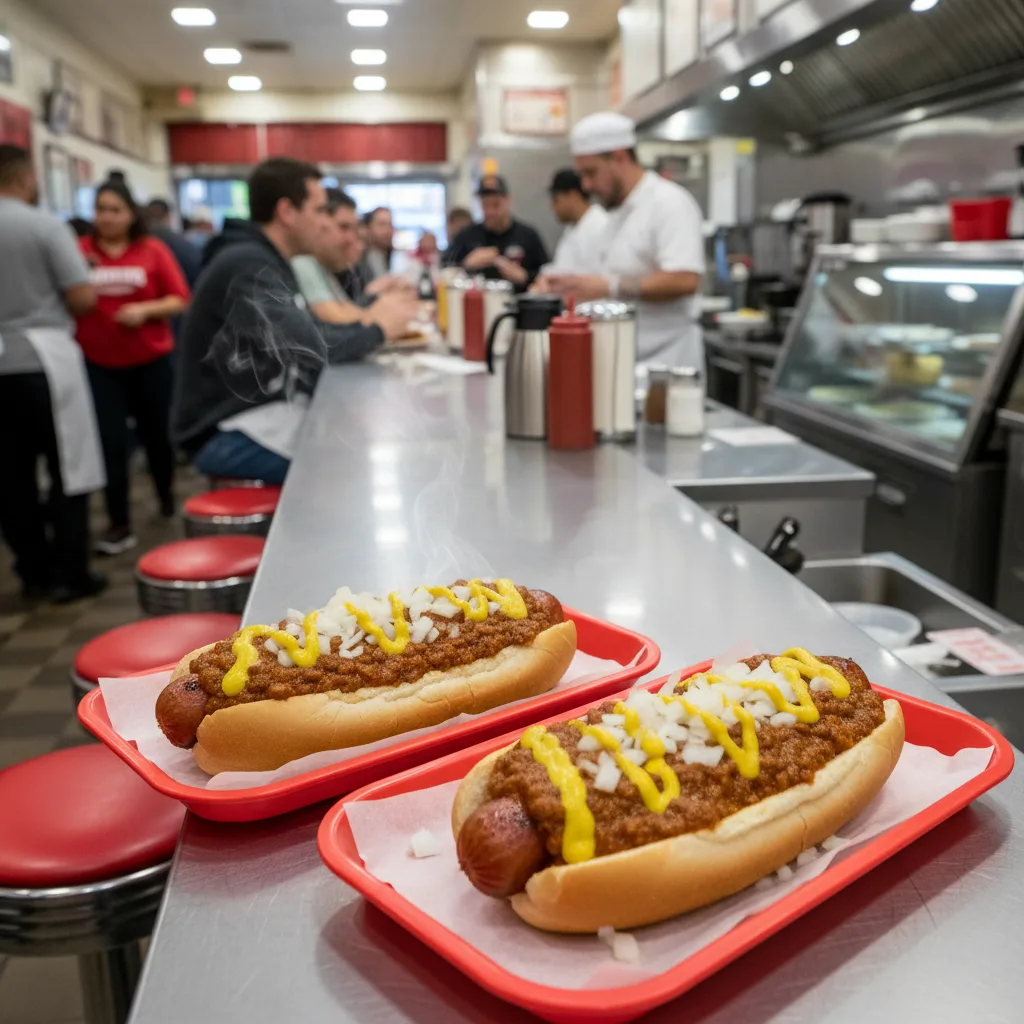
No celebration in Detroit is complete without a deep dive into its distinctive and delicious culinary landscape. On 313 Day, the city’s kitchens, diners, and food trucks hum with an extra layer of energy, transforming the day into a gastronomic journey through the heart of the Motor City. It’s a time when iconic Detroit foods take center stage, becoming not just meals but symbols of shared heritage and community. You’ll find long lines at classic establishments like Lafayette Coney Island and American Coney Island, where the debate over the city’s best Coney Dog rages on, fueled by chili, onions, and mustard.
Detroit-style pizza, with its signature rectangular shape, thick crust, crispy edges, and sauce often ladled on top of the cheese, experiences a surge in demand. Pizzerias across the city, from Buddy’s Pizza (credited with inventing the style in 1946) to newer artisanal spots, offer special “313 Day” deals, inviting residents and visitors alike to savor a slice of Detroit’s culinary innovation. Beyond these staples, local chefs and restaurateurs get creative, crafting special menus that highlight Michigan-grown ingredients or reimagine classic dishes with a contemporary twist.
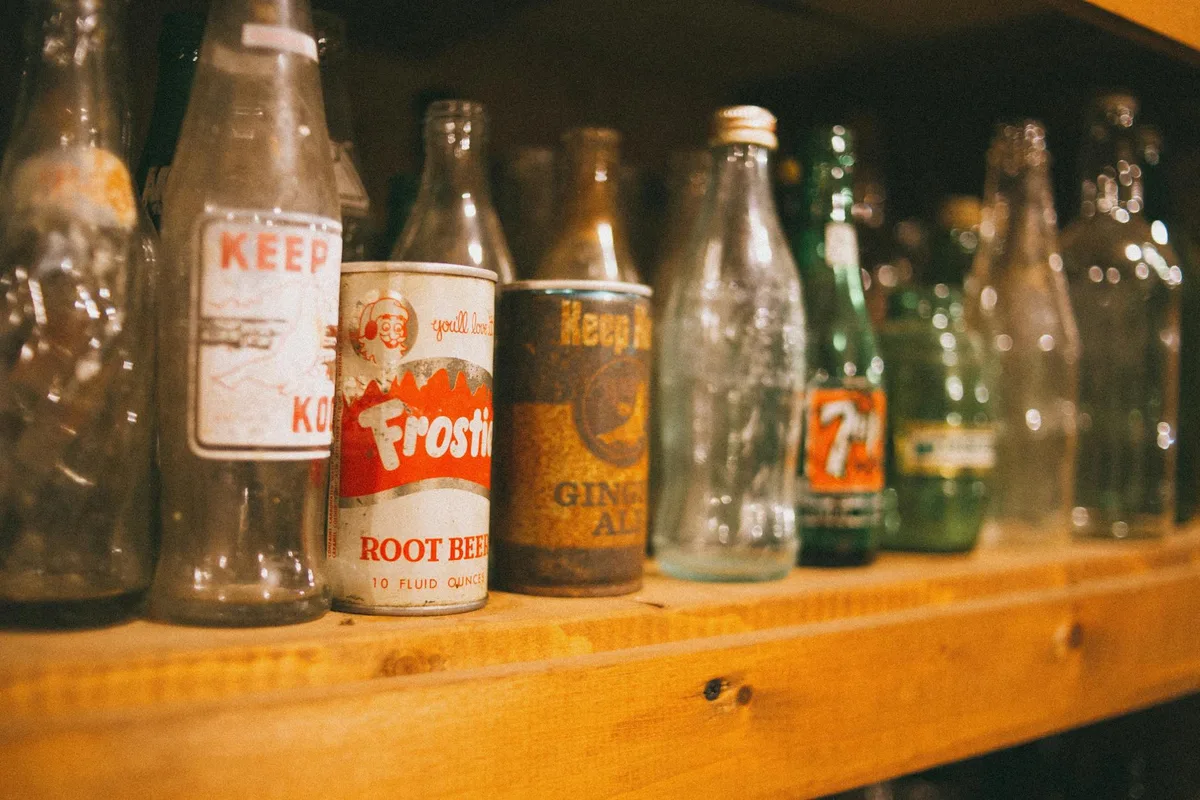 But 313 Day's culinary celebration extends far beyond commercial establishments. Community potlucks, neighborhood block parties, and family gatherings abound, where traditional dishes are shared, and new memories are forged around tables laden with food. From homemade soul food to Polish pierogi, Middle Eastern delights from Dearborn, and vibrant Mexican cuisine from Southwest Detroit, the day is a testament to the city's rich tapestry of immigrant cultures. Even local beverages like **Vernor's Ginger Ale**, a Detroit original since 1866, become part of the festivities, symbolizing the enduring taste of home. It's a day where every bite tells a story, and every shared meal strengthens the bonds of a proud community.
Rebuilding and Revitalizing: How 313 Day Fuels Civic Pride and Investment
Beyond the festivities, the 313 Day celebration serves a profound purpose: it’s a powerful catalyst for civic pride and a vibrant showcase for Detroit’s ongoing revitalization. The date becomes an informal open house for the city, inviting residents to explore newly developed neighborhoods, patronize burgeoning businesses, and witness firsthand the tangible progress being made across its diverse districts. It’s a day when the narrative shifts from past challenges to future possibilities, underscored by the palpable energy of a city on the rise.
Many local organizations and community development corporations strategically align their initiatives with March 13th, using the heightened visibility to launch new projects, host ribbon-cutting ceremonies, or announce future plans. For instance, efforts by groups like the Detroit Economic Growth Corporation (DEGC) or neighborhood associations often highlight how new retail spaces, housing developments, or community gardens are transforming previously blighted areas. Developers and investors, both local and national, often use the occasion to reinforce their commitment to Detroit’s future, understanding that strong civic pride translates into a stable and attractive environment for growth.
The economic impact of 313 Day, while perhaps not as quantifiable as major sporting events, is significant in its concentrated boost to local, independent businesses. Restaurants, boutiques, art galleries, and service providers experience increased foot traffic and sales, reinforcing the importance of supporting the local economy. Moreover, the celebration fosters a sense of collective ownership and optimism, encouraging residents to actively participate in their city’s resurgence. It’s a day when the spirit of “Detroit vs. Everybody” transforms into “Detroit for Everybody,” a powerful message of unity and shared investment in the city’s bright future.
Beyond the Block: The Global Reach of Detroit’s 313 Day Celebration
While deeply rooted in Detroit’s physical boundaries, the spirit of the 313 Day celebration extends far beyond the city’s geographical limits, echoing across continents and connecting a global diaspora. For countless former Detroiters who have moved away for work, family, or new opportunities, March 13th offers a poignant opportunity to reconnect with their roots and celebrate the city that shaped them. Social media platforms become vibrant hubs of activity, with hashtags like #313Day and #DetroitLove trending, as individuals share memories, photos of their favorite Detroit spots, and messages of pride from around the world.
Expatriate Detroit communities in cities like Los Angeles, Atlanta, New York, and even as far as London or Berlin, organize their own informal gatherings. These “satellite” 313 Day celebrations often involve sharing Detroit-style pizza, listening to Motown or techno, and reminiscing about shared experiences. These events, whether large or small, serve as vital cultural bridges, keeping the Detroit identity alive and fostering a sense of belonging for those far from home. They demonstrate that the connection to the Motor City is not merely about location, but about a shared heritage, a resilient spirit, and an enduring sense of community.
This global reach underscores the universal appeal of Detroit’s story: a narrative of innovation, adversity, and remarkable comeback. It shows how a specific local celebration can resonate with broader themes of identity, pride, and the power of a community to define itself. The 313 area code, once just a series of numbers, has become a global emblem of resilience, a testament to the fact that Detroit’s influence, its culture, and its heart beat strong, no matter where its people may roam.
The Enduring Legacy of the 313 Day Celebration: A City’s Heartbeat
As the final notes fade and the last slices of pizza are devoured, the echoes of the 313 Day celebration linger, weaving themselves into the very fabric of Detroit’s ongoing narrative. This annual outpouring of civic pride is more than just a single day of festivities; it’s a vital thread in the city’s tapestry, shaping its identity for generations to come. It instills in young Detroiters a profound understanding of their heritage, teaching them that their city is not defined by past struggles but by an unwavering spirit of innovation, creativity, and collective strength.
The celebration has evolved significantly since its grassroots beginnings, growing in scale and recognition, yet never losing its authentic, community-driven soul. It has become a crucial mechanism for reinforcing local traditions, fostering new ones, and ensuring that the stories of Detroit’s past — its triumphs, its challenges, and its remarkable resilience — are passed down. From the tales of Motown’s rise to the ingenuity of the auto industry, from the struggles for civil rights to the current wave of revitalization, 313 Day provides a platform for these narratives to be celebrated and remembered.
Ultimately, the enduring legacy of the 313 Day celebration is its ability to consistently remind Detroiters, and indeed the world, that a city’s true wealth lies not just in its infrastructure or economy, but in the unbreakable spirit of its people. It’s a powerful statement that Detroit is not merely a place on a map, but a living, breathing entity, with a heartbeat as strong and distinctive as the 313 that defines it. It stands as a beacon of urban resilience, a testament to the power of community, and an inspiring blueprint for how a city can reclaim its narrative and celebrate its soul.
FAQ: Your Quick Guide to 313 Day
Q1: What exactly is 313 Day? A1: 313 Day is an annual celebration of Detroit’s culture, history, and community pride, observed on March 13th (3/13). It’s named after the city’s iconic 313 area code, which has become a powerful symbol of Detroit identity.
Q2: When did 313 Day celebrations begin? A2: While the spirit of Detroit pride has always existed, the formal recognition and widespread celebration of “313 Day” as a specific date began organically in the early 2010s, driven by grassroots efforts from local businesses, artists, and community organizers.
Q3: Why is the area code 313 so significant to Detroiters? A3: The 313 area code is significant because, after several splits over the decades, it now primarily covers the city of Detroit itself. This makes it a unique geographic and cultural identifier, symbolizing true Detroit identity and a shared sense of belonging for those who call the city home.
Q4: How can visitors experience 313 Day in Detroit? A4: Visitors can experience 313 Day by exploring the city’s diverse neighborhoods, patronizing local businesses that often offer “313” themed specials, attending concerts, art exhibitions, or community events, and simply immersing themselves in the vibrant atmosphere of civic pride and celebration.
Conclusion
The 313 Day celebration is far more than an arbitrary date; it is a meticulously woven tapestry of Detroit’s soul, a vibrant annual testament to its past, present, and fiercely optimistic future. From its genesis as a numerical identifier to its evolution into a city-wide festival of music, art, and culinary delights, 313 Day encapsulates the very essence of the Motor City. It’s a powerful narrative of resilience, a profound expression of community, and a dynamic showcase for the innovation and creativity that define Detroit. As the city continues its remarkable journey of revitalization, 313 Day stands as a beacon, reminding the world that Detroit’s heart beats strong, its spirit is indomitable, and its unique identity, forged in fire and creativity, is celebrated with unwavering pride, one March 13th at a time.
You might also like:
👉 World’s Most Bizarre Traditions: Unveiling Humanity’s Quirky Customs
👉 Beyond Balloons & Cake: Exploring Strange Birthday Traditions Globally
👉 Austin TX Sustainable Living: Your Essential Eco-Friendly Guide