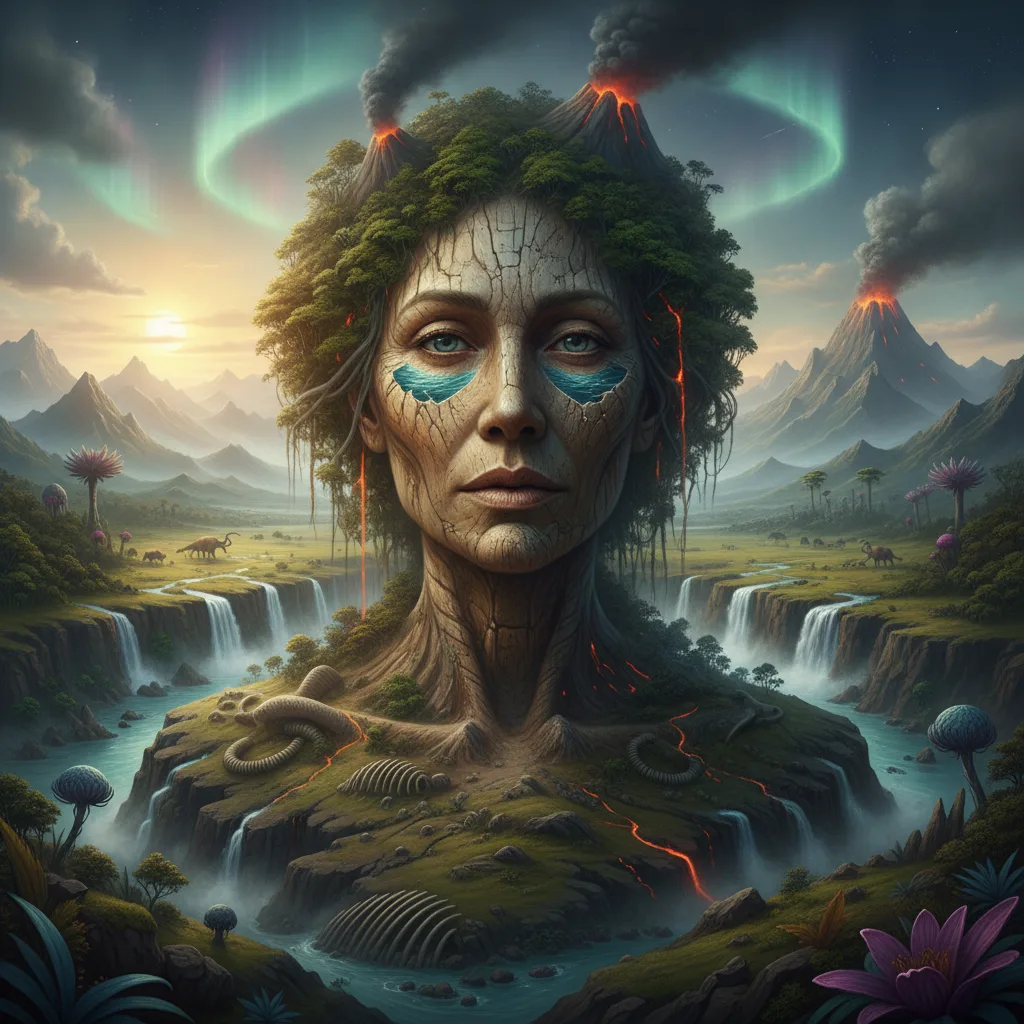
Your Brain's 2-Million-Year Secret: Nature's Hold on You
Our biology and minds are still tied to the environment that shaped us for millions of years, impacting health, thoughts, and feelings.
How ancient Earth still shapes modern minds
Modern life often feels disconnected from nature. We have built cities, invented technology, and created complex societies. We might assume our lives cut us off from the wild. However, this is not true. Our biology, minds, and even how we grow remain tied to the environment. This environment shaped us for millions of years.
Our brains still operate with basic wiring designed for natural settings. This wiring affects our health, thoughts, and feelings. It’s not just about resources. It’s about our deep need for green spaces, clean air, and the world’s natural rhythms.
Human development includes physical growth, mental abilities, emotional balance, and social structures. Nature encompasses everything from vast wilderness to city parks, and from clean water to diverse ecosystems. Understanding this lasting influence helps us live better. Our evolutionary past is not just history; it is our user guide.
Our primal blueprint: body and mind
The human brain, about 1.4 kilograms, grew over millions of years in natural settings. Our ancestors always interacted with their environment. This shaped their bodies and complex minds.
Early hominids ate many different natural foods. Clean water and varied diets directly helped their bodies grow and survive. This constant search for food also meant physical activity, which strengthened their bones and muscles.
Exposure to many microbes in nature also mattered a lot. Dr. Graham Rook, a professor of immunology at University College London, developed the “Old Friends” hypothesis. He says early contact with diverse microbes trains our immune systems well. Without this, our immune systems can go haywire. This leads to allergies and autoimmune conditions.
Nature shapes our thinking, too. Biologist E.O. Wilson proposed the Biophilia hypothesis. It says humans have a built-in drive to connect with nature and other living things. This isn’t just a preference; it’s a deep evolutionary trait.
Research backs this up: nature exposure makes us think better. Rachel and Stephen Kaplan at the University of Michigan developed Attention Restoration Theory (ART). They say natural places let our “directed attention” rest. This improves focus and problem-solving. City settings, on the other hand, constantly demand our attention, making us mentally tired.
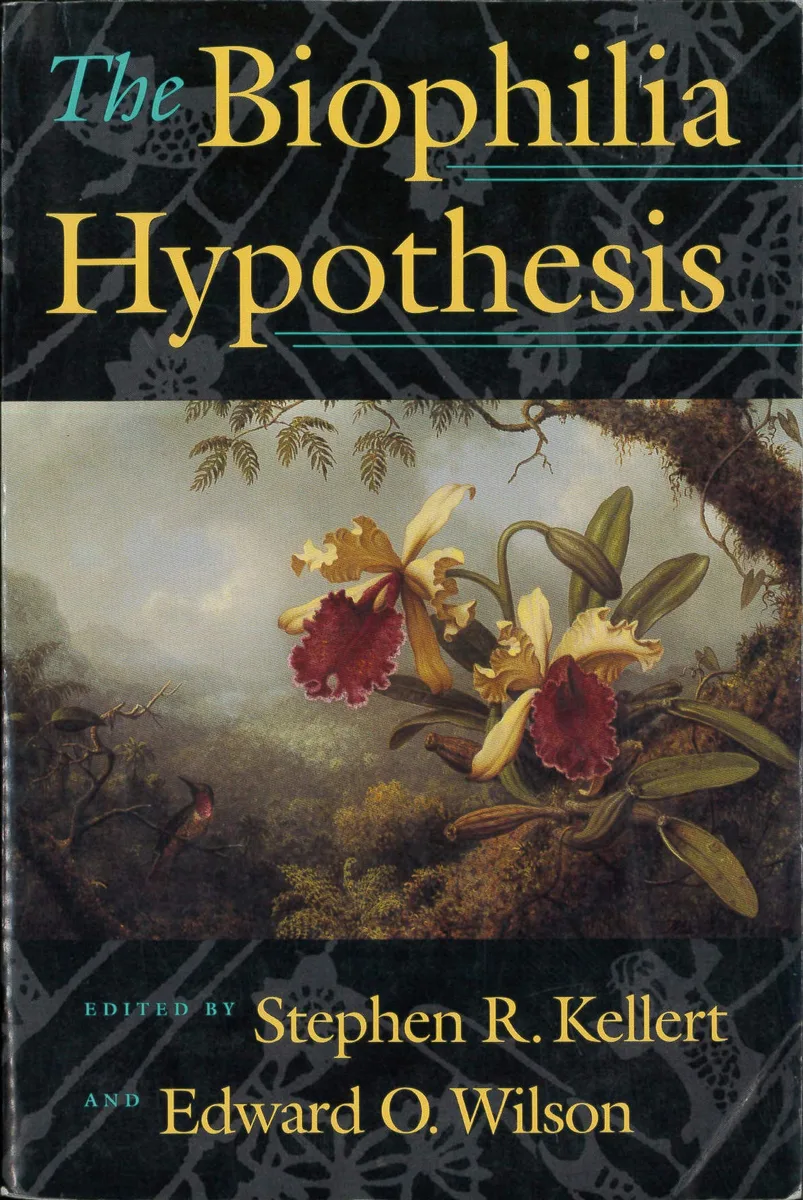
E.O. Wilson, a celebrated biologist, proposed the Biophilia hypothesis, which posits that humans possess an innate tendency to connect with nature and other living systems. His groundbreaking work highlighted the deep evolutionary roots of our bond with the natural world. (Source: amazon.com)
A 2010 study in Environmental Science & Technology found something simple. Just five minutes of “green exercise,” like a park walk, improved mood and self-esteem. Kids who play freely in nature also show more creativity and better problem-solving skills. Dr. Frances Kuo of the University of Illinois has studied these benefits a lot. Her work shows nature offers rich, varied experiences that help brains develop.
Nature’s social engineering: communities and culture
For almost 99% of human history, people lived in small groups, relying on nature. Their survival depended on knowing and working together in their environment. This basic reliance deeply shaped our social structures and cultural ways.
Shared experiences in nature build strong community bonds. Early human societies formed around hunting, gathering, and managing resources. These group activities required cooperation and social closeness. Today, community gardens or shared parks still offer chances for social interaction. They strengthen neighborhood ties. Research from the University of California, Berkeley, often shows how green spaces encourage people to connect.
Nature also sparked our earliest cultural and spiritual ideas. Many indigenous cultures held animistic beliefs. They saw natural elements like trees, rivers, and animals as sacred. These beliefs encouraged respect for the environment. They often guided sustainable practices. The Haudenosaunee (Iroquois) Confederacy, for example, created the Great Law of Peace. This system said decisions must consider the next seven generations.
Traditional Ecological Knowledge (TEK) comes from generations of watching and interacting with nature. Indigenous communities have huge knowledge about plant uses, animal behaviors, and sustainable resource management. This deep grasp of local ecosystems is key to their culture and survival. Language itself often shows this link. It has specific terms for local plants, animals, and land features. These word choices show a deep grasp of their environment.
The urban disconnect: modern life’s health costs
Over 55% of the world now lives in cities. The UN predicts this will hit 68% by 2050. This fast growth cuts many people off from daily nature. That disconnect costs us dearly in health.
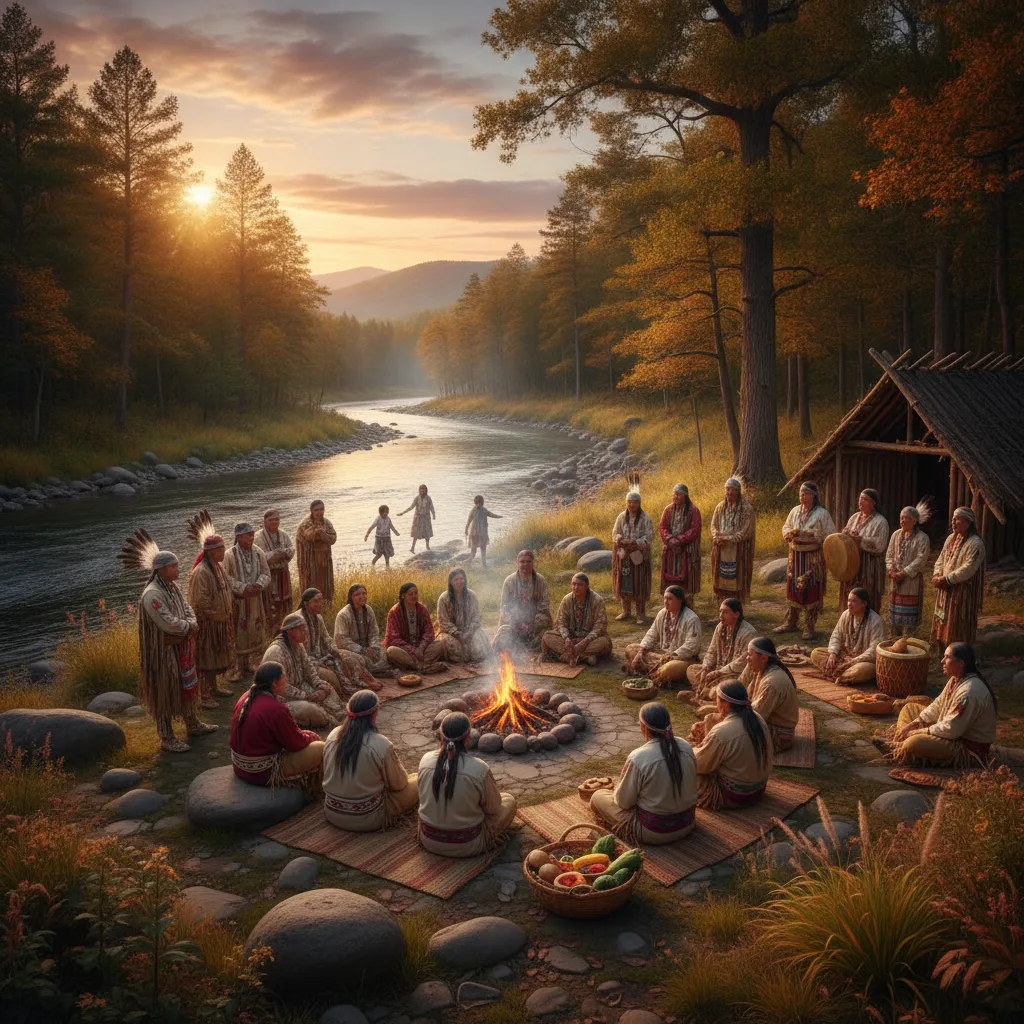
The Haudenosaunee (Iroquois) Confederacy, an alliance of Indigenous nations, developed the Great Law of Peace, a system emphasizing decisions that consider the well-being of the next seven generations, reflecting their deep, nature-inspired understanding of sustainability. (AI-generated illustration)
City dwellers feel more anxiety and depression than those in greener areas. Dr. Marc Berman, a researcher at the University of Chicago, shows that green spaces can ease these mental health issues. Cities often lack enough natural light. This can mess with our circadian rhythms, the internal clock that sets sleep, mood, and energy.
Noise pollution is another constant city stressor. Endless traffic, construction, and crowds raise stress levels. No quiet, calming natural spots make this problem worse. Our bodies and minds are still wired for a different world. It’s like trying to run old software on brand-new hardware.
Physical health also suffers from less nature time. Sedentary city living leads to more chronic diseases like obesity and heart trouble. City air quality, often bad from pollution, can cause breathing problems. Plus, limited city biodiversity means less exposure to the varied microbes we need for a strong immune system.
Richard Louv named “Nature Deficit Disorder” to describe the human price of being cut off from nature. It is not a medical diagnosis. Instead, it highlights concerns about less outdoor play and its effect on kids. This includes issues like duller senses, trouble paying attention, and more physical and emotional illnesses. Our city lives often deny us the very environmental inputs our evolution needs.
Rewilding our future: designing for nature
Singapore’s “City in a Garden” wants every resident to live within a 10-minute walk of a park. This big goal shows a growing belief. Putting nature into city design isn’t a luxury; it’s vital for human health and growth. This forward-thinking approach aims to rebuild our essential link with nature.
Biophilic design adds natural elements to buildings and city plans. This means getting lots of natural light and using indoor plants. It also means designing buildings with views of green spaces or water. Environmental psychologist Roger Ulrich’s 1984 research showed something striking. Hospital patients with a view of nature recovered faster and needed less pain medicine.
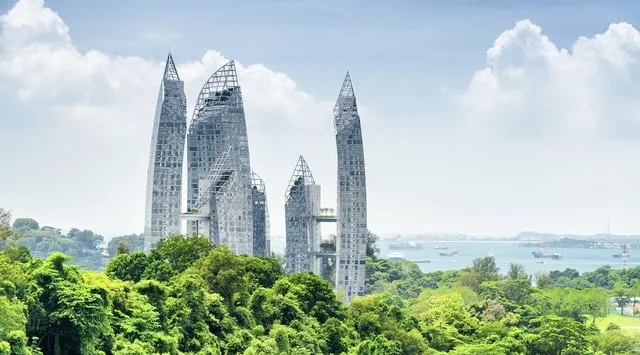
Singapore's ambitious 'City in a Garden' initiative aims for every resident to live within a 10-minute walk of a park, showcasing a global commitment to integrating nature into urban design for human well-being. (Source: reddit.com)
These design ideas go beyond single buildings. Urban greening projects change city landscapes. Melbourne’s 20 Million Trees program, for example, aims to grow more tree canopy. Such projects clean the air, cool down hot city areas, and make places better for people. They show a move towards designing cities that truly help human well-being.
Doctors are even starting to prescribe time in nature, calling them “green prescriptions.” The UK’s National Health Service (NHS) tried out these programs in 2021. They tell patients to spend time outdoors for anxiety, depression, and high blood pressure. This official nod proves nature’s healing power.
We must put nature back into our daily lives. It’s not just about saving the environment. It’s about making us healthier, smarter, and building stronger communities. Our future depends on designing cities and lives that fit our ancient wiring. We need to consciously bring the natural world back in.
FAQ
What is the Biophilia Hypothesis? E.O. Wilson proposed this idea. It says humans have a built-in, evolutionary drive to connect with nature and other living things. This link is key to our mental and physical well-being.
How does nature reduce stress? Natural places can lower cortisol, a main stress hormone, and drop blood pressure. They also offer “soft fascination.” This helps us reset our focus and lessens mental tiredness.
What is “Nature Deficit Disorder”? Richard Louv made up this term. It describes the possible bad effects on human health and growth from spending less time outside. This includes issues like duller senses and more attention problems, especially in kids.
Can urban green spaces really make a difference? Yes, absolutely. Studies show that city parks and green infrastructure can improve mental health. They also boost physical activity and make communities stick together better. Green spaces help control city temperatures and clean the air, too.
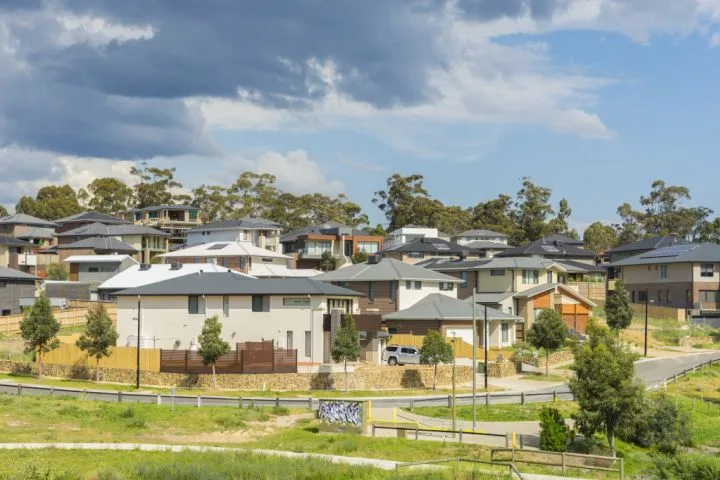
Melbourne's extensive urban greening projects, including efforts like the 20 Million Trees program, aim to dramatically increase the city's tree canopy. These initiatives are crucial for cooling urban areas, improving air quality, and enhancing the overall well-being of residents. (Source: domain.com.au)
You might also like:
👉 Why Humans Left East Africa 300,000 Years Ago
👉 Unearthing History: Famous Archaeological Discoveries & Their Impact