Pablo Escobar: Unmasking the Myth & Menace of His Unseen Empire
Explore the chilling reality of Pablo Escobar's unseen empire. Uncover how the notorious drug lord amassed unimaginable wealth, burying millions he couldn't launder. Unmask his myth and menace.
Pablo Escobar: Unmasking the Unseen Empire’s Myth and Menace
Imagine a man so wealthy, so powerful, that he could afford to buy seven Learjets, build a private zoo with hippos and giraffes, and bury millions of dollars in cash across his sprawling properties – not because he needed to hide it from authorities, but because he simply couldn’t launder it fast enough. This wasn’t the stuff of Hollywood fantasy; this was the chilling reality of Pablo Escobar’s unseen empire, a tapestry woven from myth and menace that held Colombia in its iron grip for over a decade. At TrendSeek, we delve beyond the sensational headlines to expose the true scale of his operation, the calculated illusion he projected, and the terrifying legacy he left behind.
The Illusion of Modesty: Beneath the Public Persona
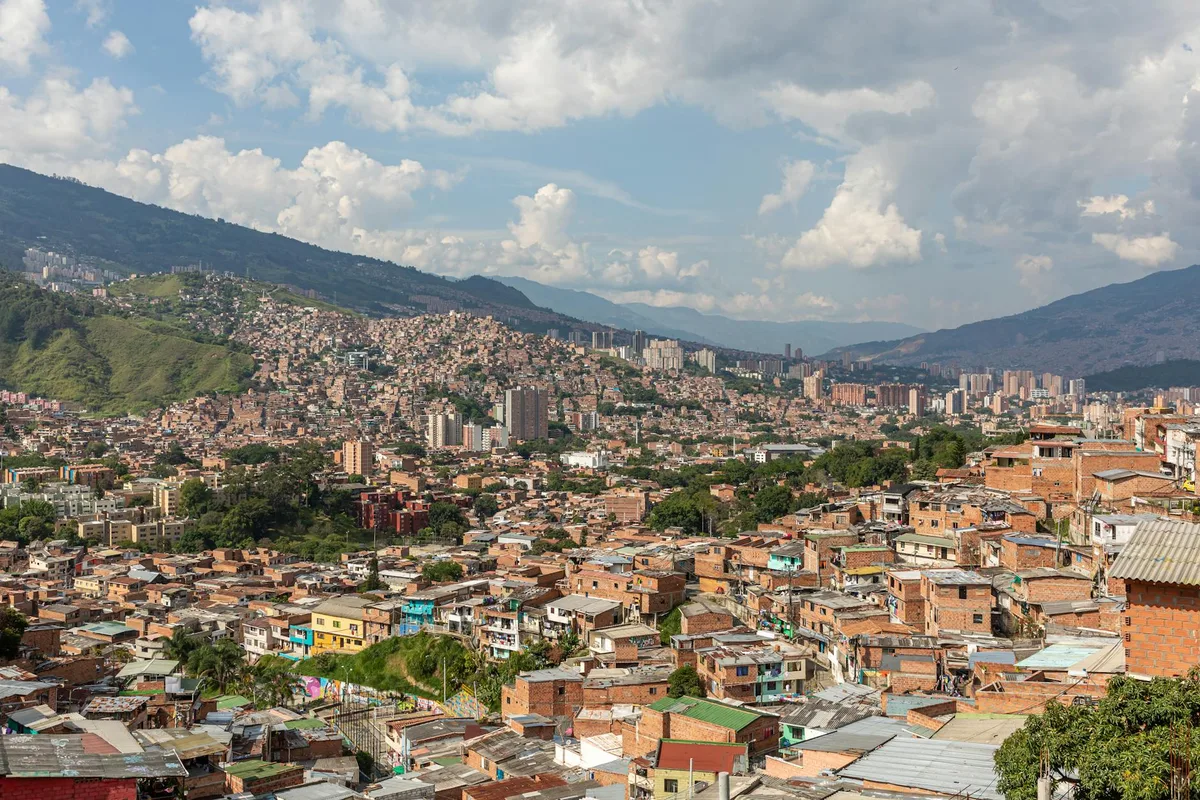 Before he became the undisputed king of cocaine, Escobar was a small-time criminal in Medellín, Colombia, involved in car theft and petty smuggling. Yet, even in those nascent years, he possessed an uncanny ability to blend into the shadows while meticulously building a network of loyalty and fear. He wasn't born into wealth; he forged it, brick by bloody brick. His public image, often cultivated through seemingly philanthropic gestures like building schools and housing for the poor in Medellín’s barrios, was a masterclass in deception. He positioned himself as a "Robin Hood," a benefactor to the downtrodden, earning him a fervent, almost cult-like following among those who benefited directly from his largesse.
This carefully constructed facade was perhaps the most insidious part of his early rise. While publicly donating to charities and even running for political office as an alternate congressman, Escobar was simultaneously orchestrating a global drug trafficking operation of unprecedented scale. His humble origins and populist rhetoric allowed him to connect with the common people, creating a protective shield of public adoration that often blinded them to the brutal reality of his true enterprise. The myth of the benevolent baron began here, laying the groundwork for an unseen empire that thrived on both genuine goodwill and absolute terror.
Narco-Architecture: The Secret Infrastructure of an Empire
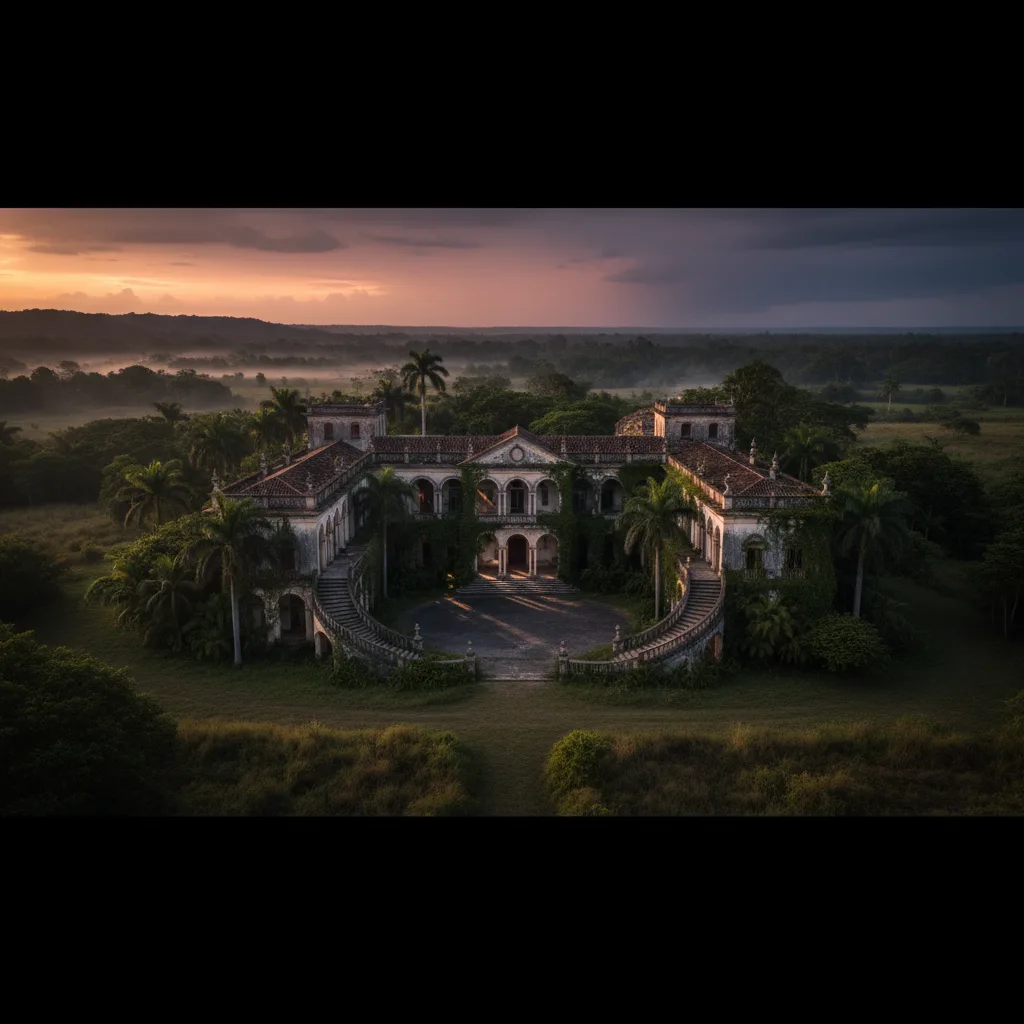
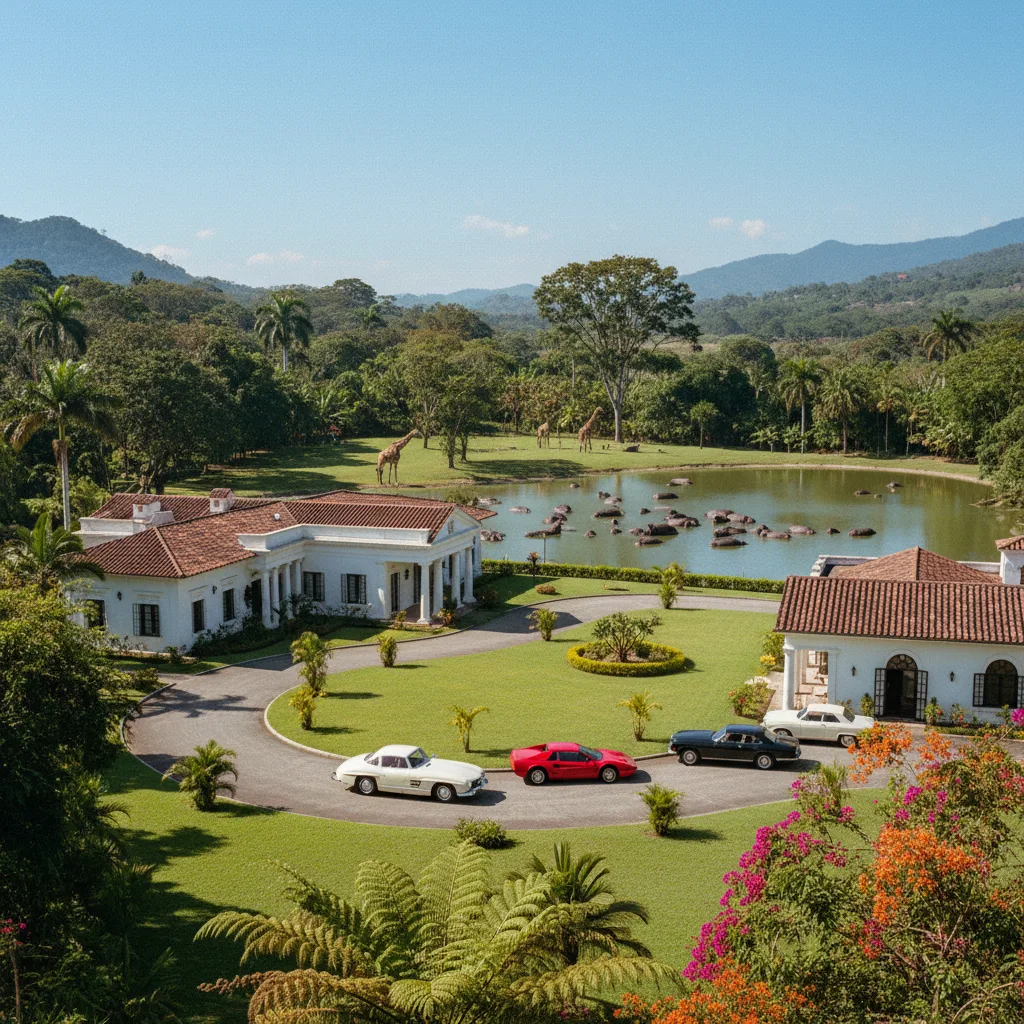
The sheer physical scale of Escobar’s operation required an infrastructure that stretched across continents, yet much of it remained hidden in plain sight or deep within the Colombian jungle. While Hacienda Nápoles, his infamous estate adorned with exotic animals and classic cars, was a visible symbol of his opulence, it represented only a fraction of his holdings. Deep in the remote Llanos Orientales, he constructed dozens of clandestine airstrips, carved out of dense rainforest, capable of handling large cargo planes laden with cocaine. These weren’t crude clearings; they were sophisticated logistical hubs, complete with fuel depots and rudimentary barracks for his army of workers.
Beyond the airstrips, a network of jungle laboratories operated around the clock, converting coca paste into pure cocaine. These labs, often camouflaged and constantly relocated, were guarded by heavily armed paramilitaries, making them virtually impenetrable to authorities. In urban centers, seemingly innocuous businesses – flower shops, taxi companies, cattle ranches – served as front operations, providing cover for money laundering and discreet meeting points. Even his personal residences were marvels of hidden design, featuring secret rooms, escape tunnels, and reinforced bunkers designed to withstand military assault. This unseen empire was not merely a collection of assets; it was a meticulously planned, self-sufficient ecosystem built for one purpose: the production and distribution of cocaine.
The Ghost Fleet and Air Force: Moving the Product Unseen
The logistics of moving tons of cocaine from remote jungle labs to the streets of Miami and New York City were a testament to Escobar’s ruthless ingenuity. His “ghost fleet” was a diverse armada: from small, fast go-fast boats skimming across the Caribbean under the cover of darkness, to sophisticated cargo ships with hidden compartments capable of carrying metric tons of product. One infamous tactic involved stuffing cocaine into the tires of private jets and even utilizing small, single-engine Cessnas, often flown by daredevil pilots, to deliver packages directly to remote landing strips in the southern United States.

But the ambition went further. Reports, though often difficult to definitively verify due to their clandestine nature, suggested the use of mini-submarines and even full-sized submarines to transport massive quantities across international waters, evading radar and patrols. These vessels, often purchased or repurposed from legitimate sources, were designed to be virtually undetectable, making them perfect for the silent, unseen transit of contraband. This intricate web of air and sea routes, constantly evolving and adapting, allowed Escobar to flood the global market, proving that his empire wasn’t just about production, but about an unparalleled mastery of global supply chains.
The Unseen Financial Web: Laundering Billions
The true scale of Escobar’s wealth remains staggering, almost mythical. At its peak, the Medellín Cartel was reportedly earning an estimated $420 million per week, making Escobar one of the richest men in the world. But how do you launder such astronomical sums of cash without attracting unwanted attention? This was the ultimate challenge for his unseen empire, and his solutions were both crude and sophisticated. Billions of dollars were simply buried in drums across his vast network of properties, often forgotten or undiscovered for decades. One anecdote tells of him burning two million dollars to keep his daughter warm while on the run.
Beyond literal burial, Escobar employed an army of accountants and financial experts to create an elaborate global network of shell corporations, front businesses, and offshore accounts. Money was funneled through seemingly legitimate enterprises: cattle ranches, real estate developments, import-export companies, and even professional soccer teams. The sheer volume of cash was so immense that, even with these intricate schemes, Escobar reportedly had to “write off” 10% of his profits each year just due to spoilage from humidity, rats, and unrecoverable stashes. This financial labyrinth, largely invisible to authorities for years, allowed the Pablo Escobar unseen empire to thrive, transforming dirty cash into a seemingly legitimate economic force.
The Myth of the Benevolent Baron: Unveiling the True Menace
While Escobar cultivated his “Robin Hood” myth, the reality of his reign was one of unspeakable brutality and terror. The benevolent baron was a thin veil over a ruthless killer. His preferred method of control was “plata o plomo” – “silver or lead” – offering bribes to those who would cooperate and death to those who wouldn’t. This wasn’t merely a threat; it was a promise backed by an unparalleled wave of violence that plunged Colombia into chaos. Judges, journalists, police chiefs, and presidential candidates who dared to oppose him were systematically assassinated.
 The Avianca Flight 203 bombing in 1989, which killed 107 innocent people, was a chilling example of his indiscriminate violence, aimed at assassinating a presidential candidate, César Gaviria, who wasn't even on board. The bombing of the DAS (Administrative Department of Security) building in Bogotá, killing 63 and injuring hundreds, further solidified his image as a national menace. These acts, along with countless other murders and kidnappings, shattered the illusion of a benevolent figure and exposed the true face of the man behind the myth: a megalomaniac who would stop at nothing to protect his empire and evade justice.
The Unseen Empire’s Grip: Corruption and Control
The reach of Pablo Escobar’s unseen empire extended far beyond physical infrastructure and financial networks; it permeated the very fabric of Colombian society. His “plata o plomo” strategy corrupted institutions from the ground up. Police officers, military personnel, judges, and politicians were either bought or intimidated into complicity. Entire police forces in certain regions were effectively on his payroll, providing intelligence, turning a blind eye to his operations, or actively participating in his crimes. This systemic corruption eroded public trust in government and law enforcement, creating a vacuum that Escobar was all too eager to fill.
The political landscape of Colombia was utterly destabilized by his influence. His relentless campaign against extradition to the United States led to an undeclared war against the state, forcing successive governments into impossible positions. The long-term consequences of this institutional damage are still felt today, as Colombia continues to grapple with the legacy of corruption and violence sown during Escobar’s reign. The true menace of his empire lay not just in the drugs he trafficked or the lives he took, but in the profound and lasting damage he inflicted on the democratic foundations of a nation.
Conclusion
Pablo Escobar’s story is a profound cautionary tale, revealing the dual nature of an empire built on both calculated myth and devastating menace. From his cunning cultivation of a “Robin Hood” persona to the sophisticated, often invisible, infrastructure of his drug operation, he demonstrated a terrifying genius. His unseen empire, fueled by unimaginable wealth and protected by ruthless violence, left an indelible scar on Colombia, corrupting its institutions and shattering countless lives. While the man himself met a violent end in 1993, the lessons from his reign – about the seductive power of myth, the insidious nature of corruption, and the enduring menace of unchecked ambition – continue to resonate, reminding us that some shadows cast a very long, dark legacy.
You might also like:
👉 Pablo Escobar’s Unseen Empire: Myth, Menace & Narco-State Legacy
👉 Biggest Unsolved Crimes in US History: Mysteries That Endure
👉 History of Secret Societies: Unveiling Their Hidden Influence