Smart Gardens & Alexa: The 'Zero Fuss' Myth Debunked
Despite promises of zero fuss, smart garden systems linked to Amazon Alexa demand more hands-on work. Uncover the reality of automation.
Smart Gardens Are Not Truly Automatic
Smart garden systems, often linked with home assistants, promise perfect produce with zero fuss. This is the marketing message. In reality, these systems require more hands-on work.
Smart garden systems developed from two major trends. More people wanted to grow food in cities and indoors. At the same time, smart home devices and voice assistants like Amazon Alexa or Google Assistant became common. These systems now automate plant care at home. This applies whether plants grow in water (hydroponics) or soil. They help city residents or busy people get fresh food without traditional gardening effort.
The basic setup includes sensors, automated delivery, and remote control. Devices monitor soil moisture, light, and nutrient levels. They then trigger actions like watering or turning on LED grow lights. A home assistant provides a voice interface. Users can check status or give commands. However, the level of automation and control varies greatly by product.
The Appeal of Smart Gardens
The smart gardening market is growing quickly. A 2023 report by Market Research Future predicts the global market will reach $400 million by 2032. This growth shows consumer excitement for automated plant care. Companies like AeroGarden and Click & Grow led the way. They offer small indoor hydroponic systems. These systems manage light cycles and deliver nutrients for herbs and vegetables.
These systems genuinely help gardeners. They remove the guesswork of watering, which often kills houseplants. For example, the AeroGarden Bounty Elite automatically cycles its LED grow lights. It also pumps nutrient-rich water to roots on a set schedule. Outdoor controllers, such as the Rachio 3 Smart Sprinkler Controller, use local weather data. This allows them to adjust watering and prevent overwatering when it rains. These features truly reduce daily garden chores.
Smart garden technology also improves growing conditions. Many systems use exact timers and specific light spectrums. This helps plants grow faster than they would with natural indoor sunlight. For urban gardeners with limited space, compact vertical farms like Gardyn offer large yields. They fit into small apartments and use technology to maximize growth. These benefits are a real step forward for many new growers.
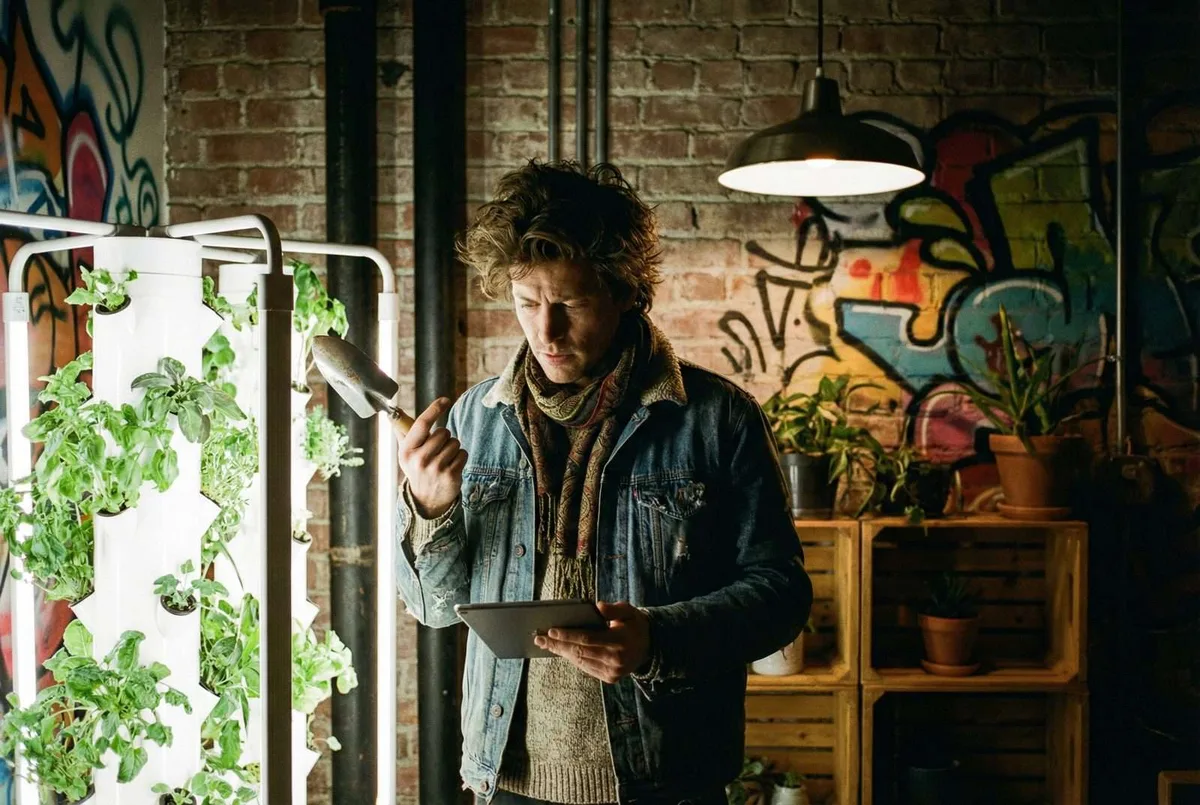
Gardyn systems exemplify advanced smart gardening, allowing urban residents to grow a wide variety of produce in a small footprint. These hydroponic vertical farms use integrated technology to maximize yields and simplify plant care, fitting seamlessly into modern apartments. (Source: greenerpods.com)
Smart Gardens Still Need You
Despite automation, smart garden systems are not truly “set it and forget it.” They still require regular manual checks. This goes against the common idea of growing food with no effort. For instance, indoor hydroponic systems, like those from Click & Grow, need regular water and nutrient changes. Their manual states that users must replace pods every 2-3 months. This is a hands-on task, not an automatic one.
Sensors are important, but they are not perfect. Soil moisture probes, such as the Edyn Garden Sensor, can get dirty with soil. This causes them to give incorrect readings over time. You must clean and calibrate them yourself for them to stay accurate. Without this care, automated watering can fail. This leads to underwatering or root rot, which harms plants.
Pest control also remains a human job. Smart systems do not stop aphids, spider mites, or fungus gnats. Even an advanced Gardyn system requires daily visual checks. If pests appear, you must remove or treat them by hand. Dr. Bruce Bugbee, a horticulture professor at Utah State University, notes that plant biology is complex. No technology completely removes the need for human observation and action. Good gardening, whether smart or not, still needs a gardener.
Home Assistants Offer Limited Control
The idea of controlling your entire garden with one voice command is too simple. Many smart garden devices work within separate systems. Getting different brands to communicate with each other is a common problem. For example, linking a specialized controller like GroLab to Google Assistant often requires complex third-party tools. These tools might use services like IFTTT, which can experience delays or disconnects.
Voice commands are useful for simple tasks. However, their functions are often limited. You can usually say, “Alexa, turn on the grow light.” But asking something specific, such as “What’s the pH of the tomato water?” rarely works directly. A 2023 Gartner report highlighted ongoing problems with smart home device compatibility. It stated that smooth, cross-platform control is a future goal, not a current reality. This means you often need to switch between several apps.
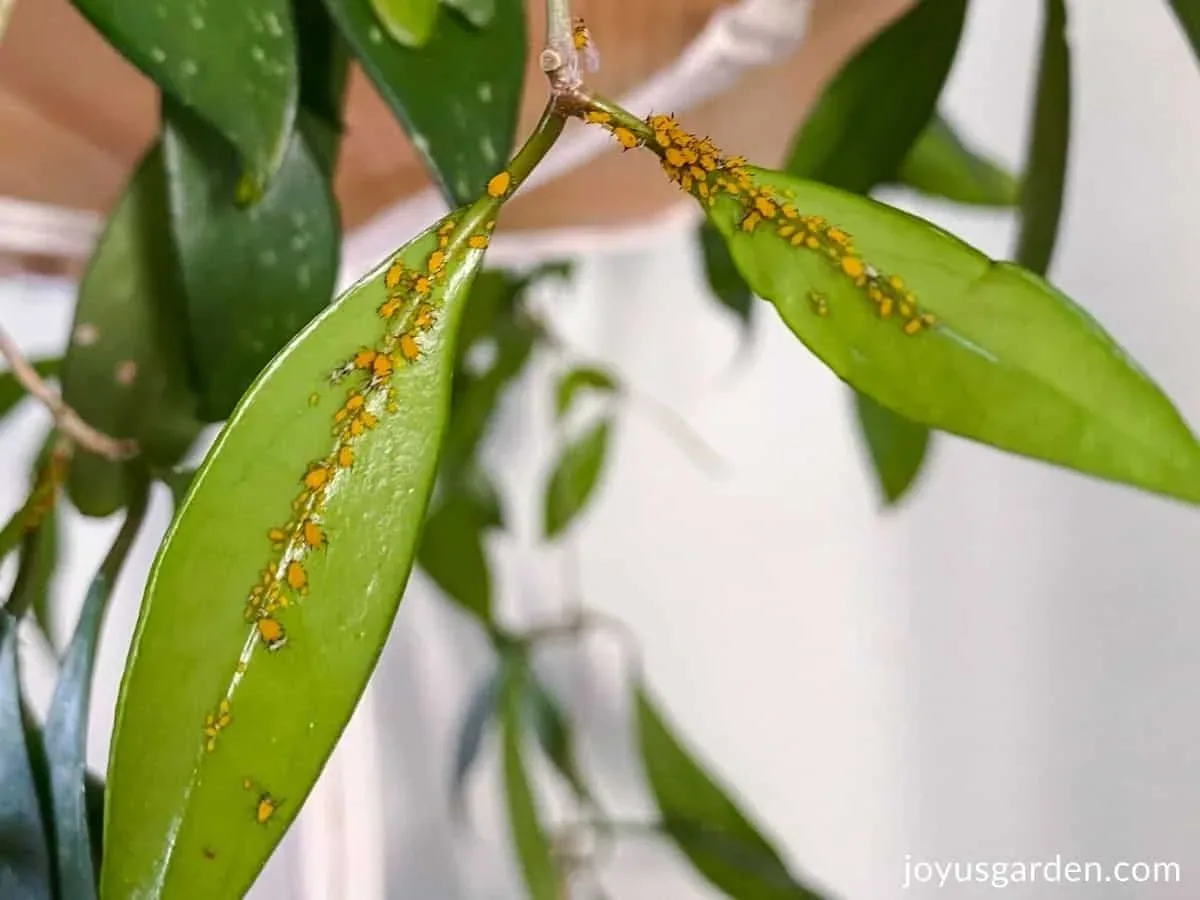
Aphids are common garden pests that smart garden systems, despite their automation, cannot prevent or eliminate. These tiny insects reproduce rapidly and can quickly damage plants, requiring manual inspection and treatment by a human gardener. (Source: joyusgarden.com)
You also rely on a strong home network, which can cause issues. A lost Wi-Fi signal or power outage can disrupt automated schedules. This means you have to manually reset devices or restart watering. The promise of a seamless smart home often overlooks these real-world weak points. Home assistants act more like remote controls for individual devices. They are not yet smart garden managers making complex decisions.
The True Cost of Smart Gardens
Buying a smart garden system can involve a large initial expense. A good indoor hydroponic unit might cost $200-$400. Buyers often think this is the main cost. However, people frequently underestimate the long-term running expenses. These ongoing costs significantly affect the system’s overall value.
Consumables are a major hidden cost. Systems like Click & Grow use their own plant pods and nutrient capsules. A three-pack of pods typically costs $10-$15. You need to replace these often. These small purchases add up quickly over a year. Replacement LED grow lights, essential for indoor setups, also increase expenses. These costs can quickly cancel out any savings you expected from growing your own food.
Energy use is another important factor, especially for indoor setups. Grow lights, pumps, and fans operate many hours a day. A 2022 study by Lawrence Berkeley National Laboratory found high energy use in indoor agriculture. While commercial farms are larger, the same principle applies to home systems. This leads to higher electricity bills for users. The environmental impact of these systems, mainly from energy use, also forms part of their true cost.
What to Really Expect
When viewed realistically, smart garden systems are powerful tools. They genuinely help with specific gardening challenges. For people with disabilities, they can make gardening possible. For busy city professionals, they offer a way to get fresh produce without a huge time commitment. A Rachio controller, for example, expertly manages watering in dry areas. It uses real-time weather data to save water. This technology truly solves real problems.
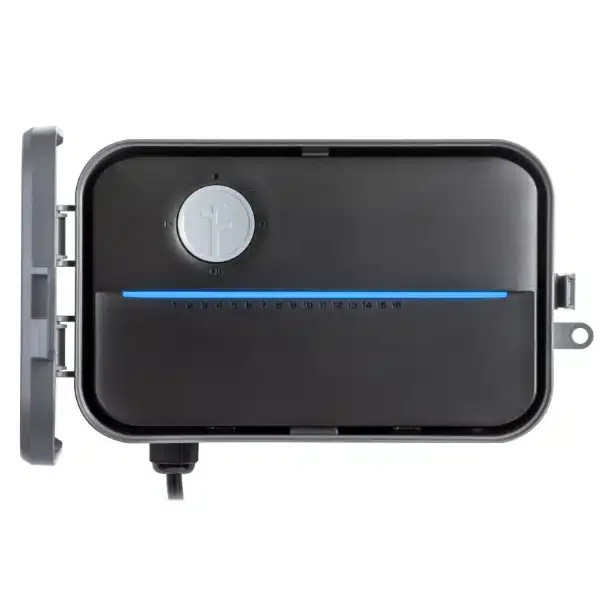
The Rachio controller is a smart irrigation system that uses real-time weather data to optimize watering schedules, helping users save water and maintain healthy landscapes. It exemplifies how smart garden technology can solve practical problems, particularly in dry regions. (Source: backyardlandscapesupply.com)
However, these systems do not replace human involvement or gardening knowledge. They take over repetitive tasks like watering or light timing. Yet, they introduce new tasks: cleaning sensors, refilling nutrients, and checking for pests. Success still depends on understanding what your plants need. It also requires knowing what the system cannot do. The “smart” part assists you in growing, but it does not do it for you.
Smart garden systems, especially with home assistants, change what it means to be a gardener. You spend less time on manual labor. Instead, you spend more time observing and managing technology. These systems do not remove the gardener from gardening. Rather, they require a new set of skills. This means troubleshooting tech issues and caring for plants. Ultimately, these systems are clever tools. But they still need smart human oversight to truly thrive.
FAQ
What is the main benefit of a smart garden? Smart gardens primarily automate routine tasks like watering and lighting. This reduces manual effort and guesswork for home gardeners. They also improve growing conditions for healthier plants.
Are smart gardens truly “set it and forget it”? No, smart gardens are not truly “set it and forget it.” They still require manual tasks. These include refilling nutrients, cleaning sensors, and checking for pests. They simply ask for a different type of human involvement.
Do smart gardens need a home assistant? Many smart garden devices work independently through their own apps. However, linking them with a home assistant like Alexa or Google Assistant provides voice control and central management for easier use.
What is the biggest hidden cost? The biggest hidden cost is often the ongoing expense of consumables. These include nutrient pods, replacement grow lights, and plant media, which add up over time. Energy use for lights and pumps also increases costs.
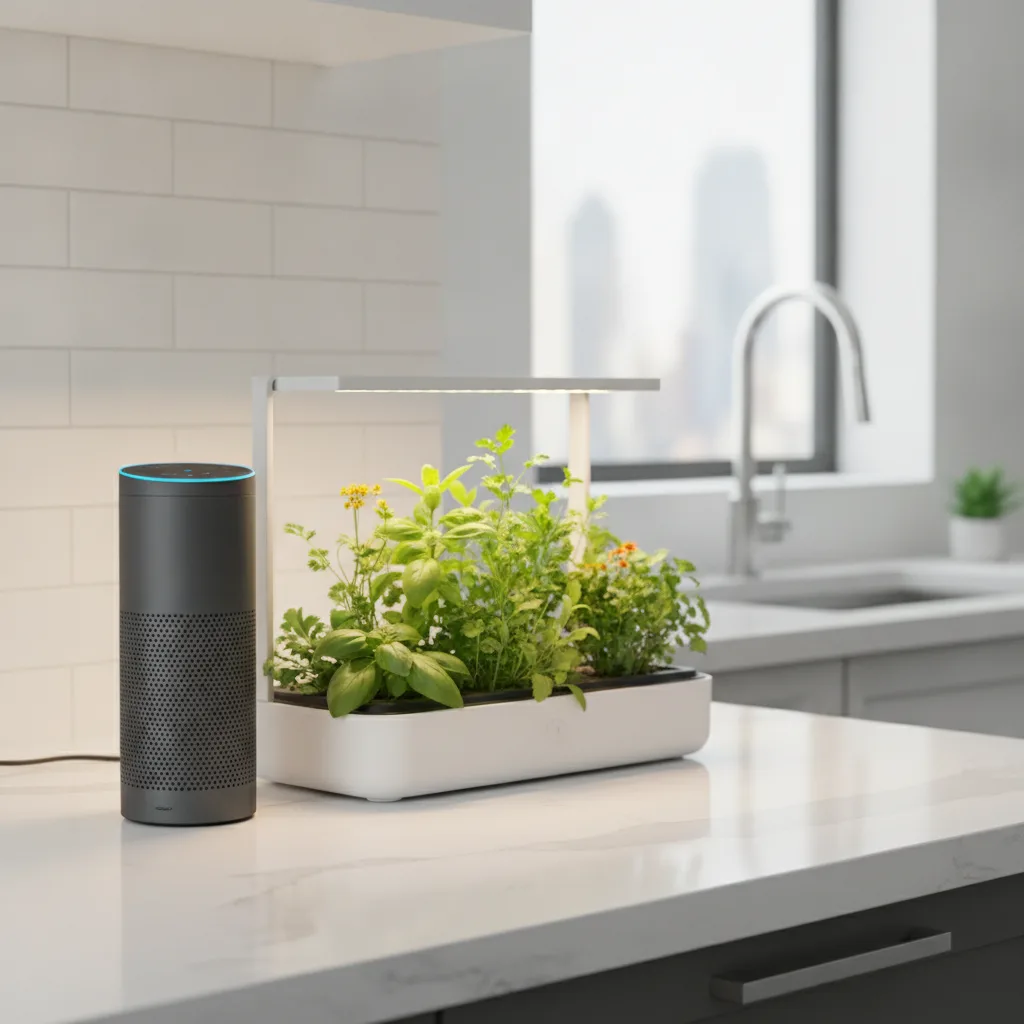
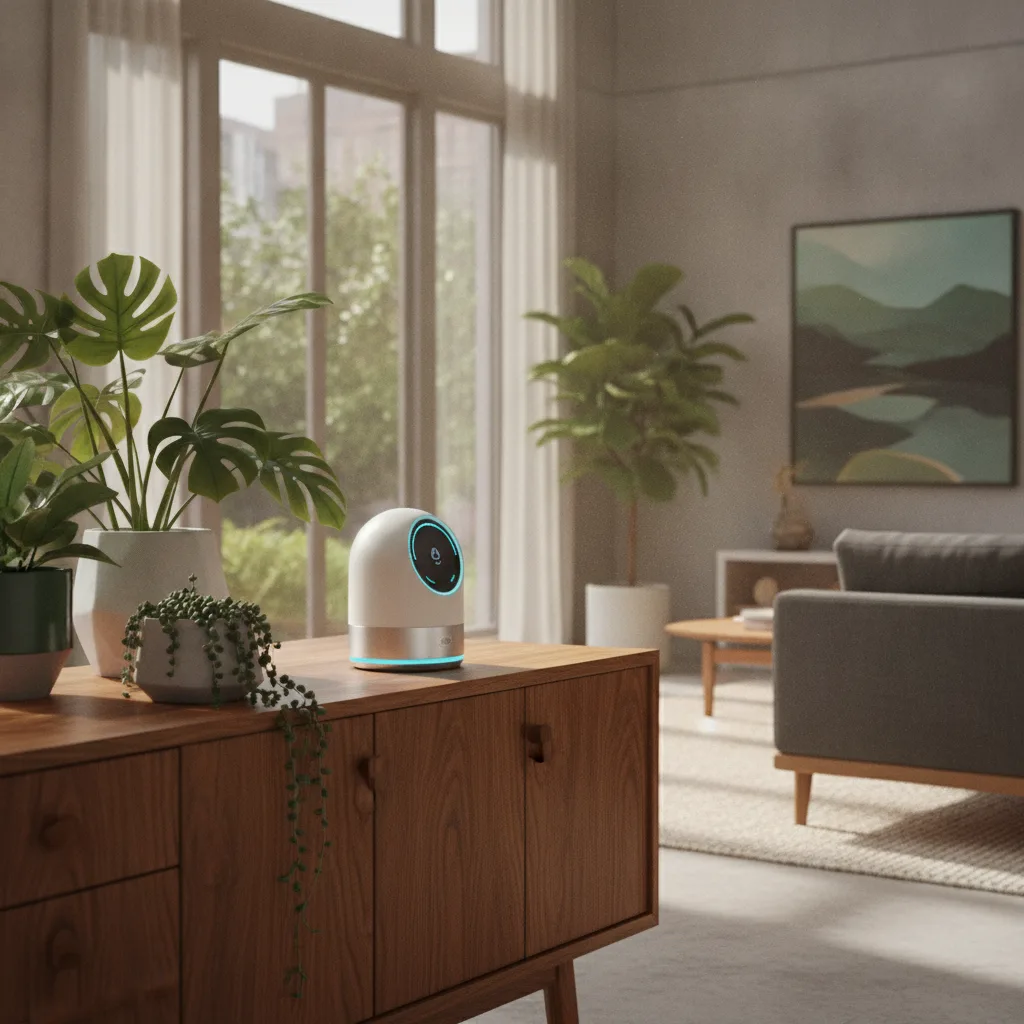
Amazon Alexa, a popular voice assistant, can integrate with smart garden systems to offer hands-free control over watering schedules and lighting, streamlining garden management and making it easier to monitor plant health. (AI-generated illustration)
You might also like:
👉 Unplugging for $800 Billion: The 2023 Digital Detox Boom
👉 2018 WHO Warning: Does Social Media Addiction Blur Your Vision?