2018 WHO Warning: Does Social Media Addiction Blur Your Vision?
The WHO declared 'gaming disorder' an addiction in 2018. See how this impacts the debate on social media's specific effects on visual processing, beyond just screen time.
Beyond blurry screens: social media’s impact on how we see
The World Health Organization (WHO) called “gaming disorder” an addiction in 2018. This made people worry about other digital habits, like social media. Many now believe too much social media simply ruins our eyesight. But that idea misses a key point. It mixes up general screen time issues with the specific ways addiction changes our brains. We need to be precise, not just make big assumptions.
Visual processing is how our brains make sense of what our eyes see. This includes recognizing faces, tracking movement, seeing depth, and focusing attention. Social media addiction isn’t in the DSM-5 yet, but it means using social media compulsively. This happens even with bad results, withdrawal, and constant thoughts about it. Experts like Dr. Kimberly Young, who founded the Center for Internet Addiction, have studied these behaviors for years. So, does this kind of addiction truly change how we see and understand the world?
Screen time vs. addiction: different effects
Digital screens can affect vision. For example, a 2018 study in Ophthalmology found a big rise in nearsightedness (myopia) among children worldwide. This rise linked to more screen time and less time outside. The American Academy of Ophthalmology often points out risks like digital eye strain. Symptoms include dry eyes, headaches, and blurry vision. These are real physical reactions to staring at screens too long.
This common view correctly names physical discomfort and vision changes. But it doesn’t explain how social media addiction alters our visual processing. Myopia comes from focusing on close-up work, not necessarily from addiction’s reward cycle. Digital eye strain is a physical problem, not a direct effect on the brain’s visual understanding. Blaming all screen-related vision issues on “addiction” makes the science too simple.
The brain’s visual center doesn’t usually “break down” from addiction like it would from a physical injury. Instead, behavioral addictions often reshape brain connections. They affect where we focus and what we prioritize. The real task is telling general screen effects apart from the specific changes addiction causes. We need to look past just screen time to grasp how compulsive use might truly change how we see.

Dr. Kimberly Young, founder of the Center for Internet Addiction, is a pioneering expert who has studied compulsive digital behaviors for decades, helping to define the field of internet addiction research. (AI-generated illustration)
The brain adapts visually, it doesn’t degrade
The brain adapts visually to its environment. When someone uses social media compulsively, their visual system adjusts itself rather than breaking down. Take saccadic eye movements, for example. These are the quick, jerky shifts our eyes make when we move our focus.
A 2016 study in PLOS ONE by UC San Diego researchers found heavy internet users processed information faster. This wasn’t specific to social media addiction. But it does suggest the brain gets very good at scanning and pulling info from busy digital screens. Cognitive neuroscientist Dr. Daphne Bavelier has studied how action video games can improve visual attention and contrast sensitivity. Her work suggests certain digital tasks can boost some visual skills, not reduce them.
This adjustment isn’t good for everything. It often brings trade-offs. The brain might get very good at quickly processing small, new visual bits. But this could make it harder to focus deeply on complex, real-world scenes for long periods. It’s a shift in what the brain cares about, not a general vision problem.
Dopamine, attention, and visual prioritization
Social media addiction taps into strong reward systems in the brain. Every like, comment, or notification releases dopamine. Dopamine plays a key role in attention and motivation. Dr. Anna Lembke, a Stanford psychiatrist, explains how constant dopamine can reset our reward expectations. This changes how we see and prioritize things around us.
When the brain constantly chases dopamine from screen visuals, it strengthens certain ways we pay attention. A 2019 Cambridge review showed how digital media can rewire our attention systems. The visual system gets very good at spotting and reacting to social media cues. This means the brain focuses on new content or notifications instead of other visual input.
This isn’t about not seeing. It’s about what the brain chooses to focus on. Visual processing resources go to the most rewarding things. This can mean less awareness of things around us or less focus on real-world details. The addictive loop trains our visual system to prefer digital engagement, not just sharp vision overall.
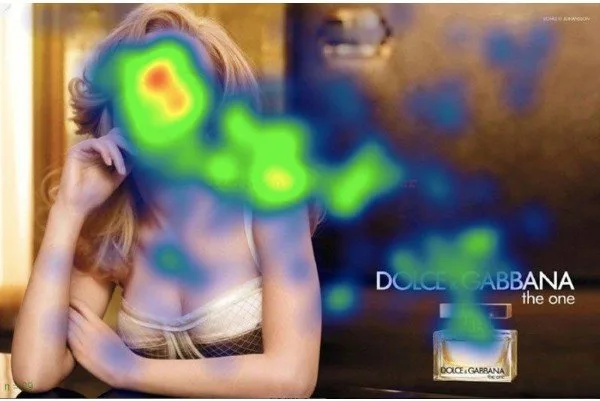
Saccadic eye movements are the rapid, jerky shifts our eyes make to quickly scan and focus on different points. Research suggests that heavy digital users can develop highly efficient saccadic movements, adapting their visual system to quickly process information from busy screens. (Source: vwo.com)
Content specificity shapes visual demands
The broad term “social media” often hides important differences in how platforms use our visual system. A TikTok feed, with its rapid-fire, short videos, needs different visual skills. An Instagram feed, full of static images, or a text-heavy Reddit forum demand other skills. Different content types encourage different visual approaches and attention habits.
A 2020 study in Nature Communications looked at how people visually engaged with TikTok’s short videos. Researchers saw users scroll fast, looking at content only briefly before wanting something new. This trains the visual system for quick judgment and a search for newness. Platforms with more static images or longer text posts might lead to different visual processing. However, these are still screen-based.
So, visual processing isn’t affected the same way across the board. It depends on the specific visual demands of the content someone compulsively uses. An addiction to short videos might improve quick visual scanning. An addiction to image-browsing might sharpen the ability to spot certain visual patterns or styles. These specialized adaptations are much more complex than simple “damage.”
FAQ
Does social media addiction cause permanent eye damage? No, social media addiction doesn’t directly cause permanent eye damage. Conditions like myopia or digital eye strain link to prolonged near-work and screen exposure, not addiction itself. These are often reversible or manageable with breaks and proper eye care.
Can social media addiction make me less observant in the real world? Potentially. Social media addiction can make your brain care more about digital things. This might make you less likely to notice small details or things around you in your physical environment. It’s a shift in focus, not a loss of visual ability.
Are there any positive visual processing changes from social media use? Some studies suggest a lot of digital use can boost certain visual skills. These include rapid visual scanning or identifying patterns quickly. The brain adapts to the needs of fast online worlds. These changes are often specialized, not universal improvements.

A TikTok feed, characterized by its rapid-fire, short videos, encourages users to scroll quickly and make swift judgments. This constant search for new content trains the visual system for rapid scanning and quick decision-making, as highlighted in a 2020 study. (Source: vecteezy.com)
How is social media addiction different from general screen time when it comes to vision? General screen time causes physical eye strain and vision changes like myopia. Social media addiction changes visual processing by taking over attention and reward systems. This trains the brain to compulsively focus on and hunt for digital visual cues.
Rethinking visual adaptation
The idea that social media addiction just “damages” visual processing is too simple. The evidence points to a more complex story of adaptation and adjustment. Our visual systems, thanks to the brain’s adaptability and dopamine-driven rewards, become very good at handling digital worlds. This means faster visual scanning, sharper attention to specific online cues, and a focus on new digital things.
These adaptations come with trade-offs. We might become skilled at processing rapid digital content. However, this can mean less sustained, deep visual attention for non-digital tasks. Future research needs to go beyond general claims. We need precise studies that pinpoint the effects of compulsive social media use on specific visual processing skills. This will show the real, complex connection between our digital habits and how we see the world.
Myopia, commonly known as nearsightedness, is a vision condition where close objects are seen clearly, but distant objects appear blurry. It's a widespread issue often associated with increased screen time and can be corrected with glasses, contact lenses, or surgery. (Source: vistareye.com)
You might also like:
👉 WHO 2019: 1 in 8 Global Mental Disorder. Is it a crisis?