SpaceX's 300+ Missions: The Falcon 9 Revolution Since 2008
SpaceX has flown over 300 orbital missions since 2008, completely changing spaceflight economics with reusable rockets like the Falcon 9.
SpaceX changed space travel forever
SpaceX has flown over 300 orbital missions since 2008. The company completely changed the economics and access of spaceflight. Its reusable rocket technology, mainly the Falcon 9, set new standards. Now, launches are frequent and much cheaper. This innovation allows for many satellite deployments and human space travel. It’s a huge shift from old government-only models.
Elon Musk founded Space Exploration Technologies Corp., or SpaceX, in 2002. His goal: slash space transportation costs and colonize Mars. The company designs and builds its rockets in Hawthorne, California. Launches happen mostly from Cape Canaveral, Florida, and Vandenberg Space Force Base, California. Starship development and testing take place at Starbase in Boca Chica, Texas.
Before SpaceX, space launches relied almost entirely on expendable rockets. These rockets were destroyed after each flight. This made space access incredibly expensive. Only government agencies or big groups like NASA and the European Space Agency could afford most orbital missions. SpaceX wanted to change this model with its reusable rocket designs.
The company started with the Falcon 1 rocket. It reached orbit in 2008 on its fourth try. This small rocket proved SpaceX could build and fly orbital vehicles. It paved the way for the much stronger Falcon 9.
Falcon 9 & Dragon: Cargo, Crew, and a new era
SpaceX’s Falcon 9 rocket first flew successfully in June 2010. This two-stage rocket uses Merlin engines. It was built from day one to be reusable. Landing and reusing its first stage booster significantly lowers launch costs. A 2023 Government Accountability Office (GAO) report showed big savings for government payloads using reusable rockets.
The first Falcon 9 booster landed successfully on December 21, 2015. It touched down at Cape Canaveral Air Force Station. This was a major achievement for rocket reusability. Soon, landings became routine. Boosters landed both on land and on autonomous drone ships. SpaceX has now achieved hundreds of successful booster landings.
The Falcon 9 carries two main payloads: the Dragon cargo spacecraft and the Crew Dragon capsule. The Dragon cargo vehicle began resupplying the International Space Station (ISS) in 2012. It flies under NASA’s Commercial Resupply Services program. Dragon delivers essential supplies and scientific experiments. NASA Administrator Bill Nelson has praised these missions’ reliability.
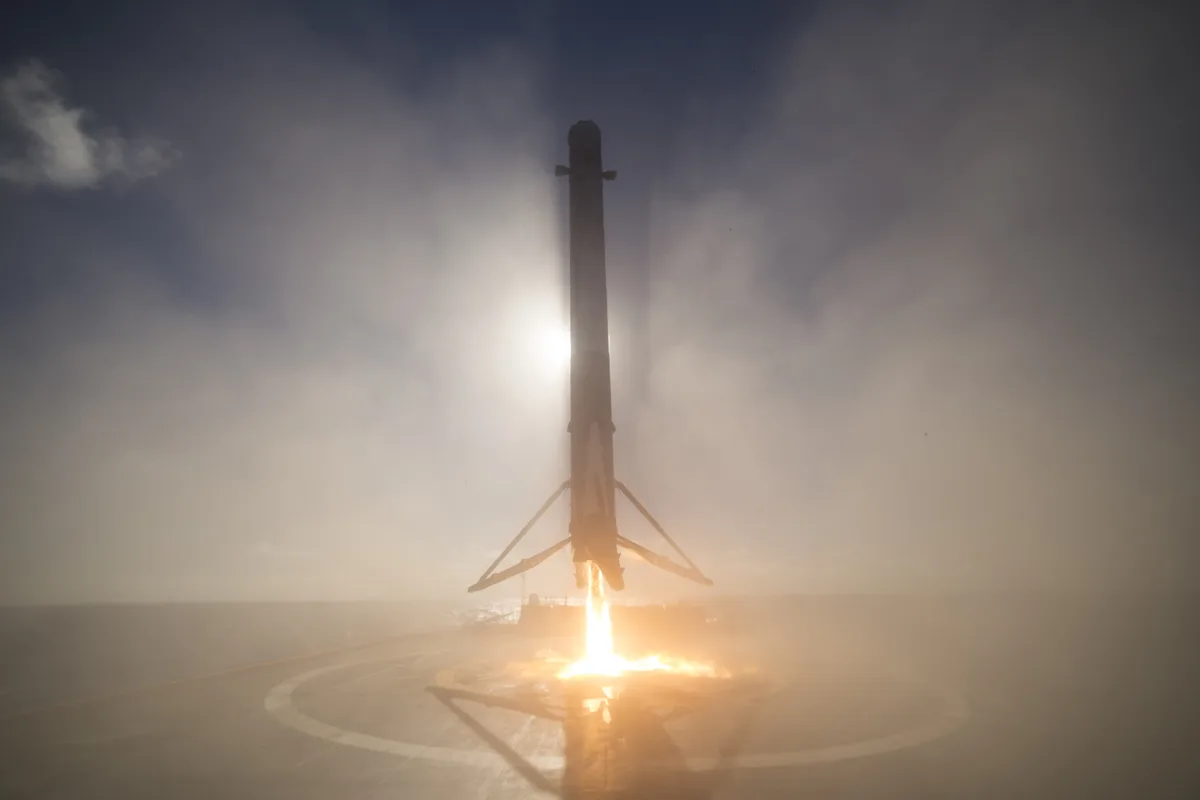
The first successful landing of a Falcon 9 booster on December 21, 2015, at Cape Canaveral Air Force Station, marked a pivotal moment for reusable rocket technology, drastically reducing space launch costs. This achievement paved the way for hundreds of subsequent successful landings, both on land and at sea. (Source: space.com)
Crew Dragon launched its first human mission, Demo-2, on May 30, 2020. Astronauts Robert Behnken and Douglas Hurley flew to the ISS. This mission brought human spaceflight capabilities back to the U.S. after a nine-year break. NASA certifies the Crew Dragon system for regular crew transport. It has since flown many operational missions, carrying astronauts from various nations.
SpaceX also operates the Falcon Heavy rocket. It is the world’s most powerful operational rocket. Falcon Heavy uses three Falcon 9 first stages strapped together. Its first flight was in February 2018. It can lift heavier payloads to orbit than any other rocket in service. The U.S. Space Force uses Falcon Heavy for national security missions.
Starlink: Internet from orbit
SpaceX’s Starlink project aims to provide global internet coverage from space. This means deploying many small satellites in low Earth orbit (LEO). Each Falcon 9 launch can deploy dozens of Starlink satellites. The company began launching Starlink satellites in May 2019.
Thousands of Starlink satellites now orbit Earth. These satellites talk to ground transceivers. The system offers fast, low-latency internet access. It’s especially useful in remote or underserved areas. Gwynne Shotwell, SpaceX President and COO, stated in 2023 that Starlink serves over two million subscribers worldwide. Its service has been vital in disaster relief and conflict zones.
Rapid Starlink deployment sparked talks about orbital debris and light pollution. Astronomical groups have worried about how visible these satellites are. SpaceX has added dark coatings and sunshades to reduce these effects. The company keeps improving its satellite designs.
Starlink represents a big change in satellite communication. Traditional internet satellites orbit much higher, in geostationary orbit, and there are fewer of them. Starlink’s LEO constellation offers faster response times and more bandwidth. This model has inspired other companies to try similar satellite internet ventures.
SpaceX also launches satellites for outside commercial and government clients. Dedicated rideshare missions let multiple customers share a single Falcon 9 launch. This lowers individual launch costs even more. These missions give many different payloads access to space. They support scientific research and technological development worldwide.
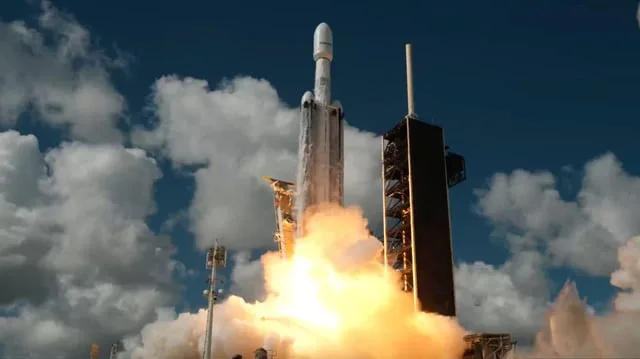
The SpaceX Falcon Heavy is the world's most powerful operational rocket, distinguished by its unique design of three Falcon 9 first stages strapped together. It made its inaugural flight in February 2018, capable of lifting the heaviest payloads to orbit. (Source: reddit.com)
Starship: To the Moon, Mars, and beyond
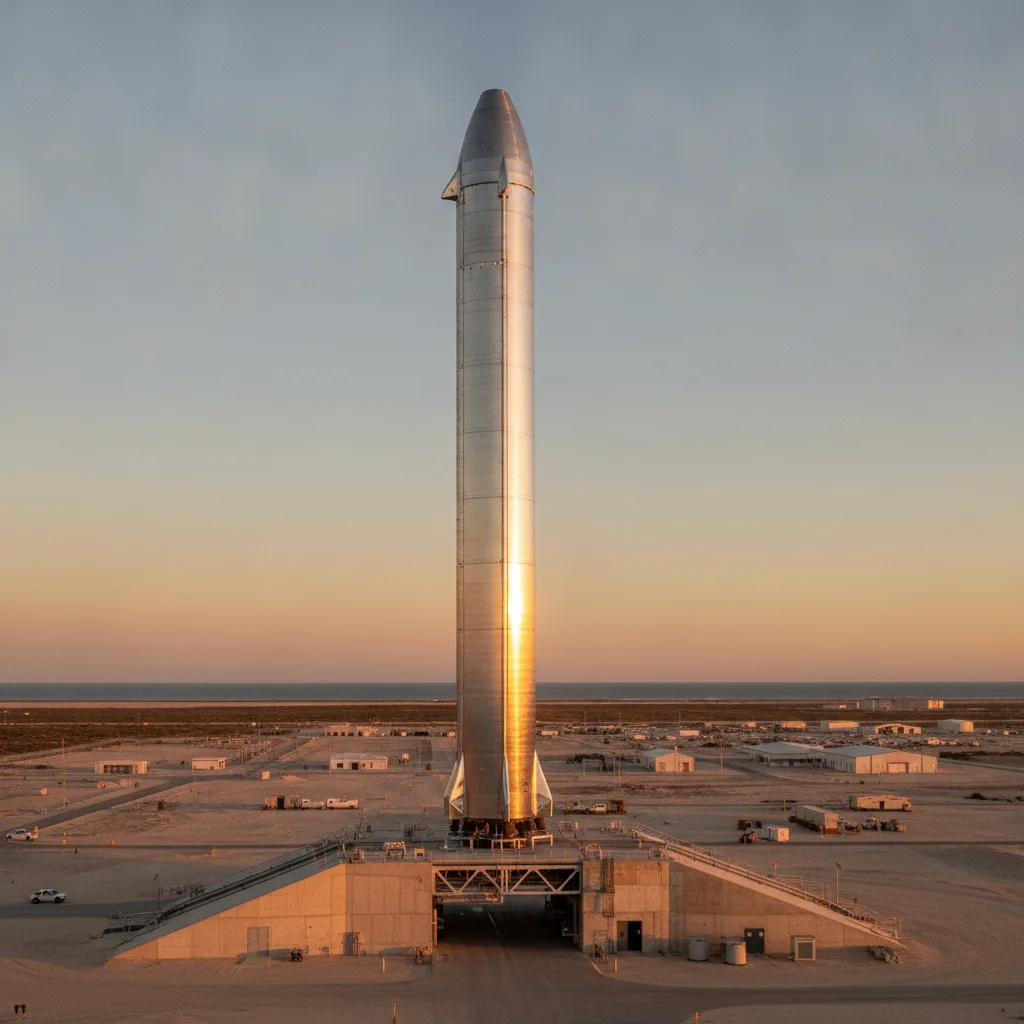
SpaceX is developing Starship, a fully reusable super heavy-lift launch system. Starship will carry cargo and crew to Earth orbit, the Moon, and Mars. It’s a huge leap in ambition and scale compared to Falcon 9. The system has two main stages: the Starship spacecraft and the Super Heavy booster.
Both stages of Starship are designed to be fully reusable. This means both parts return to land after launch. This level of reusability promises to drastically cut the cost of space travel. It could make frequent interplanetary missions affordable. Elon Musk dreams of establishing a self-sustaining city on Mars.
Starship development happens at Starbase, Boca Chica, Texas. Extensive prototype testing has been ongoing for years. Early tests focused on engine firing, short “hop” flights, and landing maneuvers. These tests gathered important data on the vehicle’s performance. The Federal Aviation Administration (FAA) oversees launch licenses for Starship testing.
Several integrated flight tests of the full Starship and Super Heavy system have happened. These tests aim to reach orbital velocity. The initial orbital flight tests in 2023 and 2024 faced various challenges. These included engine malfunctions and loss of vehicle control. Each test provides valuable engineering data for system improvements. SpaceX engineers are implementing design changes based on these findings.
NASA selected Starship as the human landing system for its Artemis program. This program aims to return astronauts to the Moon. Starship will transport astronauts from lunar orbit to the Moon’s surface. This partnership highlights Starship’s potential for future deep-space exploration. The first crewed lunar landing with Starship is planned for the late 2020s.
The road ahead: Challenges and dreams
SpaceX plans to significantly increase its launch rate in the coming years. This includes more Falcon 9 missions for Starlink and commercial clients. It also means increasing Starship development and testing. The company eventually aims for daily launches with Starship. This aggressive schedule pushes the limits of current space operations.
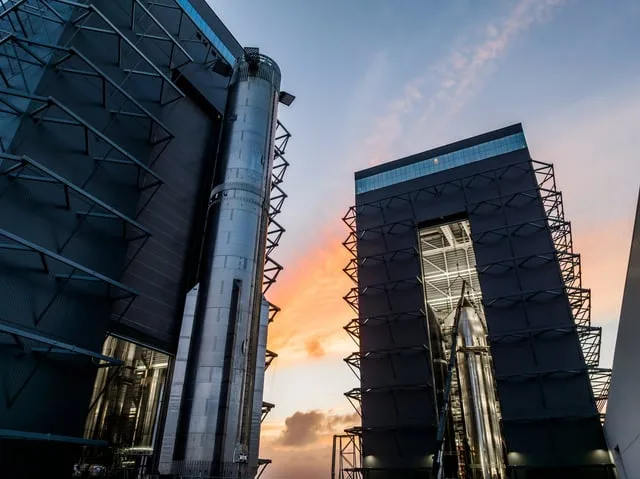
SpaceX's Starship, comprising the Starship spacecraft and Super Heavy booster, is a fully reusable super heavy-lift launch system designed to transport cargo and crew to the Moon and Mars. Standing nearly 400 feet tall, it is the most powerful rocket ever built, aiming to drastically cut the cost of space travel. (Source: reddit.com)
Starship’s sustained development faces big technical and regulatory hurdles. Achieving full reusability for such a large vehicle is a new challenge. Regulatory approvals from the FAA are complex. Environmental impact assessments for launch operations need careful thought. Community concerns near launch sites also affect operations.
Competition in the commercial space sector is heating up. Companies like Blue Origin and United Launch Alliance are developing new launch systems. International space agencies also continue their own programs. SpaceX’s success has spurred innovation across the industry. This creates a dynamic and competitive market for launch services.
SpaceX dreams of more than Earth orbit. The company still pursues the vision of human settlement on Mars. This vision relies heavily on Starship’s ability to transport many people and cargo. Significant technological breakthroughs are still needed for sustained off-world habitation. These future missions will shape humanity’s presence in the solar system.
FAQ
What is SpaceX’s primary mission? SpaceX aims to reduce space transportation costs. Ultimately, it seeks to enable the colonization of Mars. The company focuses on reusable rocket technology to achieve these goals.
How does SpaceX’s reusability work? SpaceX rockets, mainly the Falcon 9, land their first-stage boosters back on Earth. This landing happens either on land or on drone ships. Reusing these expensive components drastically lowers the cost of subsequent launches.
What is the purpose of Starlink? Starlink is a satellite internet constellation operated by SpaceX. It provides high-speed, low-latency internet access globally. It specifically targets remote areas and places with unreliable terrestrial internet infrastructure.
When will Starship go to Mars? Starship is still under development and undergoing extensive testing. SpaceX aims for uncrewed Mars missions within the next few years. Human missions to Mars are projected further into the future, likely in the 2030s, dependent on successful testing.
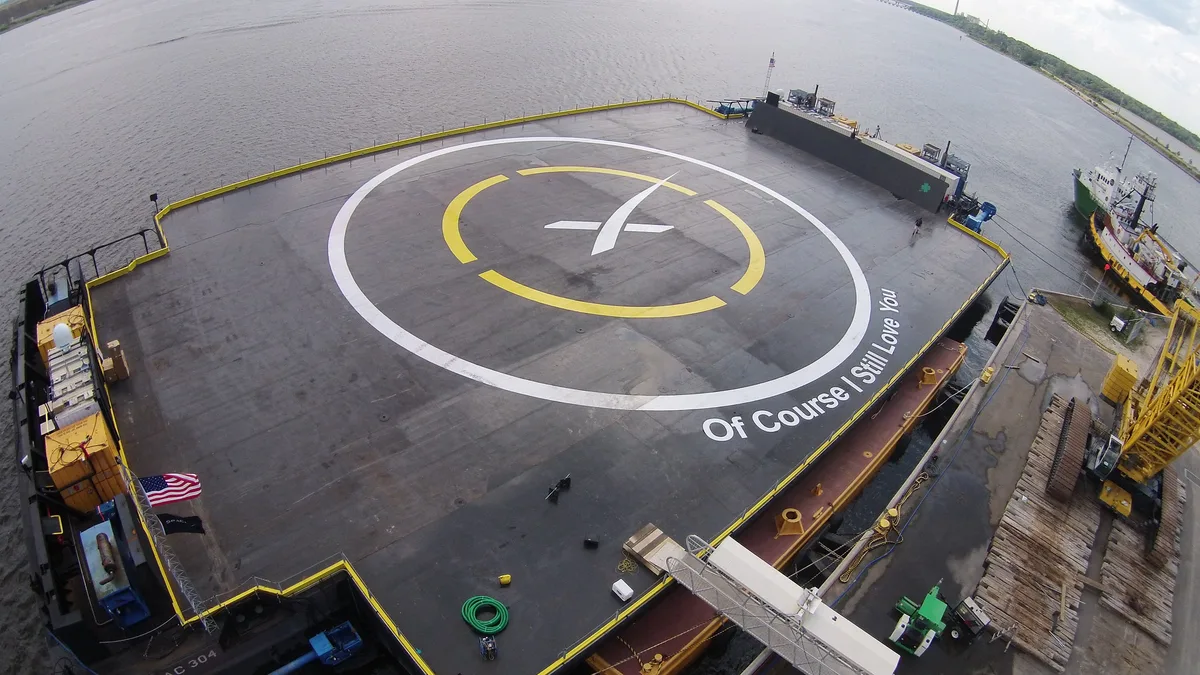
SpaceX operates a fleet of autonomous drone ships, named after spaceships from Iain M. Banks' Culture novels, to land and reuse Falcon 9 and Falcon Heavy boosters at sea, a critical component in their strategy to significantly reduce launch costs. (Source: space.com)
You might also like:
👉 The $546 Billion Space Race: Private Money, Global Rivalries
👉 Unexplained Mysteries of Science: Cosmos, Quantum & Beyond