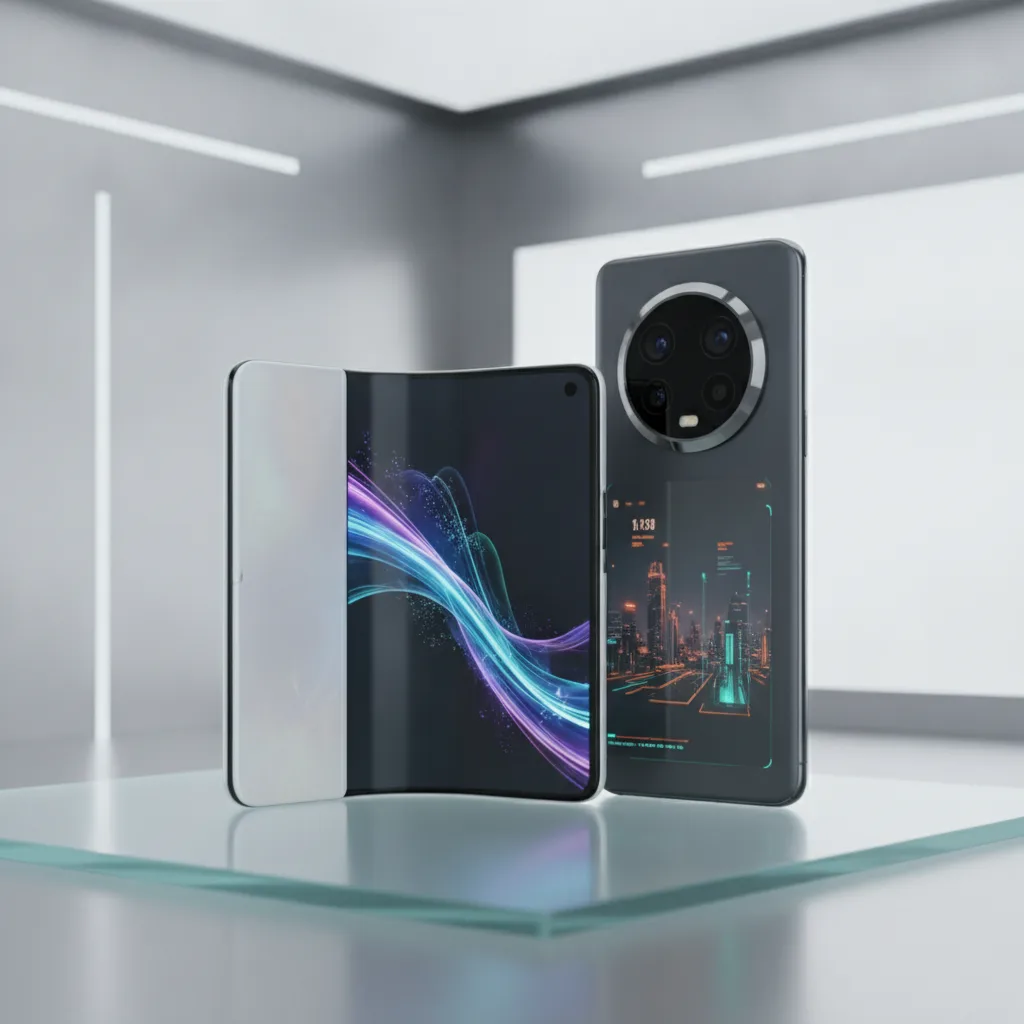
The 2016 Shift: How Phones Became AI Companions
Since 2016, mobile phone innovation accelerated, transforming devices from simple smart cameras into powerful AI companions. Discover the future.
The mobile phone’s next act: from smart photos to AI companions
Your phone is more than just a phone now. For decades, manufacturers made small improvements. These included faster processors, sharper screens, and more megapixels. However, around 2016, innovation significantly accelerated. This new era changed the device’s design and its capabilities. It also altered what we expected from phones. The industry also had to confront its environmental impact.
These changes spread globally. Major companies like Apple, Samsung, and Google led the way. Smaller innovators, such as Fairphone, promoted ethical practices. Chipmakers Qualcomm and MediaTek provided the core processing power. Users and regulators also helped set these new priorities. The traditional slab smartphone, which had been dominant for years, now faced challenges from many directions.
Smart photos take over
On October 19, 2016, Google unveiled its first Pixel phone. This device quietly transformed mobile photography. Google did not emphasize multiple lenses, unlike its competitors. Instead, it focused on software. Its “HDR+” feature combined multiple exposures. This created impressive dynamic range and detail from just one lens.
This software-first approach surprised the industry. Rivals were engaged in a “megapixel war,” adding more lenses and larger sensors. Google demonstrated that smart processing could greatly enhance photos. Marc Levoy, Google’s former computational photography lead, often explained his reasoning. He emphasized that algorithms could improve photos far beyond what lenses alone could achieve.
Other phone makers quickly adopted this strategy. Apple introduced “Deep Fusion” with the iPhone 11 in 2019. This used machine learning to process photos pixel by pixel. Samsung, not wanting to fall behind, invested heavily in its “Night Mode” and other AI features. These features aimed to capture excellent pictures even in poor lighting. The competition was no longer primarily about hardware. It shifted to advanced algorithms and specialized image chips.
This change raised expectations for phone cameras. Users now expected to take professional-quality photos with their phones. The phone became a powerful, intelligent computer, not just a communication device. It also functioned as a sophisticated photo studio. This strong user demand pushed manufacturers to innovate beyond just bigger sensors. It prepared the way for more advanced intelligence throughout the entire device.
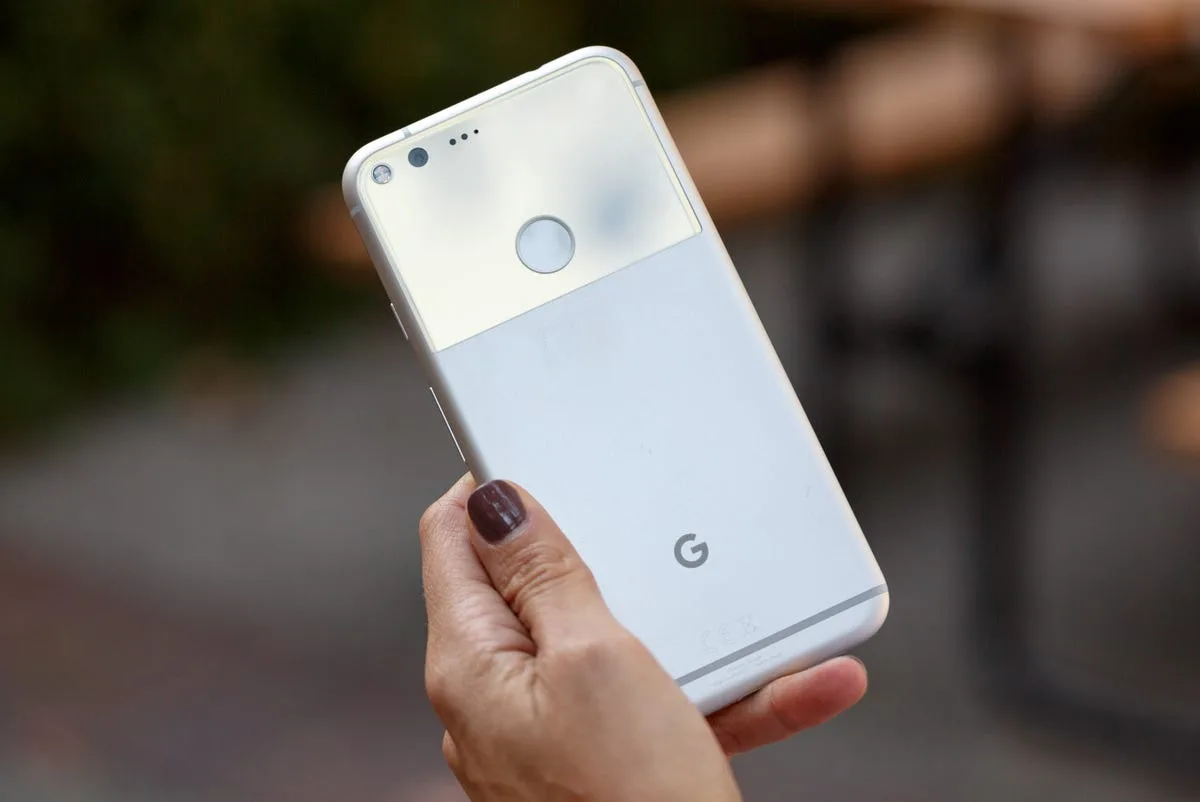
The original Google Pixel, launched in October 2016, revolutionized mobile photography by prioritizing advanced software like HDR+ over multiple lenses, setting a new industry standard for computational imaging that rivals soon adopted. (Source: cnet.com)
New shapes: the age of folding screens
On February 20, 2019, Samsung introduced the Galaxy Fold. This was the first widely available folding phone. The phone featured a flexible screen. It promised the functionality of both a phone and a tablet. People were excited. However, early models quickly experienced issues. Screen protectors peeled, and dust entered the hinge mechanism.
Samsung did not give up. The company delayed the launch to resolve these significant problems. By September 2019, an improved Galaxy Fold was released. It had stronger hinges and better screen protection. This demonstrated a strong commitment to the new design. Samsung then expanded its folding phone lineup. This included the compact Galaxy Z Flip and updated Galaxy Z Fold series.
Other major companies soon joined the market. Huawei launched its Mate X series. Xiaomi, Oppo, and Google also introduced their own folding designs. Google’s Pixel Fold arrived in 2023, offering a large-screen folding design. Market analysts at Counterpoint Research noted significant growth. Folding phone shipments increased by 64% in 2023, reaching 18.6 million units worldwide. Samsung still held 60% of this new market.
TM Roh, Samsung’s MX Business President, consistently highlighted the company’s long-term vision. He believed folding phones would drive future phone innovation. This new category of phone created a premium market. It also challenged the traditional slab design that had dominated for over ten years. Folding phones pushed the boundaries of screen technology and materials. This led to broader discussions about device longevity, ease of repair, and environmental impact.
Beyond the screen: privacy, repair, and eco-friendly phones
On April 26, 2021, Apple released iOS 14.5. This update introduced App Tracking Transparency (ATT). It significantly impacted the digital advertising sector. ATT required apps to ask users for permission before tracking their activity across different apps and websites. Most users chose not to allow this tracking.
This change resulted in substantial financial costs for advertisers. Many companies relied on data from various apps for targeted advertisements. Tim Cook, Apple CEO, often states Apple’s position. He views privacy as a fundamental human right. This policy made users more aware of data tracking. It also prompted the industry to reconsider its data collection practices.
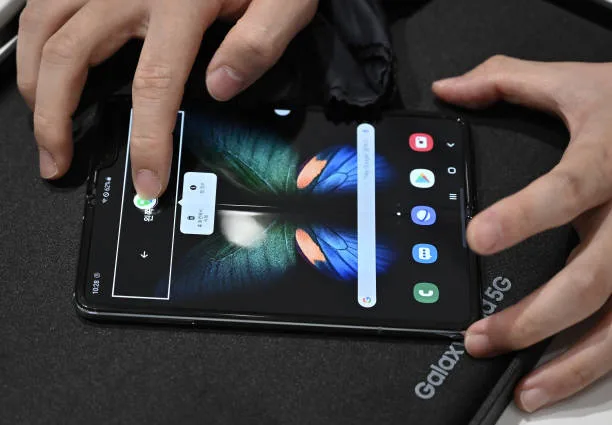
The Samsung Galaxy Fold, introduced in February 2019, was the first widely available folding phone, promising the functionality of both a phone and a tablet despite initial design challenges. (Source: gettyimages.com)
At the same time, another concept gained popularity: the right to repair. Fairphone, a Dutch social enterprise, had advocated for this for many years. Its phones are designed to be modular. This makes them easy for users to fix. The Fairphone 5, released in August 2023, exemplifies this design. It came with a 10-year warranty. Users could easily replace parts, including the battery, screen, and camera.
Eva Gouwens, Fairphone CEO, consistently champions environmentally friendly electronics. Her company provides transparent supply chains. It uses responsibly sourced materials. Governments also began taking action. The European Union proposed extensive right-to-repair laws. These laws aim to make electronics last longer and be easier to fix. They require access to spare parts and repair information. People and governments desired more ethical and sustainable product lifecycles. This broader demand pushed manufacturers to explore new areas. They started integrating smart technology to better manage these complex requirements.
The smart brain: on-device AI changes everything
On January 17, 2024, Samsung made a major announcement. It launched its “Galaxy AI” features with the new S24 series. This greatly accelerated on-device artificial intelligence. On-device AI means the phone processes information locally. It does not need cloud servers. This offers key advantages: speed, improved privacy, and offline functionality.
Galaxy AI introduced features like “Live Translate.” This provides real-time voice and text translation during calls. Another new feature, “Circle to Search,” allows users to highlight anything on their screen to start a Google search. Generative Edit for photos can remove or resize subjects. It can also fill in backgrounds with AI-generated content. These tools changed how users interact with their content and the world.
The underlying hardware makes these advancements possible. Qualcomm’s Snapdragon 8 Gen 3 Mobile Platform, released in October 2023, included a powerful Neural Processing Unit (NPU). This NPU was built for fast AI tasks. Google also integrated its Gemini Nano large language model deeply within the Pixel 8 Pro. This enabled smart summaries and replies directly on the phone.
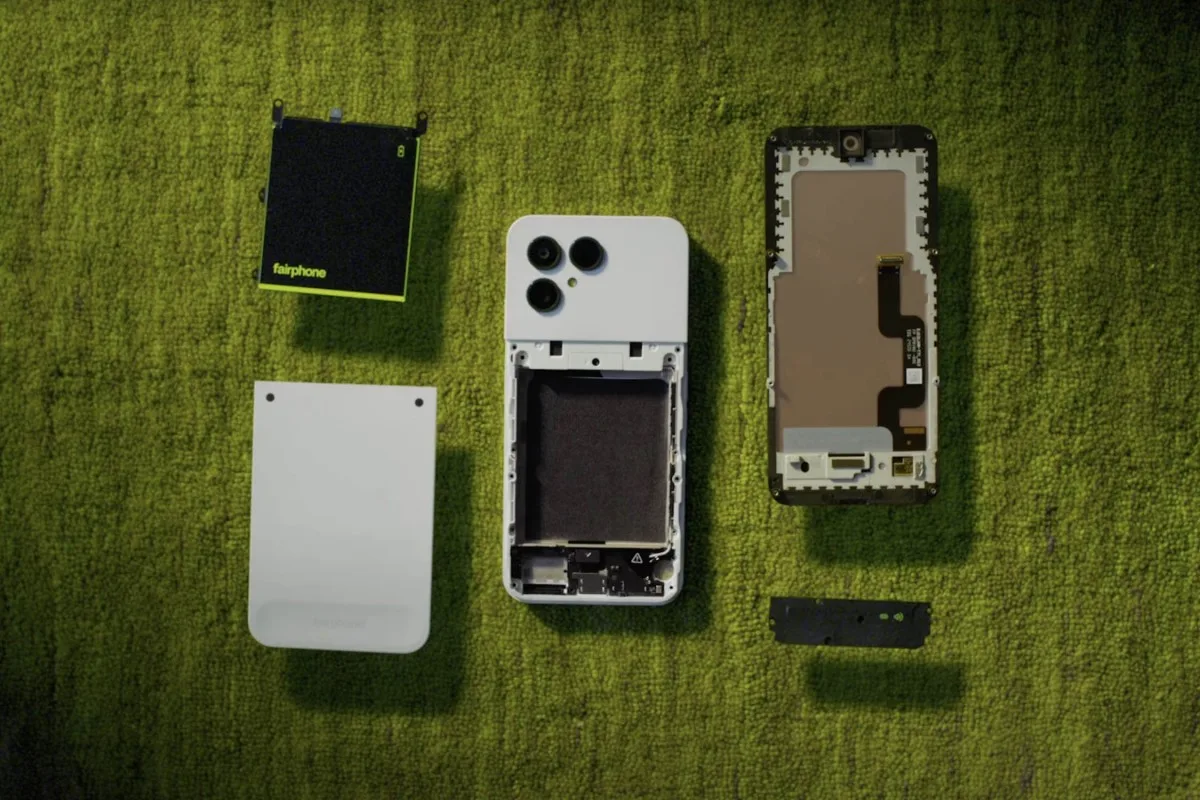
The Fairphone 5, released in August 2023, exemplifies the 'right to repair' movement with its modular design. Users can easily replace parts like the battery, screen, and camera, supported by a remarkable 10-year warranty. (Source: gsmarena.com)
The phone is rapidly becoming more than just a communication tool. It is transforming into a personal AI assistant. This trend will alter our daily interactions. Phones will anticipate our needs. They will process complex information instantly. They will also offer personalized assistance. This significant shift makes the phone even more essential. It suggests a future where our phones integrate more seamlessly into our lives. We might find it difficult to distinguish between ourselves and the technology.
FAQ
What is on-device AI? On-device AI is when artificial intelligence tasks are processed directly on your phone. It uses the phone’s specialized chips, such as a Neural Processing Unit. This avoids sending data to cloud servers. This makes it faster, more private, and allows features to work without an internet connection.
Are folding phones durable? Modern folding phones are significantly more robust than earlier models. Manufacturers use stronger materials and improved hinge designs. However, they may still be more prone to damage than traditional slab phones. Ongoing improvements continue to enhance their strength.
How does the “right to repair” impact mobile phones? The “right to repair” movement aims to make electronics, including phones, easier to fix. It encourages manufacturers to provide spare parts, repair guides, and tools to consumers and independent repair shops. This helps devices last longer and reduces electronic waste.
What’s next after AI in mobile phones? After current AI advancements, future phones might focus on spatial computing and more advanced sensors. This could lead to improved augmented reality experiences or new health tracking features. Phones may become even better at understanding and predicting user needs.
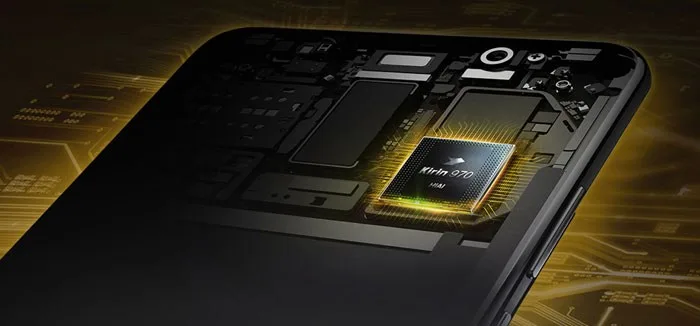
A Neural Processing Unit (NPU) is a specialized microchip designed to accelerate artificial intelligence and machine learning tasks directly on a mobile phone, enhancing speed, privacy, and offline capabilities for features like facial recognition and voice processing. (Source: theverge.com)
You might also like:
👉 Unmasking Online Bots: The X & Facebook Mimicry Challenge