
Why 1/3 of Food Waste Won't Feed 735 Million Hungry People
While 735 million people faced chronic hunger in 2022, a third of global food production is wasted. Is solving food waste enough to end hunger?
The unseen hunger: why food waste alone won’t feed the world
Nearly a billion people go hungry while a third of the world’s food gets thrown away. In 2022, 735 million people faced chronic hunger. That number jumped significantly since 2019. This pushes us further from ending hunger by 2030, says the Food and Agriculture Organization (FAO). At the same time, we waste huge amounts of food. About one-third of all food produced never makes it to a plate.
Food insecurity means someone lacks consistent access to enough healthy food. It’s more than just calories; it’s about nutrition and cultural needs. Food waste is edible food that goes uneaten, from farm to fork.
Many people think food waste is a simple problem. They believe we just need to eat our leftovers. This idea is well-intentioned. It misses the point. The common story says cutting waste will solve hunger. Waste is a huge environmental and economic issue. Still, this view oversimplifies hunger’s true causes. It also misrepresents how and why food waste happens.
Hunger amidst plenty
A 2021 FAO report states that 13% of food is lost globally between harvest and retail. This is food loss: spoilage, spillage, and other issues before food gets to stores. Food waste happens later, at retail and in homes.
Rich countries mostly waste food at the consumer level. Households and restaurants throw out a lot. The USDA estimates the U.S. wastes 30-40% of its food supply. People often toss edible items because of how they look, buying too much, or confusion over date labels.
Developing nations face a different fight. Their biggest problem is post-harvest loss. Bad storage, poor transport, and lack of processing infrastructure cause huge spoilage. For example, sub-Saharan Africa loses up to 40% of its produce before it even reaches markets. This happens because of poor cold chains and pests.
This difference matters. Food waste isn’t one big problem. Solutions must fit where and how food gets lost in different systems. Blaming individuals for global hunger ignores huge systemic failures. It also ignores the food lost long before it ever sees a grocery shelf.
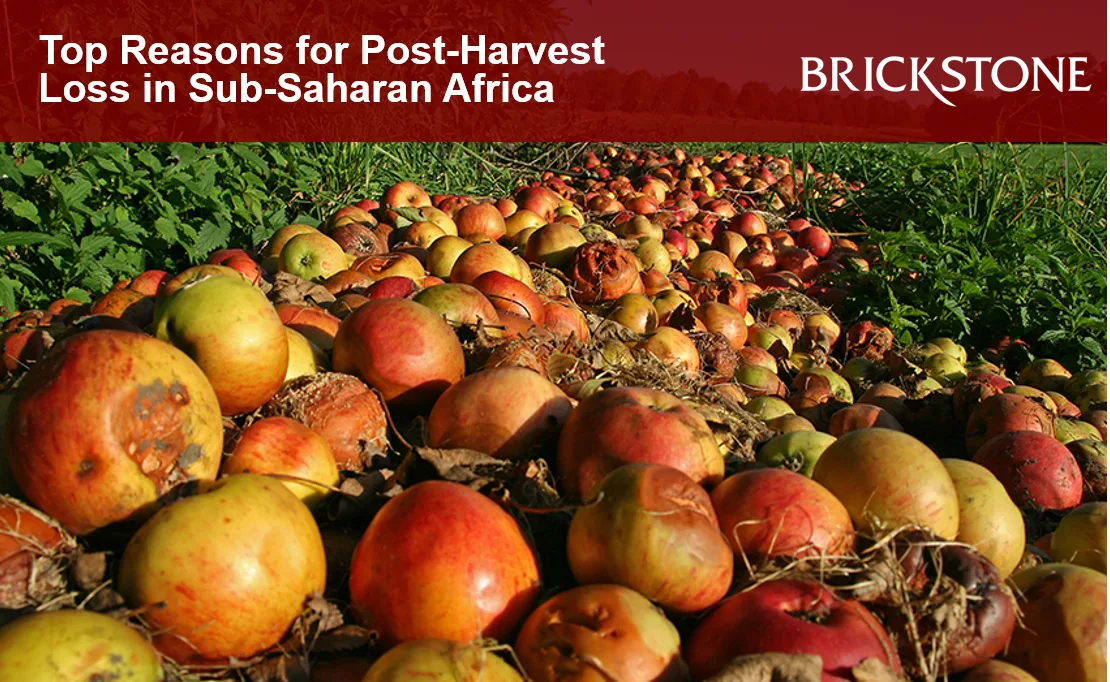
In sub-Saharan Africa, up to 40% of produce is lost between harvest and market due to poor storage, transport, and lack of cold chain infrastructure. This systemic issue highlights a major difference in how food waste occurs globally compared to consumer-level waste in richer nations. (Source: brickstone.africa)
Food waste happens long before your plate
Much food loss happens invisibly, says Dr. Roni Neff, a director at the Johns Hopkins Center for a Livable Future. Consumers never even see it. Farmers might plow under entire fields of crops. They do this when market prices fall below harvest and transport costs. This is an economic choice, not a casual discarding of leftovers.
In the United States, grocery stores add a lot to waste. Their practices favor full shelves and perfect looks. They overstock to create an impression of plenty. They also reject “ugly” produce, even if it’s perfectly edible. It just doesn’t meet strict cosmetic standards.
Food processors and manufacturers also create waste. Trimmings, by-products, and unsold surplus fall into this category. In 2021, the U.S. Environmental Protection Agency (EPA) reported on commercial and institutional sectors. These sectors generated 24.3 million tons of food waste. This amount is separate from what households throw out.
These examples show that fixing food waste needs a wide approach. It can’t just focus on how consumers behave. It needs infrastructure investments. It needs changes in retail practices. It also means rethinking agricultural economics. The problem goes far beyond simply telling people to finish their meals.
Why wasted food doesn’t reach the hungry
Many groups work to save surplus food. In 2022, U.S. food banks distributed 5.7 billion meals, reports Feeding America. These efforts are vital. They help millions. Still, they can’t solve food insecurity alone.
Moving food creates big problems. Perishable food needs refrigerated trucks and proper storage. These cost a lot to keep up. Volunteer networks often struggle with the sheer size and difficulty of these operations. This limits who they can reach.
Safety rules also limit what food gets donated. Food past its “best by” date might still be safe. Many organizations hesitate to take it. This is because of liability fears. This means edible food gets thrown out. It makes redirecting surplus food even harder.

Perfectly edible fruits and vegetables are often rejected by grocery stores for failing to meet strict cosmetic standards, contributing significantly to food waste before ever reaching consumers. This practice prioritizes aesthetics over edibility, leading to millions of tons of discarded food annually. (Source: edition.cnn.com)
Think about the money. A farmer with extra produce often finds it cheaper to destroy crops. This is cheaper than harvesting and transporting them for donation. Labor, fuel, and equipment still cost money. These costs exist even when the food isn’t sold for profit. The idea that wasted food can just be “given away” ignores these financial truths.
Hunger’s true roots: poverty, conflict, climate
Food insecurity isn’t just about how much food exists. Conflict and climate shocks were the main causes of severe hunger in 19 countries in 2023. This is according to the Global Report on Food Crises. These factors wreck entire food systems. They displace people. They destroy livelihoods.
Poverty remains hunger’s biggest cause. Many families can’t afford good food, even when it’s plentiful nearby. The World Food Programme points out that economic shocks, joblessness, and weak social safety nets push millions into hunger. The problem isn’t a lack of food; it’s a lack of money to buy it.
Climate change makes these problems worse. Extreme weather like droughts, floods, and superstorms wipe out crops. They break supply chains. They make farmland unusable. The FAO estimates climate change could add tens of millions to the undernourished by 2050. This directly cuts food production.
Political instability and war make hunger much worse. Conflict can intentionally use food as a weapon, blocking access to supplies. It destroys infrastructure. It forces farmers from their land. The conflict in Sudan, for example, left nearly 18 million people severely food insecure in late 2023. This proves violence, not just waste, drives hunger.
Real solutions: fix the system, not just the plate
The Rockefeller Foundation launched its Food Initiative in 2020. It aims to tackle systemic food problems. This initiative builds more nourishing and fair food systems. It looks beyond simple fixes. It knows hunger is a complex issue.
Fixing food insecurity needs many strategies. We must invest in strong food systems. This means better storage and transport in developing countries. It also means helping small farmers get better access to markets and technology. These steps cut post-harvest losses. They empower local producers.
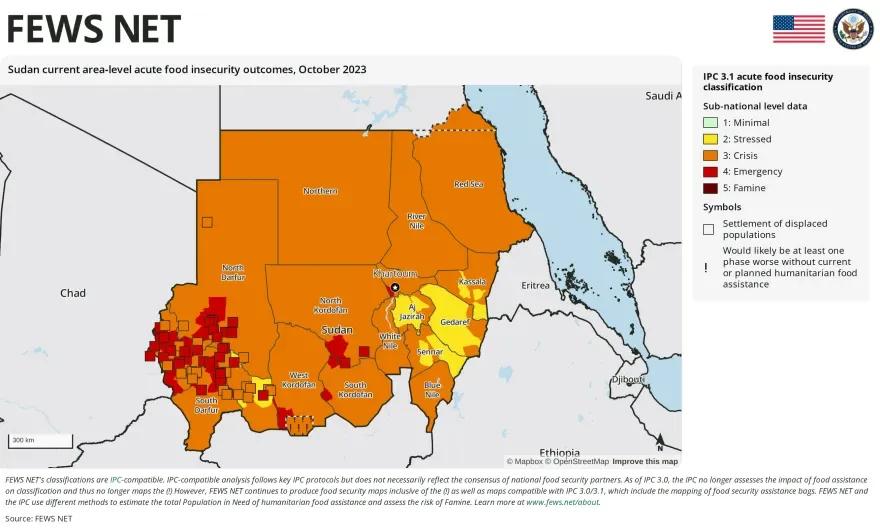
The ongoing conflict in Sudan has plunged nearly 18 million people into severe food insecurity by late 2023, illustrating how war and political instability directly drive hunger by destroying infrastructure and displacing communities. (Source: fews.net)
Policy changes matter a lot. Governments can offer rewards for cutting waste across the supply chain. They can clarify food date labels. They can also reform farm subsidies. Such reforms can encourage good practices. They can also stop overproduction and market gluts.
We must also tackle the root causes of poverty and conflict. Economic growth, social safety nets, and peace-building efforts are key. These efforts help people buy food. They create stable places for food production and distribution. They build lasting food security.
Cutting food waste is an important part of a sustainable food future. It saves resources. It lessens environmental harm. This alone will not magically solve global hunger. Food insecurity is mainly a problem of access, fairness, and stability. It’s not simply a lack of food overall. Real solutions need system-wide changes in economics, infrastructure, and how we govern.
frequently asked questions
is food waste mainly a consumer problem? No, food waste happens at every stage of the supply chain. Developing countries see big post-harvest losses. Richer nations waste food in farming, processing, stores, and homes.
can food donations solve food insecurity? Food donations offer important immediate relief. They face big logistical, financial, and regulatory problems, however. They can’t fix the root causes of hunger, like poverty and lack of access.
what role does policy play in solving food insecurity? Policy matters a lot. It can support infrastructure, change farming practices, and set up social safety nets. Policies also help with market access and climate stability.
is there enough food in the world to feed everyone? Yes, the world produces enough food for everyone. The problem lies in distribution, access, and affordability. It also involves system issues that stop food from reaching those who need it.

While food donations provide vital immediate relief to communities facing food insecurity, they often encounter significant logistical, financial, and regulatory challenges that limit their ability to solve the systemic root causes of hunger. (Source: dreamstime.com)
You might also like:
👉 1 Billion Urban Poor: How Cities Fight Climate Shocks