AI's Promise & Peril for 10-24 Year Olds: What's Missed?
While AI promises personalized learning for 10-24 year olds, it also poses significant, often overlooked, risks to their developing minds.
AI and young minds: a realistic look
AI is everywhere. Young people, ages 10-24 according to the UN, live surrounded by it. They use AI daily on social media, in school apps, and with smart devices.
Many believe AI offers great opportunities for young people, promising learning made for each person, lots of information, and job preparation. Yet, this view often misses significant problems. It does not consider how AI can harm young minds, affecting how they think and feel.
AI is not good or bad by itself. Its effects depend on its design, how we use it, and who can access it. We cannot simply be optimistic. Young minds face a more complex reality.
The promise of AI in learning
Many say AI greatly changes how young people learn. They mention AI tutors, language apps, and smart platforms. These tools can make content specific to each person. They also give instant feedback, which is a real teaching help.
Consider Khanmigo, Khan Academy’s AI tutor. It aims to adjust learning to each student. It helps students with math problems or writing. This provides support beyond school. The goal is to make learning faster and more engaging.
However, focusing only on making things specific to each person misses a key point. Too much AI can stop children from solving problems themselves. Students might get answers too quickly. This bypasses the hard work needed for true understanding and deep thinking. Dr. John Hattie, an education researcher, states that “productive struggle” is vital for real learning.
AI and the gap in access to technology
UNICEF reported a harsh truth in 2020: 2.2 billion young people under 25 had no home internet. This reveals a basic unfairness. AI tools, often praised for reaching everyone, are useless without internet and devices. The gap in access to technology is not closing; AI could make it worse.
The UNESCO 2023 education report warns about this. It states AI could make things more unfair in schools. Richer schools and families buy advanced AI systems. Poorer communities cannot. This creates two separate learning paths.
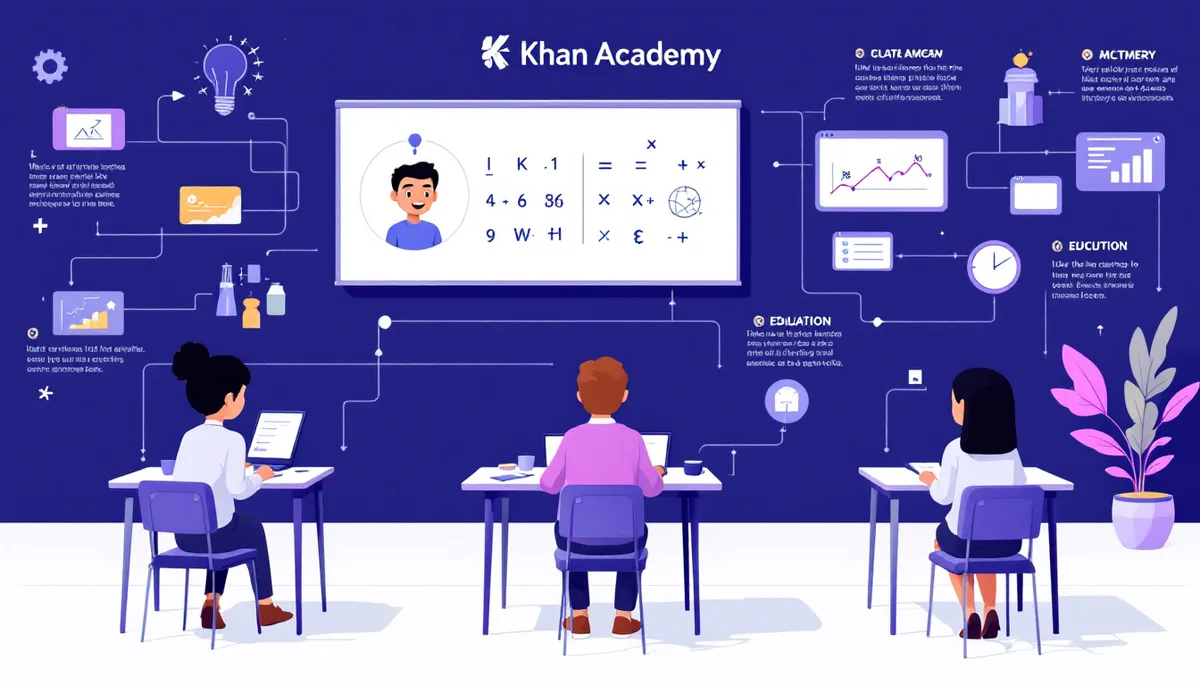
Khanmigo is Khan Academy's AI-powered tutor, designed to provide personalized learning support in subjects like math and writing. Launched in 2023, it aims to make education more engaging and accessible by offering instant feedback and tailored guidance. (Source: aiflowreview.com)
Consider what AI requires. Fast internet, new computers, and special training for teachers are all necessary. Without these, AI simply creates another obstacle. It pushes already struggling children further from good education. This is not about AI’s potential; it is about who truly benefits from it.
Beyond skills: AI and deep thinking
Many teachers believe AI helps children find facts quickly. They think it allows young people to learn skills fast. Students now use tools like ChatGPT for research and writing. This is very fast. It is also very useful when students feel stressed.
However, this ease comes with a cost. Instant AI answers can bypass the human thought process. Students might let AI summarize facts for them. They might not check sources or build their own arguments. Dr. Sherry Turkle, an MIT professor, studies how technology changes us. She warns about tools that encourage being alone with machines. This can prevent us from thinking deeply.
A 2023 Cambridge University study linked frequent AI use in school to less thinking. Students said they brainstormed and analyzed less. They let AI do the mental work. Real learning means wrestling with ideas, linking things, and having new thoughts. AI, used wrongly, can cut this short. It risks making students just take what the AI gives them.
The computer rule’s grip: AI and social-emotional health
Young people spend time on AI-driven social media. A 2022 Pew study found 95% of US teens, ages 13-17, use it. Platforms like TikTok use clever computer rules. They select content for each person. Most people think these sites connect children and give them what they want.
However, these computer rules aim to keep you engaged, above all else. They can create strong places where only similar ideas are shared. They feed users more of what they already like, or what makes them keep scrolling. This can narrow viewpoints and block different ideas. The American Psychological Association (APA) warned in 2023. They highlighted significant dangers to mental health from social media use for teens.
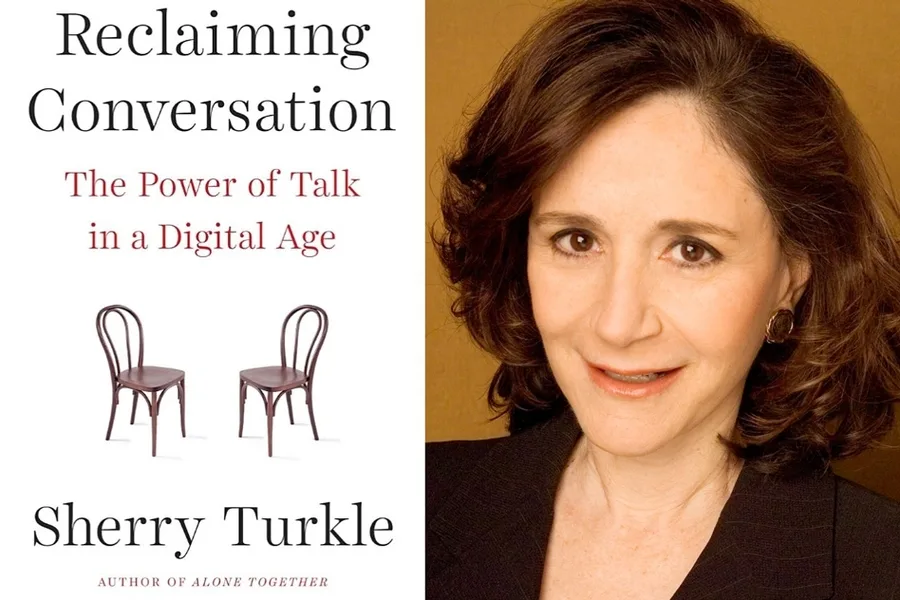
Dr. Sherry Turkle, an MIT professor, is a leading voice on how technology shapes human identity and relationships. She warns that instant AI answers can bypass deep thought, potentially isolating users and hindering genuine learning. (Source: news.mit.edu)
Computer rules also feed a culture of comparison. Kids always see perfect lives and bodies. This can cause more anxiety, depression, and body image problems. Dr. Jean Twenge, who wrote iGen, shows how smartphone use links to worse teen mental health. The AI isn’t evil, but it’s built to keep you scrolling. This often hurts real social health and varied friendships.
AI at work: skills for a changing future
Goldman Sachs reported in 2023: AI might do 300 million jobs worldwide by machine. This quick change means young people need to prepare for a different job market. Many think AI will require strong technology skills, like coding and data analysis. These skills certainly matter. Understanding how AI works gives you an advantage.
However, focusing only on technology skills is too narrow. AI itself is improving at those tasks. AI that creates things can now write code and analyze data. The World Economic Forum’s 2023 “Future of Jobs Report” highlights other skills. It emphasizes creativity, deep thinking, problem-solving, and emotional intelligence. These are human qualities.
Success will depend on how young people work with AI. They will need to use AI as a tool, not just understand how it works. Being able to change, thinking with good morals, and communicating well will be key. AI cannot copy these skills. They show what humans truly offer in a world shaped by AI.
Taking charge in an AI world
AI and young people’s development is complex. It is not simply good or bad. Facts show AI offers strong tools. However, using it without thought brings significant dangers. These include more unfairness, less deep thinking, and hurt feelings. We must stop believing AI helps all young people automatically.
We need careful design and active teaching to progress. We must give young people strong digital skills. This means more than just using an app. It involves knowing how computer rules work, spotting biases, and seeing how things try to persuade you. Teaching how to use AI fairly and responsibly also matters. Children need to learn what AI means for society. They must understand its power for good and for harm.
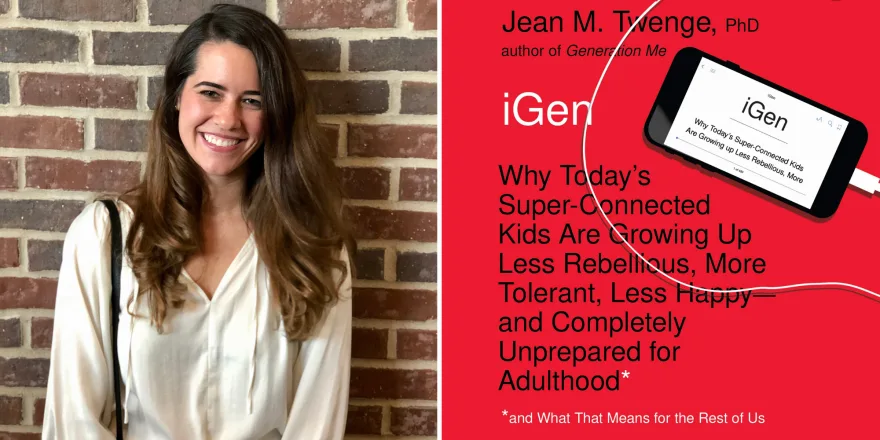
Dr. Jean Twenge, author of the influential book *iGen*, is a psychology professor known for her extensive research on generational differences and the profound impact of smartphone use on adolescent mental health. (Source: radio.wpsu.org)
We must put humans first. This means creating places where deep thinking, creativity, and real human connections can grow. AI should support these qualities, not replace them. We need to help young people guide their future with technology. They should control AI, not just be its users. This is not easy. It requires a careful, realistic approach to bringing AI into young lives.
Frequently asked questions
What is AI’s biggest benefit for youth? AI can offer learning made for each person and much information. It adapts school content to each student. It also gives instant feedback, which can make learning faster and more interesting for some.
How does AI affect social-emotional learning? AI-driven social media computer rules can create places where only similar ideas are shared. They also feed a culture of comparison. This can hurt mental health. It adds to anxiety, depression, and body image problems by showing selected, often fake, social content.
What skills should youth develop to thrive with AI? Beyond technology skills, young people need strong human qualities. These include deep thinking, creativity, problem-solving, emotional intelligence, and flexibility. AI cannot copy these skills. They will be very important for working with AI in future jobs.
Is AI good or bad for young people? AI is not good or bad by itself. Its impact depends on its design, how we use it, and how children learn to interact with it. It offers benefits like learning made for each person. However, it also brings risks: more inequality, less deep thinking, and hurt social-emotional health.
Personalized learning platforms leverage AI to tailor educational content, pace, and feedback to each student's individual needs, aiming to make learning more efficient and engaging. (Source: blog.simplitaught.com)
You might also like:
👉 Youth & AI: The Global Risks in Apps & Social Media