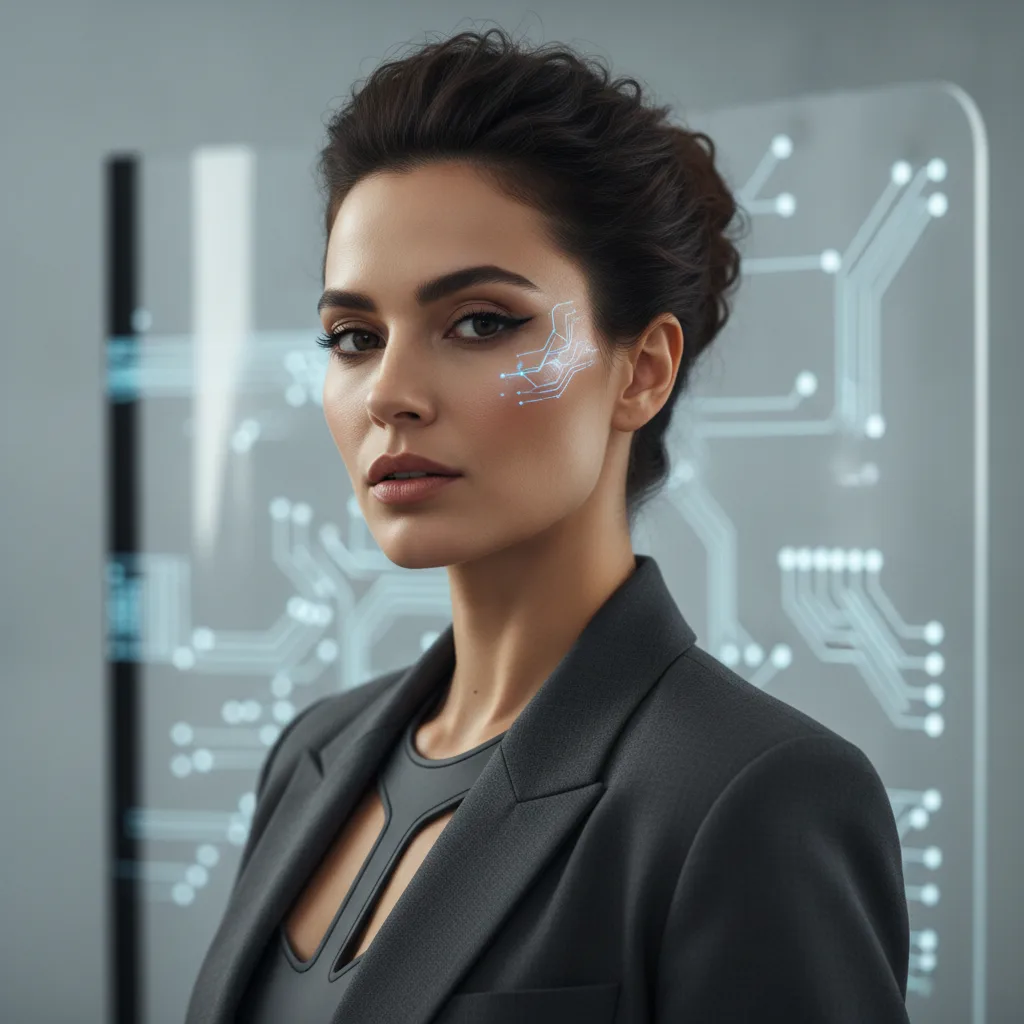
AI's $58.7 Billion Impact: L'Oréal, Estée Lauder & Proven Skincare
The beauty tech market soared to $58.7 billion in 2022, powered by AI. Discover how L'Oréal and startups like Proven Skincare personalize your routine.
AI makes beauty personal, precise
The beauty tech market hit $58.7 billion in 2022. AI powers much of that growth. It’s changing how we find, buy, and use beauty products.
Beauty technology means digital tools and devices. They make cosmetics, skincare, and wellness better. AI uses data analysis, machine learning, and computer vision in these tools. The result? Highly personal solutions.
Big names like L’Oréal and Estée Lauder pour money into AI. Startups like Proven Skincare also use AI for custom formulas. This competition sparks fast innovation. You get more tailored options than ever.
AI Tools Reshape Beauty Choices
Virtual try-on tools saw a 35% jump in user engagement in 2023. That’s according to the “BeautyTech Insights Report 2024” by Apex Analytics. AI runs these augmented reality apps. They let you digitally test makeup.
These tools cut down returns for online buys. Shoppers feel surer about their color choices. Sephora’s Virtual Artist, launched in 2016, uses AI to map faces. It puts virtual products on you instantly. It’s just like trying things on in a store.
AI also looks at huge amounts of customer data. This includes past purchases, skin issues, and demographics. It spots trends and guesses what people will want next. Brands can then make products more precisely.
Dr. Anya Sharma, Head of Innovation at L’Oréal, said recently, “AI helps us understand individual skin biology. We’re moving past generic product lines. Our goal is hyper-personalization.” L’Oréal’s Perso device shows this in action. It makes custom skincare at home.
The device creates single-dose products. It bases them on daily environmental data. It checks humidity, pollution, and UV index. Users upload a selfie for skin analysis. The app then gives immediate suggestions.
Personal skincare and diagnostic tools
AI skin analysis apps give you instant insights. Foreo’s Luna Fofo device, out in 2018, uses AI sensors. It measures skin hydration and overall health. Then, it suggests a personal cleansing routine.
These apps usually need you to upload a photo. AI looks at redness, fine lines, and dark spots. It suggests products for your specific issues. This makes professional-level analysis available to everyone.
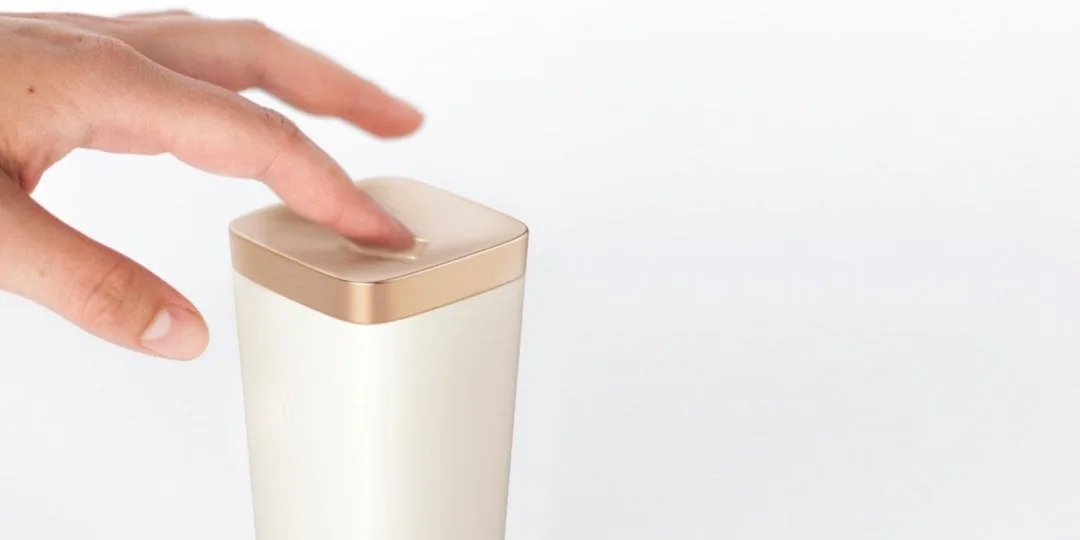
L'Oréal's Perso device, unveiled at CES 2020, was an AI-powered smart device designed to create personalized, single-dose skincare formulas at home, adapting to daily environmental data and user selfies. (Source: askmen.com)
SkinScan AI, a Seoul startup, launched its app in 2022. It uses deep learning to find common skin problems. You get a detailed report in seconds. Mr. Kenji Tanaka, CEO of SkinScan AI, said, “Our AI models trained on over a million dermatological images. Accuracy is our priority.”
Custom product making is another AI breakthrough. Brands like Function of Beauty create personalized haircare. You take an online quiz about your hair type and goals. AI then makes unique ingredient mixes. This takes the guesswork out for you.
Prose, another custom haircare brand, started in 2017. It uses 80 data points from user surveys. These include diet, stress levels, and zip code. AI uses this info to suggest personalized shampoo and conditioner. They make products only when you order them.
AI-driven formulas cut waste. They make fewer mass-market products. This helps both you and the planet. It pushes the industry to be more sustainable.
Better shopping and customer service
AI really makes shopping better. Virtual makeup artists are now common on brand websites. You can try out different looks. This makes you feel surer before buying.
AR mirrors in stores also use AI. You can “try on” products without putting them on. Ulta Beauty’s GLAMlab has this. It’s clean and interactive. This tech makes customers happier.
Chatbots use AI to answer common questions. They help you pick products. These bots work all day, every day. They answer faster and cut company costs.
Estée Lauder’s online chatbot helps with skincare questions. It suggests products. The bot learns from talking to people. Its answers get better over time. This gives you steady support.
AI also makes supply chains run smoother. It guesses demand more accurately. This means less overstocking or empty shelves. Sephora uses AI to forecast inventory. This keeps popular products in stock.
Predictive tools spot possible problems. They suggest other shipping routes. This makes deliveries faster and cheaper. AI makes the whole retail system stronger.
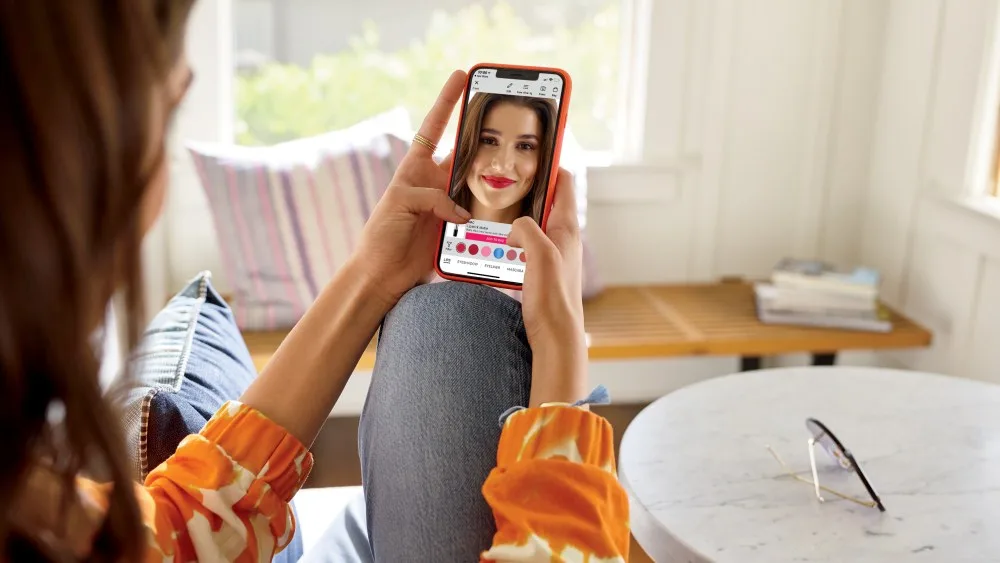
Ulta Beauty's GLAMlab utilizes augmented reality (AR) mirrors, powered by AI, to allow customers to virtually try on makeup products in-store. This innovative technology provides a hygienic and interactive shopping experience, helping customers visualize products on themselves before making a purchase. (Source: wwd.com)
The future: innovation and ethics
AI in beauty tech will offer even deeper personalization. Bio-sensing wearables could watch your skin health all the time. They’d then trigger immediate product changes. This is a huge jump forward.
Professor Lena Petrov, from the MIT Media Lab, pointed out this possibility. “Imagine a smart patch that releases active ingredients. It adjusts to your skin’s needs. AI makes this adaptive beauty possible.” Her research looks at biomimetic materials.
Data privacy is a concern. AI systems collect sensitive personal info. This includes facial scans and health data. We need strong rules to protect you.
The Digital Consumer Alliance, an advocacy group, released a report in 2023. It asked for clear data handling policies. “Companies must clearly state how personal data is used. Consumers deserve full control over their biometric information,” the report said.
Algorithm bias is another problem. AI models trained on small datasets can spread biases. Some skin analysis tools, for example, work less well on darker skin tones. This needs varied training data.
We must tackle these ethical questions. This makes sure AI helps everyone fairly. Research and industry work together to set these rules. AI’s future in beauty relies on trust and inclusivity.
FAQ
What is beauty tech? Beauty tech uses technology in the beauty industry. It includes digital tools, apps, and smart devices. They make cosmetic, skincare, and wellness routines better for you.
How does AI personalize beauty products? AI looks at your data: skin type, concerns, and environment. Then it suggests specific products or customizes formulas. It creates solutions just for you.
Are AI beauty tools accurate? Many AI beauty tools are very accurate. This is true for skin analysis and virtual try-ons. Their accuracy depends on how well and broadly their data trains them.
What are the main risks of AI in beauty tech? One big risk is data privacy. AI collects sensitive personal info. Another is algorithmic bias. AI models might not work as well for some groups if their training data isn’t diverse.
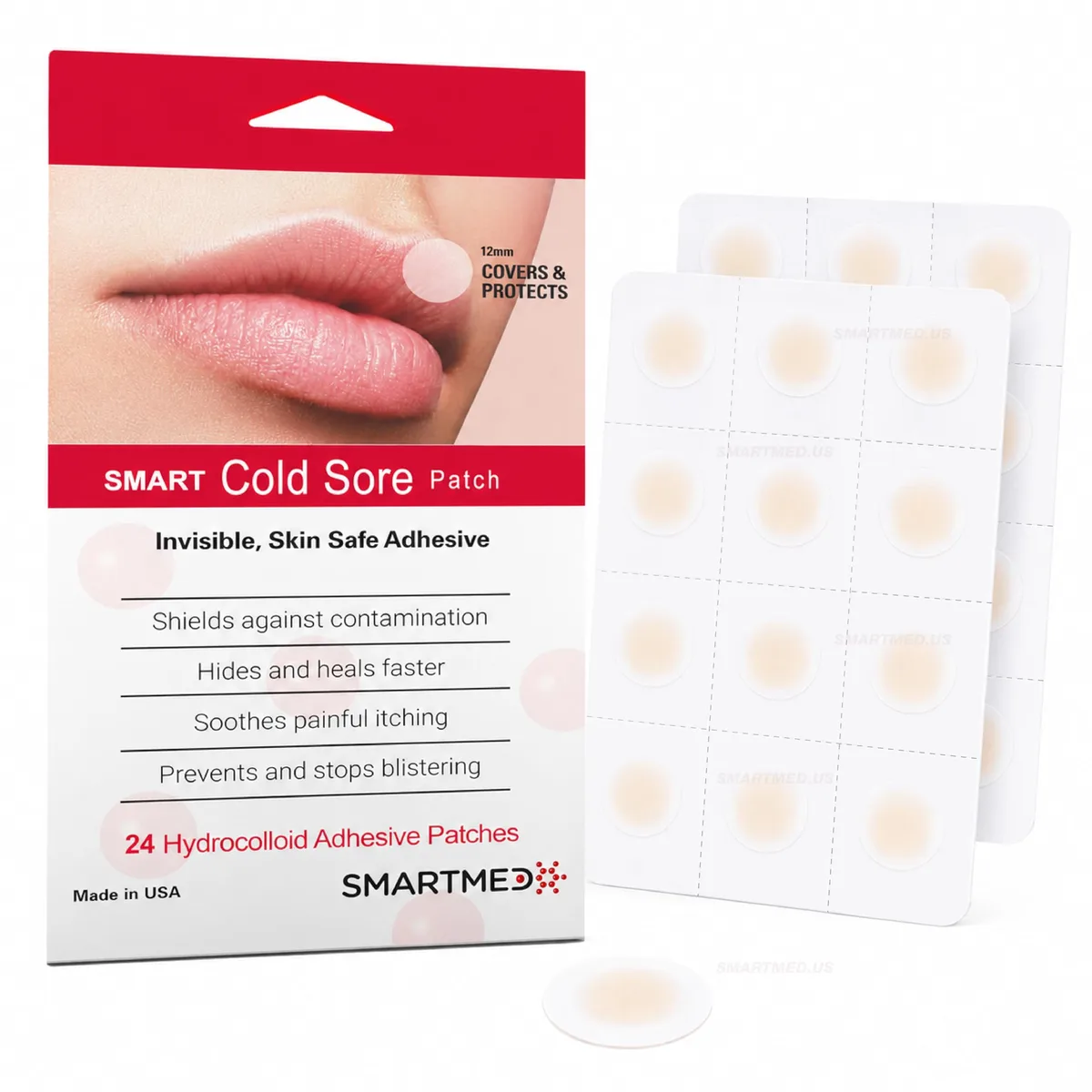
Envisioned as a key future innovation, smart patches could continuously monitor skin health and release active ingredients, adapting to individual needs in real-time for truly personalized skincare. (Source: amazon.com)
You might also like:
👉 GSA: US Public Sector AI Use Jumped 30% in 2022
👉 How US Department of Labor Uses NLP for Real-Time Job Market Insights