Ancient Asian Trade Routes: Shaping History & Global Economy
Uncover the profound impact of ancient Asian trade routes, from silk to spices, on global economies and cultures. Discover how these invisible threads wove the fabric of early civilizations.
The Invisible Threads: How Ancient Trade Routes in Asia Wove the Fabric of Civilization
Imagine a world without instant communication, without air freight, without the global marketplace that delivers exotic spices to your local store or rare minerals to your tech manufacturers. Now, rewind millennia. How did the coveted silk of China reach Roman emperors? How did the aromatic frankincense of Arabia anoint distant altars? How did the fiery pepper of India transform European cuisine? The answer lies in the sprawling, perilous, yet utterly indispensable ancient trade routes in Asia – a magnificent, millennia-spanning network that didn’t just move goods, but propelled cultures, technologies, religions, and even diseases across continents, fundamentally shaping the world we inhabit today. These were not mere paths; they were the arteries of antiquity, pumping the lifeblood of progress and exchange across vast, often hostile, landscapes.
The Silk Road: Asia’s Arterial Network
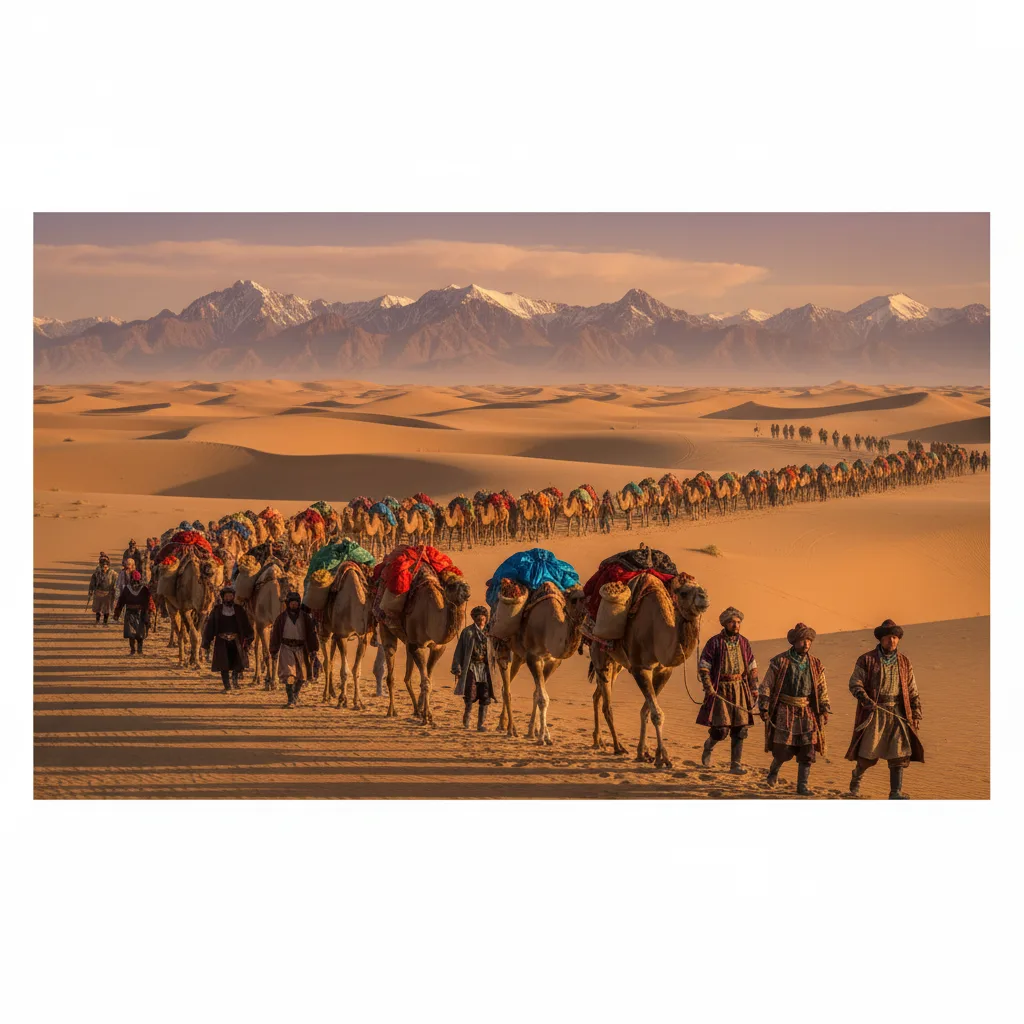
More than just a single path, the Silk Road was a dynamic lattice of terrestrial routes stretching over 6,500 kilometers, connecting the Han Dynasty’s heartland in China with the Mediterranean world. Its genesis is often traced to the intrepid journeys of Zhang Qian in the 2nd century BCE, a Chinese imperial envoy who ventured deep into Central Asia, bringing back not only knowledge of new lands but also a burgeoning demand for Chinese silk. This exquisite fabric, prized for its luster and softness, became the ultimate luxury good, driving a westward flow that saw it exchanged for gold, silver, wool, and horses.
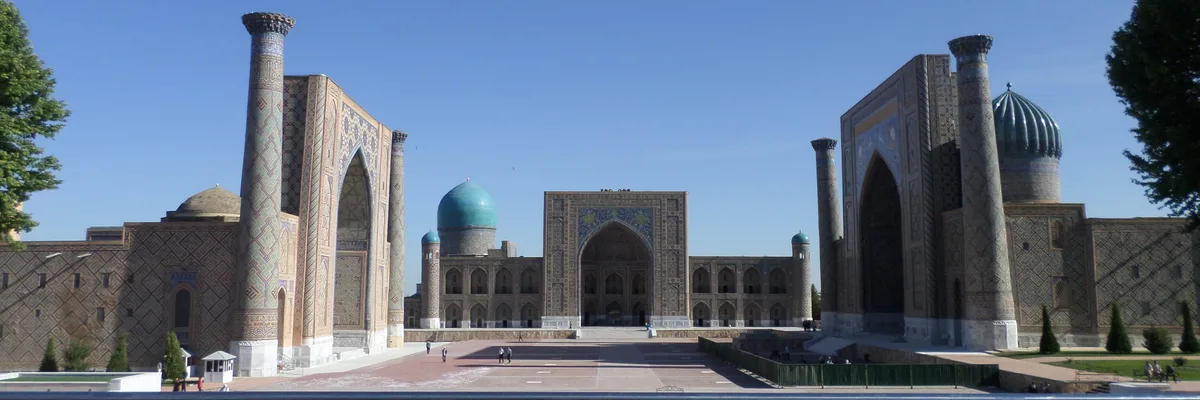 But the Silk Road was far more than a conduit for textiles. It was a grand exchange network for everything from **spices, tea, and ceramics** from the East to **glassware, wine, and precious metals** from the West. Key oasis cities like Samarkand, Bukhara, and Kashgar blossomed into vibrant multicultural hubs, resting places for weary caravans and melting pots for diverse peoples. Here, Parthian, Sogdian, Kushan, and later, Mongol merchants facilitated transactions, spoke multiple languages, and became the living bridges between empires. The Silk Road’s impact wasn't just economic; it allowed for the profound transmission of ideas, art, and philosophies, most notably the spread of Buddhism from India into China and beyond, etching its spiritual landscape forever.
The Spice Routes: Scenting Empires, Fueling Fortunes
While the Silk Road dominated land-based trade, the Spice Routes were the maritime equivalent, charting a course across the Indian Ocean and connecting the aromatic lands of Southeast Asia and India with the Middle East and the Mediterranean. For millennia, the quest for pepper, cinnamon, cloves, nutmeg, and ginger fueled daring voyages and colossal fortunes. These weren’t just culinary enhancements; spices were used as medicines, preservatives, perfumes, and even currency, their value often rivaling that of gold.
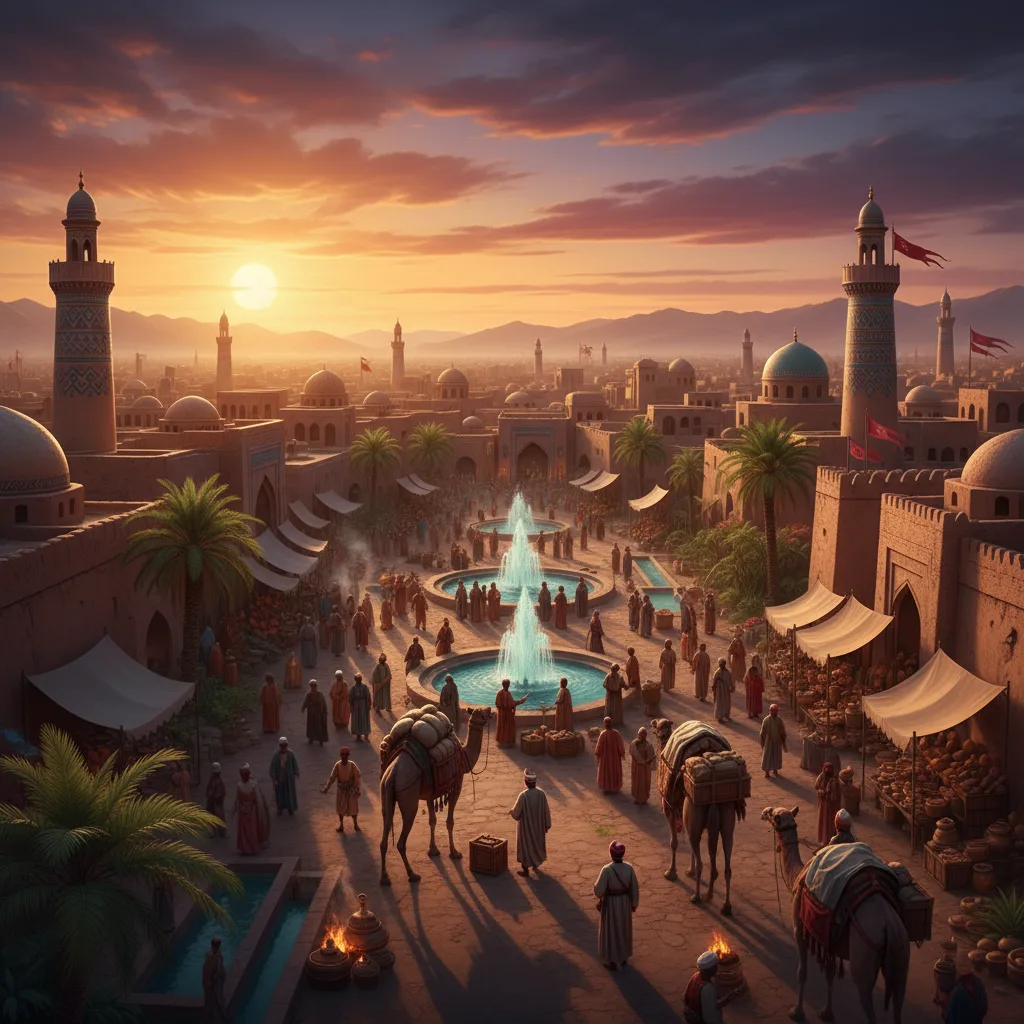
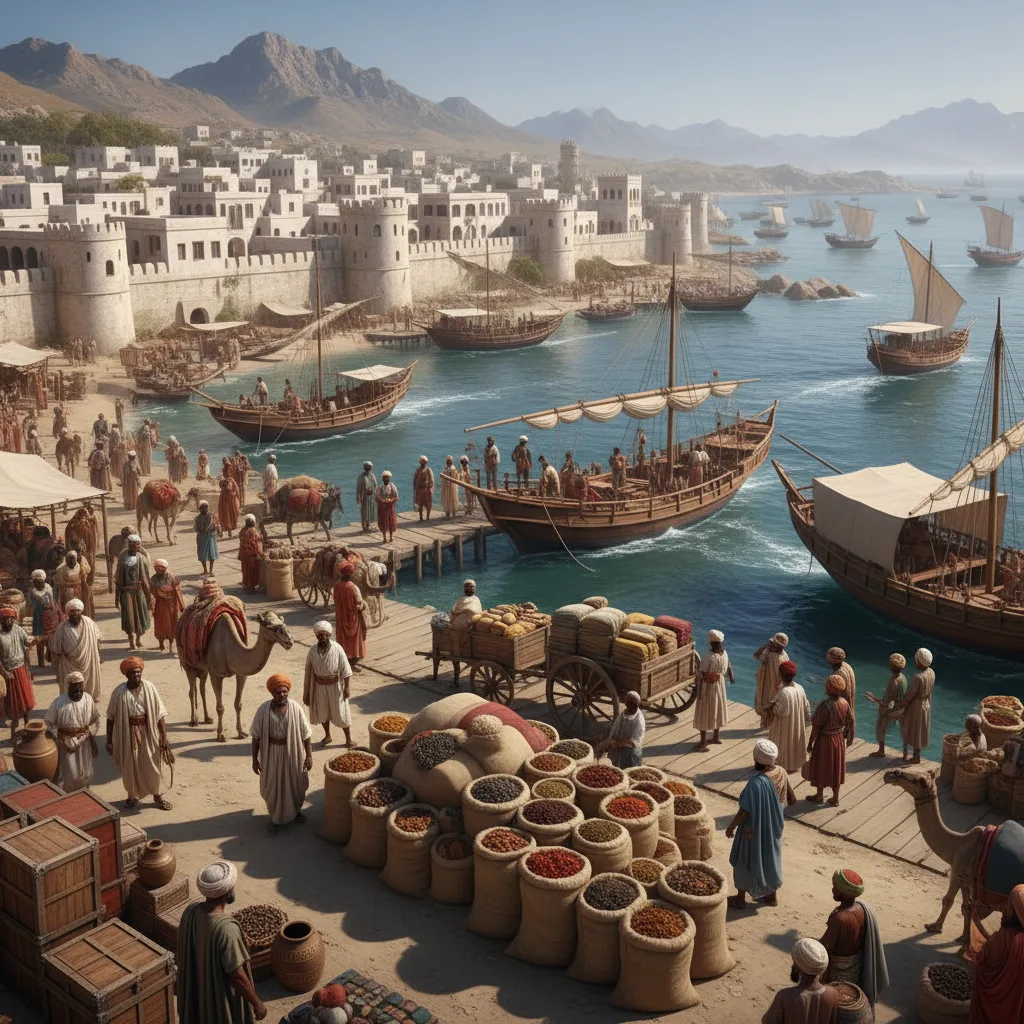
The ancient Egyptians, Phoenicians, Greeks, and Romans were all eager participants in this lucrative trade. By the 1st century CE, Roman mariners, guided by the discovery of reliable monsoon winds, perfected direct voyages across the Arabian Sea, drastically cutting travel times and costs. Ports like Muziris in India, Aden in Yemen, and later, Malacca in Malaysia, became global crossroads, bustling with ships known as dhows and junks, laden with fragrant treasures. This maritime network fostered a rich cultural fusion, leading to the establishment of vibrant trading communities and the spread of Hinduism, Buddhism, and later, Islam across the Indian Ocean rim, leaving an indelible mark on the coastal societies of Africa and Asia.
The Incense Road: From Arabian Deserts to Roman Altars
Few commodities commanded such reverence and value as frankincense and myrrh, the aromatic resins harvested from hardy trees in the southern Arabian Peninsula, primarily modern-day Oman and Yemen. These precious resins were essential for religious ceremonies, embalming practices, and perfumes across the ancient world, from the temples of Egypt to the altars of Rome. The perilous journey from their remote sources to distant markets gave rise to the legendary Incense Road.
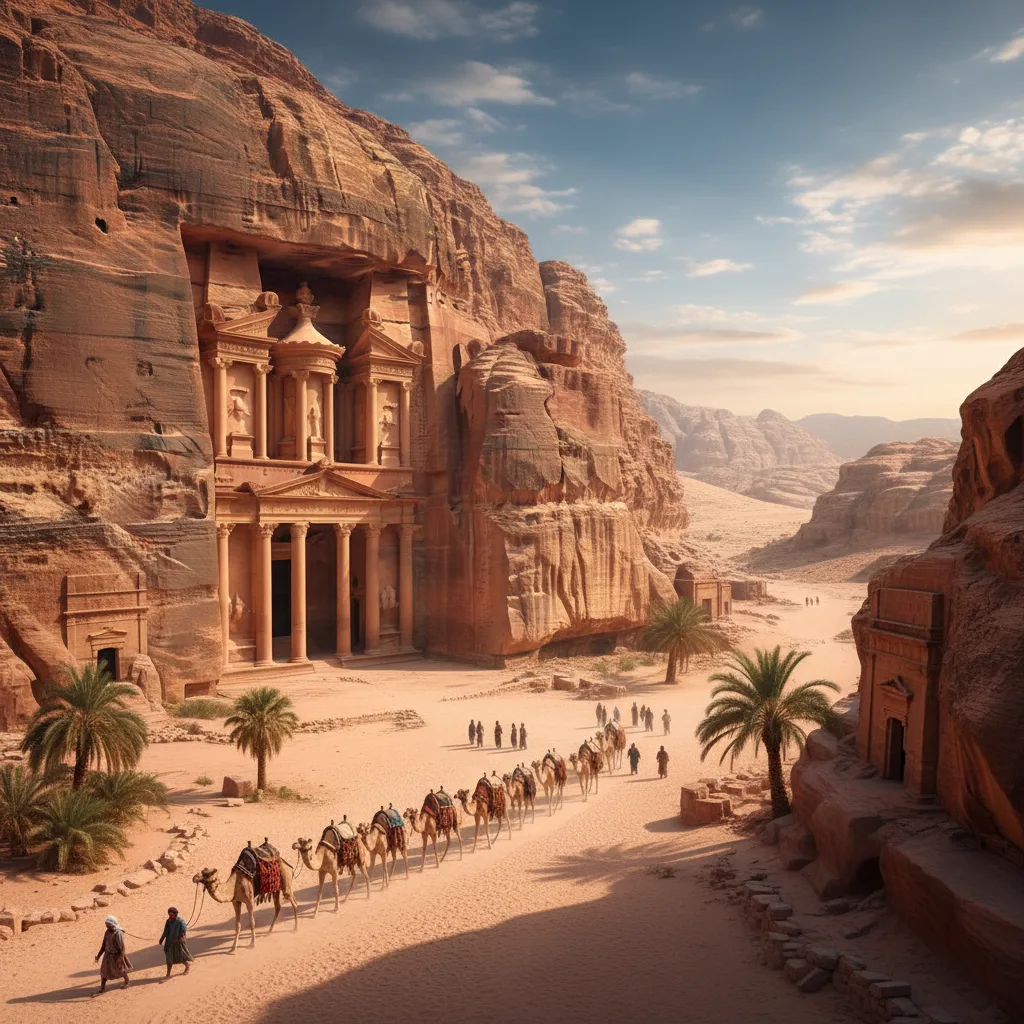
This formidable trade route, active from around the 7th century BCE, saw camel caravans numbering in the thousands traverse the scorching Arabian deserts, carrying immense wealth. Powerful kingdoms and cities arose along its path, acting as vital waypoints and toll collectors. Foremost among them were the Nabataeans, who carved the breathtaking city of Petra out of rose-red sandstone in present-day Jordan, perfectly positioned to control the northern reaches of the Incense Road. Their mastery of desert navigation and water conservation allowed them to thrive, transforming the harsh landscape into a thriving commercial artery. The fall of the Nabataeans and the rise of maritime routes eventually led to the decline of the Incense Road, but its legacy of desert ingenuity and spiritual commerce remains etched in the sands of time.
Beyond Silk and Spice: The Diverse Tapestry of Ancient Asian Trade Routes
While the Silk, Spice, and Incense Roads often capture the spotlight, the vastness of Asia was crisscrossed by countless other, equally vital, albeit lesser-known, trade networks. These routes were tailored to specific regional demands and unique local products, creating a complex web of interconnectedness. Take, for instance, the Tea Horse Road (Cha Ma Gu Dao), a brutal yet beautiful network of mountain trails winding through the rugged terrain of Southwest China and Tibet.
From the 7th century CE, this route facilitated the exchange of Pu-erh tea from Yunnan and Sichuan for the sturdy Tibetan ponies crucial for Chinese military campaigns. Along its treacherous path, porters carried enormous loads of tea bricks, often weighing over 60 kilograms, over dizzying altitudes, trading for salt, iron, and furs. Similarly, the Jade Road transported precious jade from the distant mines of Xinjiang to the workshops of imperial China, where it was transformed into symbols of power and spirituality. Other routes moved amber from the Baltic, furs from Siberia, and precious metals from Central Asia, each thread contributing to the intricate tapestry of ancient Asian commerce, proving that every corner of the continent had something valuable to offer and a path, however arduous, to deliver it.
The Human Engine: Merchants, Monks, and the Movement of Ideas
These ancient trade routes were not just geographical lines on a map; they were pathways for people, driven by a myriad of motivations. The merchants were the lifeblood of this system – often multilingual, adaptable, and incredibly resilient. The Sogdians, an ancient Iranian people from Central Asia, were particularly renowned. Masters of trade, they established far-flung trading colonies, serving as crucial intermediaries along the Silk Road, their linguistic prowess and business acumen facilitating exchange between East and West for centuries.
 But trade routes moved more than just goods. **Monks and missionaries** traveled alongside merchants, spreading their faiths across continents. Buddhist monks like Faxian and Xuanzang embarked on epic pilgrimages from China to India, bringing back scriptures and statuary that profoundly influenced Asian spirituality. Nestorian Christianity and Zoroastrianism also found new adherents along these routes. Crucially, these paths facilitated the diffusion of **technology and innovation**: Chinese papermaking, printing, and gunpowder traveled westward, while glassmaking and metallurgy moved eastward. Even devastating diseases, like the **Black Death**, hitched rides on these caravans and ships, reminding us that exchange, in all its forms, carries both blessings and curses across the globe, leaving us to wonder what other secrets these ancient travelers carried.
Echoes of Antiquity: The Enduring Legacy of Ancient Trade Routes in Asia
The impact of these ancient trade routes reverberates through history, shaping not only the past but also influencing the present and future. They were the original engines of globalization, demonstrating humanity’s innate drive to connect, exchange, and innovate across vast distances. The rise and fall of empires were often inextricably linked to their control or loss of these vital arteries. The Parthian and Kushan empires thrived by mediating Silk Road trade, while the Roman Empire’s insatiable demand for Eastern luxuries led to significant outflows of gold, impacting its economy.
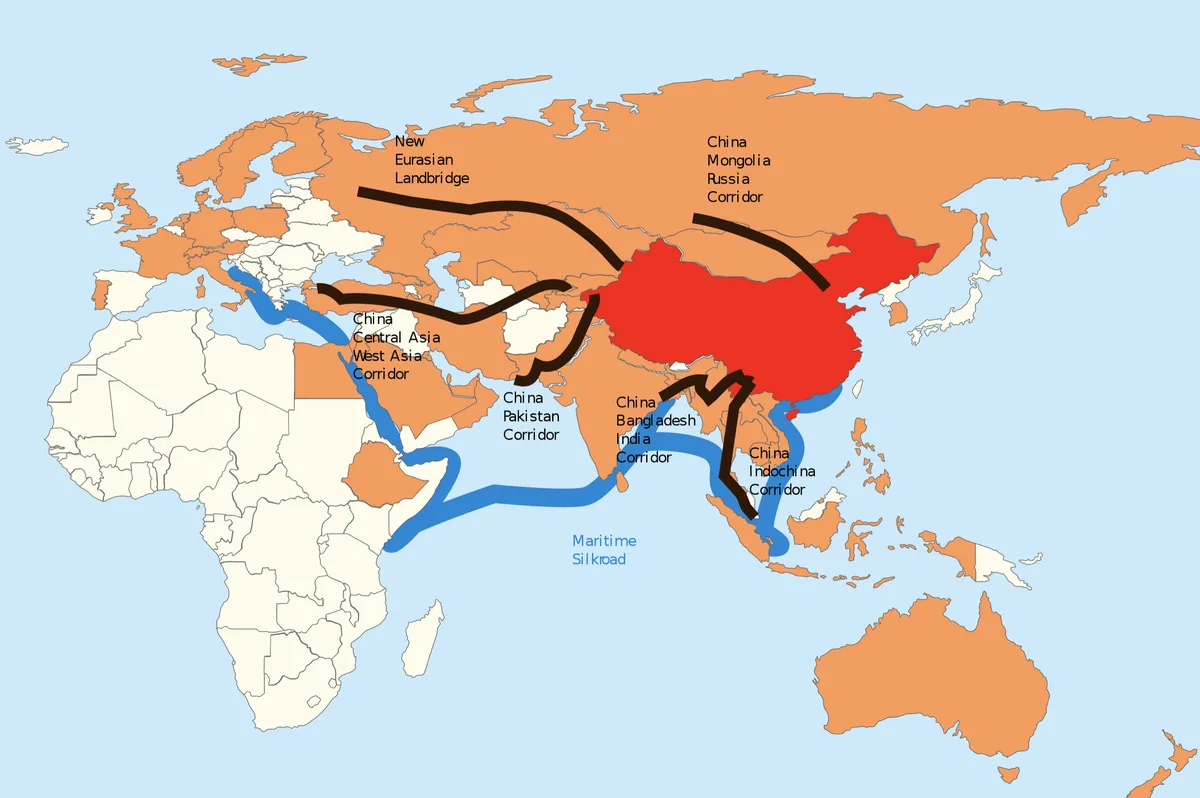 Beyond economics and geopolitics, the cultural legacy is profound. The syncretism of art forms, the borrowing of languages, the fusion of culinary traditions, and the spread of religious philosophies all owe a debt to these ancient paths. The very concept of a shared human heritage, transcending geographical and political boundaries, was forged in the caravanserais and port cities along these routes. Even today, modern initiatives like China's Belt and Road Initiative subtly echo the ambitions of these ancient networks, seeking to reconnect and revitalize the economic and cultural ties that once bound continents, reminding us that the human desire for connection and commerce is an eternal force.
Conclusion
From the shifting sands of the Silk Road to the monsoon-swept waves of the Spice Routes, and the arduous treks of the Incense Road, the ancient trade routes in Asia were far more than mere pathways for goods. They were the grand conduits of human endeavor, curiosity, and ingenuity. These intricate networks fostered unprecedented cultural exchange, propelled technological innovation, spread profound religious philosophies, and ultimately laid the foundational groundwork for our interconnected world. They remind us that long before satellites and fiber optics, it was the courage of merchants, the wisdom of monks, and the sheer audacity of human ambition that wove the invisible threads connecting disparate civilizations, leaving an indelible legacy that continues to shape our shared global tapestry.
You might also like:
👉 Famous Ancient Chinese Dynasties: Legacy, Innovation & Influence
👉 Cultural Differences: Asia vs Europe in Economy, AI & Geopolitics
👉 AI & Future of International Trade: Global Commerce Reshaped