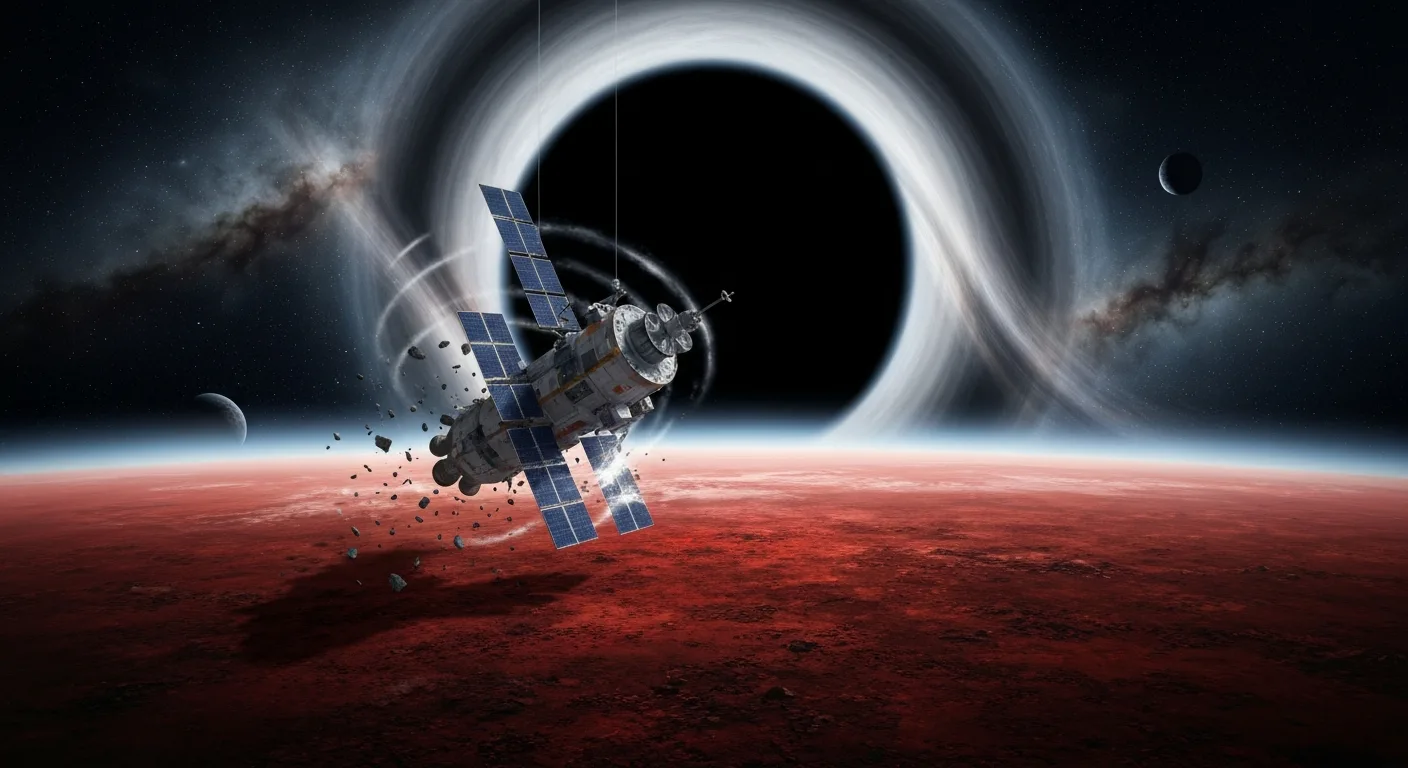
Apollo 1 Fire: How 3 Astronauts Died in 1967
The Apollo 1 fire on January 27, 1967, tragically killed three astronauts, revealing the brutal risks of space exploration and its hostile environment.
The fire erupted fast. On January 27, 1967, Virgil “Gus” Grissom, Edward White II, and Roger Chaffee were in their Apollo 1 command module, running a launch rehearsal. Ten minutes before a planned power-down, flames filled the cabin. All three astronauts died.
This tragedy showed the brutal risks of leaving Earth. Space exploration pushes human limits against a hostile environment. Astronauts face space’s vacuum, extreme temperatures, and powerful radiation. Their vehicles must withstand incredible forces. We’ve explored beyond our planet for decades. Missions have ranged from low Earth orbit to the Moon and robotic probes to distant planets. Every journey demands huge technology. Every mission risks lives and gear.
Launch and re-entry: a deadly gauntlet
The Apollo 1 fire taught NASA a harsh lesson. A pure oxygen atmosphere, pressurized above normal, fed the flames. The inward-opening hatch prevented escape. The disaster forced a complete redesign of the Apollo command module. NASA set stricter safety rules.
But dangers persisted. On January 28, 1986, the Space Shuttle Challenger lifted off from Kennedy Space Center. Seventy-three seconds into flight, it disintegrated over the Atlantic Ocean. All seven crew members died. An O-ring seal in a solid rocket booster failed due to cold temperatures. Hot gases escaped, igniting the external fuel tank.
Years later, another shuttle mission ended in disaster. On February 1, 2003, Space Shuttle Columbia re-entered Earth’s atmosphere. A piece of foam insulation had struck its left wing during launch. This impact created a hole. Hot gases entered the wing during re-entry. The wing structure failed, causing the shuttle to break apart. Seven astronauts perished.
These incidents show the immense forces at play during launch and re-entry. Engineers refine designs constantly. But no system is perfect. Traveling through Earth’s atmosphere remains extremely hazardous. Each flight is a gamble against physics. It takes immense human courage.
Deep space: silent killers
Deep space holds new dangers. Lethal radiation fills space. Solar particle events (SPEs) are bursts of high-energy particles from the Sun. Galactic cosmic rays (GCRs) originate from distant supernovae. Both can damage DNA and cause radiation sickness.
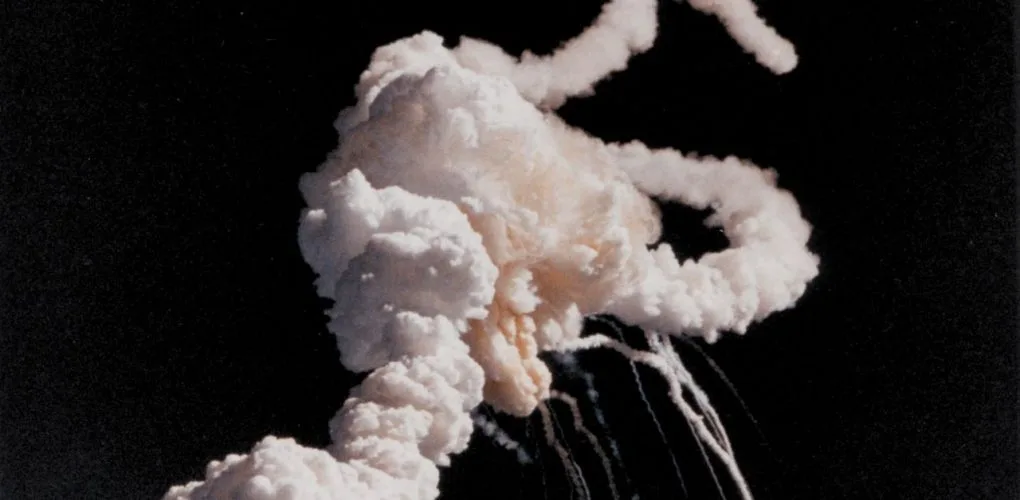
The Space Shuttle Challenger disintegrated 73 seconds after launch on January 28, 1986, killing all seven crew members. An O-ring seal failure in a solid rocket booster, exacerbated by cold temperatures, led to the catastrophic explosion. (Source: spacesafetymagazine.com)
Astronauts on the International Space Station receive about 0.3 to 0.5 millisieverts of radiation per day, according to NASA. This is far more than people on Earth. For longer missions, like to Mars, cumulative doses worry experts. Dr. Francis Cucinotta, a radiation health expert at NASA, has extensively studied these risks. He warns of increased cancer rates and central nervous system damage. Shielding spacecraft is a huge engineering challenge.
Microgravity, the near-weightless environment, also hurts the body. Astronauts experience significant bone density loss. Their muscles atrophy without the constant strain of gravity. Dr. Scott Kelly, who spent a year aboard the ISS, experienced vision changes. This condition, called Space-Associated Neuro-ocular Syndrome (SANS), affects many long-duration flyers. His twin study gave important data on these body changes. Returning to Earth after months in space needs extensive rehabilitation.
The human body simply isn’t designed for long-term space living. Exercise and special diets help. Still, we don’t fully understand the long-term effects of deep space exposure. Future missions will face even bigger body challenges.
Mind games: isolation in space
Long space missions test the mind. Astronauts live in confined spaces for months or years. They are thousands or millions of miles from home. Isolation, tight spaces, and being away from loved ones strain the mind.
In 1999, psychologist Jack Stuster published “Bold Endeavors.” He studied human behavior in isolated, confined, and extreme places. He found that boredom, sleep disruption, and interpersonal conflicts are common. These factors can degrade crew performance. Russian cosmonaut Valeri Polyakov holds the record for the longest single stay in space. He spent 437 days aboard the Mir space station. His mission showed how much humans can endure.
Communication delays make isolation worse. A message to Mars takes 3 to 22 minutes to reach Earth. A real-time conversation is impossible. This delay means astronauts must be highly autonomous. They need to solve problems without immediate guidance from mission control. This immense responsibility adds to mental stress.
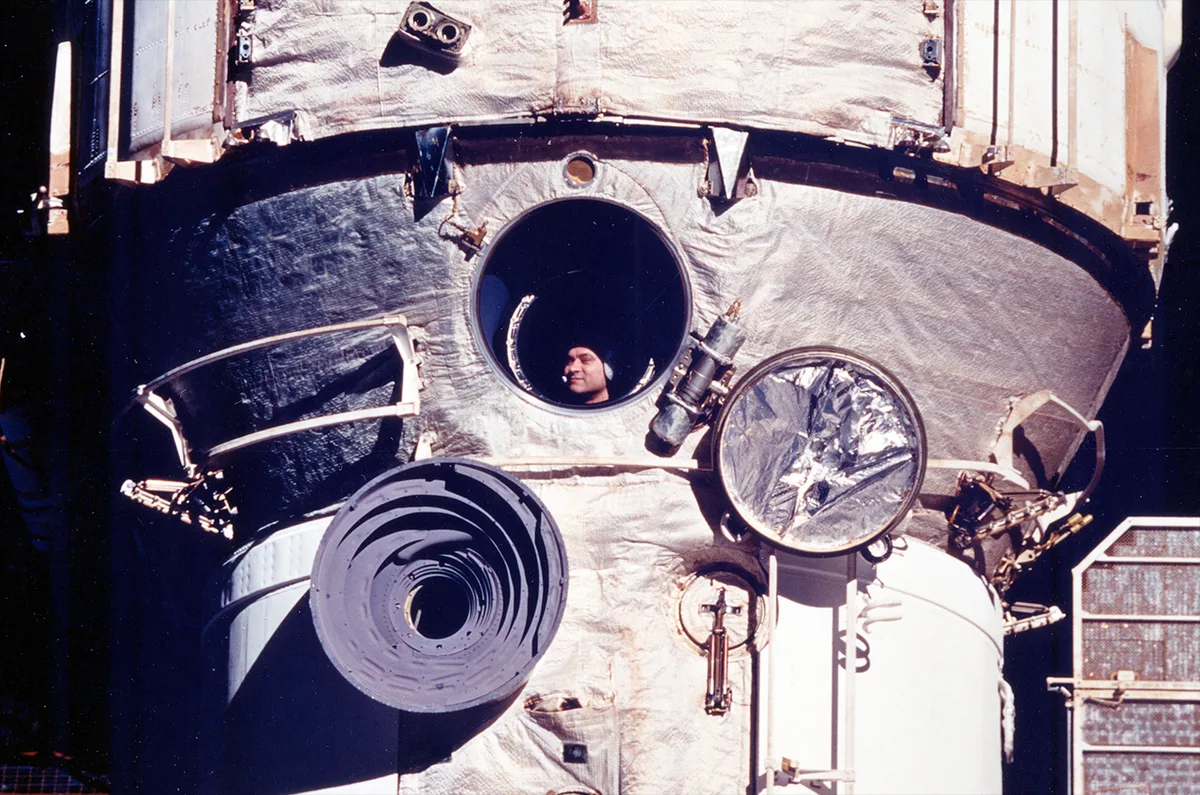
Russian cosmonaut Valeri Polyakov holds the record for the longest single stay in space, enduring 437 days aboard the Mir space station from 1994-1995. His mission provided crucial insights into human psychological and physical endurance during extreme isolation, a major danger of long-duration spaceflight. (Source: space.com)
A crew’s mental health matters as much as their physical health. We need to pick tough people. We also need strong mental health support. Future missions will test these limits even more.
New frontiers, new dangers
In 2023, the International Space Station orbits 400 kilometers above Earth. It faces a growing, invisible threat: space junk. Millions of old satellites, rocket parts, and tools circle our planet. These objects range from tiny paint flecks to large defunct spacecraft. Even small fragments travel at thousands of kilometers per hour. They can destroy active satellites and crewed missions.
The European Space Agency (ESA) estimates over 36,500 pieces larger than 10 cm are in orbit. Millions more are smaller. A collision could create even more junk. This scenario, known as the Kessler Syndrome, could make certain orbits unusable. Protecting spacecraft from these impacts is a tough, ongoing challenge.
Another danger is planetary contamination. As we explore other worlds, we risk introducing Earth microbes. We also risk bringing alien microbes back to Earth. NASA’s Office of Planetary Protection sets strict rules. They stop biological cross-contamination. This keeps scientific study pure. It also protects Earth’s life.
We keep exploring. Every new frontier brings new dangers. From launchpad explosions to invisible radiation, the challenges are immense. Yet, we persist. Curiosity and the hunger for knowledge drive us. Space exploration’s future needs innovation. It needs deep respect for the cosmos’ dangers.
FAQ
What’s the greatest danger for astronauts? Launch and re-entry failures are the most immediate dangers. These events involve massive energy and complex machines. For long missions, radiation exposure is the main worry.
How do astronauts deal with radiation? Astronauts use shielding on spacecraft and habitats. They also plan missions to avoid solar flares. Scientists keep researching advanced materials and medical ways to protect them.
Are there psychological tests for astronauts? Yes, astronaut candidates get tough psychological tests. These tests check their toughness, teamwork, and stress handling. Training includes simulations of isolated, confined places.
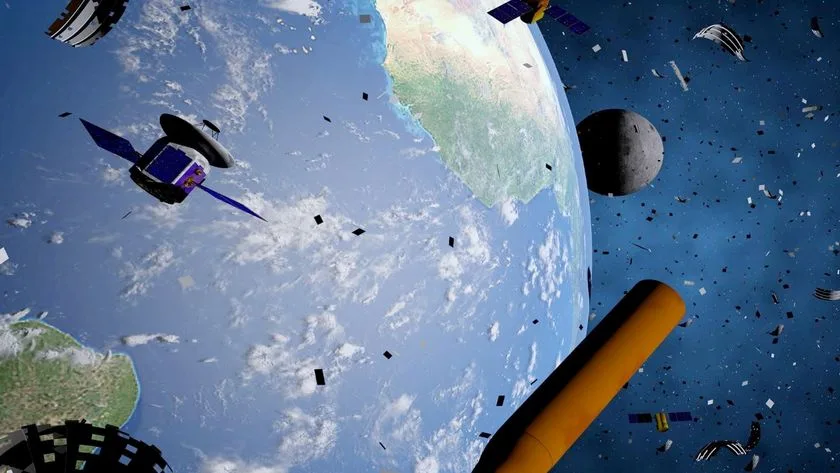
An invisible threat, space junk consists of millions of defunct satellites, rocket parts, and tools orbiting Earth. The European Space Agency (ESA) estimates over 36,500 pieces larger than 10 cm are in orbit, posing a significant collision risk to active spacecraft. (Source: space.com)
What about space junk? Space junk threatens everything in orbit. Agencies track larger pieces. They move spacecraft to safety. Scientists are also finding ways to remove junk from orbit.
You might also like:
👉 Challenger’s 73 Seconds: The 1986 Disaster That Shocked NASA
👉 The $546 Billion Space Race: Private Money, Global Rivalries
👉 Space Colonization: The Grand Illusion & Earth’s Real Solutions