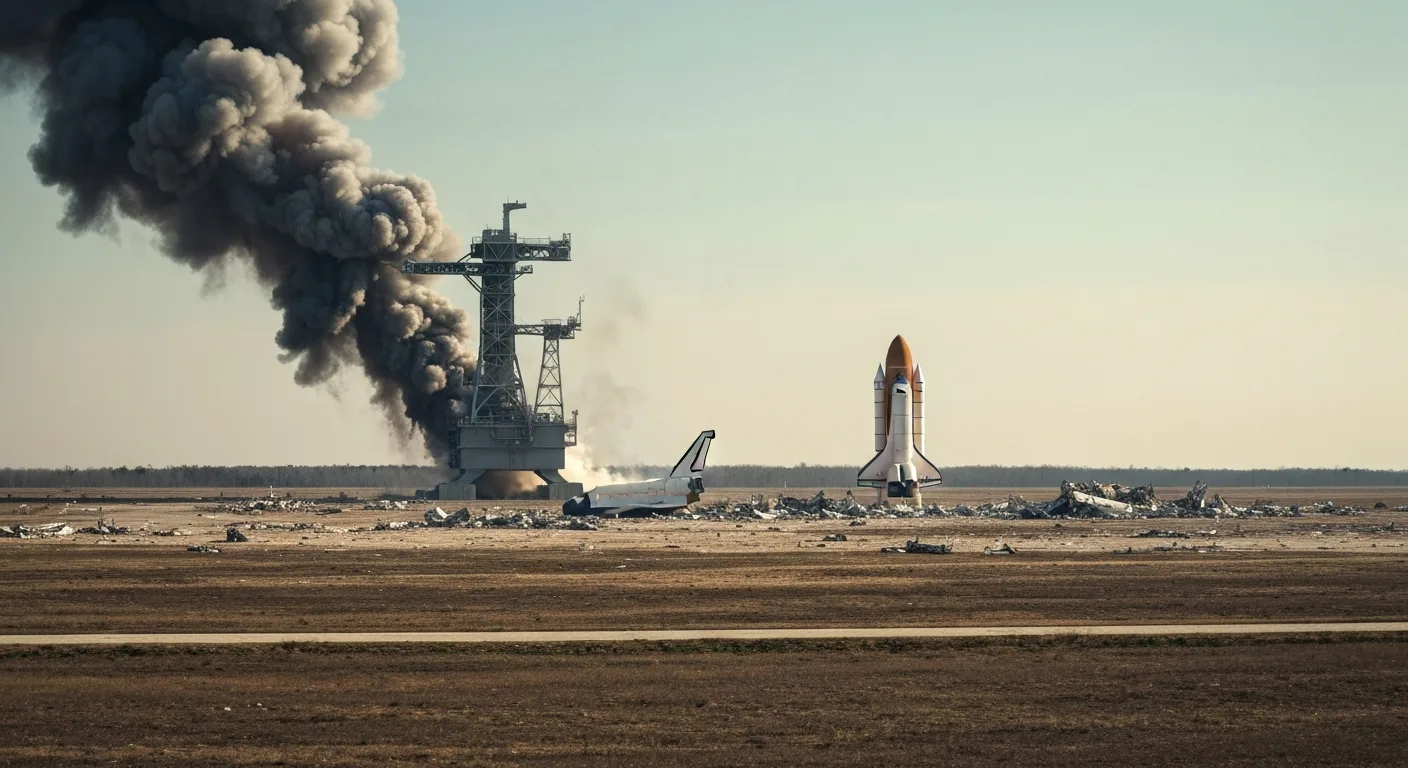
Challenger's 73 Seconds: The 1986 Disaster That Shocked NASA
On January 28, 1986, the Space Shuttle Challenger exploded just 73 seconds after liftoff, killing all seven astronauts and revealing deep flaws at NASA.
It was a cold morning, January 28, 1986. Seventy-three seconds after liftoff, the Space Shuttle Challenger exploded. All seven astronauts died. The disaster affected NASA and the nation. It revealed serious problems in engineering and management.
The STS-51L mission launched from Kennedy Space Center, Florida. Debris fell into the Atlantic Ocean. Aboard were Commander Francis R. Scobee and Pilot Michael J. Smith. Mission Specialists included Ronald E. McNair, Ellison S. Onizuka, and Judith A. Resnik. Gregory B. Jarvis and Christa McAuliffe, the first teacher in space, also flew. NASA wanted to make spaceflight routine. Challenger was its second operational orbiter.
This mission would deploy a satellite and study Halley’s Comet. It also carried McAuliffe, bringing space closer to the public. The launch happened at 11:38 AM EST.
Temperatures at the launch pad were just 36 degrees Fahrenheit. This was much colder than any previous launch. This unusual cold became disastrous. Millions watched live, including many schoolchildren.
Engineers Warned. Managers Pushed.
The evening before launch, engineers at Morton Thiokol, the Solid Rocket Booster (SRB) contractor, warned NASA about the risks. Roger Boisjoly, a Thiokol engineer, raised concerns. He showed data that O-ring seals became brittle in cold temperatures.
These O-rings stop hot gases from escaping the SRB joints. Boisjoly’s team feared cold weather would make the seals fail. He presented alarming data to managers. O-rings had never been tested below 53 degrees Fahrenheit.
NASA managers pressured Thiokol to proceed anyway. Lawrence Mulloy, NASA’s SRB project manager, reportedly questioned Thiokol’s delay recommendation. George Hardy, another NASA manager, also pushed for a decision. He cited past successful launches with minor O-ring erosion.
Morton Thiokol management first recommended against launch. After discussions with NASA officials, they reversed their decision. Thiokol Vice President Joe Kilminster told his engineers to “put on their management hats.” This ignored engineering judgment.
Allan McDonald, a Thiokol engineer, refused to sign the launch recommendation. He cited crew safety. The Presidential Commission on the Space Shuttle Challenger Accident later found Thiokol management overruled its own engineers. They did this without a good engineering reason.
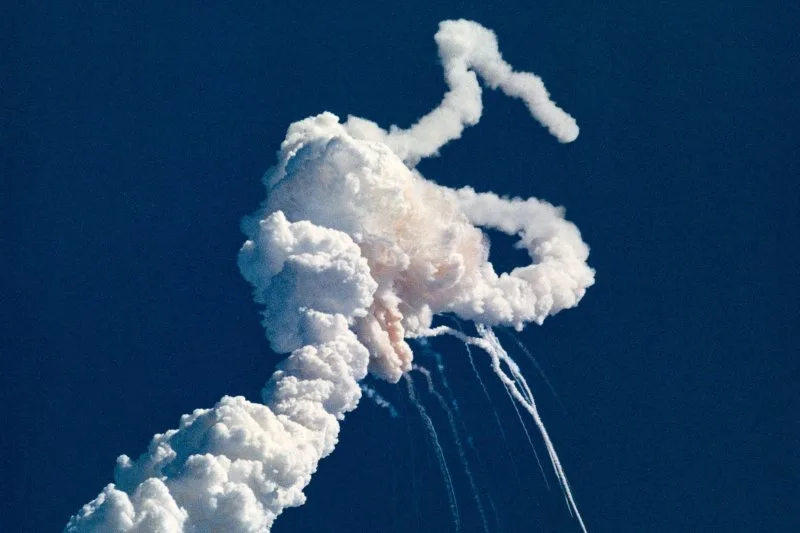
The O-ring seals, critical components in the Space Shuttle Challenger's Solid Rocket Boosters, became brittle in the unusually cold launch temperatures, leading to their failure and the catastrophic explosion on January 28, 1986. (Source: upi.com)
NASA’s “go fever” culture put schedule over safety, the Rogers Commission stated. This helped ignore key warnings. The decision process was broken. It ignored the experts closest to the hardware.
The Rogers Commission Investigates
President Ronald Reagan formed the Rogers Commission on February 3, 1986. This independent panel investigated the accident. William P. Rogers, former Secretary of State, chaired it. Nobel laureate physicist Richard Feynman was an important member.
Neil Armstrong, the first man on the moon, also served. The commission interviewed many people and examined evidence. They fully explained the disaster’s causes.
The commission found the right Solid Rocket Booster failed. Cold temperatures damaged the SRB’s primary and secondary O-ring seals. Hot combustion gases then burned through these seals. This breached the SRB wall. A plume of flame became visible just after launch. It came from the booster joint.
Richard Feynman demonstrated O-rings lost flexibility with a simple experiment. He compressed an O-ring in ice water. This showed its inability to spring back. His findings revealed a major design flaw.
Feynman stated the material lost its flexibility at low temperatures. This stopped the O-ring from sealing the joint gap. His physical demonstration was compelling. It showed the O-ring’s weakness to cold.
The commission also found organizational problems. These included a broken decision process at NASA. Communication breakdowns between engineers and management helped cause the disaster. NASA’s “go fever” culture also pressured staff to launch on time.
The flame plume hit the external fuel tank. This ignited the liquid hydrogen and oxygen propellant. The structure failed, destroying the orbiter. It broke apart at 46,000 feet. The crew compartment separated from the vehicle. It continued on a ballistic path.
Investigators later recovered the crew compartment from the ocean floor. We don’t know the exact time the astronauts died. Their module hit the Atlantic Ocean at over 200 miles per hour.
Legacy and Aftermath
The Challenger disaster stopped the Space Shuttle program for almost three years. This time focused on safety, not schedules. NASA made big changes. They redesigned the Solid Rocket Boosters.
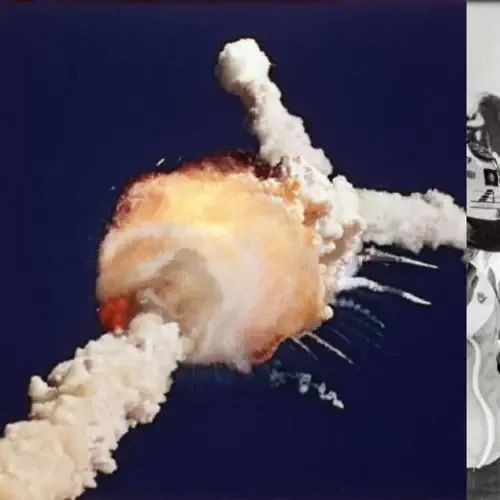
Just 73 seconds after liftoff on January 28, 1986, the Space Shuttle Challenger broke apart at 46,000 feet, a catastrophic failure caused by a breach in its Solid Rocket Booster. (Source: allthatsinteresting.com)
New, independent oversight offices were created. Communication between engineers and management improved. NASA formed the Office of Safety, Reliability, and Quality Assurance. This office reported directly to the NASA Administrator.
Morton Thiokol redesigned the SRB field joints. They added a third O-ring. A heater strip also went around the joint. This kept cold temperatures from affecting the seals.
Losing all seven astronauts significantly changed how people saw space travel. Christa McAuliffe’s presence made the tragedy especially sad. As a teacher, she brought space exploration closer to everyday Americans. President Reagan addressed the nation, honoring the crew.
The disaster showed the dangers of spaceflight. It changed how future programs designed and approached safety. NASA emphasized strict safety procedures for later missions. The International Space Station program used these lessons.
The accident led to rethinking the Space Shuttle’s role. It was once seen as routine space travel. After Challenger, it became clear that spaceflight was dangerous. Fewer missions flew.
The Challenger disaster serves as a reminder of engineering ethics. It shows how important it is to listen to experts. The accident’s lessons continue to influence aerospace safety worldwide. We remember the lost crew. Their sacrifice helped make future space travel safer for everyone.
FAQ
What caused the Challenger disaster? The Challenger disaster happened because O-ring seals in the right Solid Rocket Booster failed. Cold temperatures on launch day damaged these seals. This let hot gases escape and ignite the external fuel tank.
Who were the astronauts on Challenger? The seven astronauts were Francis R. Scobee, Michael J. Smith, Ronald E. McNair, Ellison S. Onizuka, Judith A. Resnik, Gregory B. Jarvis, and Christa McAuliffe. McAuliffe was a high school teacher in the “Teacher in Space” program.
What changes did NASA make after the disaster? NASA redesigned the Solid Rocket Boosters and put in place stricter safety rules. They also created independent safety oversight. The agency improved communication between engineers and management.
Was the crew aware of the coming disaster? The crew likely didn’t know an explosion was coming. The structure broke apart fast, within seconds. The cabin stayed intact briefly after the initial breakup.
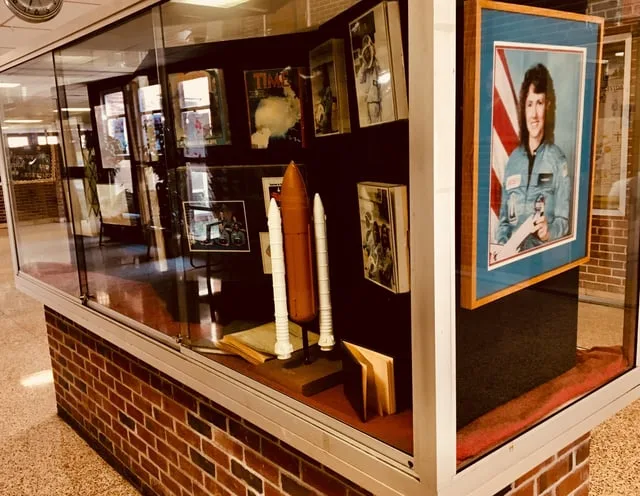
Christa McAuliffe, a high school teacher from New Hampshire, was selected for NASA's 'Teacher in Space' program, aiming to inspire students and bring space exploration closer to everyday Americans. Her presence on the Challenger mission made the tragedy especially poignant for many. (Source: reddit.com)
You might also like:
👉 Space Colonization: The Grand Illusion & Earth’s Real Solutions
👉 The $546 Billion Space Race: Private Money, Global Rivalries