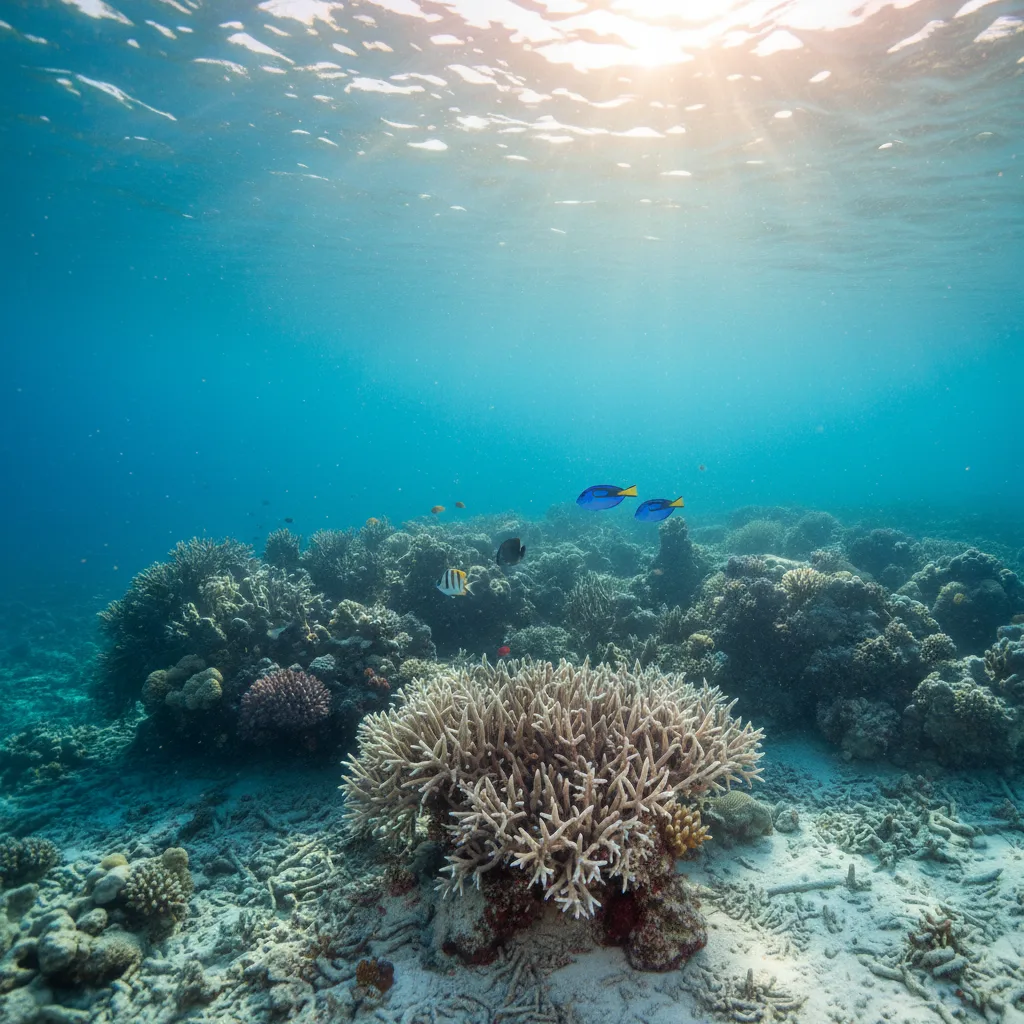
Climate Change's Silent Impact: How It Alters Ocean Ecosystems
Discover the urgent reality of how climate change is fundamentally altering ocean ecosystems. Explore the grim threats to marine life and the silent crisis unfolding in our deep seas.
The Silent Scream of the Deep: How Climate Change Affects Ocean Ecosystems By Unraveling Their Very Fabric
Imagine a world where the very air you breathe slowly turns toxic, your home dissolves around you, and the food you depend on vanishes. This isn’t a dystopian novel; it’s the grim reality facing our planet’s marine life. For decades, scientists have issued warnings, but the urgency has never been clearer: climate change affects ocean ecosystems by fundamentally altering their chemistry, temperature, and biological rhythms, pushing them to the brink. From the smallest plankton to the largest whales, no corner of our blue planet remains untouched. TrendSeek invites you on a journey beneath the waves to uncover the profound and often invisible shifts reshaping the world’s most vital resource.
Ocean Warming: The Great Heatwave Under the Waves
Perhaps the most visceral impact of climate change on our oceans is the relentless rise in temperature. The ocean has absorbed over 90% of the excess heat generated by human activities since the 1970s, acting as a massive buffer against even more dramatic atmospheric warming. But this thermal absorption comes at a devastating cost. Marine heatwaves, once rare, are becoming more frequent, longer-lasting, and more intense, turning vast swathes of the ocean into ecological hot zones.
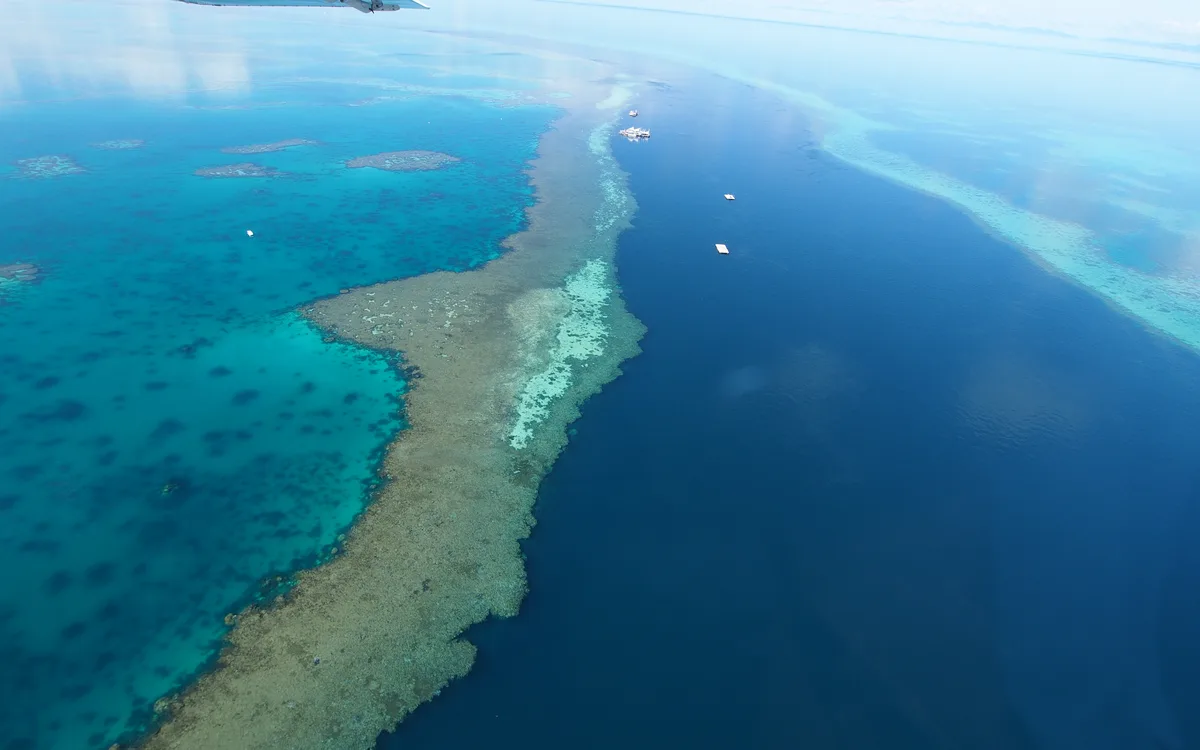 The most iconic casualty of ocean warming is undoubtedly **coral bleaching**. When water temperatures rise too high, corals expel the symbiotic algae (zooxanthellae) that live in their tissues, providing them with food and vibrant color. The corals turn ghostly white and, if temperatures don't quickly return to normal, they starve and die. Australia's magnificent Great Barrier Reef, a UNESCO World Heritage site, has endured multiple mass bleaching events since 2016, leading to significant coral mortality and a stark reminder of the global crisis unfolding beneath the surface.
Beyond corals, warmer waters disrupt the entire marine food web. Many species, from microscopic plankton to commercially valuable fish like cod, are forced to migrate towards cooler, often poleward, waters to survive. This displacement creates a domino effect: predators lose their prey, new competitors emerge, and ecosystems designed over millennia are thrown into disarray. The Pacific Ocean’s notorious “Blob” marine heatwave from 2013-2016, for instance, devastated kelp forests along the U.S. West Coast, leading to a collapse in sea urchin predators and a subsequent explosion of urchins that decimated remaining kelp beds.
Ocean Acidification: The Unseen Corrosion
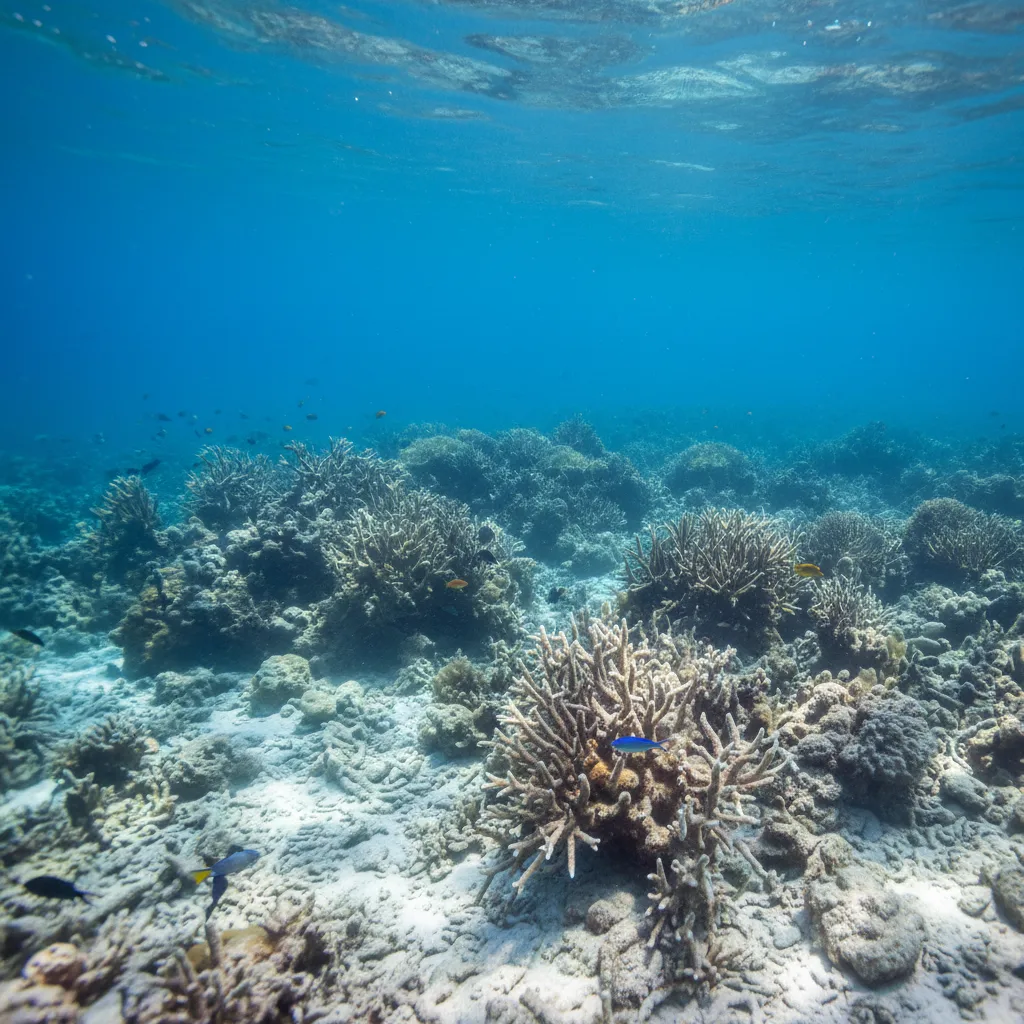
While warming is a visible threat, ocean acidification represents a more insidious, silent killer. As atmospheric carbon dioxide (CO2) levels rise, the ocean absorbs a significant portion of it. This absorbed CO2 reacts with seawater to form carbonic acid, which in turn reduces the ocean’s pH – making it more acidic. Since the start of the Industrial Revolution, the average pH of the ocean surface has dropped by about 0.1 units, representing a roughly 30% increase in acidity.
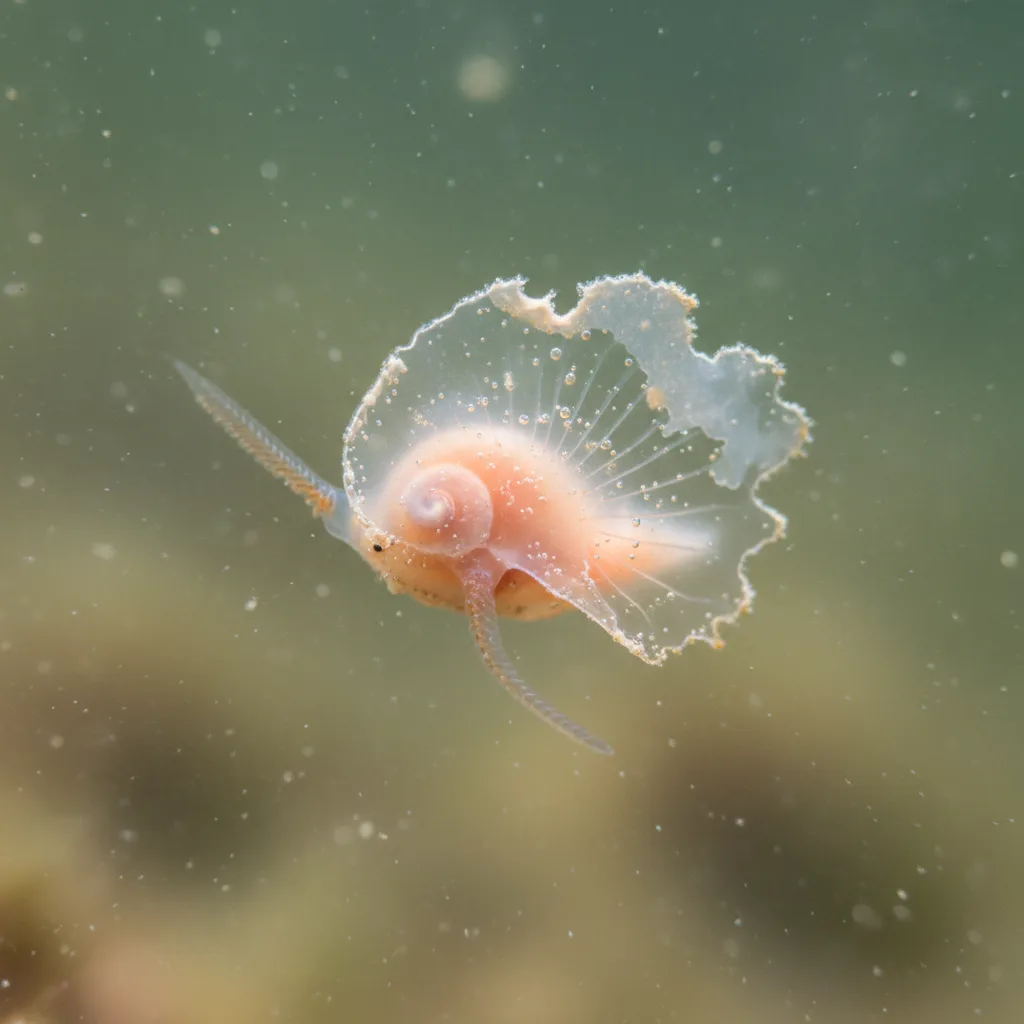
This seemingly small shift has enormous implications for organisms that build shells and skeletons out of calcium carbonate. These include vital components of the marine food web such as shellfish (oysters, clams, mussels), sea urchins, plankton like pteropods (sea butterflies), and, of course, corals. As the water becomes more acidic, it becomes harder for these creatures to extract carbonate ions to build their protective structures, and in extreme cases, existing shells can even begin to dissolve.
The economic consequences are already being felt. In the Pacific Northwest of the United States, oyster hatcheries like the Taylor Shellfish Farms have faced significant challenges due to increasingly acidic waters affecting larval development. Scientists at the National Oceanic and Atmospheric Administration (NOAA) have worked with the industry to develop monitoring and mitigation strategies, but it underscores how climate change affects ocean ecosystems by directly impacting key commercial operations and the livelihoods they support.
Deoxygenation: The Ocean’s Suffocation
Our warming, acidifying oceans are also struggling to breathe. Deoxygenation, the reduction of dissolved oxygen in seawater, is another critical consequence of climate change. Warmer water holds less dissolved gas, meaning that as the ocean heats up, its capacity to retain oxygen diminishes. Furthermore, increased stratification – where warmer, lighter surface water sits atop colder, denser water – reduces the mixing that typically replenishes oxygen in deeper layers.
These processes lead to the expansion of existing Ocean Minimum Oxygen Zones (OMZs) and the formation of new “dead zones” where oxygen levels plummet to hypoxic or even anoxic (zero oxygen) conditions. Marine life, especially bottom-dwelling organisms and slow-moving species, cannot survive in these zones. Fish, squid, and crabs are forced to flee, compressing their habitats into increasingly smaller, oxygen-rich areas, making them more vulnerable to predation and fishing.
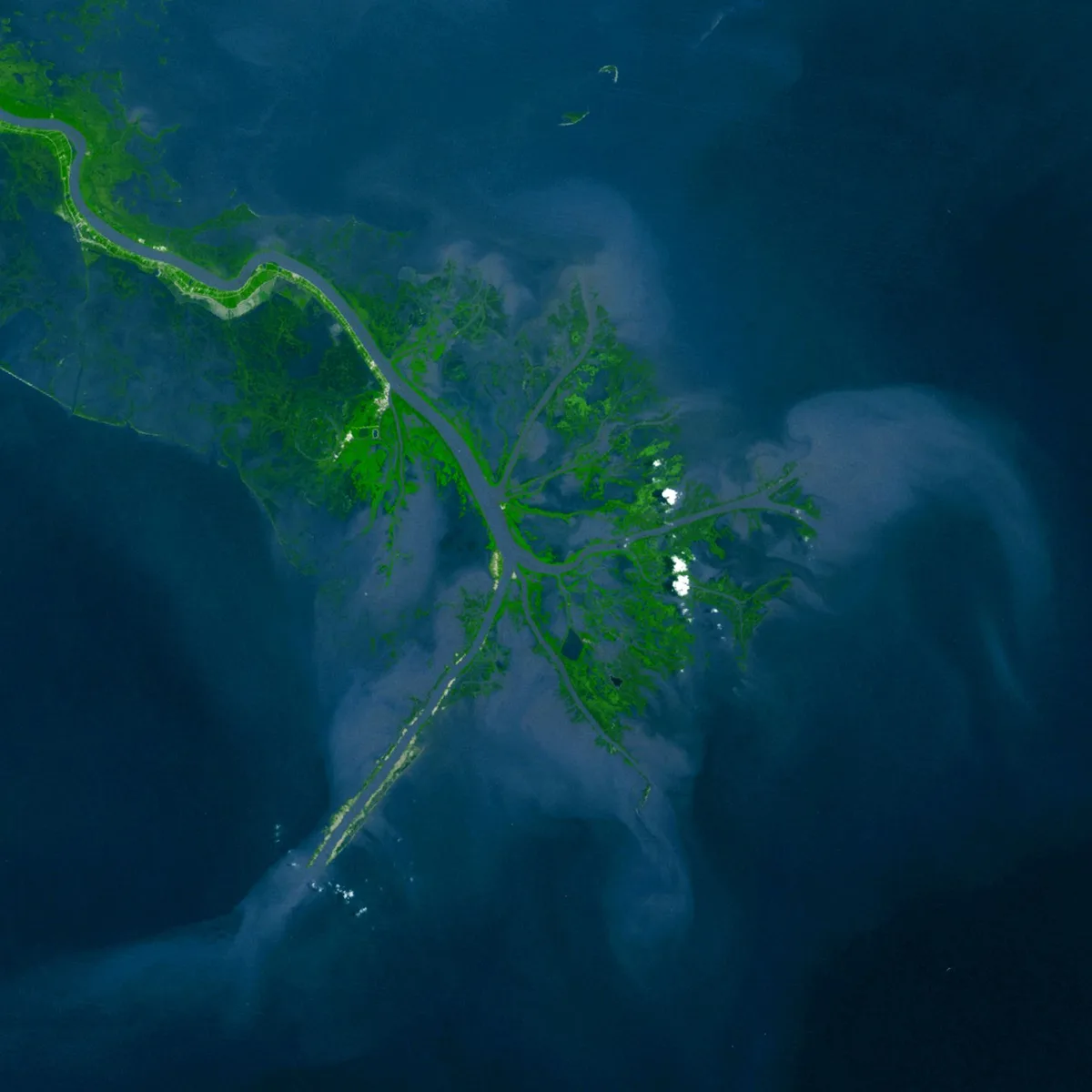 The Gulf of Mexico's annual dead zone, largely fueled by nutrient runoff from the Mississippi River, is exacerbated by warming waters, leading to significant impacts on commercial fisheries like shrimp and red snapper. Globally, OMZs have expanded by millions of square kilometers over the last 50 years, impacting critical upwelling regions off the coasts of Peru and California, which are normally among the most productive marine ecosystems on Earth.
Shifting Currents and Species Migration: A World Adrift
The ocean is a complex, interconnected system, driven by vast currents that transport heat, nutrients, and marine life across the globe. Climate change is beginning to disrupt these vital circulatory systems. For instance, there’s growing concern about the potential weakening of the Atlantic Meridional Overturning Circulation (AMOC), a crucial system that includes the Gulf Stream and plays a significant role in regulating global climate patterns. Changes to such currents can have far-reaching effects on regional weather, nutrient distribution, and marine productivity.
As ocean temperatures rise and currents shift, marine species are on the move. Many species are exhibiting poleward migration, moving towards cooler waters at higher latitudes, or retreating to deeper, cooler depths. This reshuffling of marine biodiversity is altering long-established food webs and creating novel ecological communities. For example, species like Atlantic cod, traditionally abundant in the Gulf of Maine, have shifted their ranges northward, impacting local fisheries and the communities that depend on them.
The changing distribution of species also introduces new challenges, such as the spread of diseases or the arrival of invasive species into new territories. For instance, the northward expansion of warm-water species like barracuda and lionfish into traditionally temperate zones can disrupt delicate ecosystems that are unprepared for new predators or competitors. This global biological redistribution is one of the most visible ways climate change affects ocean ecosystems by forcing adaptation on a planetary scale.
Extreme Weather and Sea Level Rise: Coastal Ecosystems Under Siege
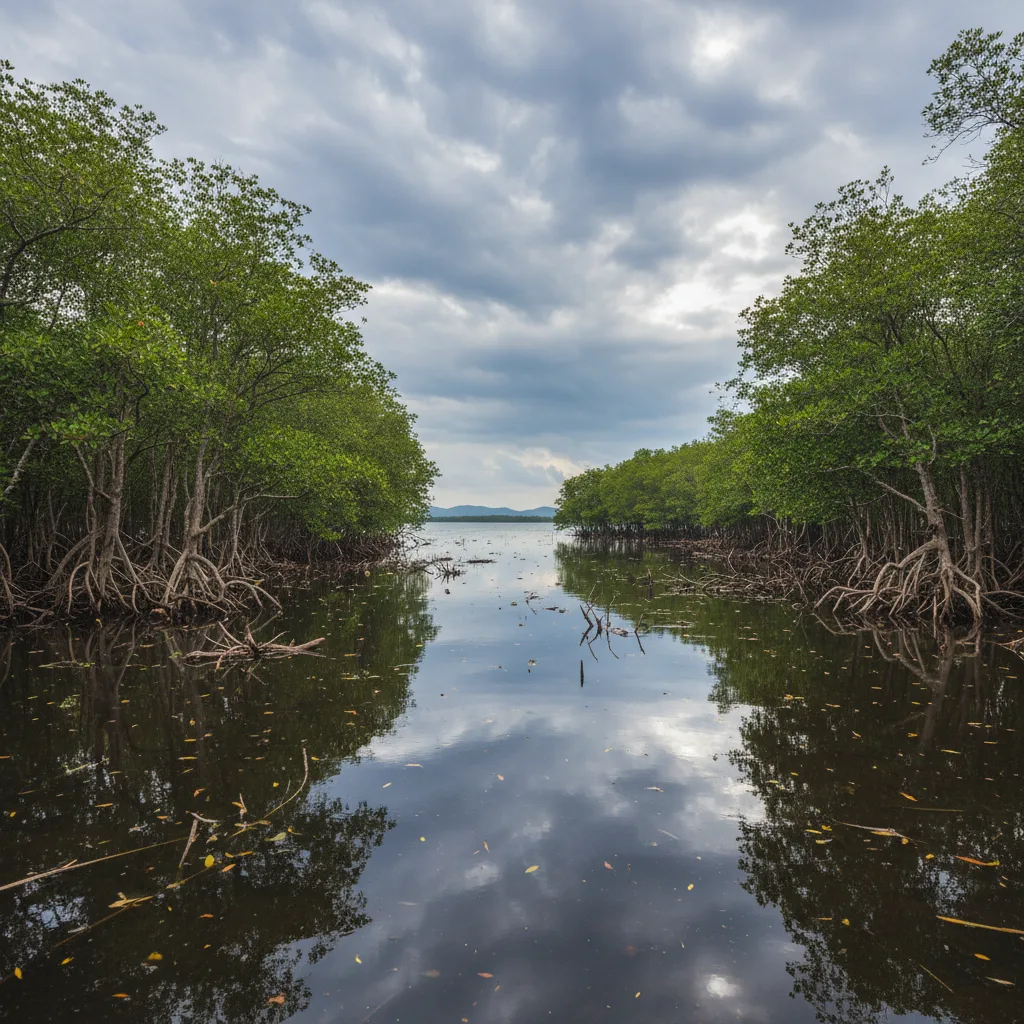
The impacts of climate change aren’t confined to the open ocean; they are profoundly reshaping our coasts. Increased ocean temperatures contribute to more intense and frequent extreme weather events, such as hurricanes, typhoons, and storm surges. These powerful storms inflict massive damage on fragile coastal ecosystems like mangrove forests, salt marshes, and seagrass beds, which act as natural buffers, absorbing storm energy and protecting shorelines.
Simultaneously, sea level rise, driven by thermal expansion of warming ocean water and the melting of glaciers and ice sheets, is steadily encroaching upon these critical habitats. Mangroves and salt marshes, vital nurseries for countless marine species and powerful carbon sinks, are being submerged faster than they can adapt or migrate inland. In places like Louisiana’s disappearing coast, the combined assault of subsidence, erosion, and rising seas is rapidly converting productive wetlands into open water.
The salinization of coastal freshwater aquifers due to saltwater intrusion further stresses these ecosystems and impacts human communities. Small island nations, in particular, face an existential threat as their land slowly disappears beneath the waves, taking with it unique biodiversity and ancient cultural practices. The loss of these protective coastal ecosystems intensifies the vulnerability of human populations to future storms and further diminishes the ocean’s capacity to support life.
The Ripple Effect: Food Webs and Human Livelihoods
The individual impacts of warming, acidification, deoxygenation, and habitat destruction don’t occur in isolation; they intertwine and cascade through the intricate marine food web, creating a complex web of consequences. The decline of a single keystone species, like the pteropod, which forms the base of many Arctic food chains, can have devastating ripple effects on fish, seabirds, and marine mammals that depend on them for survival.
These ecological disruptions directly translate into significant challenges for human societies. Global fisheries, which provide a primary source of protein for billions of people, are increasingly threatened by shifting fish stocks, reduced yields, and ocean dead zones. Coastal communities, from artisanal fishing villages in Southeast Asia to bustling port cities in Europe, face economic hardship, displacement, and the loss of cultural heritage tied to the sea.
Tourism industries centered around coral reefs, whale watching, and coastal recreation are also vulnerable. Indigenous populations, whose traditional practices and food security are often intrinsically linked to healthy marine ecosystems, are experiencing profound impacts. The ocean’s ability to provide food, regulate climate, and support biodiversity is being compromised, underscoring how climate change affects ocean ecosystems by undermining the very foundation of planetary health and human well-being.
Conclusion
The evidence is overwhelming: climate change affects ocean ecosystems by systematically eroding their resilience and transforming their fundamental characteristics. From the scorching heat that bleaches corals to the invisible acid slowly dissolving shells, from the suffocating deoxygenation to the chaotic reshuffling of species, the ocean is undergoing a profound and accelerating metamorphosis. The interconnected nature of these threats means that addressing one aspect without the others is insufficient. The health of our ocean is inextricably linked to the health of our planet and our own future. The silent scream of the deep demands our immediate, comprehensive action to mitigate greenhouse gas emissions and protect the blue heart of our world.
You might also like:
👉 Climate Change Impacts on Mediterranean Forest Ecosystem Services
👉 Food Security & Global Environmental Change: Emerging Challenges
👉 Critically Endangered Species: Conservation Status & Threats Guide