Cold War Space: The Fatal Flaws & Hidden Costs Since 1950s
Spaceflight's hidden cost isn't just fiery explosions. Human error, technical flaws, and political pressure caused fatalities since the 1950s.
Space’s hidden price
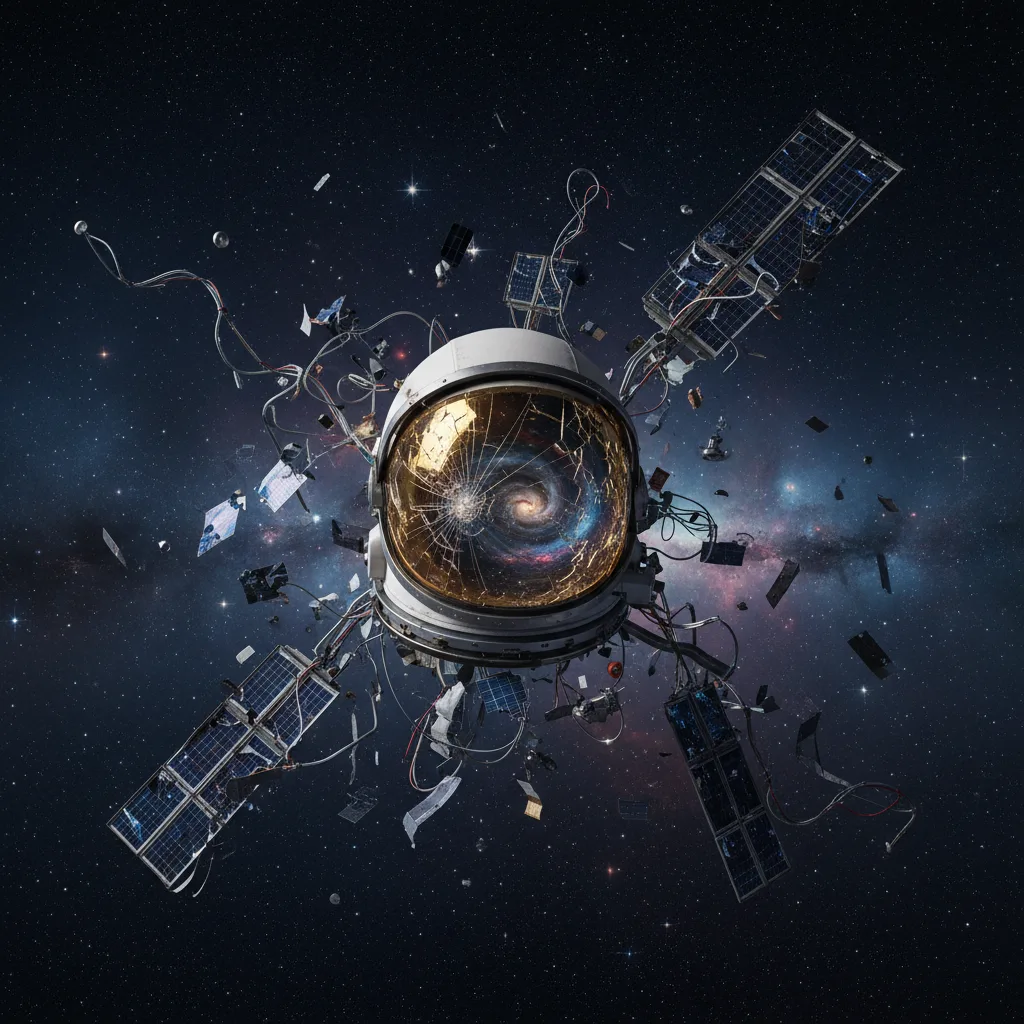
Spaceflight has a hidden cost. Early missions, especially during the Cold War, revealed a quieter, deadlier truth than just fiery explosions. It wasn’t only rockets failing. Human error, technical flaws, and immense political pressure often combined to cause fatalities. This history changed perceptions of risk in space, showing it to be far more human than previously imagined.
Space is dangerous
Since the 1950s, nations like the US and Russia, along with companies like SpaceX, have pushed past Earth’s atmosphere. They explore and expand knowledge. They also sometimes project national power. First, the goal was low Earth orbit. Then the Moon. Now, Mars.
Space travel is deadly. It means extreme speeds, vacuum, and brutal radiation. The ships are incredibly complex. They contain millions of parts. Every single one must work perfectly. If one fails, everything can go wrong.
The first space deaths
On April 23, 1967, Soviet cosmonaut Vladimir Komarov flew Soyuz 1. He was the first person to fly in space twice. The mission had many system failures, including problems with its solar panels. Komarov died when his parachute failed during reentry.
The Soviets kept these accidents secret, a fact documented by historian James Oberg in Red Star in Orbit. This secrecy contrasted with later U.S. transparency. Political pressure to win the “space race” often ignored safety.
Months before Komarov’s death, on January 27, 1967, the U.S. had its own disaster. During an Apollo 1 launch rehearsal, a fire broke out in the command module. Astronauts Gus Grissom, Ed White, and Roger Chaffee died instantly. A pure oxygen atmosphere fueled the fire.
A NASA investigation found many design and safety flaws. The Apollo 1 Accident Report detailed these findings. This tragedy forced NASA to make strict safety changes across the Apollo program. These early accidents proved risk wasn’t just about launch. It was everywhere.
The Space Shuttle’s dark days
On January 28, 1986, the Space Shuttle Challenger broke apart 73 seconds after liftoff. All seven astronauts died. The world watched it happen live. A faulty O-ring seal in a solid rocket booster caused the crash.
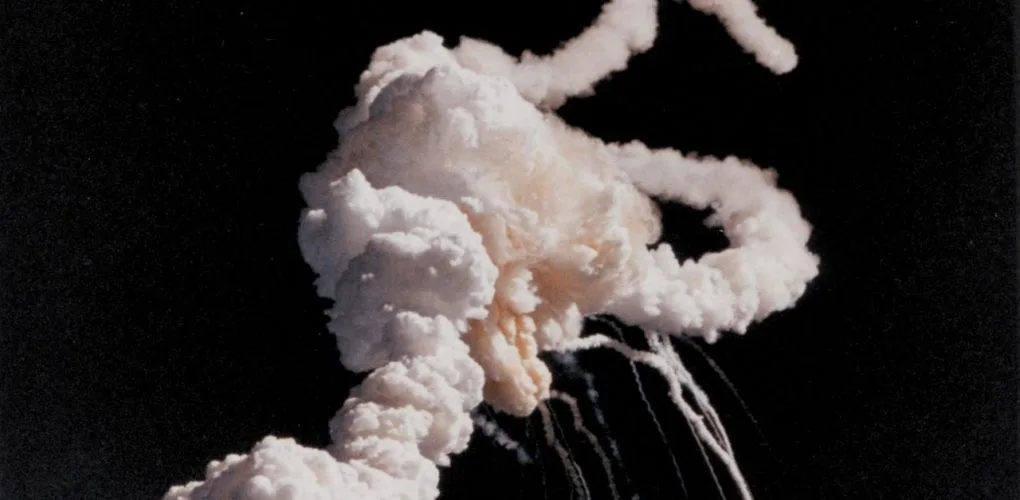
On January 28, 1986, the Space Shuttle Challenger broke apart 73 seconds after liftoff, killing all seven astronauts aboard. The disaster, caused by a faulty O-ring seal, was watched live by millions and profoundly impacted public perception of space safety. (Source: spacesafetymagazine.com)
The Rogers Commission investigated. It found NASA had grown complacent. Engineers had warned about the O-ring in cold weather. Management didn’t listen. The accident proved the danger of ignoring safety data.
Seventeen years later, on February 1, 2003, Space Shuttle Columbia was destroyed during reentry. Again, all seven astronauts were lost. A piece of foam insulation broke off the external tank during launch. It hit the shuttle’s left wing, tearing a hole in its heat shield.
The Columbia Accident Investigation Board (CAIB) report blamed system failures. It also criticized NASA’s “broken safety culture.” The agency had ignored concerns about the foam strike during the mission. Both Shuttle disasters showed how small, overlooked problems could lead to a huge disaster.
Robots crash too
Uncrewed missions also fail. Many uncrewed spacecraft have been lost. On December 11, 1998, NASA launched the Mars Climate Orbiter. It was meant to study the Martian atmosphere. But it was lost in September 1999.
Investigators found a navigation error led to its loss. Lockheed Martin engineers used imperial units (pounds-force). NASA’s navigation team used metric units (newtons). This unit mix-up sent the probe too low. It burned up in the Martian atmosphere, costing $125 million, according to a JPL report.
Rocket failures are common, too. In 1996, the European Space Agency’s Ariane 5 rocket exploded shortly after launch. It carried four Cluster scientific satellites. A software error caused the failure. The system tried to convert a 64-bit number into a 16-bit number. This happened because they reused old code from the Ariane 4.
Private space companies also face big risks. On October 31, 2014, Virgin Galactic’s SpaceShipTwo broke apart during a test flight. One pilot died, another was injured. The National Transportation Safety Board (NTSB) found the co-pilot unlocked the craft’s re-entry system too soon. This led to the structural failure. These events show how hard space engineering remains.
Learning from mistakes
The many accidents forced space agencies to make big changes. After Apollo 1, NASA changed all its testing and safety rules. New fire suppression systems and materials became standard. The Challenger and Columbia disasters led to new oversight boards and safety checks. These included independent safety panels and better communication.
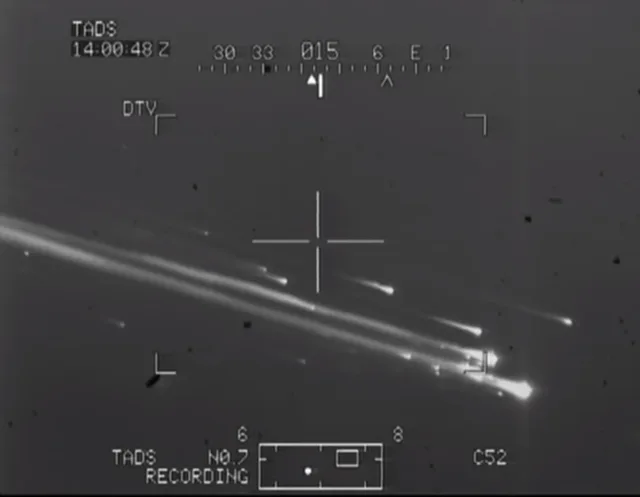
The Space Shuttle Columbia disintegrated during reentry on February 1, 2003, killing all seven astronauts. A piece of foam insulation struck its left wing during launch, creating a hole in the heat shield that led to its catastrophic failure. (Source: reddit.com)
Today, agencies like NASA and Roscosmos have thorough safety reviews. They do detailed pre-flight checks and simulations. The International Space Station (ISS) itself shows careful safety planning. It operates reliably, thanks to constant monitoring.
Commercial spaceflight brings new challenges. Companies like SpaceX and Blue Origin are quickly building new tech. They often favor speed and quick, repeated designs. This creates new risks. For instance, SpaceX’s early Falcon 9 rocket failures led to major design improvements.
We still aim for the Moon and Mars. Future safety depends on learning from every past mistake. It needs transparent reports and a culture that puts safety before deadlines. Space exploration is a powerful dream. But it’s a dream we must chase with a strong focus on human life.
FAQ
Q: What was the deadliest space exploration accident? A: The Soyuz 11 mission in 1971 killed three cosmonauts. They died during reentry because of cabin depressurization. The Space Shuttle Challenger and Columbia disasters each killed seven astronauts.
Q: Are space exploration accidents common? A: Major accidents are rare, given how complex spaceflight is. But minor incidents, component failures, and uncrewed mission losses happen more often. Agencies learn from every failure.
Q: How has space safety improved over time? A: Safety has improved significantly. This is a result of strict testing, independent oversight, and culture shifts. Accident investigations, like the Rogers Commission, led to fundamental redesigns and changes in operations. These changes make future failures less likely.
Q: What is the biggest challenge for future space safety? A: The biggest challenge is managing risks for long missions to Mars and beyond. It also means blending new private sector methods with existing government safety standards. Radiation exposure and spacecraft reliability over years in space are big concerns.
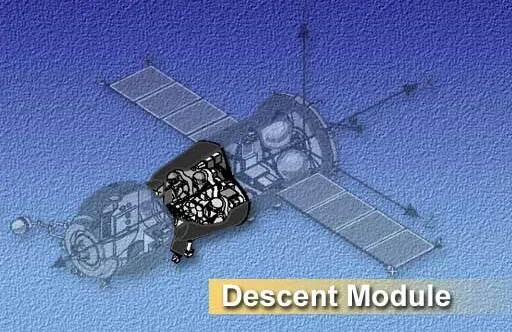
The Soyuz 11 mission in 1971 tragically killed three cosmonauts during reentry due to cabin depressurization, making it the deadliest space exploration accident in history. This image depicts the Soyuz 11 descent module, the part of the spacecraft where the crew was located. (Source: en.wikipedia.org)
You might also like:
👉 Challenger’s 73 Seconds: The 1986 Disaster That Shocked NASA
👉 The $546 Billion Space Race: Private Money, Global Rivalries
👉 Space Colonization: The Grand Illusion & Earth’s Real Solutions