
Beyond Balloons & Cake: Exploring Strange Birthday Traditions Globally
Dive into a world where birthdays mean more than cake! Discover bizarre global traditions, from flour and egg attacks to ritualistic ear-pulling.
Beyond Balloons and Cake: Exploring the World’s Strangest Birthday Traditions
Imagine waking up on your birthday, not to the smell of pancakes or the rustle of gift wrap, but to a surprise attack of flour and eggs, or perhaps a ritualistic ear-pulling. For many, the very word “birthday” conjures images of frosted cakes, heartfelt wishes, and neatly wrapped presents. But step outside the familiar, and you’ll discover a world where celebrating another year of life takes on forms so bizarre, so hilarious, and sometimes so utterly baffling, they redefine the very concept of a party. At TrendSeek, we’ve journeyed through cultures far and wide to unearth the most peculiar ways humanity marks the passage of time. Prepare to have your perceptions of birthday revelry delightfully upended, as we delve into traditions that prove the human spirit, in all its celebratory glory, is anything but predictable.
The “Dirty” Dozen: Flour, Eggs, and Cinnamon Attacks
Forget the gentle “Happy Birthday” serenade; in some parts of the world, turning a year older means preparing for a full-frontal assault. The concept of good-natured public humiliation as a rite of passage is surprisingly common, often involving sticky, powdery, or even pungent ingredients. These aren’t just pranks; they’re deeply ingrained cultural expressions of affection, often signifying a transition or simply a robust wish for good fortune.
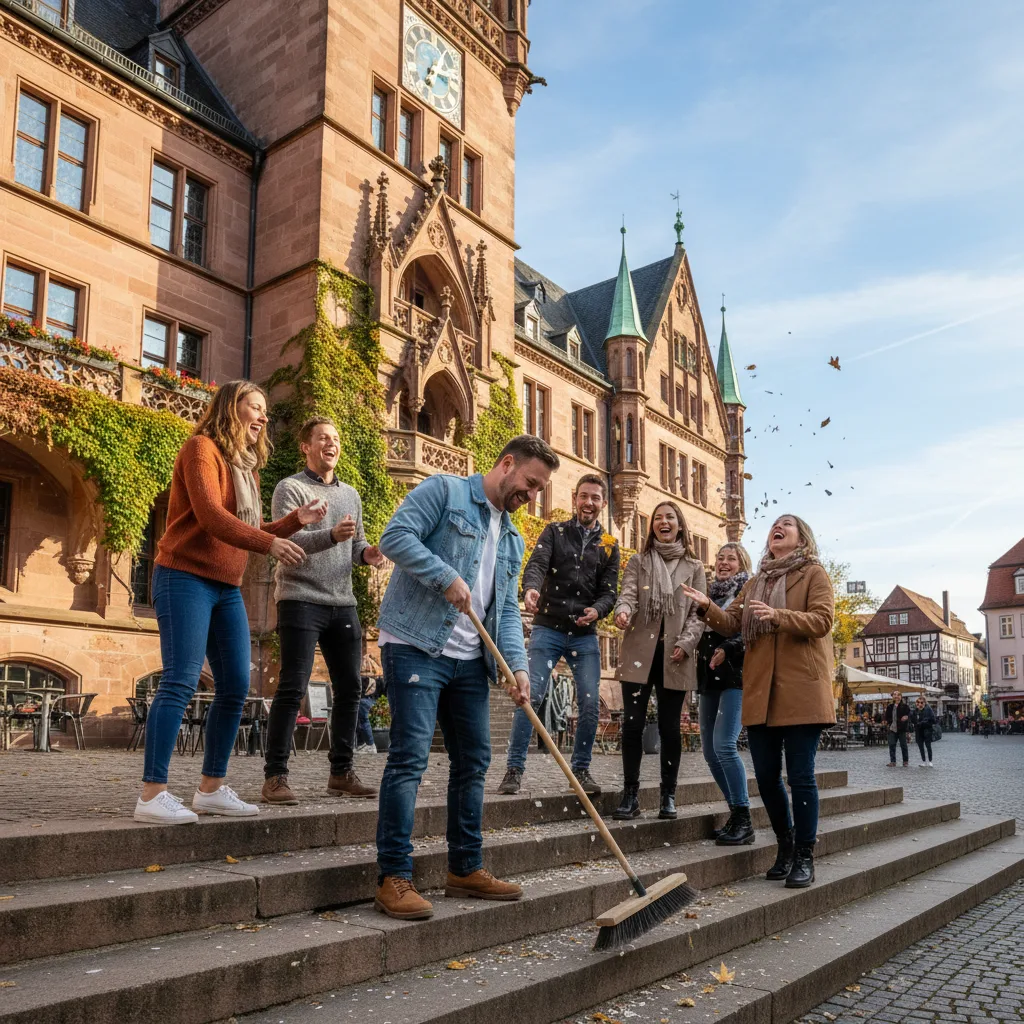
Take Germany, for instance, where unmarried men turning 30 years old might find themselves sweeping the steps of their local town hall or a public place like a church, often with onlookers throwing trash or rubble for them to clear. For unmarried women of the same age, the tradition might involve cleaning door handles with a toothbrush. This public display, known as Kehrenfegen or Klinkenputzen, is meant to shame them into finding a spouse, but it’s all in good fun, typically ending with a celebratory drink.
Across the North Sea in the Netherlands, hitting the big 5-0 can be a messy affair. Friends and family might ambush the birthday celebrant with a deluge of raw eggs and flour, coating them head to toe. This tradition, typically for both men and women, is a boisterous way to acknowledge a significant milestone, often followed by a hearty party and plenty of laughter. It’s a messy, memorable baptism into the next half-century, ensuring no one forgets this particular birthday.
Pinatas, Pokes, and Public Displays: Birthday Rituals of Mockery and Merriment
Beyond the flour and eggs, other cultures have developed unique, sometimes playful, forms of “mockery” that serve to strengthen community bonds and inject a dose of memorable humor into the birthday celebration. These aren’t malicious acts, but rather spirited traditions designed to make the birthday person the undeniable center of attention, even if it means a little playful discomfort.
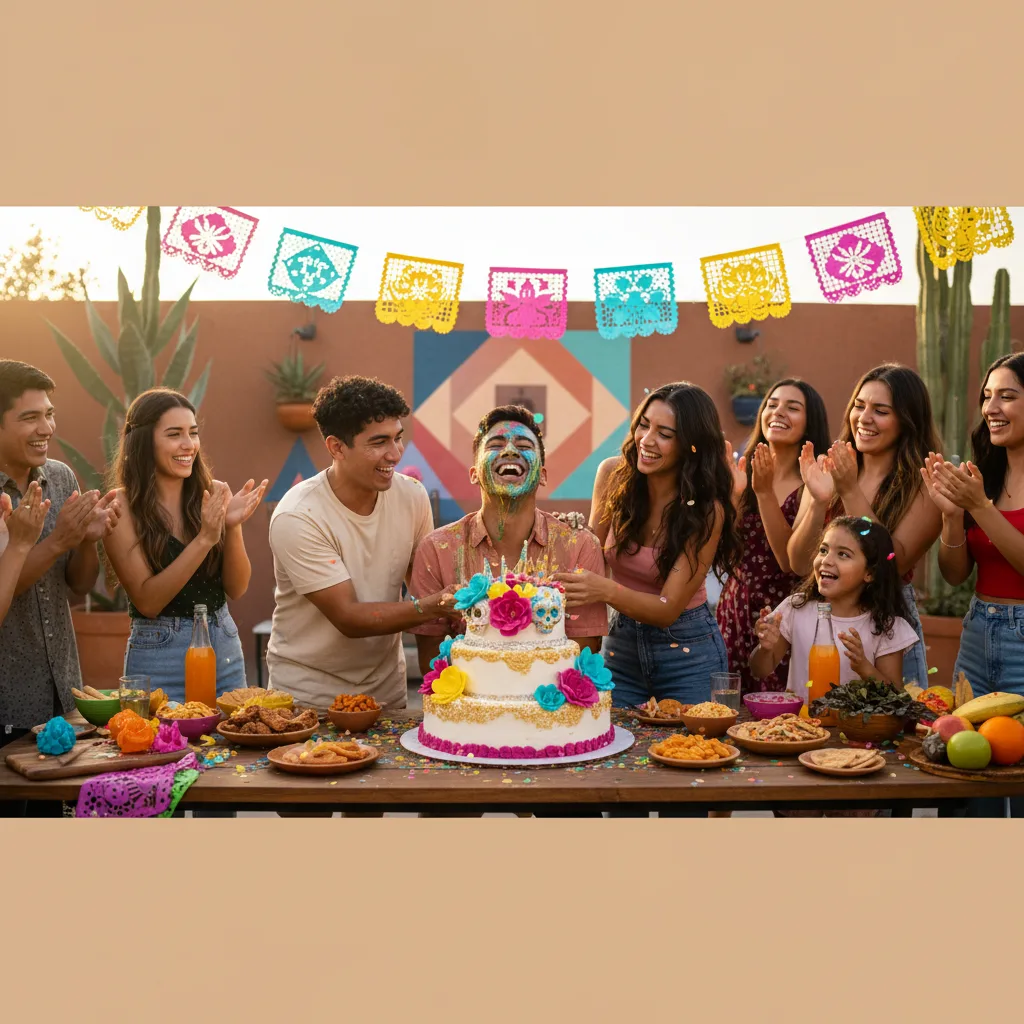
In Mexico, after the joyous smashing of the piñata and the singing of “Las Mañanitas,” comes the infamous “Mordida.” As the birthday cake is presented, the birthday person is encouraged to take the first bite – but with their hands tied behind their back. Without warning, friends and family might then push their face directly into the cake, often resulting in a frosting-covered, hilarious moment captured on countless cell phones. It’s a sweet, sticky tradition that ensures a memorable, if slightly humiliating, first taste of cake.
Meanwhile, in Denmark, a birthday is announced to the entire neighborhood with a Danish flag proudly displayed outside the celebrant’s home. For those who remain unmarried by the age of 25 or 30, a different, more pointed tradition emerges. A “cinnamon attack” at 25, or an “egg and pepper attack” at 30, sees friends dousing the individual with copious amounts of spice, often mixed with water, in a lighthearted nudge towards finding a partner. The whole spectacle is a blend of public display and good-natured ribbing, ensuring that no milestone, especially a single one, goes unnoticed.
Culinary Curiosities: Food-Centric Strange Birthday Traditions
While cake is a global birthday staple, many cultures swap the sweet sponge for savory, symbolic, or even surprising dishes, transforming the birthday meal into a ritualistic experience. These culinary customs often carry deep meanings, wishing for longevity, prosperity, or protection, making the birthday feast far more than just a meal.
In China, the birthday meal isn’t complete without long-life noodles, or Yi Mein. These exceptionally long, thin noodles symbolize a wish for a long and healthy life. The tradition dictates that they should be slurped up in one continuous strand, without biting or breaking them, to ensure that the wish for longevity is not cut short. Served at family gatherings, these noodles are a potent symbol, connecting the act of eating with the desire for a prosperous future, making them far more significant than mere sustenance.
Across the globe in Jamaica, it’s not what you eat, but what you get covered in. The “flour bath” tradition sees the birthday celebrant doused in flour – sometimes mixed with water, eggs, or even molasses. This messy ritual is believed to bring good luck and ward off evil spirits for the coming year. Often accompanied by singing and dancing, it’s a vibrant, community-focused celebration that ensures the birthday person is thoroughly “cleansed” and blessed for their next year of life, leaving them sticky, happy, and undoubtedly memorable.
Stepping Stones to Adulthood: Unique Coming-of-Age Celebrations
Birthdays aren’t just about marking another year; they’re often pivotal moments, especially when transitioning into adulthood. These rites of passage are steeped in history and cultural significance, guiding young individuals through a symbolic gateway into new responsibilities and social standing, far beyond a simple birthday cake.
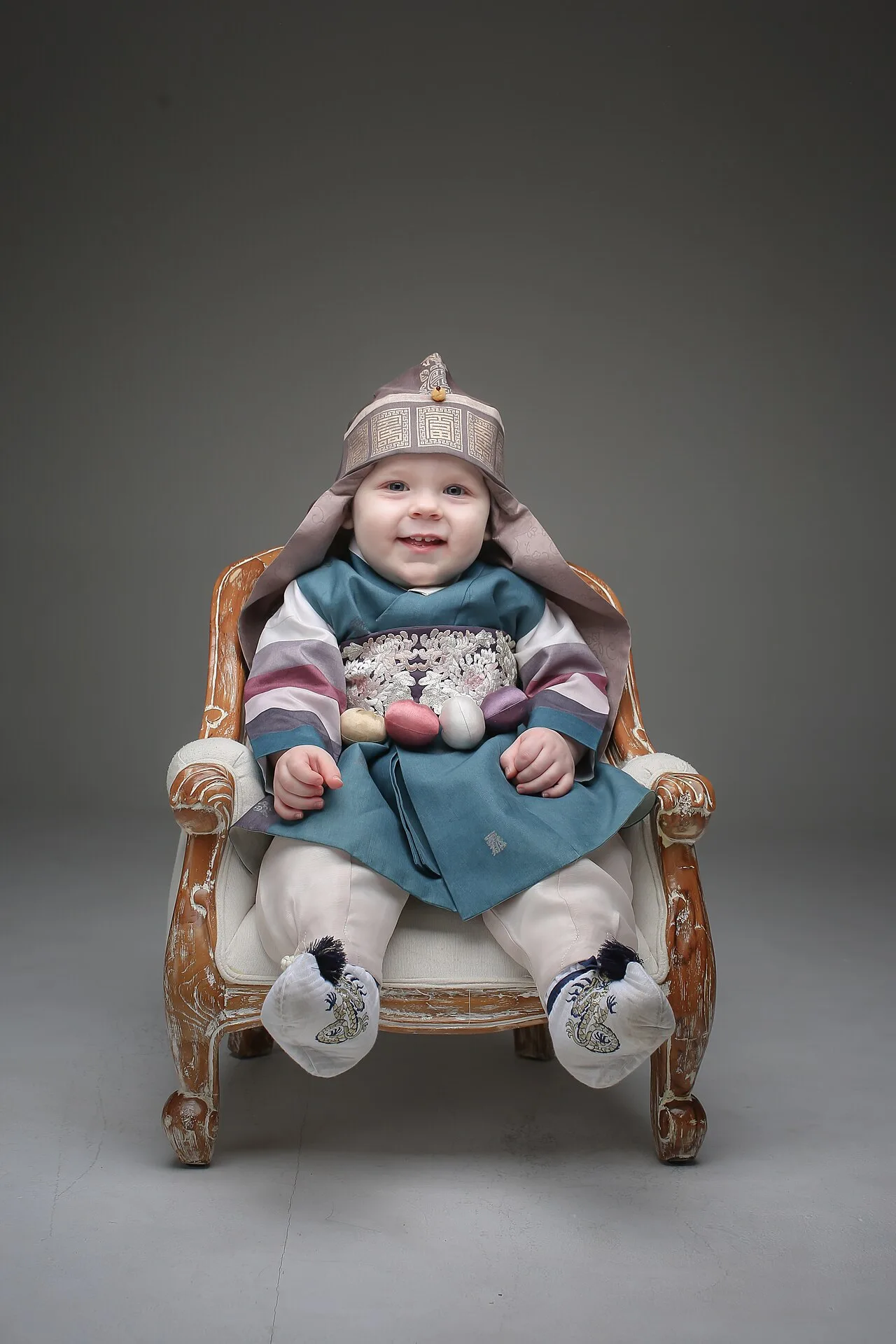 A baby participating in a Doljanchi ceremony in Korea, reaching for objects to predict their future profession or destiny. (https://aramchae.com/, CC BY-SA 4.0)
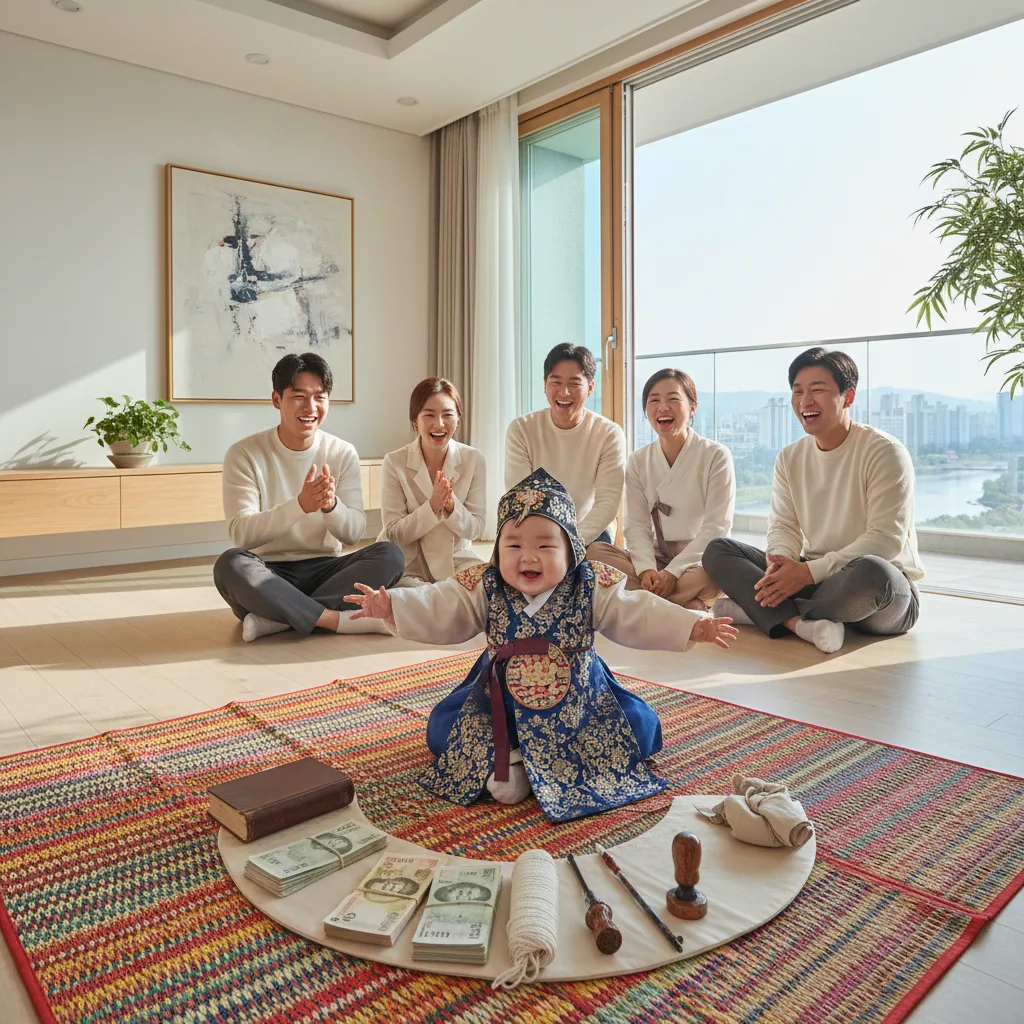
In Korea, the Doljanchi is a spectacular first birthday celebration for a baby, designed not just to mark their first year, but to predict their future. During the “Doljabee” ritual, various objects are laid before the child – a book (scholar), money (wealth), a string (long life), a stethoscope (doctor), a pencil (writer), or a bow and arrow (military leader). The object the baby picks first is believed to foretell their future profession or destiny. It’s a vibrant, colorful event, filled with traditional attire, elaborate food, and the hopeful anticipation of a bright future for the newest family member.
Japan celebrates Seijin-no-Hi, or Coming of Age Day, on the second Monday of January. This national holiday honors all individuals who have turned 20 years old in the previous year, marking their official entry into adulthood. Young women often wear elaborate furisode kimonos, while men don suits or traditional hakama. Ceremonies are held at local government offices, where new adults receive speeches and small gifts, signifying their new rights and responsibilities, including the right to vote, drink alcohol, and smoke. It’s a deeply respectful and visually stunning tradition that emphasizes community and civic duty.
The Uncelebrated and the Ominous: When Birthdays Bring Pause
While most cultures embrace birthdays with gusto, some traditions dictate a more cautious, or even abstinent, approach to certain milestones, often rooted in ancient superstitions or beliefs about fate. These strange birthday traditions highlight a fascinating contrast to the universal desire for celebration.
In Russia, for example, there’s a widespread superstition against celebrating a man’s 40th birthday and a woman’s 53rd birthday. The number 40 is particularly laden with ominous connotations in various cultures, often associated with misfortune or death. Some believe celebrating it too early or too overtly invites bad luck or shortens one’s lifespan. Instead, many opt for a quiet, understated acknowledgment or postpone any significant gathering until after the actual date has passed, hoping to subtly bypass any potential ill omens.
Similarly, it’s considered bad luck to celebrate a child’s birthday before the actual date. The belief is that doing so might tempt fate and prevent the child from reaching that age. This means that while preparations might be underway, the actual party, cake, and presents are strictly reserved for the day itself, or even the day after, never before. These cautious approaches underscore a deep-seated respect for the unknown and a desire to navigate life’s passages without inviting negative consequences.
Trials by Tradition: Enduring the Birthday Gauntlet
Some birthdays are less about gentle celebration and more about enduring a series of playful “trials” that test the birthday person’s good humor and spirit. These traditions, often physical and lighthearted, serve as a unique way to acknowledge their growth and resilience, ensuring the day is anything but ordinary.
In Brazil, a common family tradition for children is the “ear pull.” For each year of their life, the birthday child receives a gentle tug on their earlobe from family members. This seemingly simple act is steeped in folklore, believed to bring good luck and ensure a long life. It’s a quick, tangible way to count the years, often eliciting giggles and playful protests from the child, making it a tender and memorable family ritual that strengthens bonds and imparts a wish for future prosperity.
When a young person turns 21 in South Africa, it’s a significant milestone, often marked by the symbolic gifting of a “key to the door.” This isn’t just any key; it’s often an elaborately decorated, oversized, or even antique key, sometimes personalized with the individual’s name or birthdate. The key symbolizes the young adult’s newfound independence and their ability to “open the door” to their future, signifying their readiness to step into the world as a responsible adult, capable of making their own choices and forging their own path.
Conclusion
From flour baths in Jamaica to longevity noodles in China, and from ear pulls in Brazil to “dirty thirties” in Germany, the world’s strange birthday traditions offer a mesmerizing glimpse into the diverse tapestry of human culture. Each custom, no matter how peculiar it may seem to an outsider, is rich with meaning, reflecting deeply held beliefs about luck, destiny, community, and the passage of time.
These rituals, whether they involve playful humiliation, symbolic gestures, or specific culinary delights, serve a universal purpose: to acknowledge growth, celebrate life, and strengthen the bonds that tie us together. They remind us that while the expression of joy may differ wildly across continents, the fundamental human desire to mark milestones and honor existence remains a vibrant, shared experience. So, the next time you blow out candles on a cake, spare a thought for those who might be dodging eggs, slurping impossibly long noodles, or getting a gentle tug on the ear – for in their unique celebrations, we find a beautiful testament to the boundless creativity of the human spirit.
You might also like:
👉 World’s Most Bizarre Traditions: Unveiling Humanity’s Quirky Customs
👉 Surprising Cultural Differences Around the World: A Global Guide
👉 Funny Cultural Differences: Hilarious Global Customs & Etiquette