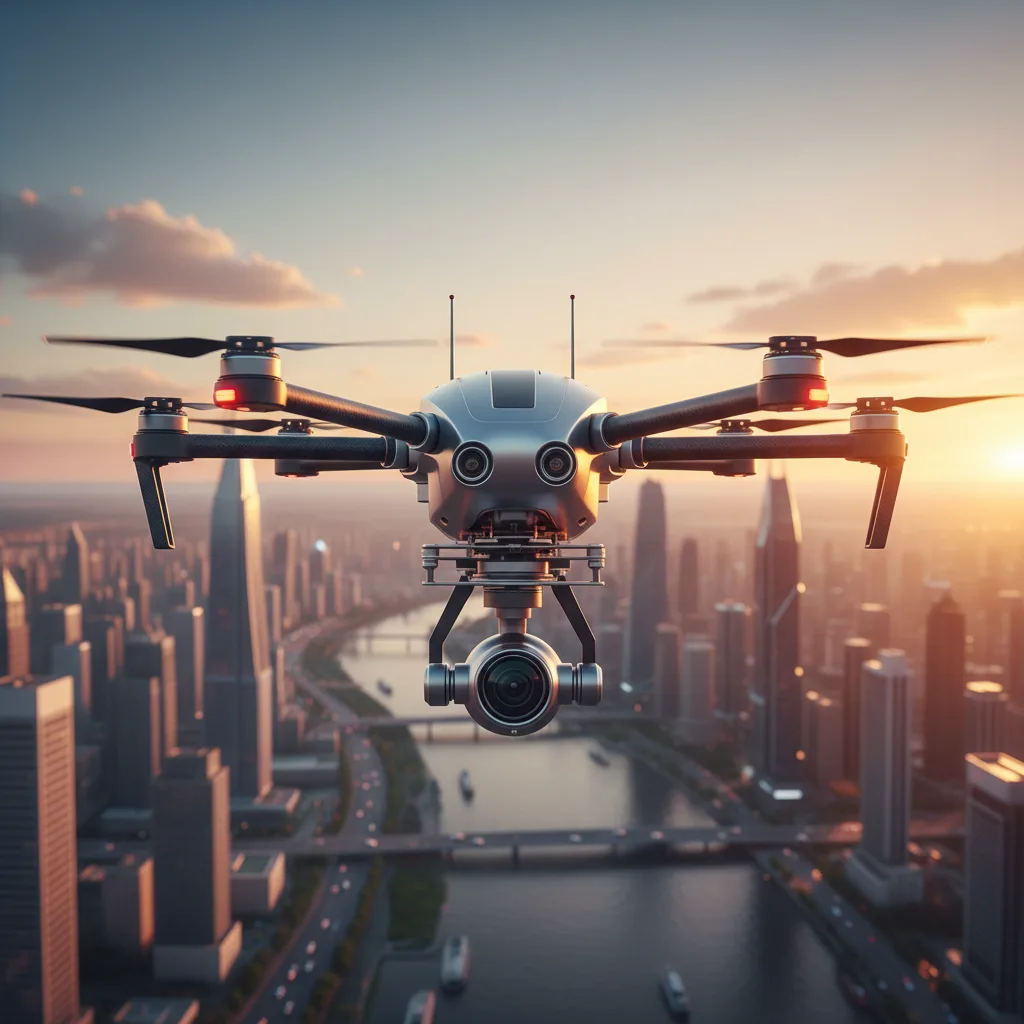
Kettering's 1917 'Bug': How Drones Transform Our World
From Charles Kettering's 1917 'Bug' aircraft, drones have evolved into UAVs transforming industries, operating remotely or pre-programmed.
Drones: Transforming Industries and Our World
Drones are more than just toys. They are transforming infrastructure and industries. A drone is an Unmanned Aerial Vehicle (UAV), a flying robot. It operates without a pilot onboard, controlled remotely or following a pre-programmed route. This technology originated from military research in the early 20th century. Charles Kettering’s “Bug” aircraft, developed in 1917, serves as an early example.
The Expanding Drone Market
The global drone market reached an estimated $30.6 billion in 2023, according to Statista. This figure highlights a significant industrial sector, not just hobby sales. While many people see small, camera-equipped drones, the market includes many specialized industrial models.
Drones are diverse, much like cars. Daily, one sees sedans. However, the automotive industry also includes excavators, farm tractors, and race cars. Drones similarly vary in design. They include fixed-wing models that glide, multi-rotor types that hover, and hybrids of both. Each design performs a specific, often complex, job.
Autonomy is a key factor in this evolution. It means a drone can make decisions without continuous human input. This transforms drones from simple remote-controlled devices into intelligent machines. They are capable of performing complex tasks independently.
Current Drone Applications
In early 2024, the U.S. Federal Aviation Administration (FAA) reported over 860,000 registered recreational drones and 400,000 commercial ones. These commercial drones serve important, often dangerous, functions across many sectors.
Farmers use drones for precision spraying and crop monitoring. Dr. Dennis Buckmaster from Purdue University states that drones equipped with multispectral cameras can detect plant stress before it is visible to the human eye. This allows farmers to apply water and fertilizer only where needed, saving resources and increasing crop yields.
Drones also inspect infrastructure. They check power lines, wind turbines, and bridges – tasks that are risky for humans. The American Society of Civil Engineers notes that drones quickly assess structural integrity. They can reach difficult locations, reducing costs and safety hazards. A drone can inspect a bridge in hours, rather than days.
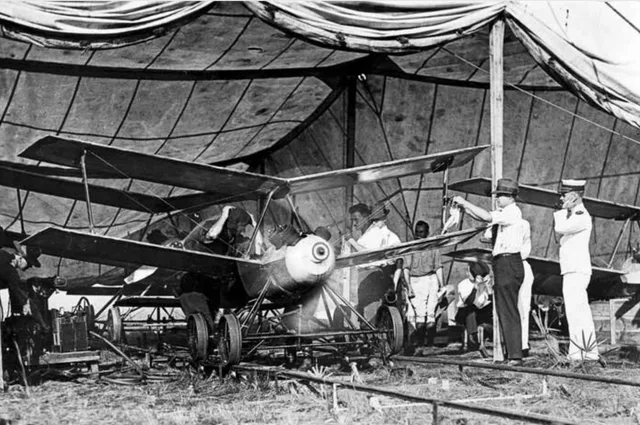
Developed in 1917, Charles Kettering's "Bug" aircraft was an early unmanned aerial torpedo, often considered a precursor to modern drones. It was designed to fly a pre-programmed route to a target, demonstrating foundational concepts of autonomous flight. (Source: reddit.com)
Public safety agencies frequently use drones for search and rescue operations. After disasters, drones quickly map affected areas. The National Institute of Standards and Technology (NIST) establishes standards for drone use in emergencies. Drones help find missing people faster and provide critical information to firefighters.
Logistics and delivery is a growing sector for drones. Zipline, an American medical drone delivery company, has completed over 900,000 commercial deliveries in Rwanda and Ghana. They deliver blood and medical supplies to remote clinics. This saves lives by ensuring essential items reach locations quickly during emergencies. Drone delivery for everyday consumer goods is also undergoing testing in urban areas.
Finally, drones are effective for mapping and surveying. They create detailed 3D models of construction sites and land. Esri’s ArcGIS platform utilizes drone data to produce highly accurate topographical maps. This transforms how urban planners and developers approach projects.
Emerging Drone Technologies
MarketsandMarkets projects the drone services market will grow from $29.1 billion in 2023 to $166.4 billion by 2028. This rapid growth stems from several key trends that will significantly expand drone capabilities.
Increased autonomy and AI integration are leading to smarter drones. Drones are making more complex decisions independently. Artificial Intelligence (AI) refers to computer systems capable of human-like tasks, such as learning and problem-solving. This allows drones to navigate complex environments or identify objects without continuous human oversight. Edge computing further enhances this by processing data directly on the drone, resulting in faster reactions and reduced reliance on ground communication.
Swarm technology is another significant development. It involves multiple drones operating cooperatively as a single unit. Similar to a flock of birds, each drone has a task and communicates to achieve a common objective. A swarm could inspect a large area simultaneously or provide layered security, greatly increasing efficiency for extensive tasks.
Operations Beyond Visual Line of Sight (BVLOS) represent a major advancement. Currently, many regulations require drones to remain within sight of their operator. BVLOS allows drones to fly far from their operators, often over long distances. This capability requires advanced sensors and sophisticated air traffic management. The FAA’s BEYOND program actively tests BVLOS operations, opening possibilities for long-range package delivery and infrastructure monitoring across vast areas.
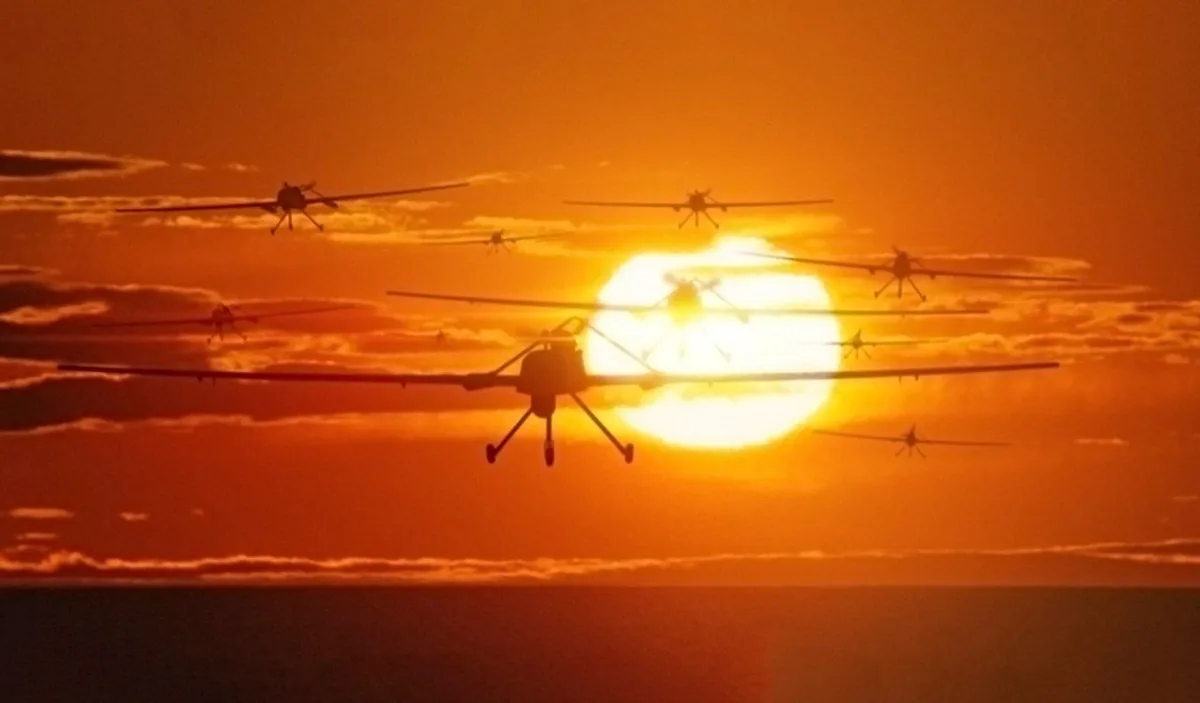
Drone swarm technology involves multiple drones operating cooperatively as a single unit, much like a flock of birds. Each drone communicates and performs specific tasks to achieve a common objective, greatly increasing efficiency for extensive operations like surveying or security. (Source: lockheedmartin.com)
Urban Air Mobility (UAM) is also developing. This involves creating air taxis and other passenger drones. Companies like Joby Aviation and Archer Aviation are constructing eVTOL (electric Vertical Take-Off and Landing) aircraft. These electric planes take off and land vertically, similar to helicopters. While still in testing, they could transform urban transportation by offering new commuting options.
The proliferation of drones also necessitates more counter-drone technology. As drones become more widespread, so does the need to defend against malicious or unauthorized use. Developers are creating systems to detect, track, and even neutralize rogue drones. This helps maintain safety and security in sensitive areas.
Challenges and Ethical Considerations for Drones
A 2022 Pew Research Center survey found 54% of Americans express concern about drone privacy. The widespread adoption of drones faces several obstacles.
Regulatory hurdles present a primary problem. Safely integrating millions of drones into existing airspace is complex. Different countries and regions have varying rules for licensing, flight paths, and privacy. Harmonizing these rules is crucial for global adoption; innovation slows without clear regulations.
Privacy concerns are significant. Drones equipped with high-resolution cameras collect vast amounts of data. This raises questions about data ownership and usage. Public acceptance relies on ensuring drone operations do not infringe on individual privacy. Clear ethical guidelines are therefore essential.
Security risks are also a factor. Drones can be hacked or misused for illegal activities. Continuous development of strong cybersecurity for drone systems is necessary. This prevents unauthorized access or malicious interference. Physical security measures are also important to prevent drones from being used for harmful purposes.
Public perception also poses a challenge. Drone noise can be an issue in urban areas. The sight of drones flying overhead also causes discomfort for some individuals. Addressing these concerns is vital for community support, which includes developing quieter drone designs.
Finally, battery life and range still limit many applications. While battery technology is improving, achieving long flight times for heavy payloads remains a hurdle. Researchers are exploring alternative power sources and more efficient drone designs to expand future drone mission capabilities.
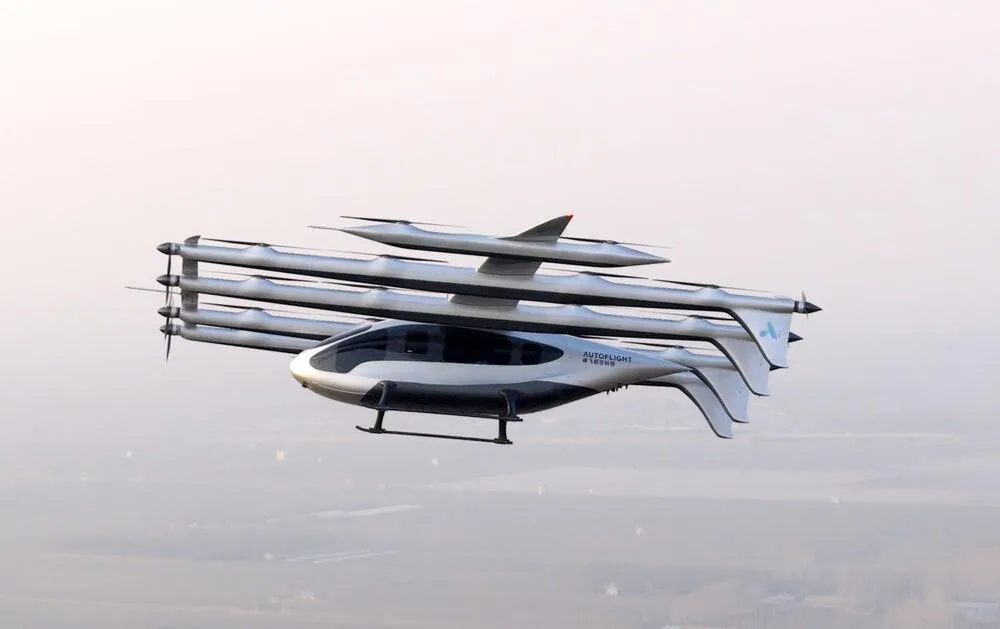
eVTOL (electric Vertical Take-Off and Landing) aircraft, like those under development by companies such as Joby Aviation and Archer Aviation, are poised to revolutionize urban air mobility by offering new, electric-powered commuting options that take off and land vertically. (Source: autoflight.com)
Impact and Future Significance of Drones
The World Economic Forum projects drones could create 100,000 new US jobs by 2025. This signifies more than just technological advancement. It represents significant transformations in how we work, live, and interact with our environment. Drones will have a substantial, lasting impact.
Drones enhance efficiency across many industries. They perform tasks that were previously slow, costly, or dangerous. This results in cost savings for businesses and faster service for consumers, such as quicker storm repairs or more rapid emergency supply deliveries.
They also improve safety for hazardous jobs. Rather than deploying personnel into dangerous locations, drones can perform inspections or collect data. This reduces risks for workers in construction, energy, and emergency services, thereby protecting lives.
Furthermore, drones provide essential services to remote areas. They can deliver medicine, monitor wildlife, or assess environmental damage in locations difficult for humans to access. This enhances quality of life and supports global conservation efforts.
Expanded drone capabilities will also generate new economic opportunities. These include roles in manufacturing, software development, data analysis, and drone operation services. It is a growing sector requiring specialized skills.
Drones are reshaping approaches to logistics, monitoring, and transportation. They represent a significant advancement in automation. They will increasingly become part of daily life, often seamlessly. The future airspace will be active, productive, and more intelligent.
FAQ
Q1: What’s the biggest barrier to widespread drone adoption? A: Regulatory hurdles and public acceptance are the main barriers. Governments need to establish clear, harmonized rules for drone operations. Public concerns about privacy and safety also need to be addressed.
Q2: Will drones replace human workers? A: Drones are more likely to augment human workers rather than replace them entirely. They take over dangerous or repetitive tasks, allowing humans to focus on higher-level decision-making and oversight. This often creates new job roles, such as drone operators and data analysts.
Q3: How do drones ensure privacy? A: Regulations like GDPR in Europe and various local ordinances dictate data collection and usage. Drone operators must adhere to ethical guidelines, anonymize data where possible, and avoid intrusive surveillance. Technology also plays a role through features like geo-fencing and controlled camera access.
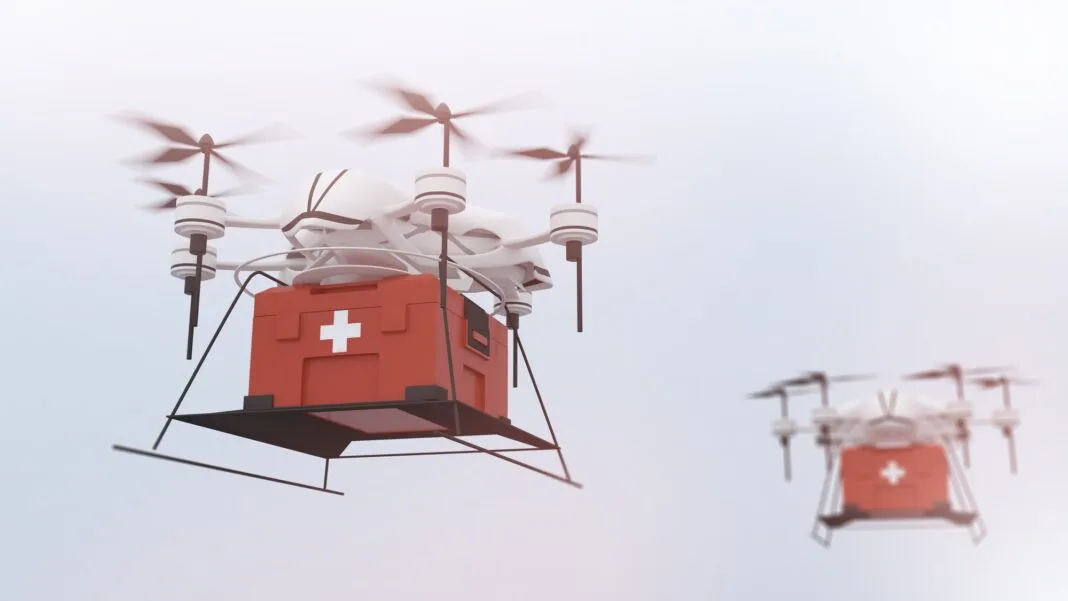
Drones are increasingly being deployed to deliver vital medicine and emergency supplies to remote or disaster-stricken areas, overcoming geographical barriers and significantly speeding up response times. This application enhances quality of life and saves lives by ensuring critical items reach those in need quickly. (Source: technology-innovators.com)
Q4: Are drone deliveries truly feasible everywhere? A: Not yet. While effective for specific niches like medical supply delivery in remote areas, widespread drone delivery faces challenges. These include regulatory restrictions, urban infrastructure limitations, battery life, and public concerns about noise and privacy. It will likely roll out gradually in specific zones.
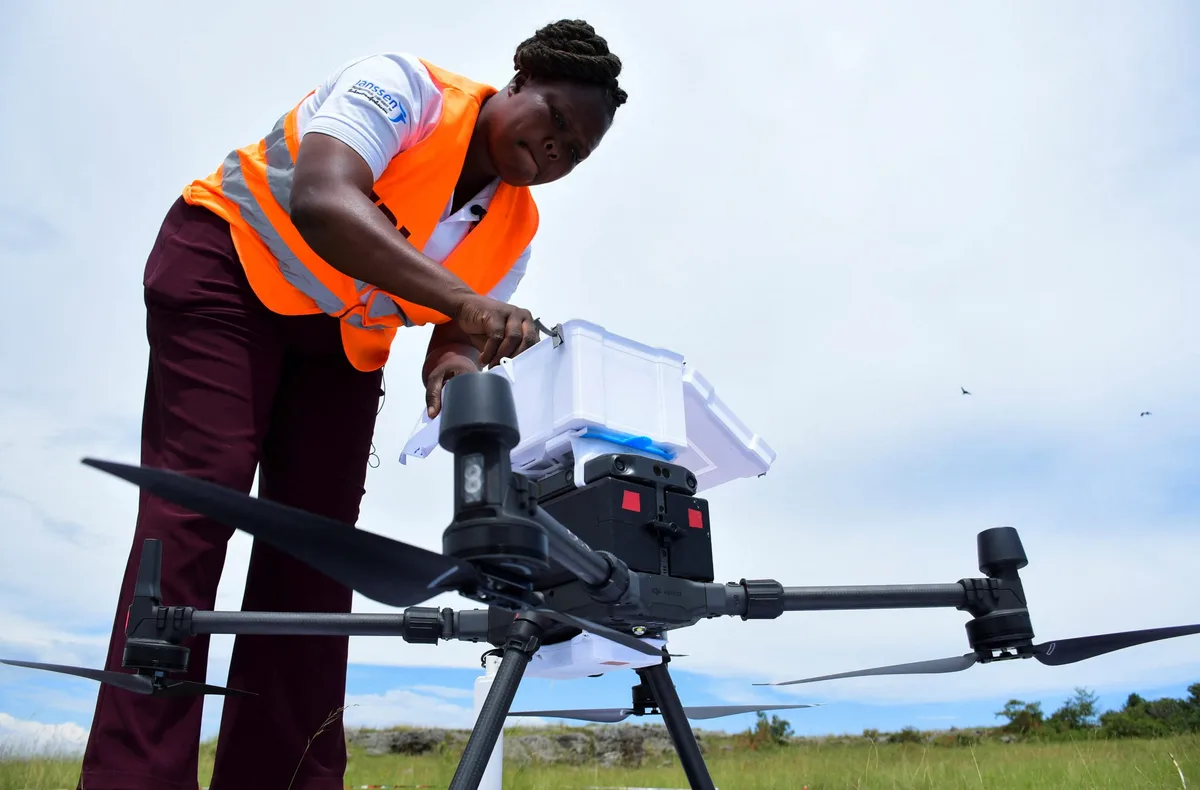
Companies like Zipline have pioneered drone delivery systems specifically for remote areas, drastically cutting delivery times for critical medical supplies like blood and vaccines to hard-to-reach clinics in countries like Rwanda and Ghana. (Source: thinkglobalhealth.org)
You might also like:
👉 Shahed 136 Drone: Cost-Effective Weapon Reshaping Modern Warfare
👉 Virtual Reality Applications: Exploring VR’s Impact Across Industries
👉 Virtual Reality in Healthcare: Revolutionizing Medicine & Patient Care