Shahed 136 Drone: Cost-Effective Weapon Reshaping Modern Warfare
Explore the Shahed 136 drone, a low-cost, high-impact weapon terrorizing cities and redefining modern warfare. Understand its economic implications and geopolitical impact.
The Ghost in the Sky: Unmasking the Shahed 136 Drone
What if a weapon, costing less than a high-end SUV, could inflict millions of dollars in damage, terrorize cities, and reshape the calculus of modern warfare? This isn’t a hypothetical. This is the brutal reality of the Shahed 136 drone, a seemingly primitive, delta-wing aircraft that has ripped through the skies of Ukraine, Yemen, and the Persian Gulf, forcing military strategists worldwide to confront a low-cost, high-impact threat previously underestimated. Its origins are shrouded in layers of geopolitical intrigue and reverse-engineering, its components often mundane, yet its impact profound. TrendSeek investigates how this unassuming drone became a strategic game-changer, revealing the shadowy networks that built, deployed, and proliferated it.
The Whisper of a New Threat: From Obscurity to Infamy
For years, whispers circulated within intelligence communities about Iran’s burgeoning drone program. Early models, often crude, rarely garnered international headlines. Then came the Shahed 136. Its public debut wasn’t a grand unveiling but a series of unsettling reports from the battlefields of Yemen, where Houthi rebels, allegedly supplied by Tehran, began employing similar “suicide drones” against Saudi oil infrastructure and military targets. The 2019 attack on Saudi Arabia’s Abqaiq oil processing facility and Khurais oil field stands as a chilling precursor, demonstrating the devastating potential of such weapons, though the exact models used remain debated. These incidents, initially attributed to cruise missiles or more sophisticated drones, hinted at a new, asymmetric capability.

The true revelation arrived in September 2022. Ukrainian forces began reporting strange, delta-wing drones, distinct from anything seen before, striking targets deep within their territory. Initially dubbed “mopeds” or “lawnmowers” due to their distinctive, noisy internal combustion engines, these drones soon received their proper, chilling identification: the Shahed 136. Russia, having allegedly acquired hundreds from Iran, rebranded them as Geran-2, a transparent attempt to obscure their foreign origin. This re-designation, however, did little to mask the drone’s true lineage, quickly confirmed by Western intelligence agencies and the distinctive Farsi markings found on wreckage.
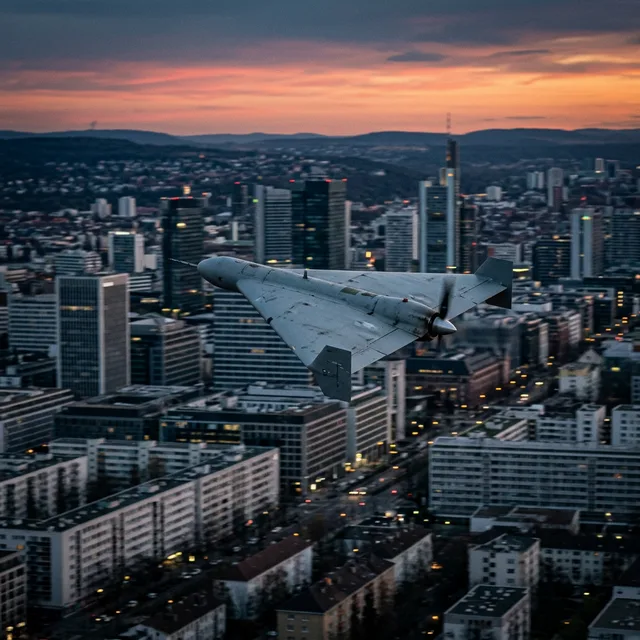
The shift was immediate and dramatic. Kyiv, Odesa, Kharkiv, and other major Ukrainian cities found themselves under sustained aerial assault. Energy infrastructure, residential buildings, and civilian targets became fair game for these relentless, kamikaze drones. The Shahed 136 was no longer a theoretical threat; it was a tangible, terrifying reality, forcing Ukraine and its allies to rapidly adapt their air defense strategies against a weapon designed for saturation attacks and cost-effectiveness rather than surgical precision.
Anatomy of a Low-Cost Killer: Engineering the Shahed 136 Drone
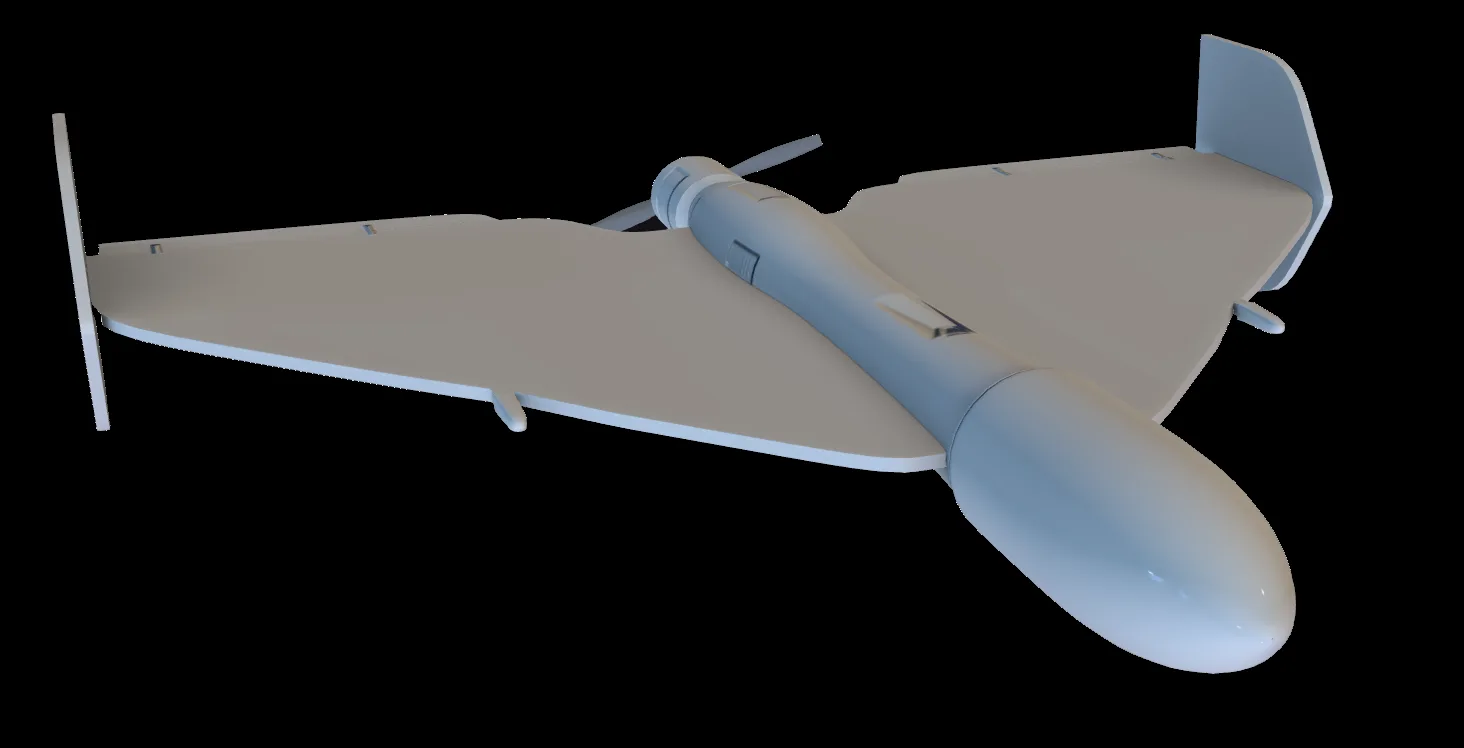
At first glance, the Shahed 136 drone appears deceptively simple. Its most striking feature is its delta wing design, a configuration chosen for aerodynamic efficiency at high speeds and long ranges, combined with a relatively low radar cross-section from certain angles. Measuring approximately 3.5 meters in length with a wingspan of about 2.5 meters, it’s a compact, yet potent, package. Power comes from a simple, often off-the-shelf, two-stroke internal combustion engine – frequently identified as a reverse-engineered German Limbach L550E or a Chinese Mado MD550 – driving a pusher propeller mounted at the rear. This engine, while noisy, is cheap, reliable, and uses readily available gasoline, simplifying logistics.
Navigation is handled by a combination of commercial-grade GPS and GLONASS satellite receivers, augmented by an inertial navigation system (INS). This dual-redundancy allows the drone to maintain its course even if GPS signals are jammed or spoofed, a critical feature for traversing contested airspace. The guidance system, however, is not designed for pinpoint accuracy, making the drone more suitable for area targets or infrastructure rather than moving vehicles or specific individuals. Its warhead, typically weighing between 10 to 40 kilograms, is packed with high explosives and often designed with fragmentation sleeves to maximize blast radius upon impact.
The genius, and terror, of the Shahed 136 lies in its manufacturing philosophy: affordability through commercial off-the-shelf (COTS) components. Microchips, circuit boards, engines, and even wiring harnesses are often standard items, readily available on the global market, making sanctions evasion a constant challenge for international efforts to curb its production. This reliance on COTS parts is a double-edged sword: it keeps costs down, estimated by some analysts to be as low as $20,000 per unit, but also makes it vulnerable to supply chain disruptions if key components can be identified and interdicted. The simplicity of its design allows for rapid, mass production, making it a weapon of attrition designed to overwhelm sophisticated air defenses through sheer numbers.
The Battlefield Unveiled: Shahed 136 in Ukraine’s Skies
The true proving ground for the Shahed 136 drone has been the brutal conflict in Ukraine. Rebranded as Geran-2 by Russia, these drones have been deployed en masse since late 2022, becoming a terrifying fixture of the war. Their primary tactical application involves swarm attacks, where multiple drones are launched simultaneously from mobile platforms, often trucks, towards a common target area. This saturation tactic aims to overwhelm air defense systems, forcing them to expend expensive interceptor missiles against a comparatively cheap threat.
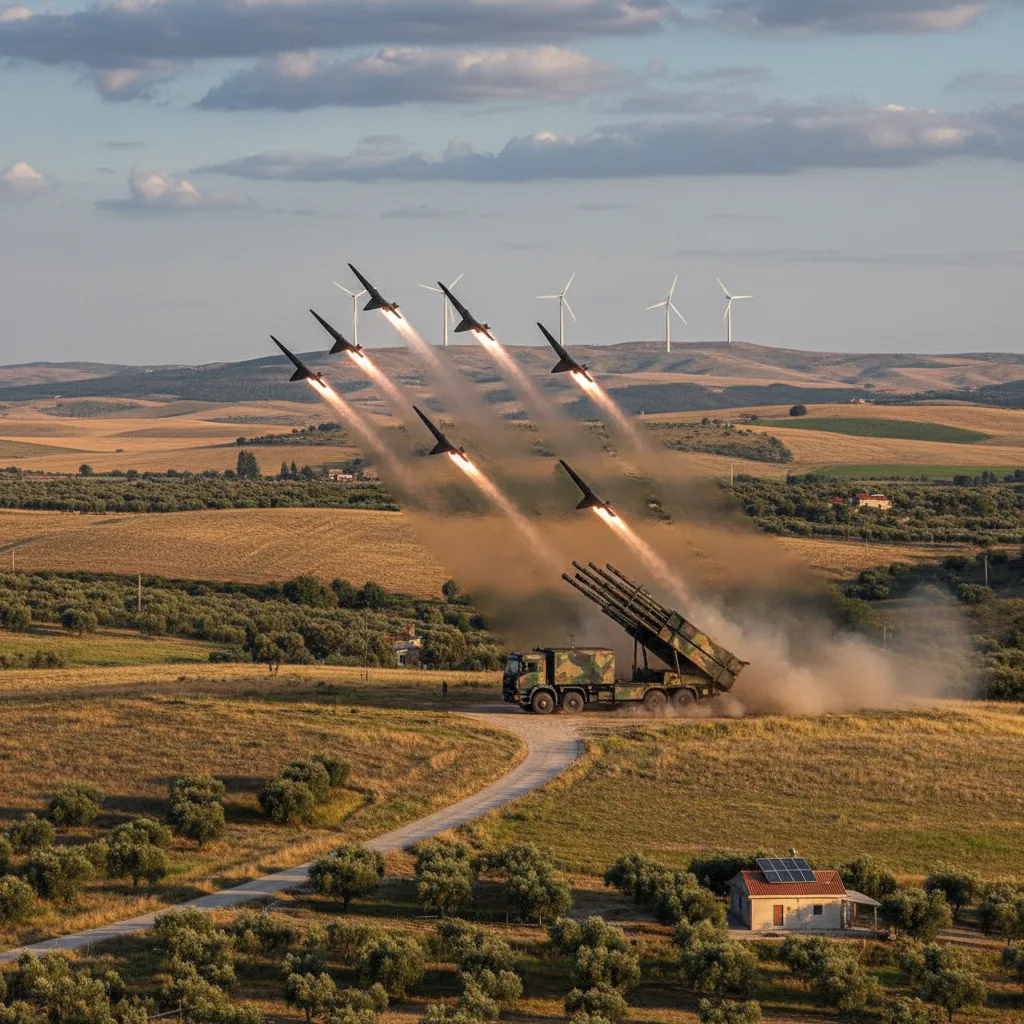
The targets chosen by Russian forces for the Shahed 136 have been strategically significant: Ukraine’s vital energy infrastructure. Power plants, substations, and electricity grids have been repeatedly targeted, particularly during the brutal winter months, plunging millions into darkness and cold. Beyond infrastructure, residential buildings, civilian areas, and even grain silos have been hit, demonstrating a clear intent to sow terror and disrupt daily life. The drone’s distinctive, buzzing engine sound, often described as a “moped in the sky,” became a harbinger of impending strikes, generating widespread psychological distress among the Ukrainian populace.
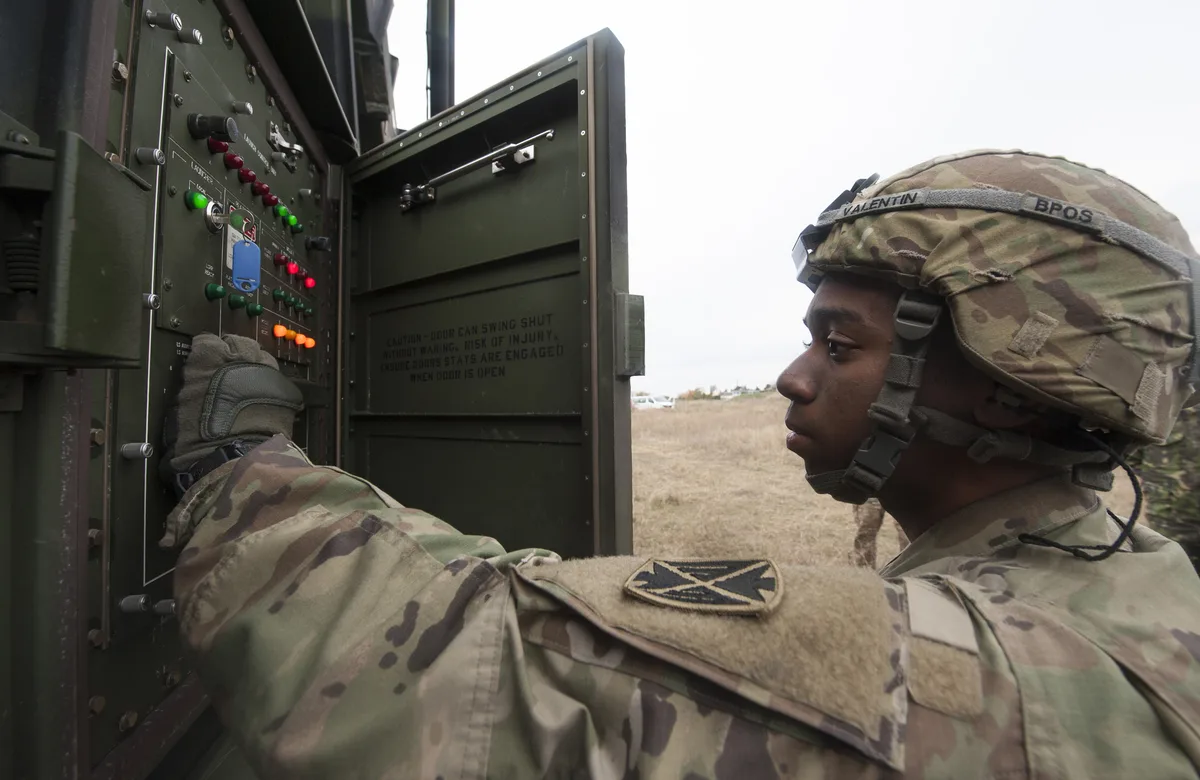 The **cost-effectiveness** of the **Shahed 136** is perhaps its most alarming attribute. While a single drone might cost $20,000-$50,000, the interceptor missiles used to shoot them down – such as those from **NASAMS**, **IRIS-T**, or **Patriot** systems – can range from hundreds of thousands to several million dollars each. This economic disparity creates an unsustainable defense burden for Ukraine and its Western allies. While Ukrainian forces have achieved impressive intercept rates, sometimes exceeding 80%, the sheer volume of attacks ensures that a significant number of drones still reach their targets, inflicting substantial damage and draining precious air defense resources.
The Shadow Network: Tracing the Shahed 136’s Global Reach
The proliferation of the Shahed 136 drone extends far beyond the battlefields of Ukraine, painting a disturbing picture of Iran’s expanding drone influence and its intricate network of illicit supply. While Tehran vehemently denies supplying Russia with these drones, evidence, including recovered wreckage with Farsi markings and intelligence reports, points unequivocally to Iranian origin. This denial is a familiar tactic, mirroring Iran’s support for proxy groups across the Middle East, where similar drone technology has been observed.
Beyond Russia, the fingerprints of the Shahed 136, or its close variants, have been found in Yemen, used by the Houthi rebels against targets in Saudi Arabia and the UAE. The 2019 Abqaiq attacks, while not definitively attributed to the Shahed 136, demonstrated capabilities consistent with Iran’s evolving drone arsenal. In Iraq, Iranian-backed militias have reportedly deployed drones with similar characteristics. These transfers represent a deliberate strategy by Iran to project power, bypass conventional military limitations, and challenge regional adversaries through asymmetric means, all while maintaining a degree of plausible deniability.
 This global reach is facilitated by a sophisticated network designed to circumvent international sanctions. Iran’s **Islamic Revolutionary Guard Corps (IRGC)** and its aerospace industry, particularly **Shahed Aviation Industries** and **HESA (Iran Aircraft Manufacturing Industrial Company)**, are at the heart of this operation. They procure critical COTS components from unsuspecting or complicit suppliers worldwide, often through front companies and complex shipping routes. Western intelligence agencies, including the **CIA** and **MI6**, along with entities like the **US Treasury Department**, have been actively tracking these supply chains, imposing sanctions on individuals and entities involved. However, the sheer volume and global availability of these components make a complete shutdown of the supply chain an immense, ongoing challenge, allowing the **Shahed 136** to continue its deadly journey across continents.
The Unseen War: Countering the Shahed 136 and the Future of Defense
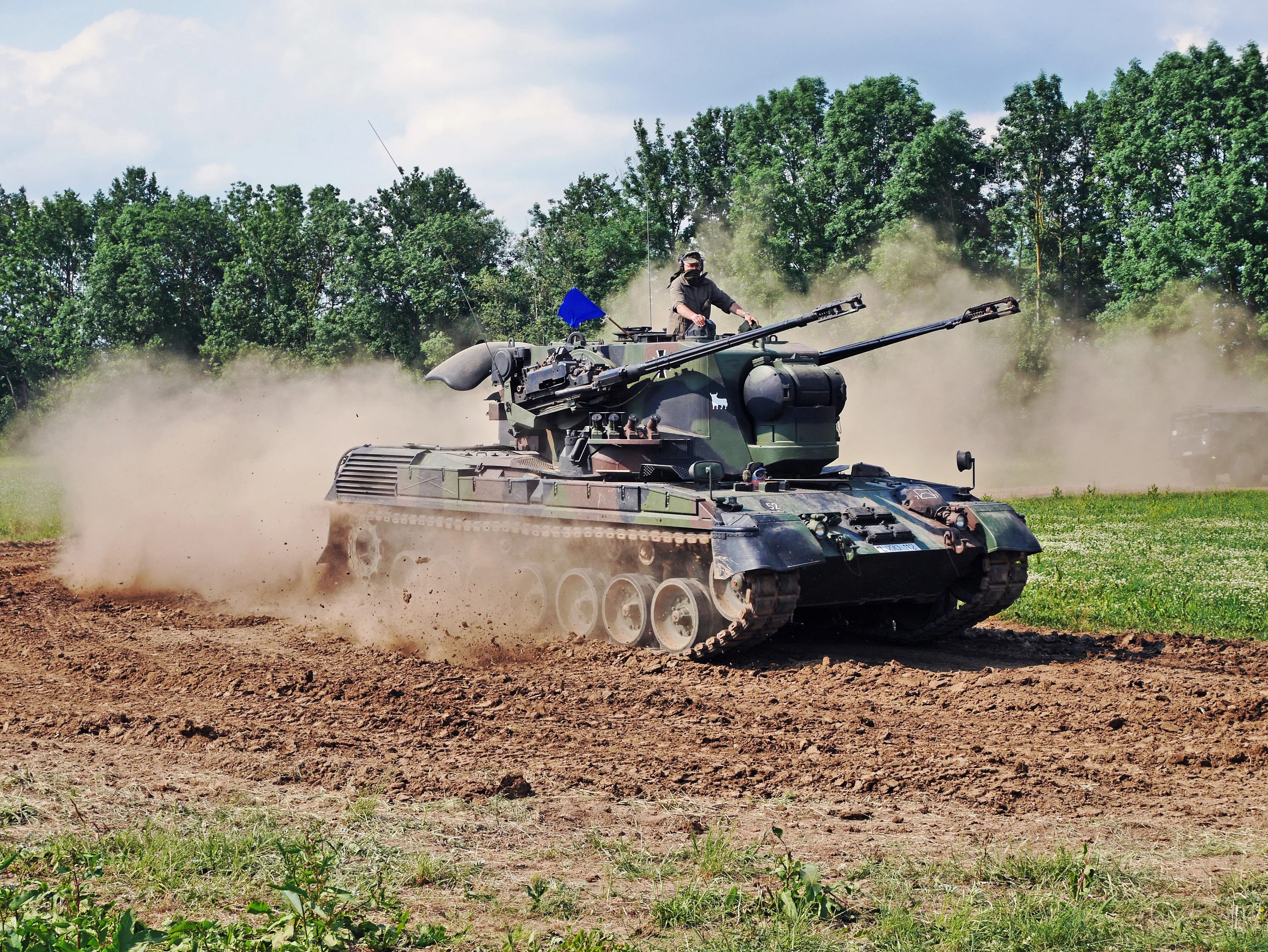 The emergence of the **Shahed 136 drone** has ignited a frantic race for effective countermeasures, exposing critical vulnerabilities in modern air defense systems. High-end missile defense systems like the **Patriot** and **NASAMS**, while capable of intercepting these drones, are simply too expensive and too few to counter saturation attacks economically. Ukraine has largely relied on a layered defense approach, combining these advanced systems with older Soviet-era **Gepard** self-propelled anti-aircraft guns, MANPADS (Man-Portable Air-Defense Systems), and even small arms fire. This improvisational approach, while effective in aggregate, highlights the need for dedicated, low-cost anti-drone solutions.
The challenges in countering the Shahed 136 are multifaceted. Its relatively low flight altitude (often below 5,000 meters) and slow speed (around 180 km/h) make it difficult for conventional radar systems to detect reliably, especially amidst ground clutter. The drone’s small radar cross-section further complicates detection. Its reliance on GPS/GLONASS navigation makes it theoretically vulnerable to electronic warfare (EW) jamming, but a robust inertial navigation system provides a backup, allowing it to continue towards its last known target coordinates. Furthermore, the sheer number of drones launched in swarm attacks can overwhelm even sophisticated EW systems.
The future of defense against such loitering munitions is rapidly evolving. Research and development are focused on directed energy weapons (lasers), high-power microwave systems, and advanced EW suites capable of precisely targeting and neutralizing drone swarms. Counter-drone drones, equipped with nets or kinetic interceptors, are also being explored. However, these technologies are still nascent. For now, the most effective strategy remains a combination of early warning systems, a diverse array of kinetic interceptors (from missiles to cannon fire), and robust electronic warfare, all integrated into a comprehensive air defense network. The Shahed 136 has irrevocably shifted the paradigm, forcing militaries to prepare for a future where cheap, abundant drones are a primary threat, demanding innovative, cost-efficient defensive solutions.
The Enigma Persists: Unresolved Questions Surrounding the Shahed 136
Despite extensive analysis and battlefield evidence, the Shahed 136 drone remains an enigma, its full story still unfolding. One of the most persistent questions revolves around its true origins and development. While Iran asserts indigenous design, the striking similarities between certain components, particularly the engine, and foreign models raise suspicions of reverse-engineering or illicit acquisition of Western technology. Was it a truly homegrown innovation, or a sophisticated mimicry of existing designs, perhaps even exploiting weaknesses in global export controls? This debate fuels an ongoing intelligence hunt to precisely map its design lineage.
Another critical, and often debated, point is the drone’s actual cost and economic impact. While estimates for a single unit hover around $20,000-$50,000, this figure often excludes research and development, manufacturing overheads, and the true cost of evading sanctions. Conversely, the economic damage it inflicts – rebuilding power grids, repairing infrastructure, and the immense cost of air defense – far outstrips its unit price. The precise financial calculus of this asymmetric warfare remains a subject of intense scrutiny, with implications for defense budgets globally.
Finally, the long-term geopolitical ramifications of the Shahed 136 are still being assessed. Has it fundamentally altered the balance of power, or is it merely a stop-gap weapon that will eventually be rendered obsolete by evolving countermeasures? Its deployment by Russia has undeniably showcased its potential as a terror weapon and an economic drain, but it has also spurred unprecedented innovation in anti-drone technology. The question of whether it represents a new era of low-cost, high-impact warfare, or simply a temporary challenge, will shape military doctrines and international relations for years to come. The Shahed 136 drone continues to fly a course fraught with unanswered questions, its shadow stretching far beyond the conflict zones it currently terrorizes.
FAQ: Shahed 136 Drone
Q1: What is a “loitering munition”? A1: A loitering munition, often called a “suicide drone” or “kamikaze drone,” is an aerial weapon system that loiters (waits) over a target area for some time, searching for targets, and then crashes into them to detonate its warhead. Unlike cruise missiles, they can be directed to new targets mid-flight or abort an attack.
Q2: How much does a Shahed 136 drone cost? A2: Estimates vary, but a single Shahed 136 drone is believed to cost between $20,000 and $50,000 to manufacture. This low cost is a key factor in its strategic effectiveness, as it forces defenders to expend much more expensive interceptor missiles.
Q3: Can the Shahed 136 be easily countered? A3: While not invulnerable, countering the Shahed 136 presents significant challenges. Its low cost, slow speed, low altitude, and small radar cross-section make detection difficult for conventional air defense systems. Swarm attacks can overwhelm defenses, and while electronic warfare can disrupt its GPS, its inertial navigation system provides a backup. Effective countering requires a layered defense strategy using a variety of weapons and technologies.
Q4: What is the range of the Shahed 136? A4: The operational range of the Shahed 136 is substantial. Iranian specifications and battlefield evidence suggest a range of 1,000 to 2,500 kilometers (approximately 620 to 1,550 miles), allowing it to strike deep into enemy territory from launch sites.
The Shahed 136 drone has irrevocably altered the landscape of modern warfare. Its journey from an obscure Iranian project to a global symbol of asymmetric threat underscores a critical shift: the democratization of devastating aerial power. This simple, affordable weapon has exposed vulnerabilities in even the most sophisticated defense systems, forcing a re-evaluation of national security strategies. The fight against the Shahed 136 is more than a tactical battle; it is a strategic imperative that will shape military innovation and geopolitical tensions for the foreseeable future.
You might also like:
👉 Geopolitical Conflict: Impact on Global Markets & Economy
👉 Economic Sanctions: Impact on International Trade & Geopolitics
👉 Economic Effects of Sanctions on Russia: A Comprehensive Guide