Earth's Fury: Unpacking Flood, Volcano & Earthquake Natural Disasters
Explore Earth's immense, untamed power through floods, volcanoes, and earthquakes. Unpack how these natural disasters redraw landscapes and challenge humanity for millennia.
When Earth Roars: Unpacking the Intertwined Fury of Flood, Volcano, and Earthquake Natural Disasters
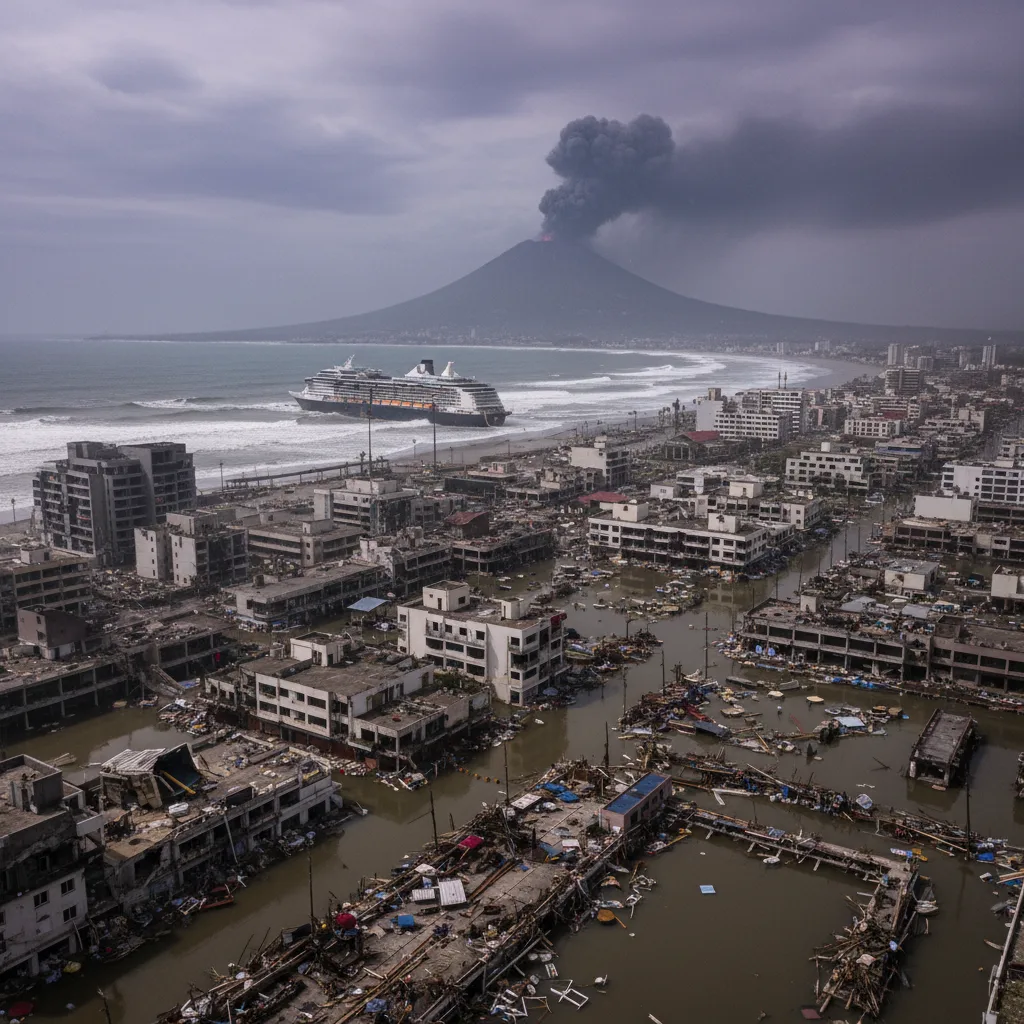
Imagine a force so immense it can redraw coastlines, erect mountains from the sea, and unleash torrents that swallow cities whole. This isn’t fantasy; it’s the raw, untamed power of our planet, a power we witness in every flood, volcano, and earthquake natural disaster. For millennia, humanity has stood at the crossroads of awe and terror, grappling with these colossal phenomena that remind us of Earth’s restless, living core. They are not merely isolated events but often interconnected chapters in a grand, terrifying ballet, each capable of triggering the next, weaving a complex tapestry of destruction and rebirth.
From the shuddering ground beneath our feet to the fiery breath of mountain peaks and the relentless surge of water, these forces continuously sculpt our world, challenging our resilience and ingenuity. But how do these seemingly distinct powers interact, and what profound secrets do they reveal about the very planet we call home? Let’s dive deep into the heart of Earth’s most formidable expressions.
Earthquakes: The Planet’s Trembling Heartbeat
The ground beneath us, seemingly solid, is in fact a mosaic of immense tectonic plates, constantly grinding, colliding, and sliding past each other. This slow-motion dance, driven by the planet’s molten interior, builds unimaginable stress along fault lines. When that stress finally releases, often in mere seconds, the result is an earthquake – the planet’s violent shudder. These seismic waves radiate outwards, causing buildings to sway, ground to liquefy, and landscapes to tear open.
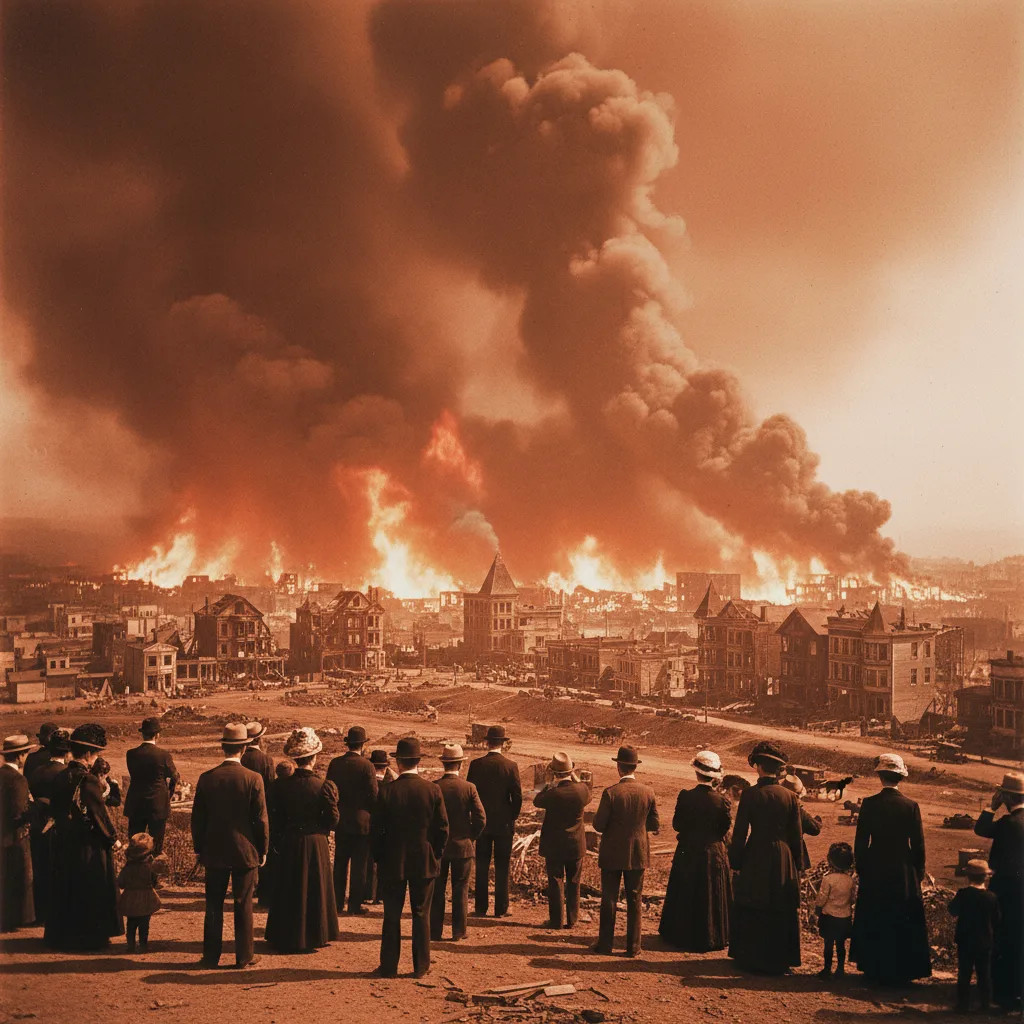
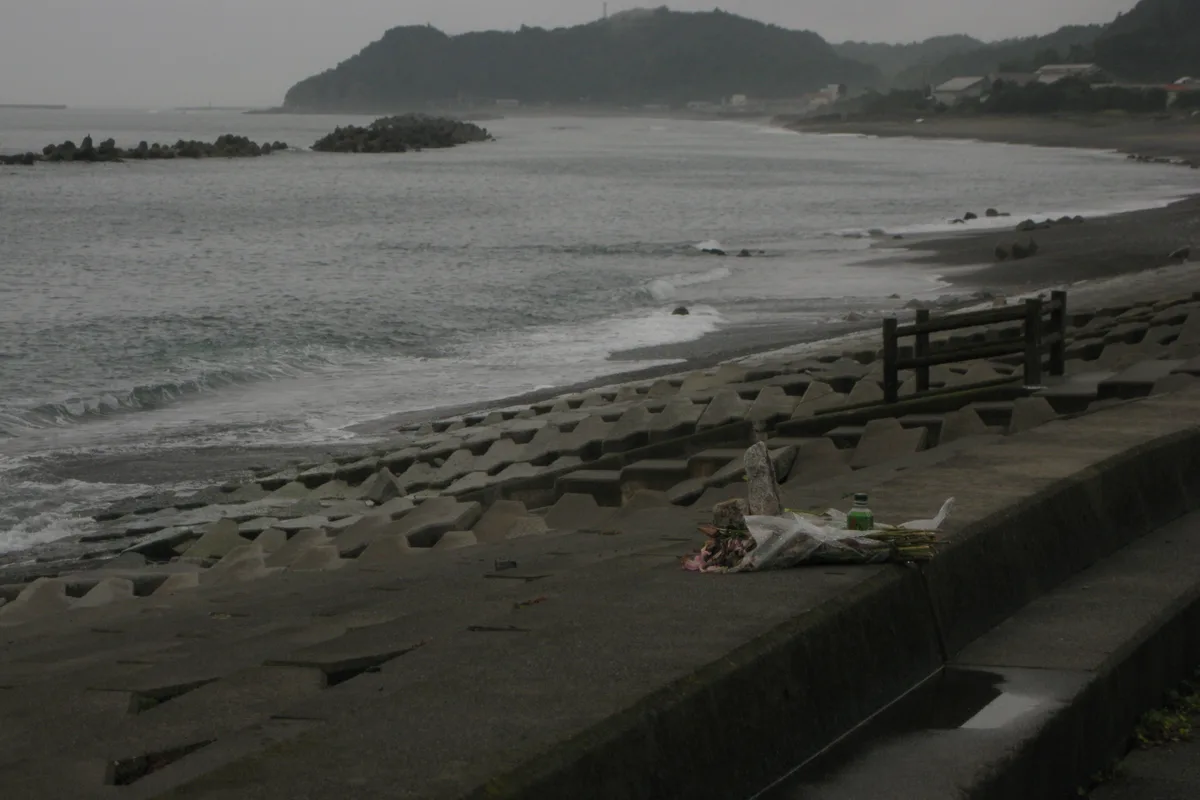 Consider the 2011 **Tōhoku earthquake** off Japan's coast, a colossal magnitude 9.0 event. It wasn't just the violent shaking that devastated communities; the rapid displacement of the seafloor triggered a catastrophic tsunami that swallowed coastal towns, crippled the Fukushima Daiichi nuclear power plant, and sent ripples of destruction across the Pacific. Closer to history, the 1906 **San Francisco earthquake**, though smaller in magnitude, unleashed a city-wide firestorm that razed much of the metropolis, demonstrating how primary seismic events can cascade into secondary disasters.
The aftermath of an earthquake can be a landscape of unimaginable devastation: collapsed bridges, shattered roads, and entire districts reduced to rubble. Yet, even as these tremors awaken sleeping giants or shatter the very land beneath our feet, another, more insidious force can emerge from the skies or surge from the depths.
Volcanoes: Architects of Creation and Catastrophe
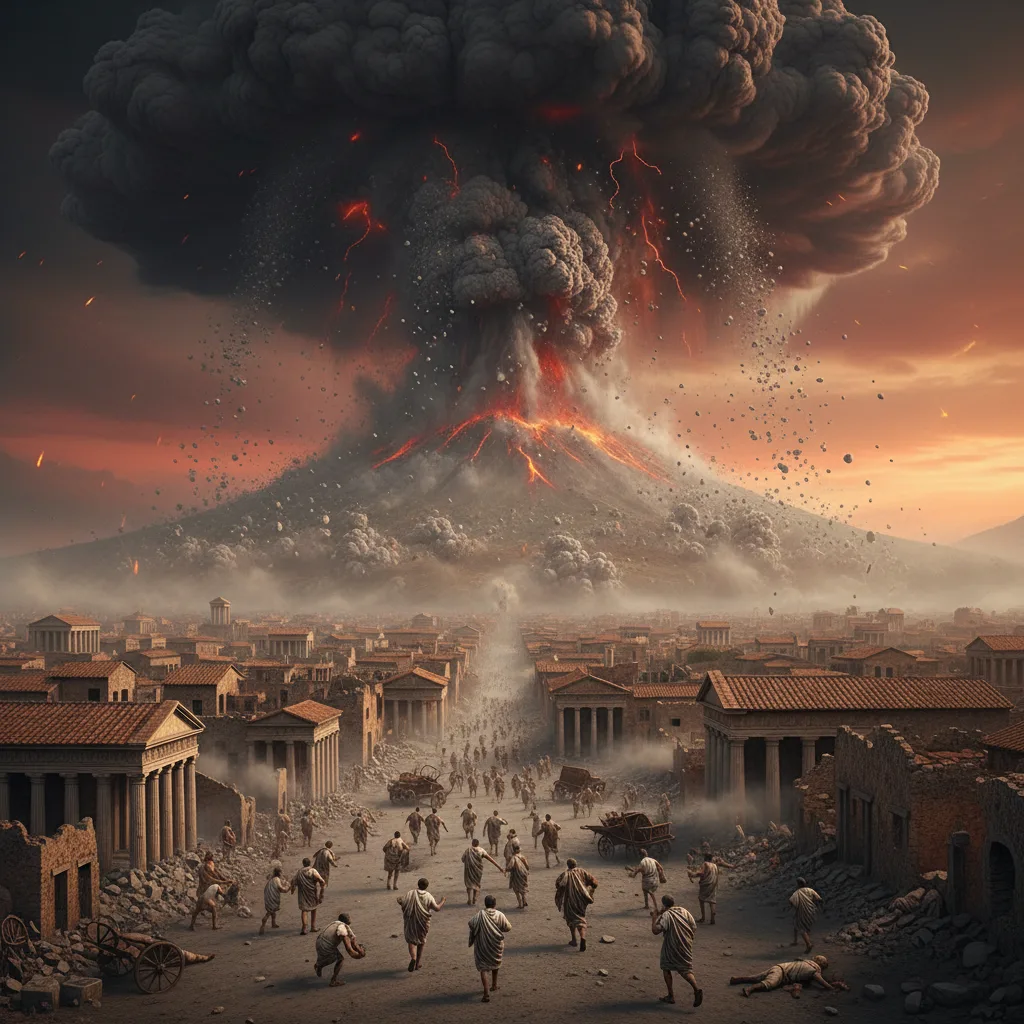
Beneath the Earth’s crust, immense pressures build, forcing molten rock, or magma, to the surface. When this magma erupts, we witness the spectacle of a volcano – a geological powerhouse that simultaneously destroys and creates. From the explosive pyroclastic flows of stratovolcanoes like Mount Vesuvius to the gentle, effusive lava flows of shield volcanoes like Hawaii’s Kīlauea, each eruption is a unique display of Earth’s internal furnace.
The 79 AD eruption of Mount Vesuvius famously buried the Roman cities of Pompeii and Herculaneum in ash and pumice, preserving a chilling snapshot of ancient life. More recently, the 1883 eruption of Krakatoa in Indonesia was so cataclysmic it generated tsunamis over 40 meters high, killed tens of thousands, and injected so much ash into the atmosphere that it lowered global temperatures for years, painting spectacular sunsets worldwide. These events remind us that volcanoes are not just local threats but can have far-reaching, even global, consequences.
Volcanic eruptions leave behind fertile soil, creating new land and supporting unique ecosystems. Yet, their immediate impact can be utterly devastating: incandescent ash clouds, rivers of molten rock, and fast-moving mudflows known as lahars can wipe out everything in their path. But what if the very ground beneath your feet, or the mountain beside you, is a silent accomplice in these watery devastations?
Floods: The Deluge’s Unrelenting Grip
Water, essential for life, can also become one of Earth’s most destructive forces when unleashed as a flood. Whether it’s a river swelling beyond its banks, a sudden flash flood in a desert canyon, or a coastal surge driven by a hurricane, the deluge reshapes landscapes and challenges human settlement. Caused by extreme rainfall, rapid snowmelt, storm surges, or even dam failures, floods are among the most common and widespread natural disasters globally.
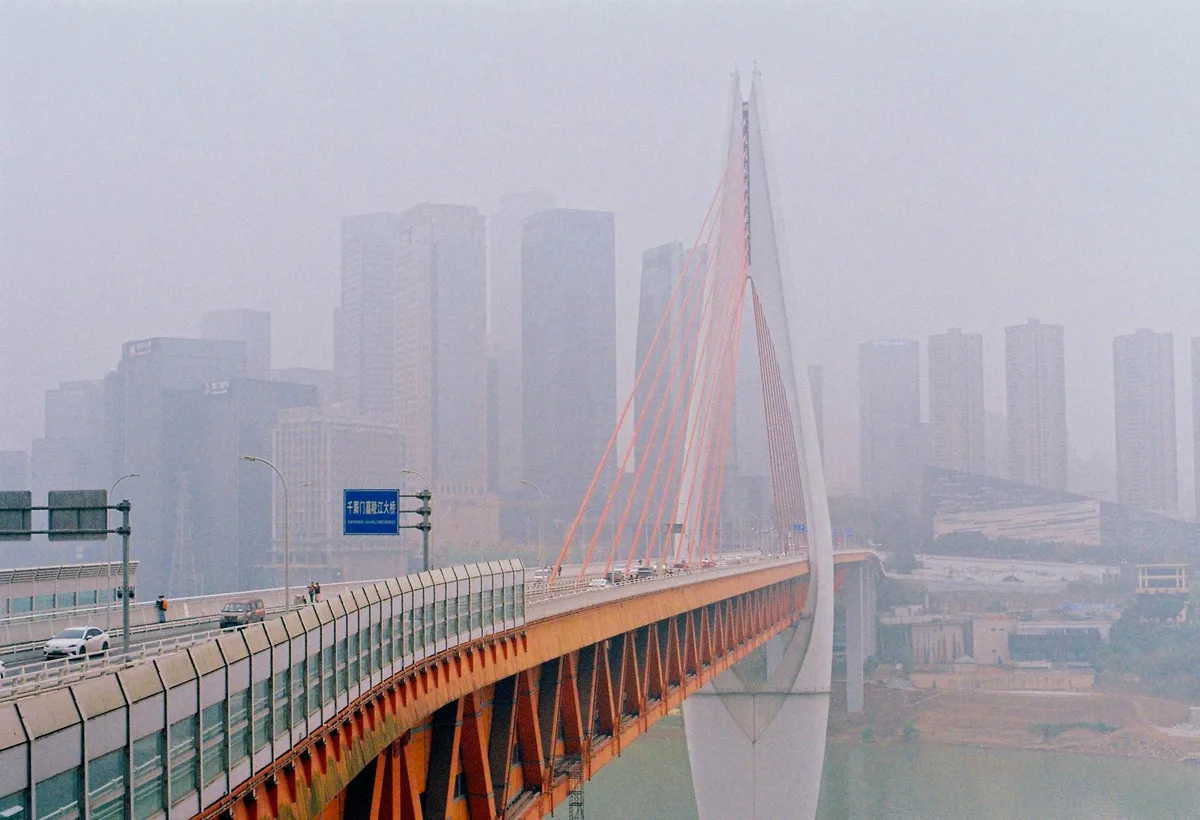 The 1931 **China floods** of the Yangtze-Huai River system stand as one of the deadliest natural disasters in recorded history, claiming millions of lives through drowning, starvation, and disease. More recently, the 2005 **Hurricane Katrina** brought unprecedented flooding to New Orleans, not just from the storm surge but crucially from the catastrophic failure of its levee system. And yearly, the **monsoon floods** across South Asia displace millions, highlighting the persistent vulnerability of densely populated river basins.
A flood’s immediate impact is often drowning and displacement, but its long-term effects are equally grim: contamination of water supplies, widespread disease, destruction of crops, and vast economic losses. The power of water is undeniable, but it rarely acts alone.
The Unholy Trinity: When Disasters Converge
Here, the true terror and complexity of a flood, volcano, earthquake natural disaster scenario become apparent: these forces are often interconnected, one triggering or exacerbating another in a deadly chain reaction. The planet’s dynamic processes rarely respect our neat classifications.
Perhaps the most infamous convergence is the earthquake-triggered tsunami. The 2004 Indian Ocean earthquake (M9.1), for example, didn’t directly kill millions with its shaking, but its sudden displacement of the seafloor generated monumental tsunamis that devastated coastal communities across 14 countries, claiming over 230,000 lives. Similarly, volcanoes can directly cause floods: the 1985 eruption of Nevado del Ruiz in Colombia melted its glacial ice cap, sending massive lahars – volcanic mudflows – roaring down its slopes, burying the town of Armero and killing 25,000 people. Volcanic ash, when it settles, can also clog rivers and drainage systems, significantly increasing the risk of severe flooding during subsequent rainfall.
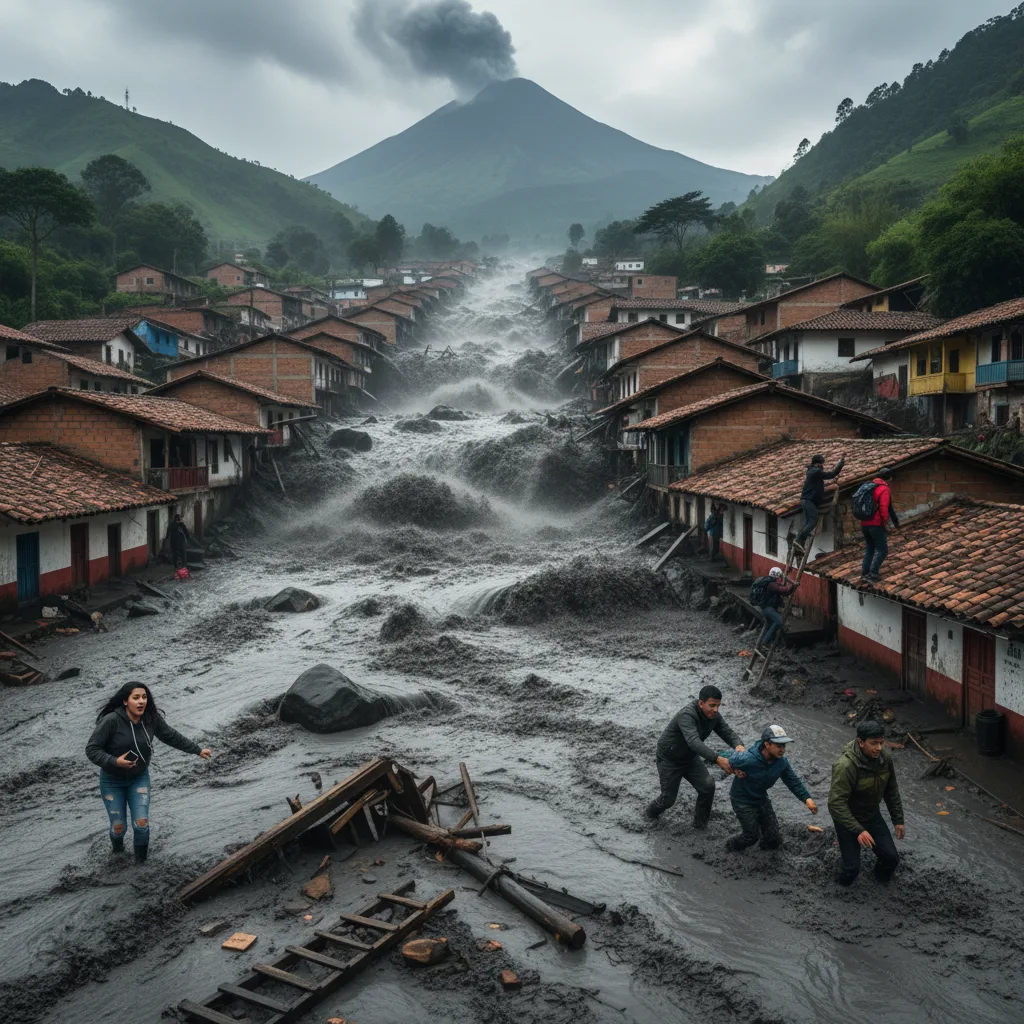
Even more subtly, powerful earthquakes can trigger massive landslides that dam rivers, creating unstable natural lakes. When these natural dams inevitably burst, they unleash catastrophic flash floods downstream, adding another layer of complexity to the initial seismic event. Faced with such multifaceted threats, how does humanity even begin to respond, predict, and rebuild?
Humanity’s Resilience and Adaptation
Despite the overwhelming power of these forces, humanity has never ceased to learn, adapt, and build resilience. Our understanding of plate tectonics, vulcanology, and hydrology has advanced exponentially, leading to sophisticated early warning systems and engineering marvels. Japan, for instance, has invested heavily in advanced seismic building codes, ensuring structures can withstand violent shaking, and an intricate tsunami warning system that provides precious minutes for evacuation.
From the Netherlands’ iconic Delta Works, a massive flood defense system protecting low-lying lands from the North Sea, to global networks of tsunami buoys and satellite monitoring of volcanic activity, our ingenuity is a testament to our will to survive. Education and community preparedness are equally vital, transforming vulnerable populations into informed responders capable of executing evacuation plans and understanding local risks. This proactive stance, combining scientific insight with social organization, helps mitigate the devastating impacts of Earth’s fury.
Our ingenuity is undeniable, but as the planet continues its restless dance, what lessons must we carry into the future?
Conclusion: A Future Shaped by Tremors and Tides
The intertwined forces of flood, volcano, and earthquake natural disaster remind us that we live on a dynamic planet, constantly in flux. From the deep tremors that reshape continents to the fiery eruptions that build new land and the relentless deluges that carve valleys, Earth’s power is both awe-inspiring and terrifying. We are not merely passive witnesses to these events; our settlements, infrastructure, and very lives are inextricably linked to their rhythm.
The ongoing scientific quest to understand these phenomena, coupled with robust preparedness and international cooperation, is our best defense. As climate change potentially intensifies extreme weather events, increasing flood risks, and as populations continue to grow in seismically active and volcanically prone regions, our relationship with Earth is one of constant negotiation. We must forever learn to live with the planet’s pulse, building smarter, preparing better, and fostering a deep respect for the immense, beautiful, and often perilous world we inhabit.
You might also like:
👉 Are Volcanoes & Earthquakes Natural Disasters? Earth’s Vital Forces
👉 Natural Disasters: Volcanoes, Earthquakes & Tsunamis Explained