
Economic Sanctions: Unpacking Consequences & Future Strategies
Uncover the complex human and economic toll of global economic sanctions. From struggling families to geopolitical shifts, we analyze their impact and explore future solutions.
The Unintended Storm: Economic Sanctions, Their Consequences, and the Path Forward
Imagine a bustling Tehran market stall, vibrant with spices and fabrics, yet the vendor struggles to find essential medicines for his ailing mother. Or a Venezuelan family, once middle-class, now rationing scarce food and fuel as hyperinflation devours their savings. These aren’t isolated tragedies; they are the often-overlooked human consequences of economic sanctions, a tool of statecraft increasingly wielded by global powers. Once seen as a bloodless alternative to war, sanctions have evolved into a complex, multifaceted instrument, prompting a critical examination of their efficacy, ethical implications, and the urgent need for a more sophisticated state of the art in their design and implementation, pointing towards crucial paths forward.

The Double-Edged Sword: Unpacking the Intent and Unforeseen Consequences of Economic Sanctions
For decades, economic sanctions have been the international community’s go-to instrument for coercion, intended to pressure rogue regimes, deter aggression, or combat terrorism without resorting to military force. From the League of Nations’ embargo on Italy in 1935 following its invasion of Ethiopia to the sweeping UN sanctions against apartheid South Africa, the goal has consistently been to induce a change in behavior by inflicting economic pain. The United States, in particular, has become a prolific user, with its Treasury Department currently managing over a dozen major sanctions programs targeting countries like Iran, Russia, Cuba, and North Korea, alongside thousands of individuals and entities.
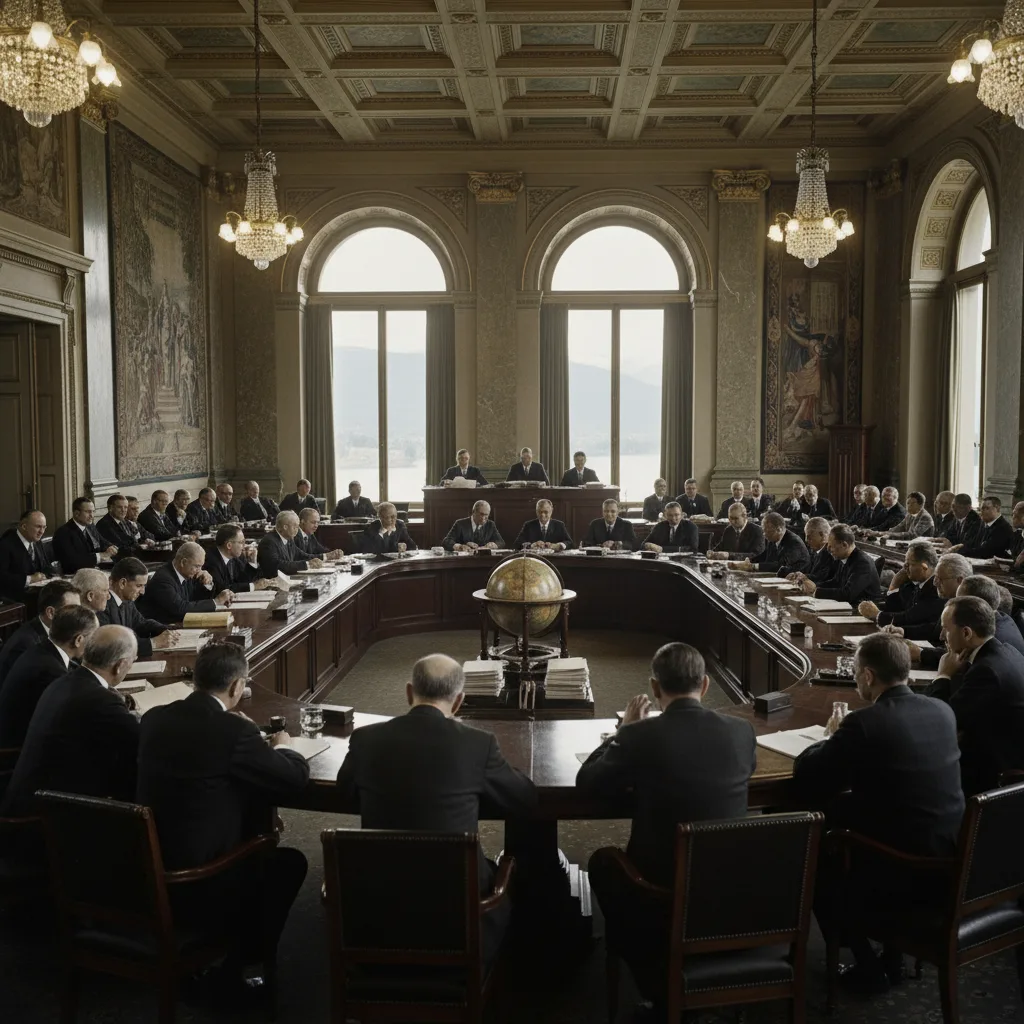
Yet, the efficacy of these measures is fiercely debated. While proponents point to instances like the Libyan regime’s renunciation of WMDs in 2003 under Gaddafi as a success, critics highlight prolonged stalemates, such as the decades-long embargo on Cuba, which failed to dislodge the Castro government. The challenge lies in calibration: how to apply enough pressure to achieve political objectives without destabilizing a region or, worse, inadvertently strengthening the very regime they aim to weaken. The “smart sanctions” paradigm emerged in the 1990s, aiming to target specific leaders, entities, or sectors rather than entire economies, but even these sophisticated tools carry inherent risks of spillover.
The unforeseen consequences of economic sanctions often extend far beyond their intended targets. Supply chains buckle, humanitarian aid becomes entangled in financial restrictions, and ordinary citizens bear the brunt of economic collapse. This complexity forces us to ask: are we truly achieving our strategic goals, or simply creating new humanitarian crises and fostering resentment that fuels further instability?
The Human Cost: How Sanctions Ripple Through Societies
While sanctions are designed to be a non-military option, their impact on civilian populations can be devastatingly real, often mirroring the effects of conflict. In Venezuela, for instance, a 2019 report by the Center for Economic and Policy Research estimated that U.S. sanctions contributed to tens of thousands of deaths by exacerbating food and medicine shortages, a direct blow to the most vulnerable. Hospitals struggle with a lack of essential equipment and pharmaceuticals, leading to preventable deaths and a collapse of public health infrastructure.
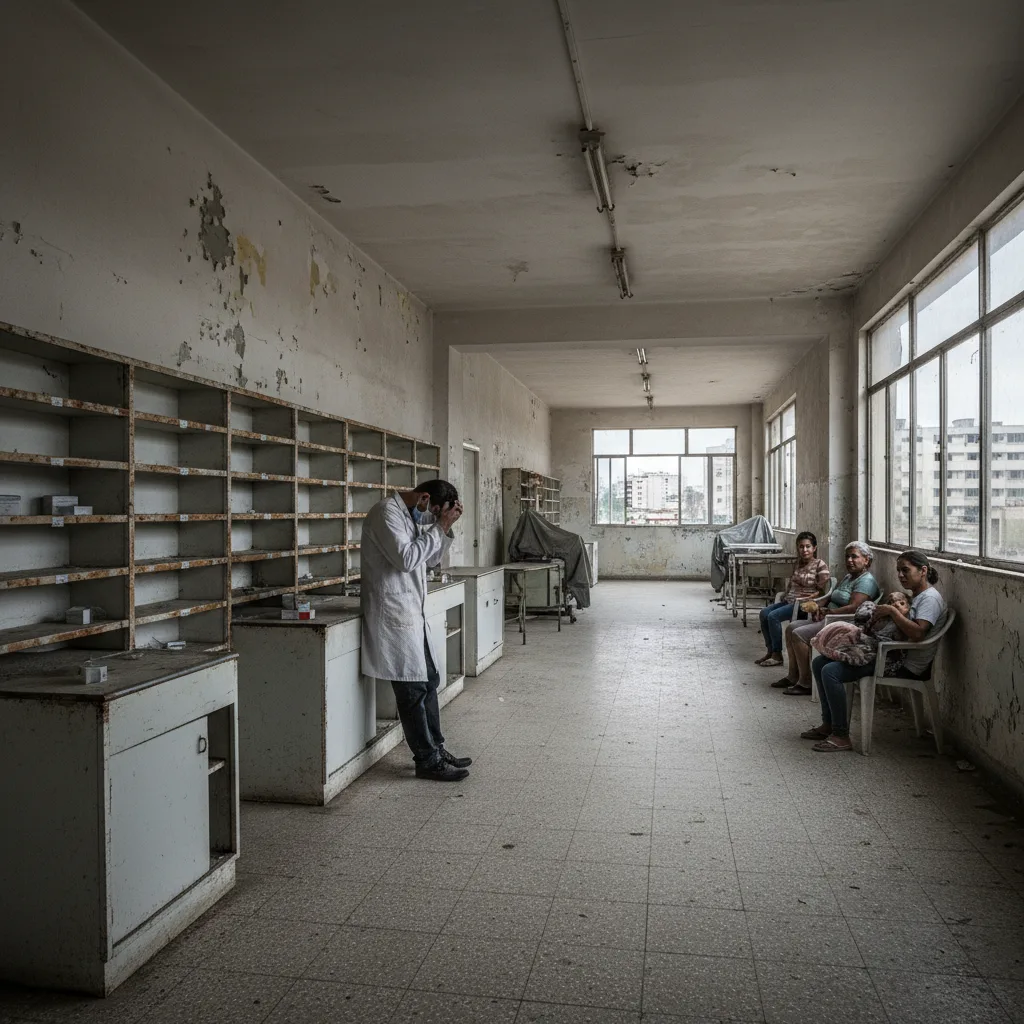
Similarly, in Iran, despite explicit humanitarian exemptions, the labyrinthine financial compliance required to process transactions often deters international banks and suppliers, leading to critical shortages of specialized medicines for conditions like cancer and rare diseases. Patients, often children, become unwitting pawns in geopolitical power struggles, their lives hanging in the balance as complex financial regulations impede the flow of life-saving goods. This chilling reality underscores a fundamental ethical dilemma: can we justify collective punishment for the actions of a few?
The ripple effects extend beyond health, impacting education, infrastructure, and basic livelihoods. Small businesses collapse, unemployment soars, and a brain drain accelerates as skilled professionals flee crumbling economies. These profound societal dislocations can breed discontent, not necessarily against the sanctioned regime, but often against the sanctioning powers, potentially fueling radicalization and long-term instability.
Geopolitical Chessboard: Sanctions as a Tool of Statecraft and Their Shifting Dynamics
 Economic sanctions are not merely legal instruments; they are potent weapons in the geopolitical arena, shaping alliances and challenging global financial norms. The United States, leveraging the dollar's dominance and its control over the SWIFT financial messaging system, wields unparalleled power in imposing secondary sanctions, which penalize third-country entities for doing business with sanctioned nations. This extraterritorial reach has drawn ire from allies and adversaries alike, compelling countries like China and Russia to actively seek alternatives to the dollar-centric global financial architecture.
The ongoing conflict in Ukraine has dramatically escalated the use of sanctions, with an unprecedented coalition of Western nations imposing sweeping measures against Russia, including freezing central bank assets and cutting off major banks from SWIFT. This move, while intended to cripple the Russian economy, has also accelerated global debates on financial sovereignty and the weaponization of interdependence. China, for instance, is pushing its CIPS (Cross-Border Interbank Payment System) as a SWIFT alternative, and central bank digital currencies are gaining traction as potential bypasses.
These shifting dynamics highlight a crucial evolution: sanctions are now a central battleground in the contest for global influence, pushing nations to diversify their economic relationships and fortify their financial systems against external pressure. The long-term consequences of economic sanctions in this new era could fundamentally reshape the international economic order.
Economic Resilience and Evasion: Adapting to the Sanctions Regime
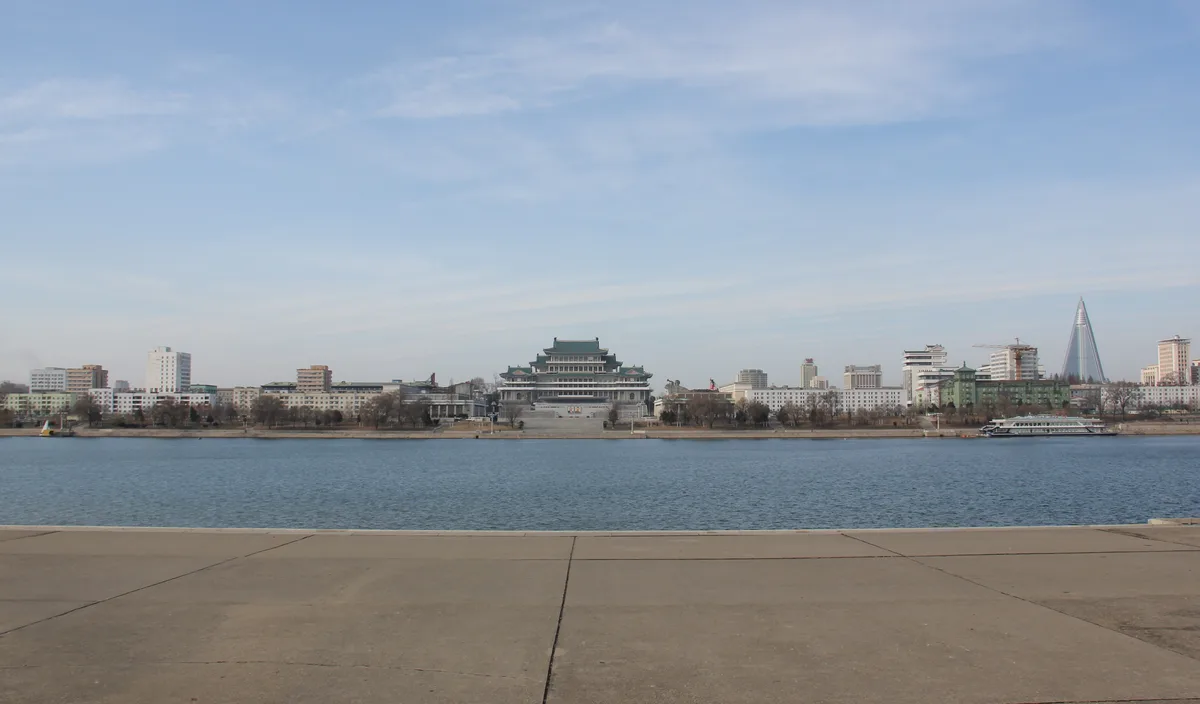 Sanctioned states, far from passively accepting their fate, often develop remarkable resilience and sophisticated strategies to circumvent restrictions. From North Korea's elaborate networks of illicit trade, leveraging cryptocurrency and shell companies, to Iran's robust shadow economy and reliance on barter systems for oil sales, targeted nations consistently adapt. Russia, following the 2014 annexation of Crimea, embarked on an import substitution program, bolstering domestic agricultural and industrial production, demonstrating a deliberate pivot towards self-sufficiency.
These evasion tactics often involve exploiting legal loopholes, developing clandestine supply chains, and fostering closer economic ties with non-aligned nations. The rise of digital currencies presents a new frontier, potentially allowing transfers of value outside traditional banking systems, complicating enforcement efforts. While sanctions aim to isolate, they can inadvertently foster innovation in illicit finance and strengthen the resolve of the targeted regime by creating a siege mentality.
This cat-and-mouse game between sanctioners and sanctioned highlights the inherent limitations of economic coercion. The more comprehensive and prolonged the sanctions, the greater the incentive for evasion and the more sophisticated the methods employed, often to the detriment of transparency and legitimate commerce.
The “State of the Art” in Sanctions Design: Precision and Effectiveness
The evolution of sanctions from blunt instruments to targeted measures represents a significant shift in the state of the art. Today’s “smart sanctions” aim for precision, focusing on specific individuals (asset freezes, travel bans), entities (export controls, financial restrictions), or sectors (e.g., energy, finance) directly linked to the objectionable behavior. The goal is to maximize pressure on decision-makers while minimizing humanitarian harm and collateral damage to third parties.
Achieving this precision relies heavily on robust intelligence gathering, sophisticated data analytics, and international cooperation. Organizations like the Financial Action Task Force (FATF) play a crucial role in setting standards to combat money laundering and terrorist financing, indirectly enhancing the effectiveness of financial sanctions. However, even the most meticulously designed targeted sanctions can face challenges, including identifying true beneficial owners of assets and preventing front companies from masking illicit activities.
Despite these advancements, the debate over effectiveness persists. Do sanctions genuinely alter a regime’s strategic calculus, or do they merely serve as a symbolic expression of disapproval? The answer often lies in the clarity of objectives, the enforceability of measures, and the presence of a credible “off-ramp” or diplomatic pathway for resolution.
Paths Forward: Rethinking Sanctions for a Complex World
Given the mixed track record and significant collateral damage, the international community must urgently consider new paths forward for the application of economic sanctions. A critical first step is to establish clearer, measurable objectives for every sanctions regime, coupled with transparent benchmarks for their removal. Sanctions should not be open-ended punitive measures but tools designed to achieve specific behavioral changes, with a defined exit strategy.
Greater multilateralism is also essential. Unilateral sanctions, while powerful, can undermine international law and alienate allies. A unified global front, perhaps under the auspices of the UN Security Council, lends legitimacy and increases effectiveness. Furthermore, humanitarian considerations must be integrated from the outset, not as an afterthought. This means designing robust, actionable humanitarian exemptions and streamlining their implementation to prevent essential goods from being held hostage by complex compliance requirements.
Finally, sanctions should always be part of a broader diplomatic strategy, complemented by engagement, incentives, and clear communication channels. They are a tool of pressure, but pressure alone rarely resolves complex geopolitical issues. The future demands a nuanced approach, where economic coercion is precisely calibrated, ethically grounded, and strategically integrated into comprehensive efforts for peace and stability.
Conclusion: Navigating the Future of Economic Coercion
The consequences of economic sanctions are far-reaching, complex, and often fraught with unintended human suffering. While they remain a powerful instrument in the global toolkit, the current state of the art reveals both their potential for precision and their persistent shortcomings. As geopolitical tensions escalate and economic interdependence deepens, the need for reform is paramount. The paths forward demand a shift towards more targeted, accountable, and ethically conscious application of sanctions, always prioritizing human well-being and integrating them into comprehensive diplomatic frameworks. Only then can we hope to harness their power for positive change without inadvertently fueling greater instability and injustice in an already turbulent world.
You might also like:
👉 Economic Sanctions: Impact on International Trade & Geopolitics
👉 Economic Sanctions: Why They Often Fail to Achieve Goals
👉 Economic Sanctions Examples in History: The Silent Hammer Unveiled