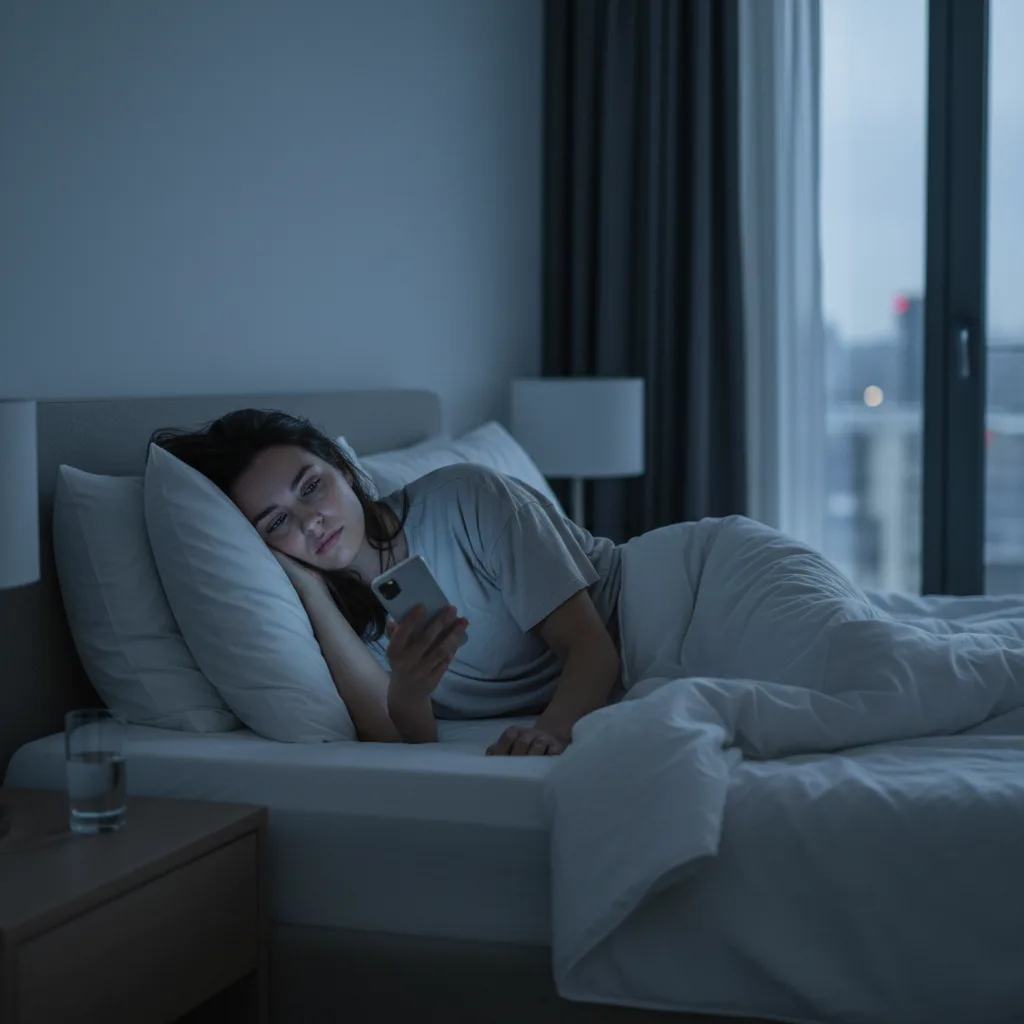
Excessive Heat Warning at Night: A Silent Midnight Menace
Explore the growing threat of excessive heat warnings at night. Understand why the absence of nighttime cooling is becoming a dangerous 'midnight menace' affecting health and sleep.
The Silent Scorch: When an Excessive Heat Warning at Night Becomes a Midnight Menace
We all know the primal comfort of sunset. That glorious moment when the sun dips below the horizon, taking with it the day’s oppressive glare, and the world exhales a collective sigh of relief. The air cools, a gentle breeze stirs, and the promise of a restorative night’s sleep beckons. It’s an ancient pact between us and the planet: endure the day’s heat, and the night will bring respite. But what happens when that pact is broken? When the sun sets, but the heat lingers, thick and unyielding, refusing to release its suffocating grip? That’s when an excessive heat warning at night transforms from a mere meteorological bulletin into a genuine, life-threatening crisis. It’s not just uncomfortable; it’s a silent, insidious threat to our health, our infrastructure, and our very way of life.
Imagine your body as a finely tuned engine, constantly working to maintain a perfect operating temperature. During the day, it’s like driving uphill in traffic – you expect the engine to work harder, maybe even run a little hot. But night is supposed to be the downhill coast, the cool-down period. When the ambient temperature refuses to drop sufficiently, it’s like trying to cool your car engine by parking it in a heated garage. The system never gets a chance to recover. This isn’t just about a few sweaty hours; it’s about a fundamental disruption to our biology and the urban ecosystems we inhabit, a phenomenon growing more common and more dangerous with each passing year.
The Night’s Deceptive Embrace: Why Nocturnal Heat Is Different (and Nasty)
Our planet has a built-in cooling mechanism: radiative cooling. During the day, the Earth absorbs solar radiation. At night, it releases that stored energy back into space as infrared radiation, causing temperatures to drop. This is why a desert, scorching hot by day, can become surprisingly chilly after dark. It’s a beautiful, elegant system. But in our increasingly urbanized world, we’ve inadvertently thrown a wrench into this celestial thermostat. Cities, with their dense concentrations of concrete, asphalt, and brick, are heat sponges. These materials have a high thermal mass, meaning they absorb vast amounts of solar energy during the day and, unlike natural landscapes, they release it slowly, steadily, throughout the night.
This phenomenon is known as the Urban Heat Island (UHI) effect, and it’s particularly pronounced after sunset. While a rural area might see temperatures plummet by 20 degrees Fahrenheit or more after dark, a nearby city could experience only half that drop. Think of it like a giant, slow-release hand warmer for your metropolis. The dark, non-reflective surfaces of roads and buildings absorb nearly all incoming solar radiation, boasting a low albedo. Then, as evening falls, they become radiant ovens, pumping out heat long after the sun has vanished. This isn’t theoretical; it’s observable reality. A 2018 study published in Nature Climate Change revealed that cities like Phoenix, Arizona, can experience nighttime temperatures up to 22 degrees Fahrenheit warmer than surrounding desert areas, essentially trapping residents in an inescapable thermal bubble.

And here’s the thing nobody tells you: this isn’t just about the materials. It’s also about our energy consumption. Air conditioners, while providing immediate relief indoors, expel hot air outside, further exacerbating the UHI effect. It’s a vicious cycle: the hotter it gets, the more we run our ACs; the more we run our ACs, the hotter our cities become at night. This feedback loop means that the very technologies designed to protect us can, on a macro scale, contribute to the problem, making an excessive heat warning at night a self-fulfilling prophecy for many urban dwellers.
The Body’s Midnight Struggle: When Thermoregulation Goes Awry
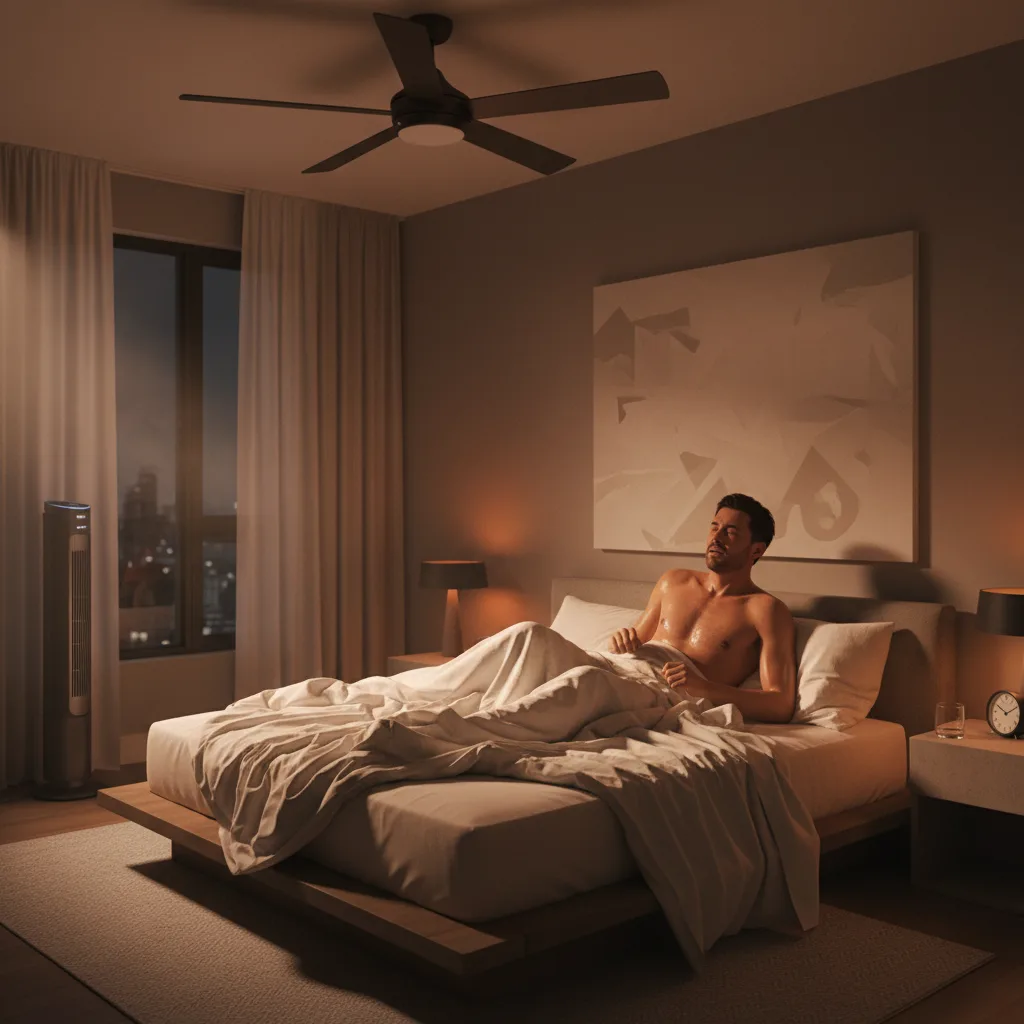
For humans, night is when our bodies are programmed to cool down and recover. Our core body temperature naturally dips by about one to two degrees Fahrenheit in the evening, signaling to our brains that it’s time for sleep. This slight temperature drop is crucial for initiating and maintaining the deeper, restorative stages of sleep, particularly REM sleep. When ambient temperatures remain stubbornly high, our bodies are forced to work overtime, even at rest, to try and shed heat. This process, known as thermoregulation, involves mechanisms like vasodilation (widening of blood vessels near the skin) and sweating.
But if the air is already too warm and humid, sweat evaporates less efficiently, and vasodilation becomes a less effective cooling strategy. The body keeps trying, increasing heart rate and diverting blood flow to the skin, placing significant strain on the cardiovascular system. This continuous struggle prevents the core temperature drop necessary for quality sleep. Studies have consistently shown that prolonged exposure to high nighttime temperatures leads to fragmented sleep, reduced REM and deep sleep, and increased awakenings. This isn’t just about feeling groggy; chronic sleep deprivation impairs cognitive function, weakens the immune system, and exacerbates underlying health conditions like heart disease, diabetes, and respiratory illnesses.
The real danger, however, lies in the cumulative effect. During a multi-day heatwave with an excessive heat warning at night, the body never gets a chance to fully recover. It’s like running a marathon without ever stopping to rest. Organs become stressed, dehydration sets in, and the risk of heat exhaustion and heatstroke skyrockets. The 2021 Pacific Northwest heat dome, which tragically claimed hundreds of lives, illustrated this stark reality. Many victims were found to have succumbed during the overnight hours, not necessarily at the peak daytime temperatures, but after their bodies had endured days of relentless heat without a nocturnal reprieve. For the elderly, infants, and those with chronic illnesses, this lack of overnight recovery can be a death sentence.
Beyond the Thermometer: The Social and Economic Ripple Effects of Nighttime Heat
The impact of an excessive heat warning at night extends far beyond individual physiology. It ripples through society, straining infrastructure, exacerbating social inequalities, and impacting productivity and mental well-being. Consider the electricity grid. As temperatures refuse to drop, millions of households and businesses continue to blast their air conditioning units, leading to unprecedented spikes in energy demand throughout the night. This can strain power grids to their breaking point, increasing the risk of blackouts, as seen during the California heatwaves in 2020 and 2022, when rolling outages were implemented to prevent grid collapse. Such outages are particularly devastating during heatwaves, as they cut off the very means of cooling for vulnerable populations.
Economically, the consequences are profound. A workforce deprived of restorative sleep is a less productive workforce. Studies from the National Bureau of Economic Research and others have quantified significant drops in productivity, both physical and cognitive, following periods of extreme heat, with nighttime temperatures being a key driver. Children, too, struggle to learn effectively when their sleep is disturbed, impacting educational outcomes. Then there’s the disproportionate burden on low-income communities. These neighborhoods often have less green space, more heat-absorbing surfaces, and older, less energy-efficient housing, trapping residents in hotter environments. Many cannot afford round-the-clock air conditioning, or their homes simply aren’t equipped for it, leaving them with few options for relief when the night offers none.
And let’s not forget mental health. Prolonged discomfort, sleep deprivation, and the constant stress of trying to stay cool can lead to increased irritability, anxiety, and even aggression. Research published in JAMA Psychiatry has linked higher temperatures to increased rates of emergency room visits for mental health conditions. The cumulative psychological toll of living through a series of relentless hot nights, with no end in sight, is a silent crisis that often goes unacknowledged, yet profoundly impacts community cohesion and individual well-being.
The Unseen Threat: How Climate Change Fuels Excessive Heat Warning at Night
While the Urban Heat Island effect explains why cities are hotter, climate change is the relentless engine driving the overall increase in temperatures, and it’s doing something particularly insidious to our nights. Here’s the thing nobody tells you: in many regions, nighttime temperatures are actually rising faster than daytime temperatures. This phenomenon, often dubbed “asymmetrical warming,” is a direct consequence of global warming and the enhanced greenhouse effect. As more greenhouse gases like carbon dioxide and methane trap heat in the atmosphere, less of the Earth’s stored energy can radiate back into space at night. It’s like pulling a thicker blanket over the planet after dark.
Scientific data unequivocally supports this. The Intergovernmental Panel on Climate Change (IPCC) reports highlight that global average minimum temperatures are increasing at a faster rate than maximum temperatures. For example, a 2017 study in Geophysical Research Letters found that from 1901 to 2012, minimum temperatures over global land surfaces warmed by approximately 0.2°C per decade, compared to 0.14°C per decade for maximum temperatures. This isn’t a statistical anomaly; it’s a critical indicator of how our climate is fundamentally changing, making an excessive heat warning at night a more frequent and intense reality.
Furthermore, increased atmospheric moisture, itself a feedback loop of a warmer planet, plays a role. Warmer air holds more water vapor, which is a potent greenhouse gas. This additional humidity can suppress the evaporation of sweat, making high temperatures feel even more oppressive, and it also traps more heat at night. It’s a double whammy: not only is the air warmer, but it’s also harder for our bodies to cool down through evaporation. This combination of rising baseline temperatures, asymmetrical warming, and increased humidity creates the perfect storm for dangerous, unyielding nocturnal heat, transforming once-rare phenomena into increasingly common occurrences.
Architects of Resilience: Innovating Against the Midnight Burn
The good news, if there is any, is that humanity isn’t passively accepting this midnight burn. Cities worldwide are becoming laboratories for innovation, developing strategies to mitigate the Urban Heat Island effect and build resilience against an excessive heat warning at night. One of the most promising approaches is green infrastructure. Planting more trees and creating urban parks provides natural shade and cools the air through evapotranspiration, where plants release water vapor, absorbing heat in the process. Cities like Medellín, Colombia, have successfully implemented “green corridors” – linear parks with dense tree cover – that have demonstrably lowered local temperatures by several degrees Celsius.
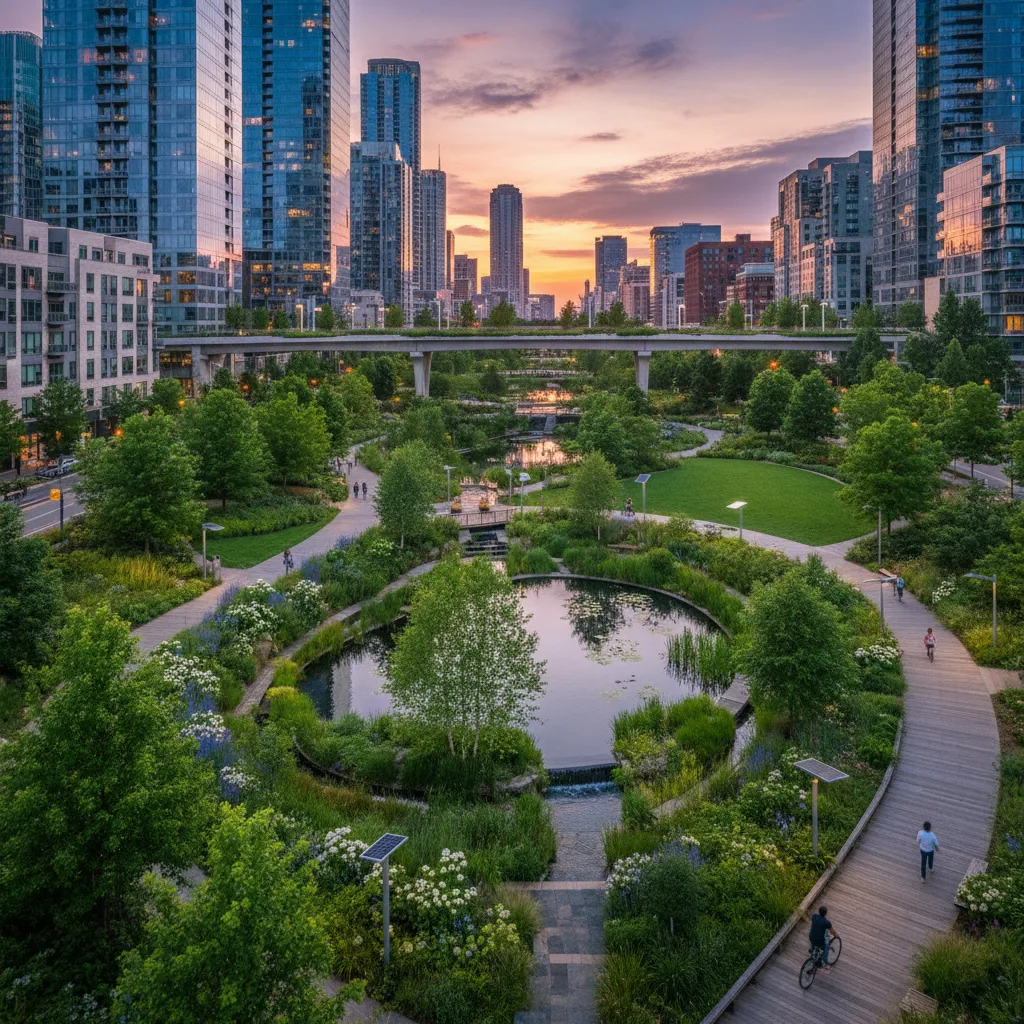
Another effective strategy involves changing the surfaces of our cities. Cool roofs, which use highly reflective materials or coatings, can reflect up to 90% of sunlight, significantly reducing the amount of heat absorbed by buildings. Similarly, cool pavements use reflective materials or permeable surfaces that allow water to seep through and evaporate, cooling the ground. Los Angeles, for instance, has been piloting reflective street coatings, observing drops of 10-15 degrees Fahrenheit in surface temperatures compared to traditional asphalt. These seemingly simple interventions aren’t just cosmetic; they’re fundamental shifts in how we design and interact with our built environment.
Beyond physical infrastructure, there’s the vital role of early warning systems and community outreach. Accurate, timely forecasts, especially for nighttime temperatures, allow public health officials to activate cooling centers, deploy mobile cooling units, and target aid to vulnerable populations. Cities like Paris have implemented robust heat action plans, including “cool island” mapping to identify shaded areas and public fountains, and a register of vulnerable individuals for targeted check-ins. It’s a multi-faceted battle, requiring a blend of advanced science, urban planning, and compassionate community engagement to protect those most at risk when the night refuses to cool.
The Personal Equation: Navigating an Excessive Heat Warning at Night
While systemic changes are crucial, what can you, the individual, do when faced with an excessive heat warning at night? First, hydration is paramount. Drink plenty of water throughout the day, and continue into the evening. Avoid alcohol and excessive caffeine, both of which can lead to dehydration. Second, rethink your sleeping environment. If air conditioning isn’t an option, or if you’re trying to conserve energy, strategic fan use can help. Position a fan to blow across a bowl of ice water for a DIY evaporative cooler, or place it in a window to draw cooler air in (if the outside air is cooler, which is the key distinction during these warnings). Cross-ventilation, even if the air is warm, can prevent stagnation.
Light, loose-fitting clothing made of natural fibers like cotton can help your skin breathe and sweat evaporate more easily. A cool shower or bath before bed can significantly lower your core body temperature, providing a temporary but welcome respite. Damp sheets or towels, placed over your body or near a fan, can also offer evaporative cooling. Here’s another thing nobody tells you: avoid heavy meals late at night, as digestion generates internal heat. Opt for lighter, cooler fare. And perhaps most importantly, check on your neighbors, especially the elderly or those living alone. A quick phone call or a knock on the door can literally be a lifesaver, ensuring that no one is silently suffering in the oppressive heat.
These aren’t just tips for comfort; they are strategies for survival and well-being. Understanding the unique dangers of nighttime heat empowers us to make informed choices, not just for ourselves, but for our communities. It’s about recognizing that the night, once a guaranteed haven from the day’s blaze, now requires a proactive approach to ensure its restorative promise isn’t broken.
FAQ: Excessive Heat Warning at Night
Q1: Why are nighttime temperatures rising faster than daytime temperatures in some places? A1: This “asymmetrical warming” is primarily due to the enhanced greenhouse effect. Greenhouse gases in the atmosphere trap more of the heat that the Earth radiates back into space at night, preventing it from escaping. Additionally, increased atmospheric moisture (which is also a greenhouse gas) further contributes to this nocturnal heat retention.
Q2: What’s the biggest health risk during an overnight heatwave? A2: The biggest risk is the lack of recovery. When temperatures remain high at night, the body never gets a chance to cool down and recuperate from the day’s heat. This prolonged strain on the cardiovascular system, combined with chronic sleep deprivation and dehydration, significantly increases the risk of heat exhaustion, heatstroke, and exacerbates underlying chronic health conditions like heart disease and diabetes.
Q3: Does sleeping with a fan on help, or just circulate hot air? A3: It depends. If the ambient air temperature is above about 95°F (35°C), a fan primarily circulates hot air and can even contribute to dehydration by increasing sweat evaporation without sufficient cooling. However, if the air is slightly cooler, or if you combine it with other cooling methods (like a wet towel or a bowl of ice water), a fan can effectively create a wind-chill effect and aid in evaporative cooling, making it beneficial for comfort and safety.
Q4: Are “cool roofs” really effective in reducing nighttime heat? A4: Yes, absolutely. Cool roofs, made with highly reflective materials, significantly reduce the amount of solar radiation absorbed by a building during the day. By absorbing less heat, the building has less heat to radiate back into the environment at night, thus reducing both indoor temperatures and contributing to a cooler urban environment overall, mitigating the Urban Heat Island effect.
The quiet hours of darkness, once a reliable sanctuary from the sun’s intensity, are increasingly becoming a new front in the climate crisis. An excessive heat warning at night is more than just a forecast; it’s a siren call, signaling a profound shift in our planet’s rhythm and a serious threat to human health and societal stability. Understanding the physics of heat, the biology of our bodies, and the systemic forces at play empowers us to recognize this stealthy danger. From planting trees to painting roofs white, and from checking on our neighbors to ensuring our own hydration, the solutions require both grand urban vision and individual diligence. The night should offer peace, not peril. It’s a future we must actively build, one cooler night at a time.
You might also like:
👉 Climate Change’s Silent Impact: How It Alters Ocean Ecosystems
👉 Super El Niño 2026 Predictions: Global Impact & What to Expect
👉 Nebraska Wildfires: Unseen Inferno & Devastating Heartland Reality