
Super El Niño 2026 Predictions: Global Impact & What to Expect
Unpack the Super El Niño 2026 predictions and its potential global impact. Discover how this powerful climate phenomenon could affect weather, economies, and communities worldwide.
Diving Deep into the Super El Niño 2026 Predictions: A Global Expedition
Imagine standing on the sun-baked shores of Mancora, Peru, the Pacific breeze usually a gentle balm, carrying the scent of salt and ceviche. But beneath the surface, the ocean’s vast currents are stirring, sending ripples of anticipation across the globe. Fishermen here, their lives tethered to the whims of the Humboldt Current, speak in hushed tones of past “Niños” – the Christ Child current that brings warm waters and disrupts their livelihoods. They know, instinctively, when something monumental is brewing. It is this profound connection to the ocean’s pulse that leads us to the heart of our expedition: the profound implications of the super El Niño 2026 predictions.

For decades, scientists have tracked this enigmatic phenomenon, a periodic warming of the equatorial Pacific Ocean that fundamentally alters global weather patterns. But not all El Niños are created equal. Some are gentle nudges; others are titans, roaring across continents with devastating force. These colossal events, often termed “super El Niños” or “extreme El Niños,” leave an indelible mark on human societies and natural ecosystems alike.
Now, advanced climate models and long-range forecasts are beginning to coalesce around a concerning possibility for 2026. While the science of predicting specific magnitudes years in advance remains complex and fraught with nuance, the atmospheric and oceanic indicators that precede such events are under intense scrutiny. This isn’t just a scientific curiosity; it’s a critical early warning, prompting governments, communities, and industries to consider what might lie ahead. Our journey will explore the intricate dance of ocean and atmosphere, the echoes of past super events, and the far-reaching preparations already underway for what could be another climatic landmark.
Unraveling the Enigma: The Science Behind a Super El Niño
To understand the super El Niño 2026 predictions, we must first grasp the colossal engine that drives the El Niño-Southern Oscillation (ENSO). Normally, trade winds push warm surface waters westward across the equatorial Pacific, piling them up near Indonesia and Australia. This creates a vast pool of warm water, allowing cooler, nutrient-rich waters to upwell off the coast of South America. El Niño reverses this. The trade winds weaken or even reverse, allowing the warm water pool to slosh back eastward, suppressing the upwelling. This sustained warming of the central and eastern tropical Pacific, particularly in the Niño 3.4 region, is the hallmark of El Niño.
What elevates a regular El Niño to “super” status? It’s a matter of magnitude and duration. A super El Niño, like those observed in 1982-83, 1997-98, and 2015-16, exhibits sea surface temperature (SST) anomalies in the Niño 3.4 region that are significantly higher than average, often exceeding 2.0°C above normal for several consecutive months. This extreme warming triggers a much more pronounced atmospheric response, dramatically shifting global atmospheric circulation patterns, known as teleconnections. The sheer volume of heat released from the ocean into the atmosphere acts as a powerful amplifier, propagating its effects far beyond the Pacific basin.
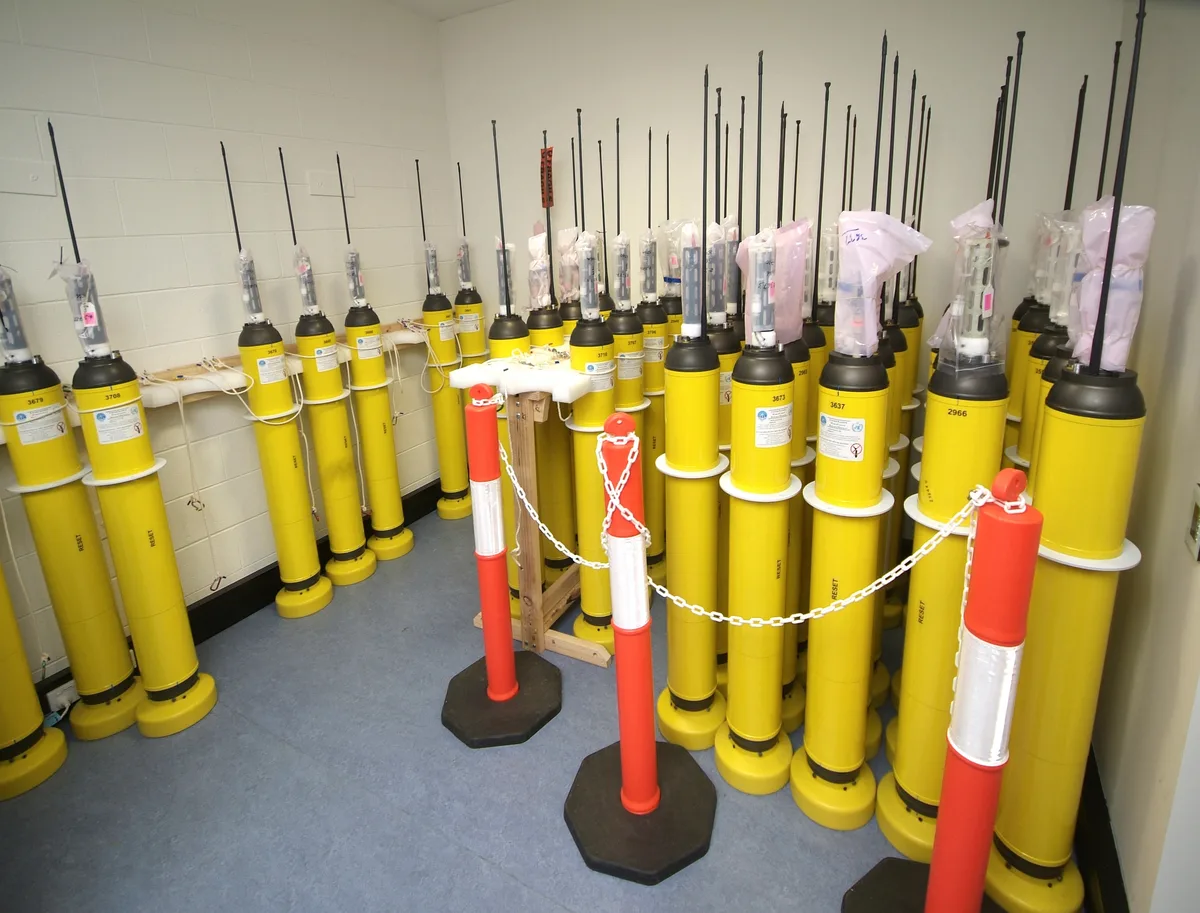 The ability to foresee these events has evolved dramatically. Modern climate models, such as those from the National Oceanic and Atmospheric Administration (NOAA) and the European Centre for Medium-Range Weather Forecasts (ECMWF), integrate vast datasets from an armada of buoys, Argo floats, and satellites. These instruments continuously monitor ocean temperatures, currents, and sea levels, feeding into complex algorithms that simulate future oceanic and atmospheric states. Scientists look for subtle precursors: changes in subsurface ocean heat content, the timing of westerly wind bursts, and the strength of the Southern Oscillation Index (SOI). These early warning signals, though still imperfect, provide crucial lead time for the potential 2026 event.
Echoes from the Past: Lessons from Previous Super El Niños
Our journey through the annals of El Niño history reveals stark precedents. The 1982-83 super El Niño caught the world largely by surprise. Satellite monitoring was in its infancy, and its full scale wasn’t appreciated until it was well underway. Its impacts were catastrophic: unprecedented droughts ravaged Australia, southern Africa, and parts of India, leading to widespread crop failures and famine. Meanwhile, torrential rains and flooding devastated Ecuador and Peru, washing away infrastructure and triggering mudslides. Coastal fisheries collapsed as warm waters drove away the anchovy, a cornerstone of the regional economy. This event served as a brutal awakening to the global interconnectedness of climate systems.
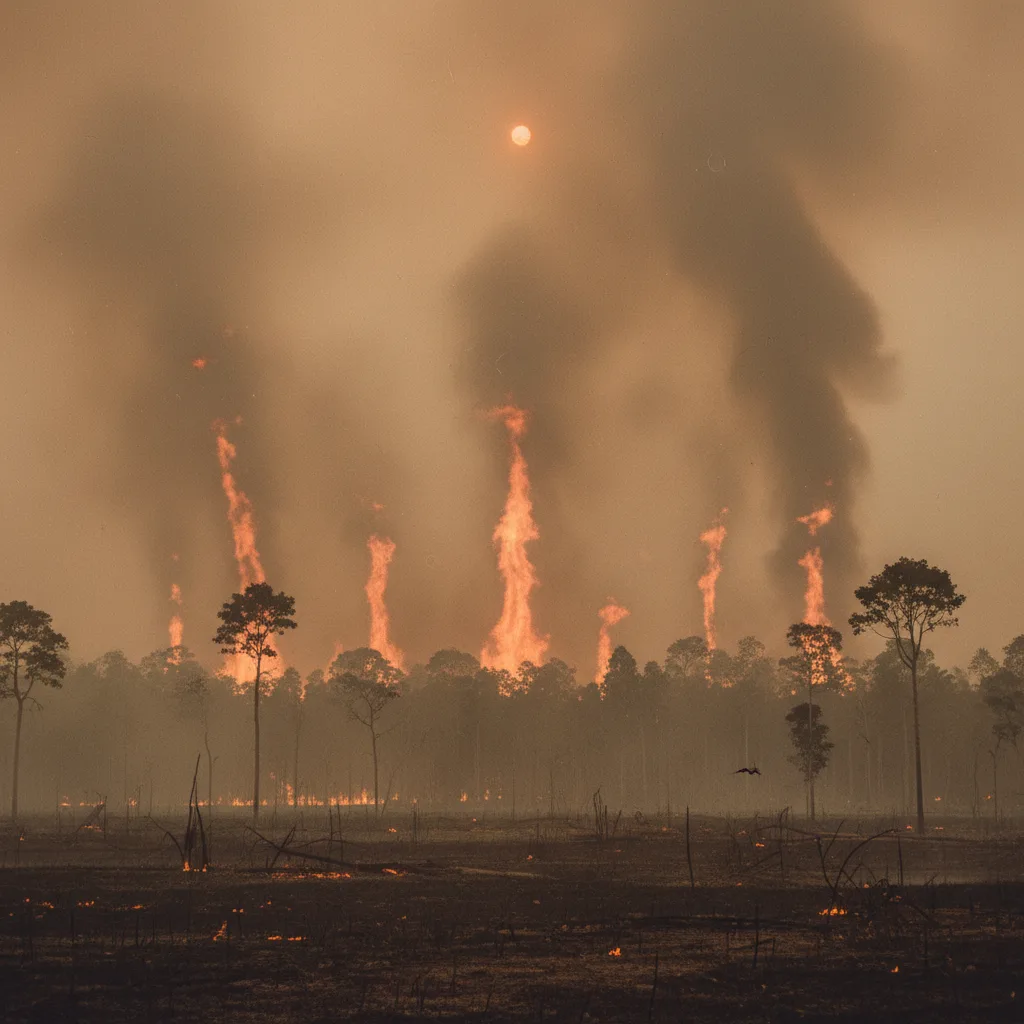
Just fifteen years later, the planet braced for another titan. The 1997-98 super El Niño was the first to be widely predicted, thanks to improved oceanographic monitoring and nascent climate models. This allowed for some degree of preparation, yet its devastation was still immense. Indonesia and Southeast Asia suffered extreme droughts, contributing to massive forest fires that blanketed the region in choking haze for months. California experienced record rainfall and mudslides, while the Horn of Africa endured severe flooding. Globally, agricultural losses soared, commodity prices fluctuated wildly, and an estimated 23,000 lives were lost due to related disasters, with economic damages topping $35 billion (in 1998 dollars).
More recently, the 2015-16 El Niño, while not reaching the same peak intensity as its predecessors, still had significant global impacts, particularly exacerbating droughts in southern Africa and Southeast Asia. Each event is unique, influenced by other climate drivers like the Indian Ocean Dipole or the Pacific Decadal Oscillation, which can amplify or mitigate regional effects. Studying these past events provides invaluable datasets for refining models and understanding the complex interplay of factors that will shape the super El Niño 2026 predictions. It teaches us that while the core mechanism is similar, the precise manifestation of impacts can vary, demanding adaptable and regionalized preparedness strategies.
Global Ripples: The Far-Reaching Impacts of Super El Niño 2026 Predictions
The most immediate and widespread concerns surrounding the super El Niño 2026 predictions revolve around agriculture. Regions typically reliant on monsoon rains, such as parts of Southeast Asia (rice) and India (various crops), could face severe drought conditions, jeopardizing harvests and potentially triggering food price spikes. Conversely, areas like the southern United States and parts of South America might experience excessive rainfall, leading to floods, crop damage, and challenges for planting seasons. The delicate balance of global food supply chains would be tested, with implications for vulnerable populations worldwide.
Beyond agriculture, water resources would be profoundly impacted. Prolonged droughts in regions like Australia, southern Africa, and the Amazon basin would stress already dwindling water supplies, affecting hydropower generation, public health, and industrial operations. Freshwater ecosystems would suffer, threatening biodiversity. Marine ecosystems, particularly coral reefs, are acutely vulnerable to the extreme ocean warming associated with super El Niños. The 2015-16 event caused widespread coral bleaching events globally, with some reefs struggling to recover. A 2026 super El Niño could push these fragile ecosystems past their tipping point, leading to irreversible damage and cascading effects on marine life and the fishing industries that depend on them.

The altered atmospheric circulation would manifest as a surge in extreme weather events. The Atlantic hurricane season, often suppressed during El Niño due to increased wind shear, could see reduced activity, while the Pacific hurricane season might intensify. Heatwaves could become more frequent and severe in specific regions, straining energy grids and posing public health risks. Economically, the disruptions would be immense. From commodity markets to insurance industries, from infrastructure repair to humanitarian aid, the costs associated with a super El Niño run into the tens of billions of dollars. The World Bank and the International Monetary Fund have previously quantified these impacts, highlighting the drag on global GDP and the disproportionate burden on developing nations.
On the Front Lines: Local Adaptations and Resilience for 2026
Communities and nations, armed with the knowledge gleaned from past events and the advancements in forecasting, are not waiting idly for the super El Niño 2026 predictions to materialize. In Peru, for instance, CENFEN (Centro Nacional de Estimación, Prevención y Reducción del Riesgo de Desastres) works closely with local municipalities, using seasonal forecasts to pre-position emergency supplies, reinforce riverbanks, and educate citizens on evacuation routes. Farmers in drought-prone regions of Australia are exploring drought-resistant crop varieties and efficient irrigation techniques, while governments invest in desalination plants and improved water storage infrastructure.
 Beyond governmental initiatives, local innovations are crucial. In the Mekong Delta, Vietnamese farmers are adapting by cultivating salt-tolerant rice strains and developing integrated aquaculture-agriculture systems that can cope with saline intrusion caused by altered river flows. Indigenous communities, particularly in the Pacific Islands and parts of South America, possess centuries of accumulated knowledge about weather patterns and ecological resilience. Their traditional ecological calendars and practices, often dismissed in the past, are now being integrated into modern adaptation strategies, offering invaluable insights into sustainable resource management and disaster preparedness.
The financial sector is also evolving. Parametric insurance schemes, which pay out automatically when specific climate thresholds (like rainfall deficits) are met, are gaining traction, providing rapid relief to affected farmers. International bodies like the World Meteorological Organization (WMO) facilitate the sharing of forecast data and best practices among member states, fostering a global network of climate resilience. The collective effort, from the individual farmer making planting decisions to international agencies coordinating aid, underscores a growing recognition that proactive adaptation is far more effective and less costly than reactive disaster response.
Forecasting the Future: Tools, Challenges, and Evolving Super El Niño 2026 Predictions
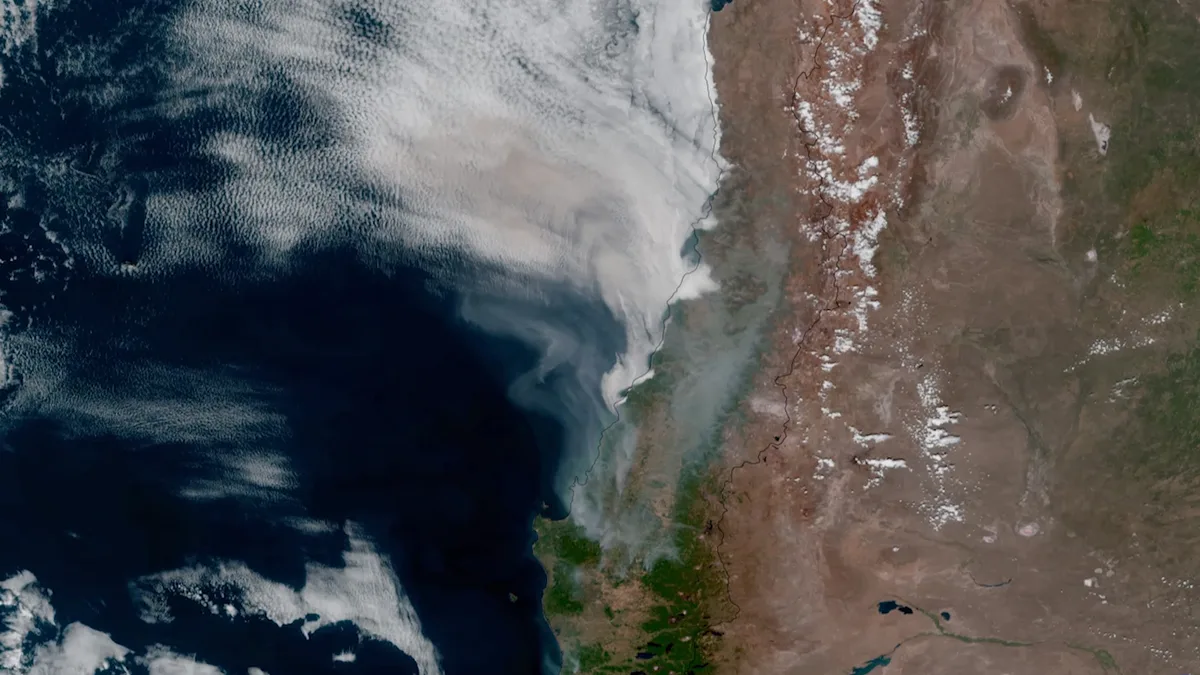 The journey into understanding and predicting **super El Niño 2026 predictions** relies on an ever-expanding arsenal of scientific tools. Geostationary and polar-orbiting satellites, like NOAA's GOES series and the European Space Agency's Copernicus Sentinels, provide continuous, high-resolution imagery of sea surface temperatures, ocean color, and atmospheric water vapor. A vast network of Argo floats, numbering over 4,000 globally, drifts through the oceans, profiling temperature and salinity down to 2,000 meters, transmitting invaluable subsurface data. These observational platforms feed into supercomputers running sophisticated General Circulation Models (GCMs) that simulate the complex interactions between the ocean, atmosphere, land, and ice.
Despite these advancements, predicting the precise timing, magnitude, and regional impacts of a super El Niño years in advance remains a significant challenge. The climate system is inherently chaotic, with numerous interacting variables. Small initial errors in model inputs can amplify over time, leading to forecast divergence. Moreover, the influence of other climate phenomena, such as the Indian Ocean Dipole (IOD) or the Pacific Decadal Oscillation (PDO), can modulate El Niño’s effects, adding layers of complexity. Scientists are also grappling with how anthropogenic climate change might alter the frequency and intensity of future El Niño events, with some research suggesting an increase in extreme events.
The scientific community is in a perpetual state of refinement. Research efforts focus on improving model resolution, incorporating more detailed ocean physics, and better representing crucial processes like cloud formation. International collaborations, such as the Climate Prediction Center (CPC) and the International Research Institute for Climate and Society (IRI), pool expertise and data, striving for consensus forecasts that provide the most reliable information. While a precise crystal ball for 2026 doesn’t exist, the continuous evolution of these tools and the collaborative spirit of global science provide the best possible foresight, enabling us to prepare for the potential climatic shifts that lie ahead.
FAQ
Q1: What exactly defines a “super El Niño”? A1: A “super El Niño” (also known as an extreme El Niño) is characterized by exceptionally strong warming of sea surface temperatures in the central and eastern equatorial Pacific, typically exceeding 2.0°C above average in the Niño 3.4 region for several consecutive months. This magnitude of warming triggers significantly more pronounced and widespread global atmospheric and oceanic impacts compared to a moderate or weak El Niño.
Q2: How far in advance can scientists reliably predict an El Niño event? A2: Scientists can typically predict the onset and general intensity of an El Niño event with reasonable skill about 6 to 9 months in advance. Predicting the precise magnitude and specific regional impacts of a “super” event several years ahead, like the 2026 possibility, involves greater uncertainty but is based on long-range climate model ensembles and understanding of oceanic heat content anomalies. These long-range forecasts provide crucial early warnings, though they are continuously updated and refined as the event approaches.
Q3: What are the primary global impacts associated with a super El Niño? A3: Super El Niños lead to significant shifts in global weather patterns. Key impacts include severe droughts in regions like Australia, Southeast Asia, and southern Africa; heavy rainfall and flooding in parts of South America (e.g., Peru, Ecuador) and the southern United States; increased intensity of Pacific tropical cyclones; and widespread coral bleaching due to elevated ocean temperatures. These changes can severely impact agriculture, water resources, ecosystems, and economies worldwide.
Q4: Does climate change influence the frequency or intensity of super El Niños? A4: Research on the relationship between climate change and El Niño is ongoing and complex. While there’s no definitive consensus on whether climate change will increase the frequency of all El Niño events, some studies suggest it may lead to an increase in the intensity or frequency of extreme (super) El Niño events. Warmer baseline ocean temperatures could make it easier for the Pacific to reach the thresholds for strong warming, potentially amplifying future super El Niños.
Our expedition into the super El Niño 2026 predictions reveals a world inextricably linked to the pulse of the Pacific. From the subtle shifts in ocean currents to the far-reaching impacts on global weather, food security, and economies, the potential for another climatic titan demands our attention. The lessons from past events, coupled with the relentless innovation in climate science and the growing commitment to local and international adaptation, paint a picture of both vulnerability and resilience. As the scientific community continues to refine its forecasts, our collective ability to understand, prepare for, and mitigate the profound challenges of such a phenomenon will define our journey through the unpredictable climate of the 21st century.
You might also like:
👉 Climate Change’s Silent Impact: How It Alters Ocean Ecosystems
👉 Natural Disasters: Volcanoes, Earthquakes & Tsunamis Explained