Nebraska Wildfires: Unseen Inferno & Devastating Heartland Reality
Explore the recurring, devastating reality of fires in Nebraska. This article unravels the story of the unseen inferno engulfing the heartland state, detailing its impact.
The Unseen Inferno: Unraveling the Story of Fires in Nebraska
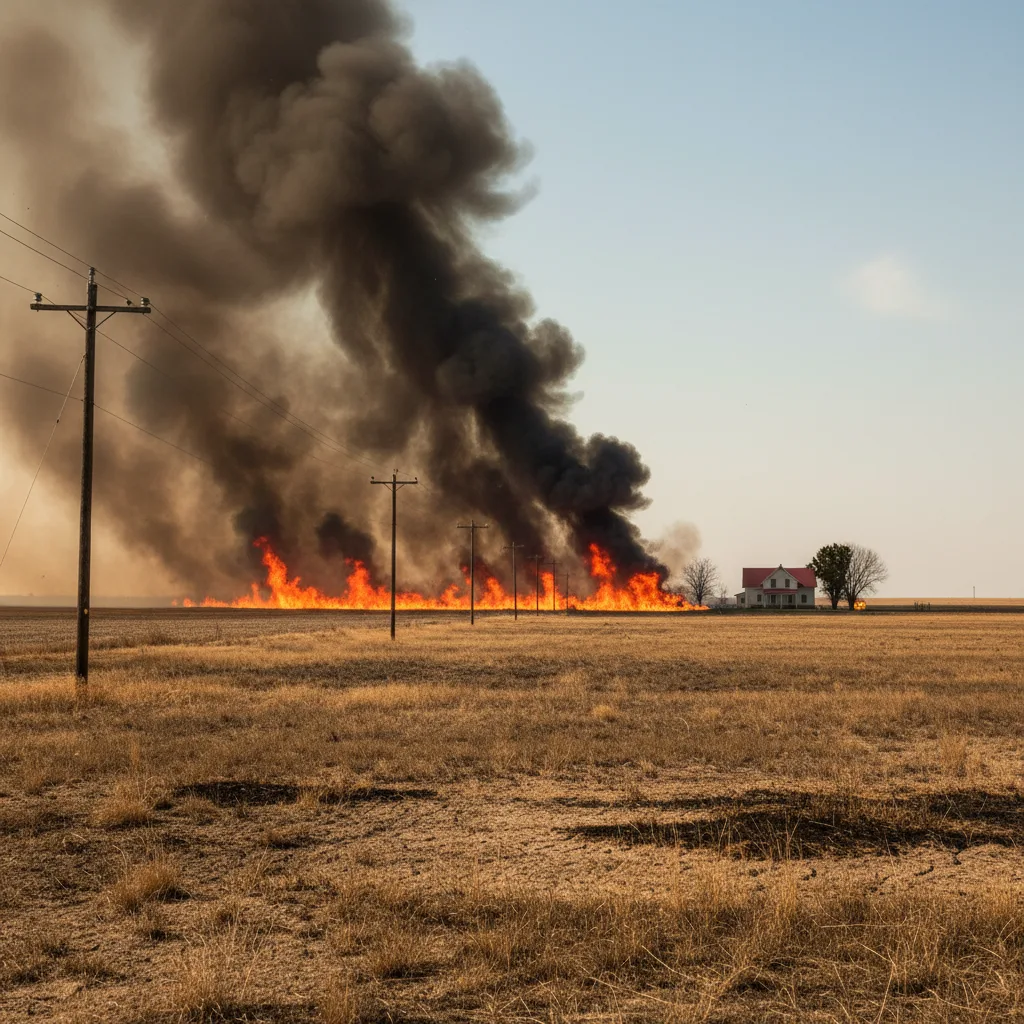
Imagine a landscape of endless green and gold, where the horizon stretches into infinity under a vast, open sky. Now, picture that same expanse engulfed in a terrifying orange glow, the air thick with acrid smoke, and the roar of a thousand freight trains as flames devour everything in their path. This isn’t a scene from a dystopian novel; it’s a recurring, devastating reality for the heartland state of Nebraska. While often overlooked in national wildfire narratives, the fires in Nebraska are a force of nature as formidable and complex as any blaze in the Rockies or California.
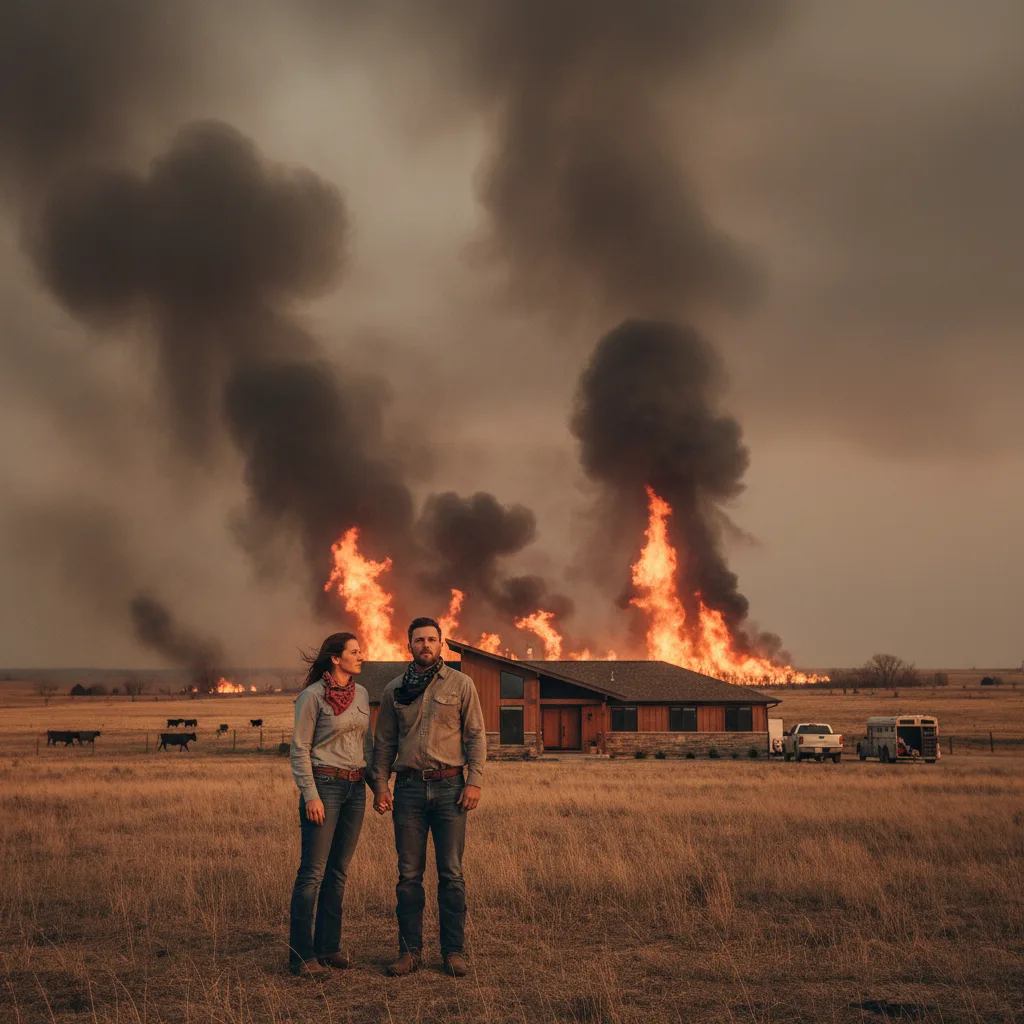
Just ask Jeff and Cindy Johnson, ranchers in Thomas County. In April 2022, they watched in horror as the Bovee Fire — an inferno that would ultimately scorch over 15,000 acres, claim one life, and destroy homes – bore down on their livelihood. “It was like nothing we’d ever seen,” Jeff recounted, his voice still hoarse with the memory. “The wind just drove it, a wall of fire. We lost fences, pasture, everything. But we were lucky. Our house stood.” Their story is a testament to the raw power of these blazes and the resilience of Nebraskans, a resilience forged in the crucible of a landscape as beautiful as it is volatile. This isn’t just about statistics; it’s about the land, the people, and the relentless fight against an enemy that respects no boundaries.
The Whispers of Smoke: Nebraska’s Enduring Battle with Wildfire
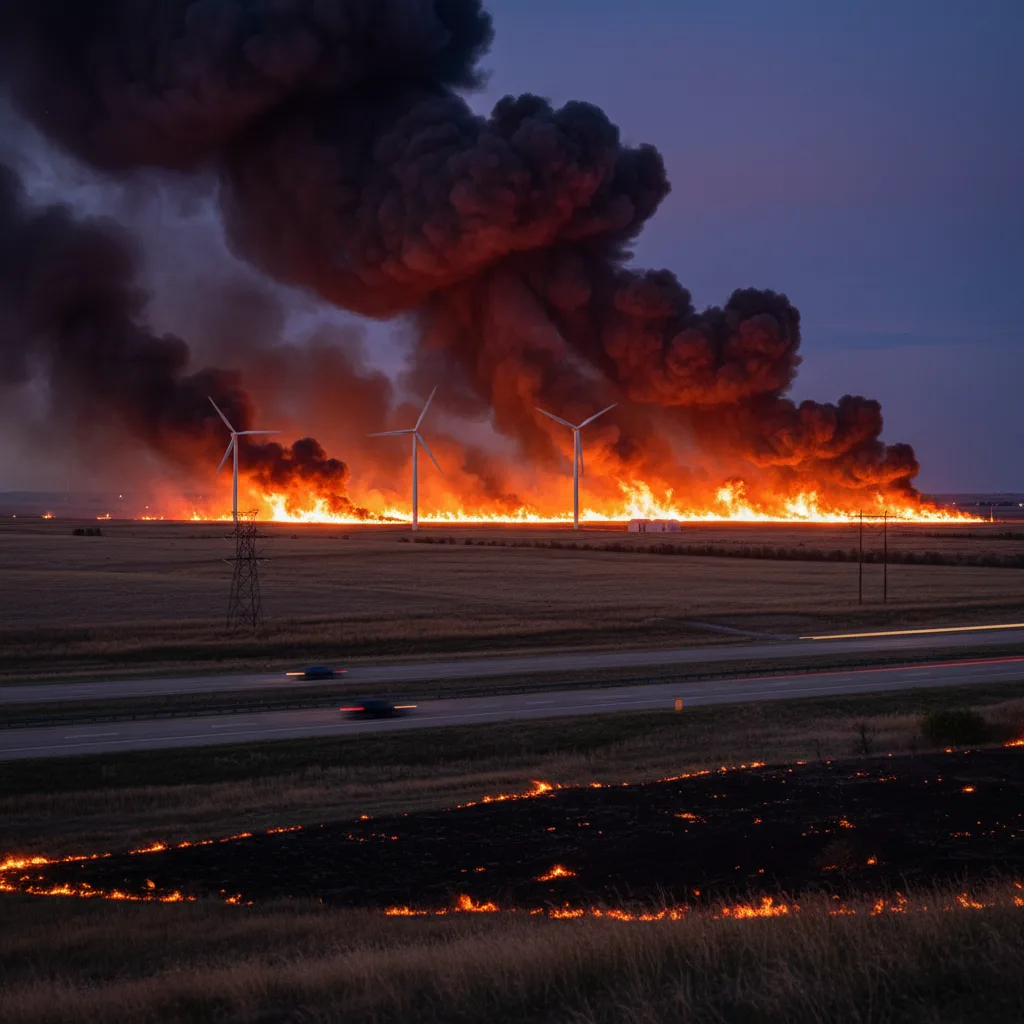
Nebraska, often stereotyped as a flat, agricultural expanse, holds a secret: it’s a state perpetually teetering on the edge of a fiery abyss. The very elements that define its beauty – vast grasslands, towering prairies, and a relentless wind – are also the ingredients for catastrophic wildfires. While the dramatic images of Western wildfires dominate headlines, Nebraska quietly battles its own infernos, often with far fewer resources and less public attention. These are not merely isolated incidents; they are an intrinsic, increasingly frequent, and devastating part of the state’s ecological and human story.
 From the rolling Sandhills to the rugged Pine Ridge, nearly every corner of Nebraska is susceptible. The sheer scale can be staggering. In a single year, the state can see hundreds, even thousands, of fires, though most are contained quickly. But then there are the "big ones," like the **2012 fires** that ravaged over 300,000 acres across multiple counties, or the more recent **2022 Cottonwood Complex** which burned over 50,000 acres. These events aren't just about lost land; they represent profound disruptions to rural economies, ecosystems, and the very fabric of communities. The question isn't if Nebraska will face another major wildfire, but when, and how prepared it will be.
The perception that Nebraska is immune to large-scale wildfires is a dangerous misconception. The state’s unique geography, characterized by extensive grasslands, dense cedar forests, and a climate prone to dry spells and high winds, creates ideal conditions for rapid fire spread. Add to this the increasing frequency and intensity of droughts linked to climate change, and you have a recipe for disaster. The whispers of smoke are growing louder, demanding our attention and a deeper understanding of this silent, yet potent, threat.
Anatomy of the Blaze: Understanding the Drivers of Nebraska Fires
To truly grasp the formidable nature of fires in Nebraska, one must dissect the “fire triangle” as it applies to the state’s unique environment. This classic model identifies three essential components for fire: fuel, oxygen, and heat. In Nebraska, each of these elements conspires to create an incredibly potent and unpredictable threat, often escalating minor ignitions into raging infernos with terrifying speed.
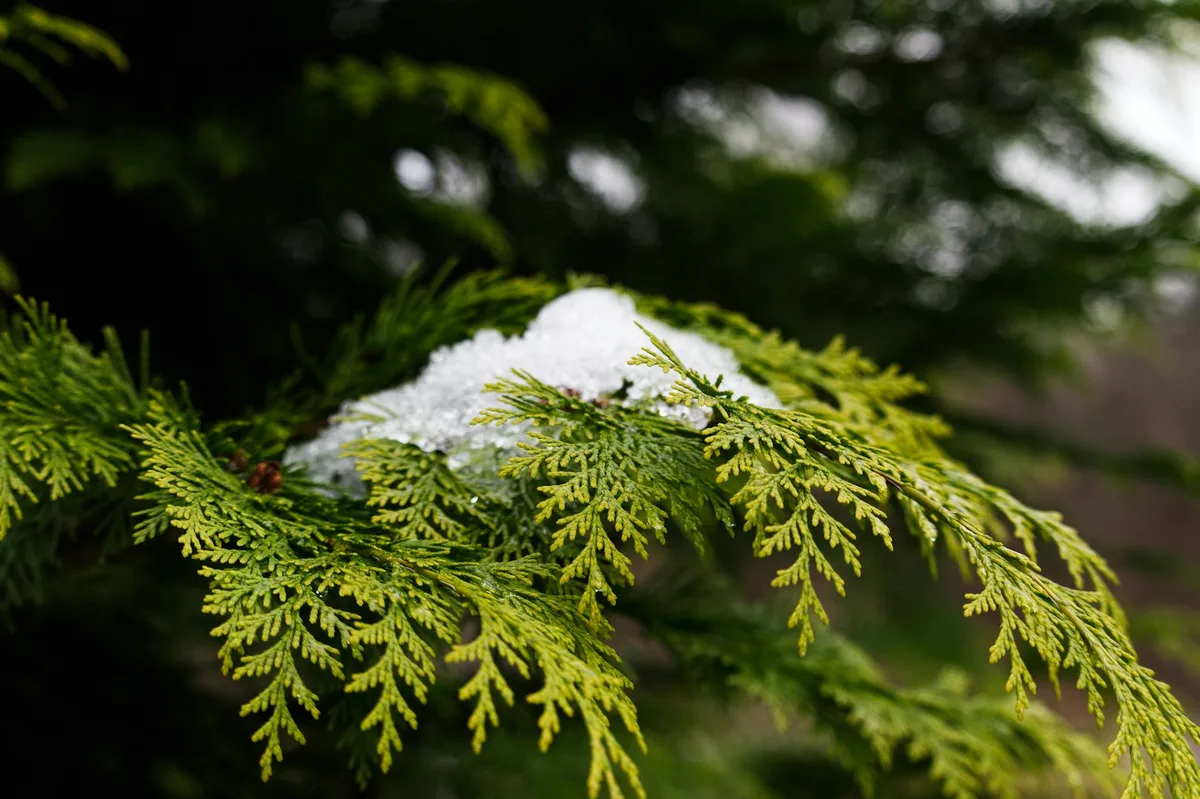 **Fuel** is abundant and diverse. Nebraska’s iconic grasslands, particularly the **tallgrass prairie**, provide vast, continuous expanses of highly flammable material, especially when dormant and dry. The encroachment of **eastern red cedar** trees, an invasive species, has dramatically increased fuel loads in many areas. These evergreens are highly combustible, burning with intense heat and capable of throwing embers long distances, creating new spot fires. Beyond natural vegetation, agricultural residues from corn and soybean fields can also serve as significant fuel, especially during post-harvest periods. When these fuels are cured and dry, they become tinder waiting for a spark.
Oxygen is never in short supply, particularly due to Nebraska’s notorious wind. The state is situated in a region known for its strong, persistent winds, which can transform a smoldering ember into a roaring blaze in minutes. These winds not only feed the flames, increasing their intensity and rate of spread, but also carry embers ahead of the main fire front, creating new ignition points that quickly overwhelm suppression efforts. A fire that might be manageable on a calm day becomes an unstoppable force when confronted with 30-40 mph gusts.
Finally, Heat/Ignition sources are varied, but primarily human-caused. While lightning strikes are a natural ignition source, responsible for a significant percentage of wildfires, particularly in the summer months, human activity accounts for the majority of ignitions. This includes sparks from agricultural equipment, improperly extinguished campfires, discarded cigarettes, power line failures, and even arson. Ironically, prescribed burns, a crucial tool for fire management, can sometimes escape containment under challenging conditions, though these instances are rare and heavily scrutinized. The increasing frequency of prolonged droughts and hotter temperatures, undeniable hallmarks of climate change, further exacerbates fire risk by drying out fuels to critical levels, making them more susceptible to ignition and rapid spread.
The Sandhills’ Fury: Iconic Landscapes and Their Vulnerability
The Nebraska Sandhills, a vast, grass-stabilized dune region covering over 19,000 square miles, is one of the most unique and ecologically significant landscapes in North America. It is also one of the most vulnerable to catastrophic wildfires. This seemingly serene sea of grass, dotted with wetlands and interspersed with burgeoning cedar thickets, holds a terrifying secret: it can ignite and burn with an intensity that challenges even the most seasoned firefighters. The sheer scale and remoteness of the Sandhills, coupled with its specific fuel types, create a fire environment unlike almost anywhere else.
Fires in the Sandhills behave differently. The continuous cover of dry grass, particularly bluestem and switchgrass, allows fires to spread with incredible speed, often forming a broad, fast-moving front. The undulating topography of the dunes can create unpredictable fire behavior, with flames accelerating uphill and then spotting over ridges. Furthermore, the deep, sandy soils make traditional fire suppression methods, like digging effective fire lines, incredibly difficult and often futile against a rapidly advancing front. Access for heavy equipment is limited, forcing firefighters to rely on smaller, more agile vehicles and aerial support, which are often scarce resources.
The ecological impact of these fires is complex. Historically, the Sandhills evolved with natural fire regimes, which helped maintain the grassland ecosystem by preventing the encroachment of woody species. However, modern wildfires, fueled by increased cedar growth and exacerbated by climate change, often burn hotter and more extensively than historical fires. While grasslands can recover remarkably quickly, the destruction of eastern red cedar can paradoxically be beneficial for prairie health in the long term, clearing out invasive species. Yet, the immediate devastation to livestock forage, fences, and the disruption to wildlife habitats, including critical bird nesting sites, is immense. The 2012 wildfires, which scorched hundreds of thousands of acres across the Sandhills, served as a stark reminder of this region’s immense vulnerability and the critical need for proactive fire management.
Human Footprint, Human Cost: The Socioeconomic Impact of Nebraska Wildfires
The narrative of fires in Nebraska extends far beyond scorched earth and smoke-filled skies; it penetrates deep into the lives and livelihoods of its people. The human cost of these infernos is multifaceted, encompassing direct losses of property and life, profound economic disruption, and lasting psychological trauma for individuals and entire communities. Rural Nebraska, with its tightly knit agricultural communities, bears the brunt of this impact, often struggling to recover in the aftermath of a major blaze.
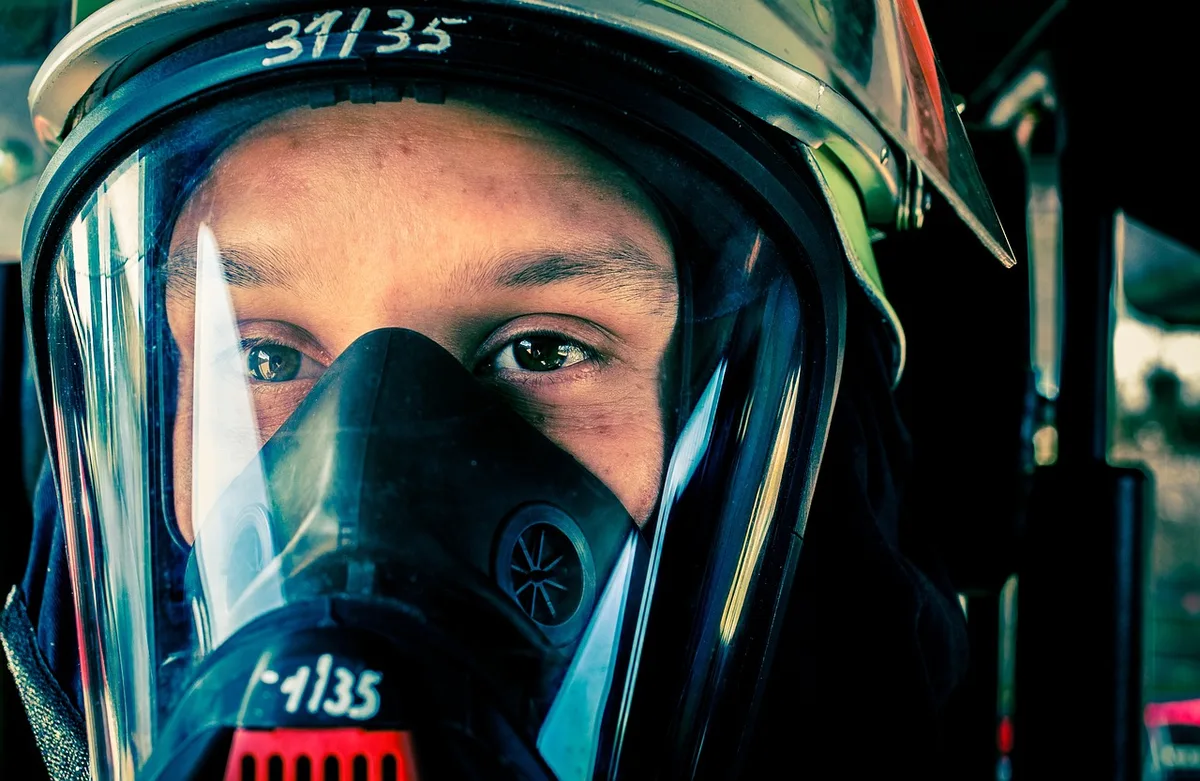 The most immediate and heartbreaking cost is the loss of homes and, tragically, human life. While Nebraska wildfires typically occur in sparsely populated areas, the destruction of a family farm or ranch represents not just a house, but generations of heritage, investment, and identity. The **2022 Bovee Fire** tragically claimed the life of former volunteer fire chief and rancher, Michael J. Moody, a poignant reminder of the dangers faced by those on the front lines and the communities they serve. For those who survive but lose everything, the journey of rebuilding is long, expensive, and emotionally draining, often requiring them to restart their lives from scratch in a landscape forever changed.
Economically, the impact on Nebraska’s dominant agricultural sector is devastating. Ranchers lose vast expanses of precious pastureland, essential for grazing their cattle. Fences, often miles long, are incinerated, leading to expensive and labor-intensive repairs or replacement. Livestock can be injured, killed, or displaced, resulting in significant financial losses and animal welfare challenges. The disruption to the agricultural cycle can reverberate for years, impacting local economies dependent on these operations. Beyond agriculture, wildfires can destroy critical infrastructure like power lines, communication towers, and roads, isolating communities and hindering recovery efforts. The mental health toll on affected individuals – from the trauma of fleeing flames to the stress of rebuilding – is profound, often overlooked, and requires long-term support.
The Front Lines: Nebraska’s Heroes in the Fight Against Fire
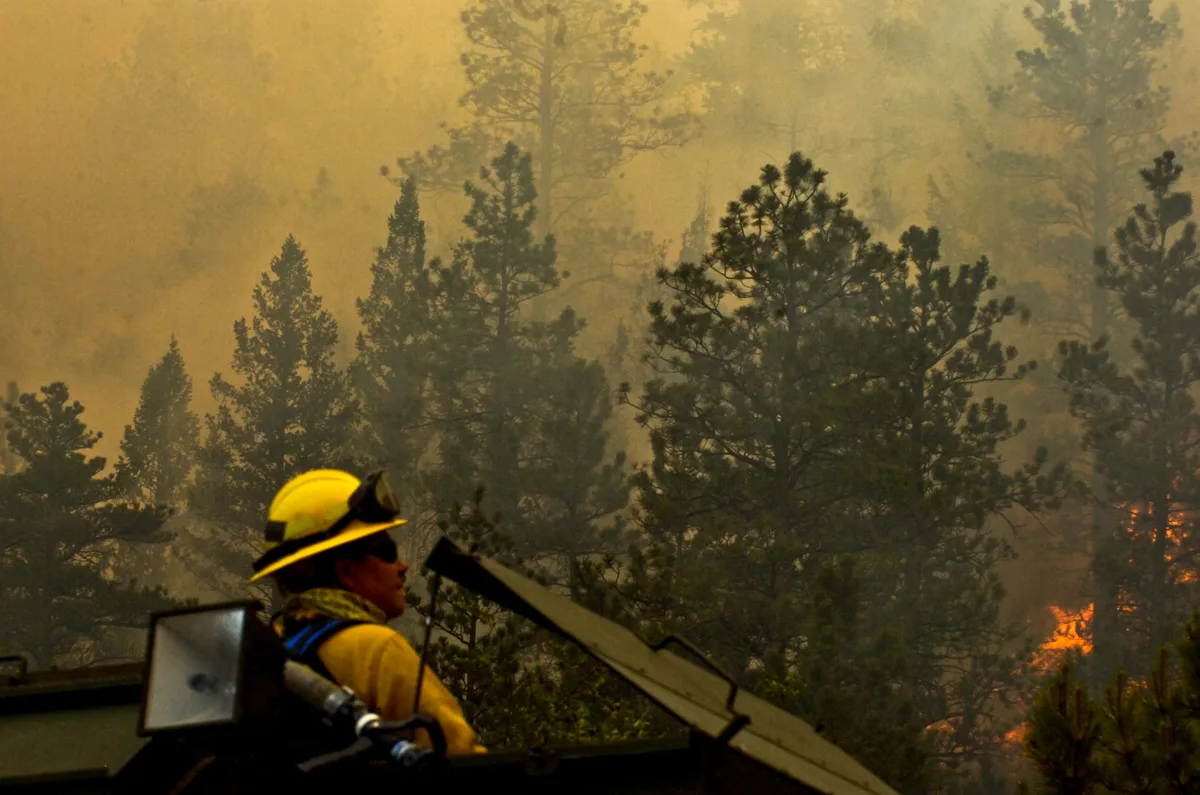
When the smoke rises and the flames begin their relentless march across the prairie, it is Nebraska’s dedicated firefighters who stand as the last line of defense. These heroes, predominantly volunteers in the state’s many rural communities, face immense challenges: vast distances, limited resources, and the sheer, unpredictable power of the inferno. Their courage, camaraderie, and unwavering commitment are the bedrock of Nebraska’s fire suppression efforts, often performed with little fanfare but immense personal sacrifice.
Nebraska boasts over 500 local fire departments, with an overwhelming majority relying on volunteer firefighters. These individuals, often farmers, ranchers, or small business owners, drop everything when the siren wails, leaving their jobs and families to confront deadly blazes. They operate with aging equipment, often funded through local taxes and community donations, and undergo rigorous training to prepare for the worst. Complementing these local efforts is the Nebraska Forest Service (NFS), which provides critical coordination, specialized training, and additional resources, including incident management teams and specialized equipment, particularly for larger, more complex fires. Mutual aid agreements between departments, and even with neighboring states, are crucial, allowing resources to be pooled and deployed where they are most needed during widespread emergencies.
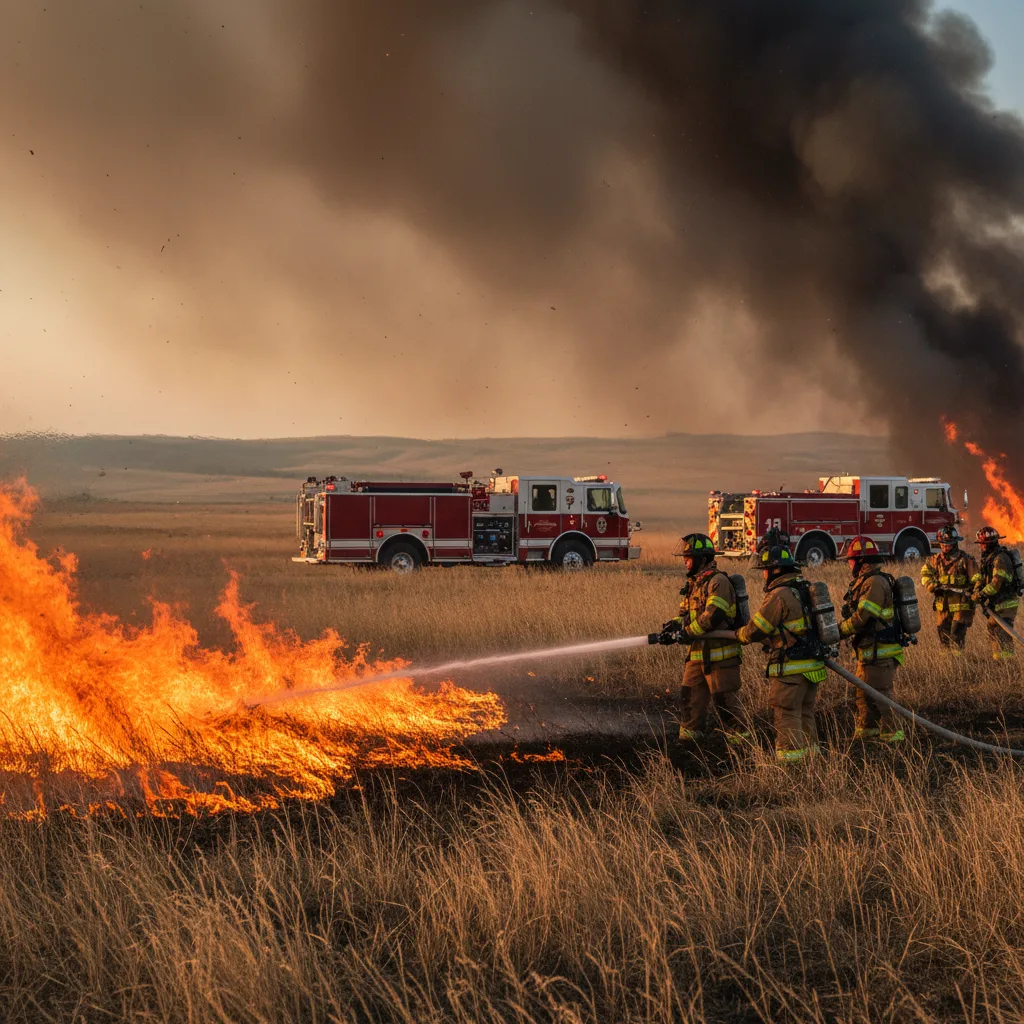
The challenges on the ground are formidable. Firefighters contend with rapidly changing wind conditions, which can shift a fire’s direction in an instant, trapping crews or threatening new areas. The vast, open terrain, while sometimes allowing for easier access, often means immense distances to travel to reach a fire, delaying initial attack. Water sources can be scarce, requiring elaborate tender operations to shuttle water to the fire line. Techniques employed range from direct attack with hoses and hand tools to strategic backburning and the creation of fire breaks to starve the fire of fuel. Aerial suppression, utilizing planes and helicopters to drop water or fire retardant, provides crucial support, especially in remote areas or against fast-moving fronts, but these assets are expensive and limited. The coordination required to manage multiple fronts and deploy resources effectively across vast, often remote, landscapes is a logistical marvel, testament to the dedication and professionalism of these brave men and women.
Beyond the Ashes: Prevention, Preparedness, and Policy for Fires in Nebraska
The battle against fires in Nebraska doesn’t end when the last ember cools; it shifts to a crucial, ongoing effort of prevention, preparedness, and policy development. Learning from past infernos and anticipating future threats is paramount to mitigating risk and building more resilient communities. This proactive approach involves a blend of land management strategies, technological advancements, and legislative support, all aimed at reducing the likelihood and severity of future wildfires.
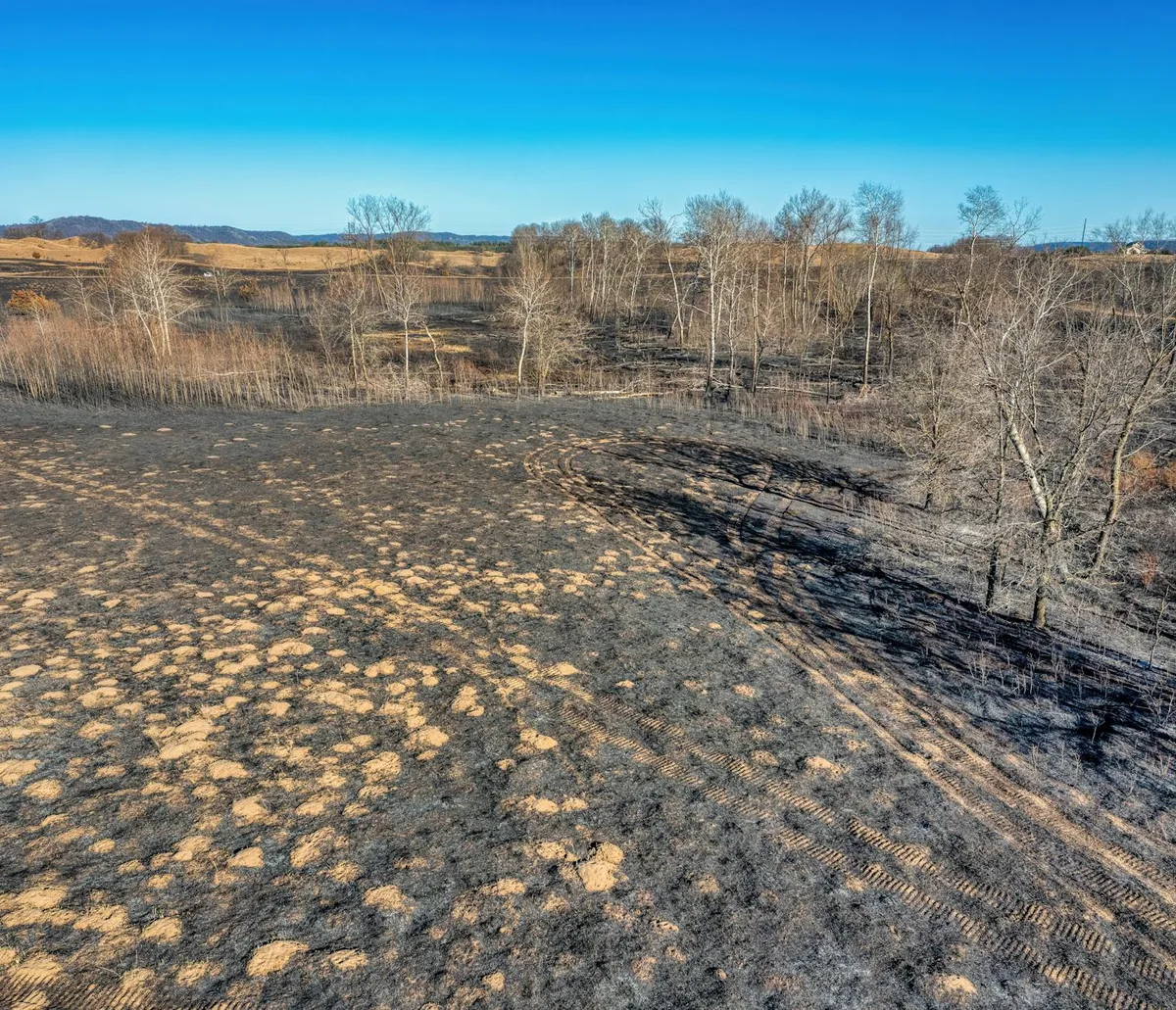 One of the most effective long-term strategies is **prescribed burning**. This controlled application of fire under specific weather conditions is a vital tool for reducing hazardous fuel loads, particularly in grasslands and areas encroached by eastern red cedar. By intentionally burning off accumulated dry vegetation, land managers can prevent the buildup of fuel that would otherwise feed a catastrophic wildfire. While requiring careful planning and execution, prescribed burns mimic natural fire regimes, promote healthy prairie ecosystems, and create strategic firebreaks. Alongside this, efforts in **fuel load reduction** through mechanical means, such as cedar removal and selective thinning, are also critical, especially in areas bordering communities or critical infrastructure. Programs like **Firewise USA®** encourage communities to take proactive steps to make homes and landscapes more resistant to wildfire, creating defensible space around structures and using fire-resistant building materials.
Technological advancements are revolutionizing fire detection and modeling. Satellite imagery and drone technology provide real-time intelligence on fire behavior and spread, allowing incident commanders to make more informed decisions. Sophisticated weather forecasting models, combined with fuel moisture sensors, help predict fire danger levels with greater accuracy, enabling proactive resource deployment. Policy initiatives play a crucial role, too. Increased state and federal funding for rural fire departments helps acquire modern equipment, provide essential training, and ensure adequate staffing. Land-use planning that considers wildfire risk, along with incentives for landowners to implement fire-wise practices, are also vital. Educating the public about fire safety, responsible outdoor recreation, and the dangers of agricultural burns during dry conditions remains a cornerstone of prevention efforts.
A Resilient Spirit: Adapting to a Fiery Future
Nebraska’s relationship with fire is complex, ancient, and ever-evolving. From the indigenous peoples who once used fire to manage the vast prairies to the modern ranchers and firefighters who contend with its destructive power, fire has always been a force shaping the land and its inhabitants. As the climate continues to shift, bringing hotter temperatures, more frequent droughts, and persistent winds, the challenge of fires in Nebraska will only intensify. Yet, the story is not one of despair, but of a resilient spirit, a profound connection to the land, and an unwavering commitment to adaptation.
The lessons learned from devastating fires like the Bovee Fire and the 2012 infernos have not been lost. Communities are becoming more organized, fire departments are better equipped and trained, and land managers are increasingly embracing proactive strategies like prescribed burning. The collaborative spirit among volunteer firefighters, state agencies, and local landowners embodies the very best of Nebraska – a willingness to come together in the face of adversity, to protect homes, livelihoods, and the unique beauty of the prairie. This collective resilience, forged in the crucible of past crises, will be the state’s greatest asset in navigating a future where wildfire risk is an undeniable reality.
Ultimately, the narrative of fires in Nebraska is a powerful reminder of nature’s raw power and humanity’s enduring capacity to adapt. It’s a call to action for continued vigilance, sustained investment in prevention and suppression, and a deeper appreciation for the delicate balance that defines this remarkable heartland state. The whispers of smoke will continue, but so too will the determined efforts of those who stand ready to protect Nebraska’s land and its people, ensuring that the spirit of the prairie endures, even in the shadow of the flames.
FAQ: Fires in Nebraska
Q1: What are the primary causes of wildfires in Nebraska? A1: The majority of wildfires in Nebraska are human-caused, stemming from sources like agricultural equipment sparks, improperly extinguished campfires, discarded cigarettes, and power line failures. However, lightning strikes are also a significant natural ignition source, particularly during summer thunderstorms.
Q2: How does climate change impact fire risk in Nebraska? A2: Climate change exacerbates fire risk by contributing to more frequent and prolonged droughts, higher average temperatures, and increased wind events. These conditions dry out vegetation, turning it into highly flammable fuel, and intensify fire behavior, making blazes spread faster and burn hotter.
Q3: What role do prescribed burns play in fire management in Nebraska? A3: Prescribed burns are a critical tool for wildfire prevention and ecosystem health. By intentionally setting controlled fires under specific conditions, land managers reduce hazardous fuel loads (like dry grass and invasive eastern red cedar), prevent the buildup of material that could feed a catastrophic wildfire, and promote the health of native prairie ecosystems.
Q4: Which areas of Nebraska are most prone to wildfires? A4: The Nebraska Sandhills region, with its vast expanses of continuous grasslands and increasing eastern red cedar encroachment, is particularly susceptible to large, fast-moving wildfires. Other high-risk areas include the Pine Ridge in the northwest and areas with dense cedar growth across the state, especially during periods of drought and high winds.
Conclusion
The story of fires in Nebraska is far more intricate and impactful than often perceived. It’s a narrative woven from the unique ecology of the Sandhills, the relentless power of its winds, the changing climate, and the unwavering spirit of its people. From the devastation of the Bovee Fire to the historical lessons of the 2012 infernos, Nebraska stands as a testament to both nature’s raw force and humanity’s profound resilience. Understanding the specific drivers of these fires—the abundant fuels, ever-present oxygen, and varied ignition sources—is crucial. However, equally important are the proactive measures being taken: the dedication of volunteer firefighters, the strategic use of prescribed burns, and the continuous efforts in prevention and preparedness. As Nebraska looks to a future where wildfire risk remains a constant companion, its strength will lie in its adaptive strategies, its commitment to community, and its deep-rooted respect for the land it calls home.
You might also like:
👉 Earth’s Fury: Unpacking Flood, Volcano & Earthquake Natural Disasters
👉 Climate Change Impacts on Mediterranean Forest Ecosystem Services
👉 Natural Disasters: Volcanoes, Earthquakes & Tsunamis Explained