Unearthing History's Most Famous Ancient Naval Battles
Dive into the epic world of ancient naval warfare. Explore the strategies, courage, and ingenuity behind famous battles where empires clashed and history was forged on the high seas.
When Oars Ruled the Waves: Unearthing the Most Famous Ancient Naval Battles
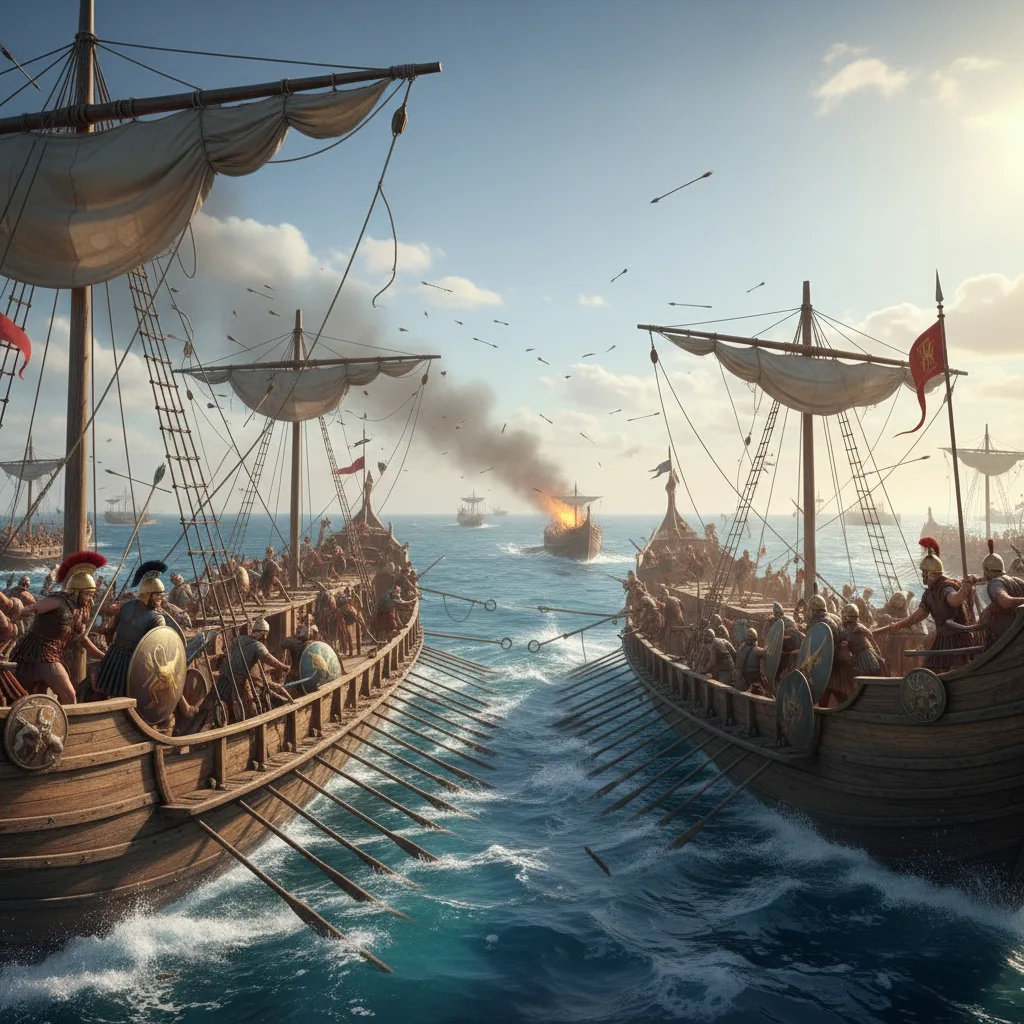
Picture this: the acrid stench of sweat and fear, the rhythmic grunt of hundreds of oarsmen, the thunderous crash of timber as a bronze ram tears through an enemy hull. The sea, once a highway for trade, transforms into a blood-soaked arena where empires rise and fall. Far from being mere footnotes in military history, the famous ancient naval battles were spectacles of human ingenuity, raw courage, and strategic brilliance that irrevocably shaped the course of civilization. From the sun-drenched Aegean to the turbulent waters of the Mediterranean, these clashes of fleets were pivotal moments, often deciding the fate of entire peoples. Join us on TrendSeek as we dive deep into the legendary engagements that proved the waves could be as deadly as any battlefield.
The Trireme’s Terror: Engine of Ancient Naval Power
Before gunpowder and steam, the undisputed monarch of the ancient seas was the trireme. This sleek, formidable warship, powered by three banks of oarsmen on each side, was a marvel of engineering for its time. Capable of speeds exceeding 9 knots, its primary weapon was not missile fire, but the devastating bronze-clad ram protruding from its bow. A well-executed ramming maneuver could shatter an enemy vessel, sending it and its crew to a watery grave within minutes.
But the trireme was more than just a weapon; it was a floating city of muscle and discipline. Each ship carried around 200 men: 170 oarsmen, a handful of marines (often 10-20), archers, and the crucial officers who navigated and directed the vessel. The sheer physical endurance required of the oarsmen, often free citizens rather than slaves, was immense, demanding perfect synchronization for both speed and maneuverability. Training was rigorous, and the success of a fleet often hinged on the collective stamina and skill of its crews.
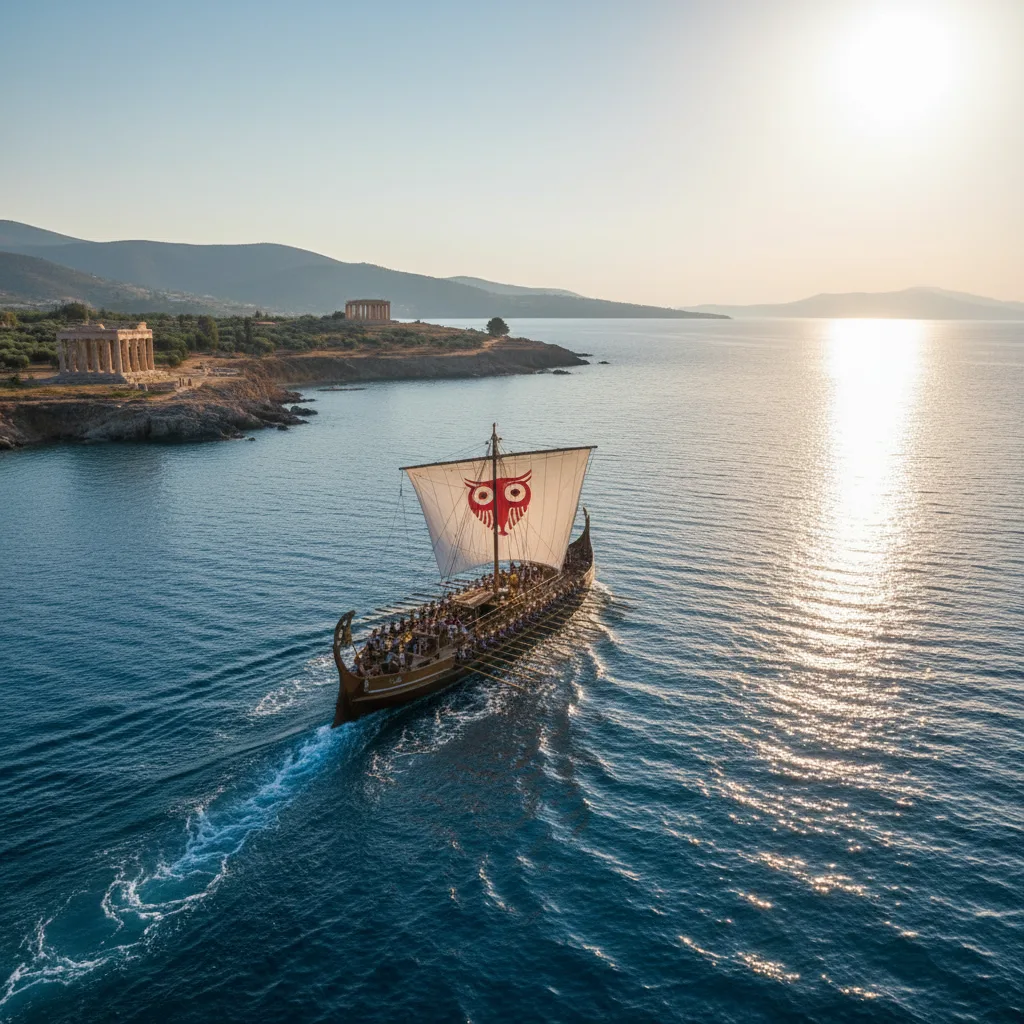
The tactical deployment of these vessels was an art form. Fleets would attempt complex maneuvers like the diekplous (sailing through the enemy line, turning, and ramming sterns) or the periplous (outflanking the enemy). The noise and chaos of battle were unimaginable: the shouts of commanders, the rhythmic pounding of the keleustes’ (time-beater’s) mallet, the splash of oars, and the screams of the dying. Understanding the capabilities and limitations of the trireme is fundamental to appreciating the genius behind the most famous ancient naval battles.
Salamis (480 BCE): The Narrow Straits of Destiny
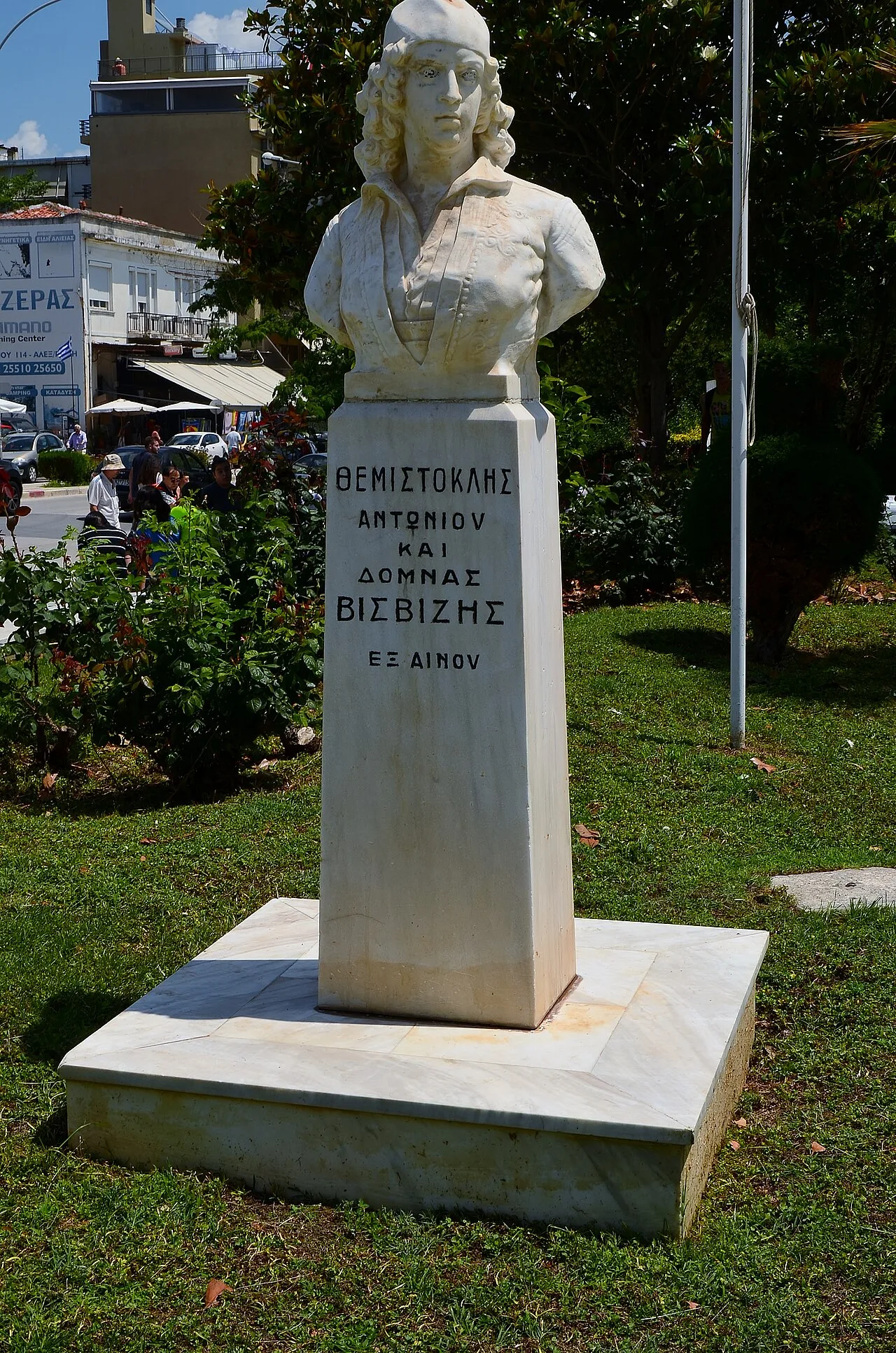 A Roman marble bust depicting Themistocles, the Athenian general who masterminded the Greek victory at the Battle of Salamis. (CeeGee, CC BY-SA 4.0)
In 480 BCE, the very survival of Western civilization hung precariously in the balance. The mighty Persian Empire, led by King Xerxes I, had swept through Greece, burning Athens and seemingly unstoppable. The combined Greek forces, outnumbered and outmatched on land, made a desperate stand at sea in the narrow straits between mainland Attica and the island of Salamis. It was here that the Athenian general Themistocles unveiled a strategic masterpiece.
Facing a Persian fleet estimated at over 1,000 ships (though modern scholars suggest closer to 600-700), the Greek alliance mustered perhaps 370-400 triremes. Themistocles understood that in the open sea, the sheer numerical superiority of the Persians would overwhelm them. He lured the colossal Persian fleet into the confined waters of Salamis, where their greater numbers became a fatal disadvantage, hindering their maneuverability and causing chaos.
As dawn broke on that fateful day, the Greek triremes, lighter and more agile, executed a devastating counter-attack. The Persian formation dissolved into a confused melee, their ships colliding with each other, becoming easy targets for the Greek rams. Xerxes, watching from a golden throne on Mount Aigaleo, witnessed his imperial ambitions shattered. The Battle of Salamis was not just a victory; it was a strategic triumph that marked the turning point of the Persian Wars, preserving Greek independence and, arguably, the nascent democratic ideals that would shape the Western world.
Athenian Ascendancy & Downfall: Lessons from the Peloponnesian War
Following Salamis, Athens emerged as the undisputed naval hegemon of the Aegean, its power underpinned by its vast fleet and the resources of the Delian League. For decades, the Athenian trireme was the symbol of an empire. Yet, this very dominance bred hubris, leading to the protracted and devastating Peloponnesian War (431-404 BCE) against Sparta and its allies.
Initially, Athens’ naval superiority allowed it to withstand Sparta’s land-based might, resupplying itself from the sea and launching raids. However, the war of attrition saw Athenian naval power gradually erode. The Battle of Arginusae (406 BCE), a rare Athenian victory, tragically resulted in the execution of its victorious generals due to a storm preventing the rescue of shipwrecked sailors – a testament to the brutal political climate. This self-inflicted wound severely weakened the fleet’s leadership.
The final, crushing blow came with the Battle of Aegospotami (405 BCE). The Spartan admiral Lysander, through cunning and patience, caught the Athenian fleet unprepared and beached at the Hellespont. In a stunning surprise attack, he captured or destroyed virtually the entire Athenian navy – approximately 180 ships – with minimal Spartan losses. This catastrophic defeat sealed Athens’ fate, leading to its surrender the following year and effectively ending its golden age. It stands as a stark reminder that even the mightiest naval power can fall through a combination of strategic miscalculation and a moment of tactical brilliance from an adversary.
Rome’s Seaborne Gambit: The Corvus and the Punic Wars
When the Roman Republic first clashed with Carthage in the First Punic War (264-241 BCE), it faced a formidable challenge: Carthage was a dominant maritime power with centuries of naval experience. Rome, by contrast, was a land-based military juggernaut with virtually no navy. Yet, the Romans, renowned for their adaptability and engineering prowess, refused to be limited by tradition.
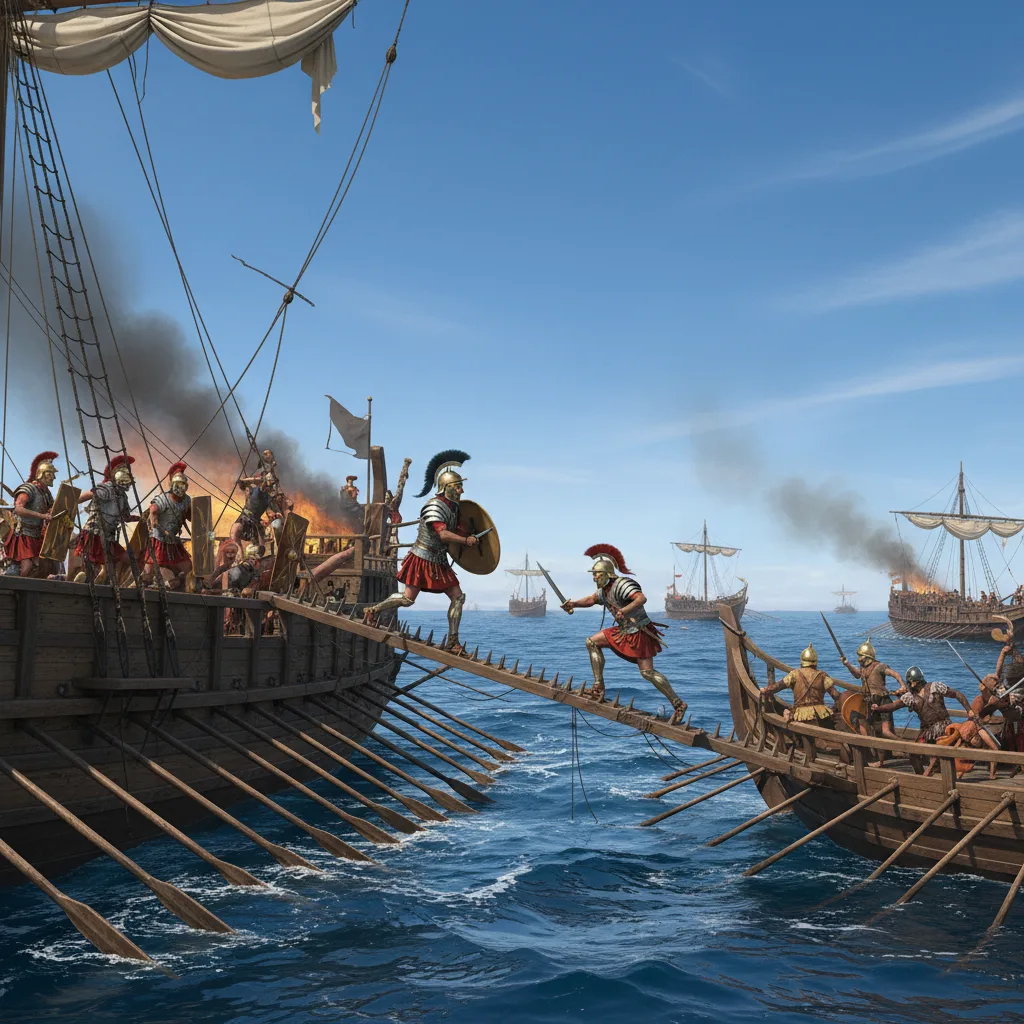
Recognizing they couldn’t outmatch Carthaginian seamanship, the Romans innovated. They reverse-engineered a captured Carthaginian quinquereme and, more importantly, developed a revolutionary boarding device: the corvus (Latin for “crow”). This heavy, spiked gangplank, hinged to the mast, could be swung down onto an enemy ship, impaling it. It transformed a naval battle into a land battle on water, neutralizing Carthage’s superior maneuvering skills and allowing Roman legionaries to board and conquer.
The Battle of Mylae (260 BCE) was the corvus’s debut and a resounding success. The Roman fleet, commanded by Gaius Duilius, engaged the experienced Carthaginian admiral Hannibal Gisco. The Carthaginians, initially confident, were thrown into disarray as Roman ships grappled theirs with the corvus, turning the sea into a stage for hand-to-hand combat where Roman soldiers excelled. Rome captured or sank 50 Carthaginian ships, securing its first major naval victory and asserting its unexpected power on the seas. Though the corvus was eventually abandoned due to its instability in rough seas, it allowed Rome to gain the naval experience and confidence needed to defeat Carthage and establish its own maritime empire.
Actium (31 BCE): A Battle for the Soul of an Empire
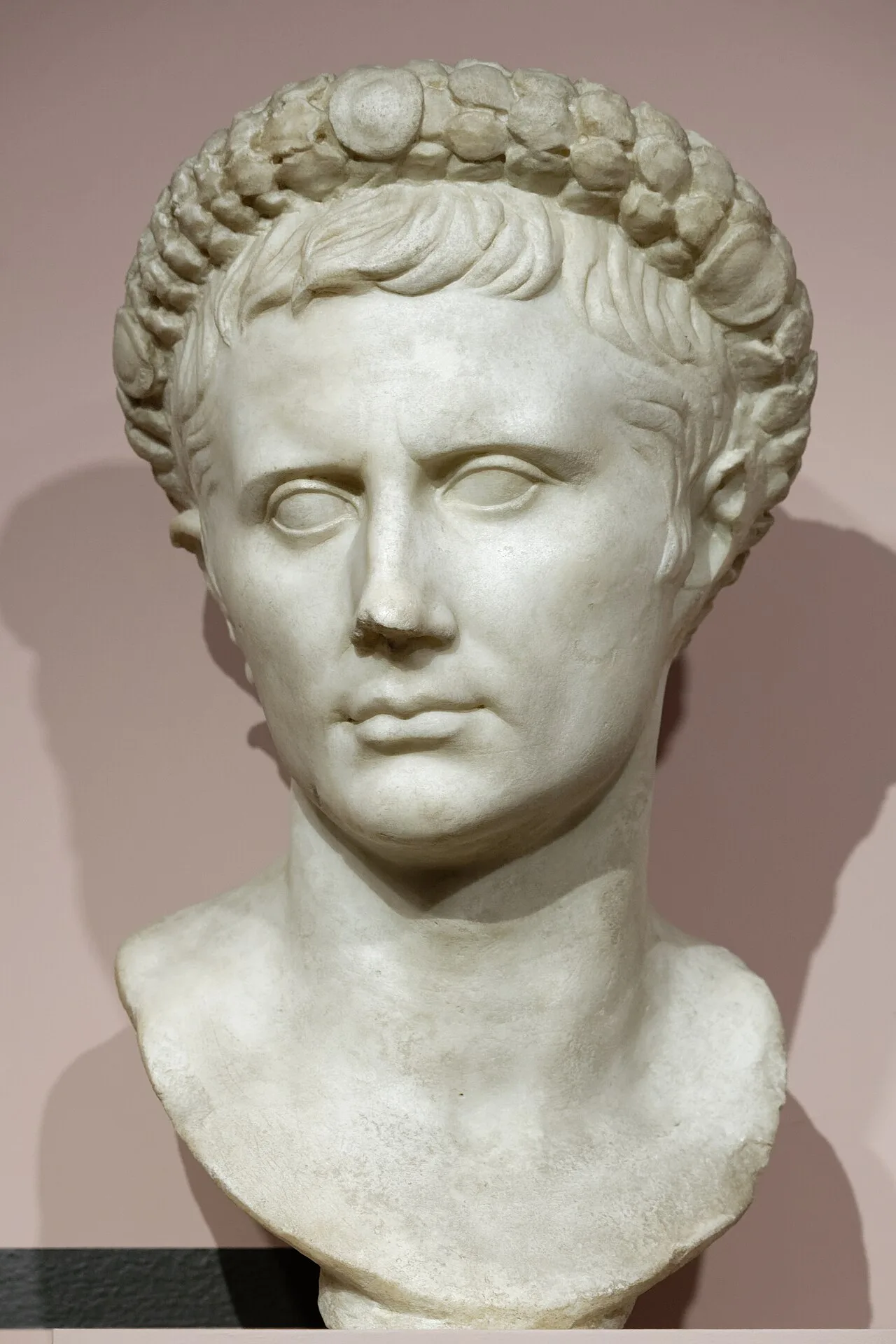 A marble bust of Octavian (later Emperor Augustus), whose decisive victory at the Battle of Actium led to the end of the Roman Republic and the beginning of the Roman Empire.
The Battle of Actium (31 BCE) was not merely a clash of fleets; it was a monumental struggle for the supreme leadership of the Roman world, pitting Octavian (later Augustus) against the combined forces of Mark Antony and Cleopatra VII of Egypt. The stakes were unfathomably high: the victor would rule Rome and its vast territories, shaping the future of an empire.
Antony and Cleopatra commanded a formidable fleet of around 500 ships, including many massive “decaremes” – towering vessels with multiple rows of oarsmen and high fighting platforms. Octavian, advised by his brilliant admiral Marcus Vipsanius Agrippa, fielded a slightly smaller but more agile fleet of roughly 400 ships, primarily quinqueremes and triremes. Antony’s ships were designed for brute force and boarding, while Agrippa favored speed and maneuverability.
On September 2, 31 BCE, off the coast of Actium in Greece, the two fleets engaged. The battle was a tactical stalemate for hours, with Antony’s heavy ships proving difficult to ram and Octavian’s lighter vessels expertly avoiding boarding actions. However, a sudden and controversial decision by Cleopatra to withdraw her 60 Egyptian ships, followed by Antony’s own retreat to join her, shattered the morale of their remaining forces. Octavian’s fleet then pressed its advantage, annihilating the leaderless Antonian ships. The decisive victory at Actium paved the way for Octavian to become the first Roman Emperor, ending the Republic and ushering in the Pax Romana, a period of unprecedented peace and stability for the Roman world.
The Unseen Depths: Strategy, Logistics, and the Human Cost of Famous Ancient Naval Battles
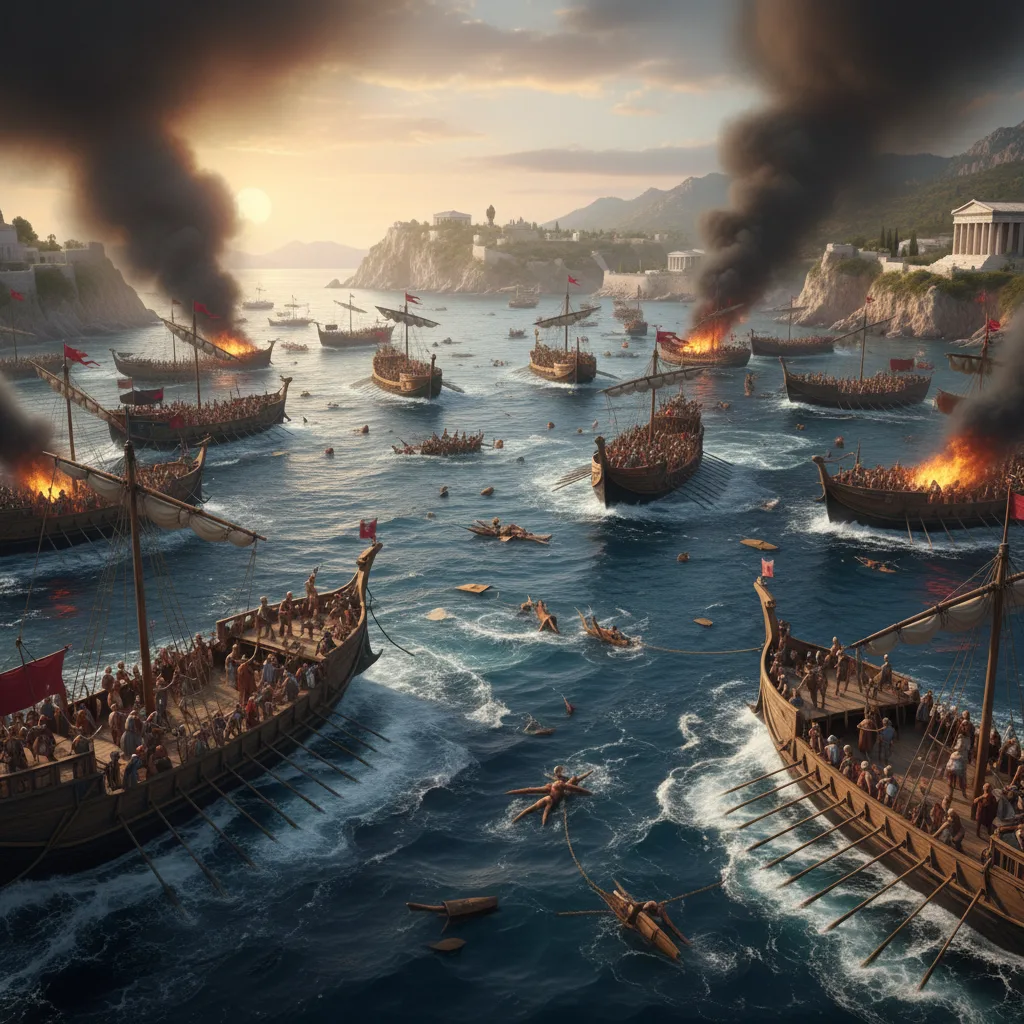
Beneath the dramatic clashes of triremes and the thunder of bronze rams lay an intricate web of strategy, logistics, and immense human effort that defined famous ancient naval battles. It wasn’t just about the fight itself, but the months and years of preparation. Building a fleet of hundreds of warships required vast resources: timber, skilled shipwrights, and the continuous recruitment and training of thousands of oarsmen and marines. Supplying these fleets at sea demanded complex logistical chains, ensuring provisions, water, and repairs were available, often in hostile territory.
Naval strategy encompassed more than just battle tactics. It involved understanding currents, winds, and coastlines; anticipating enemy movements; and employing deception and intelligence gathering. Themistocles’ trickery at Salamis, Lysander’s patient ambush at Aegospotami, and Agrippa’s disciplined maneuvers at Actium all highlight the critical role of strategic foresight and the ability to exploit environmental and psychological factors. These were not simply brawls on water, but chess matches played with living pieces.
And then there was the human cost. The ancient naval warrior’s life was brutal. Oarsmen endured cramped, unsanitary conditions, exhausting labor, and the constant threat of drowning, fire, or being speared by enemy arrows. Marines faced terrifying hand-to-hand combat on pitching decks. Even after a victory, storms could claim more lives than the battle itself, as seen after Arginusae. These famous ancient naval battles were triumphs of will and endurance as much as they were of technology and tactics, leaving an indelible mark on the brave souls who fought them and the societies they defended.
Conclusion: The Enduring Legacy of Famous Ancient Naval Battles
From the desperate struggle at Salamis to the empire-forging clash at Actium, the famous ancient naval battles were far more than historical footnotes. They were crucibles of innovation, where new ship designs and tactical gambits were forged under immense pressure. They were stages for unparalleled strategic genius, from Themistocles’ brilliant trap to Agrippa’s calculated maneuvers. And most profoundly, they were moments where the sheer audacity and courage of individuals, from the lowliest oarsman to the highest admiral, determined the fate of nations.
These maritime conflicts highlight the perennial importance of naval power in projecting influence, controlling trade routes, and defending homelands. They remind us that history is often written not just on land, but on the unforgiving waves. The echoes of these ancient struggles resonate even today, offering timeless lessons in leadership, adaptation, and the enduring human spirit that dares to challenge the might of the sea. Their legacy continues to inspire awe and study, proving that even millennia later, the roar of the trireme and the clash of bronze still captivate our imaginations.
You might also like:
👉 Unearthing History: Famous Archaeological Discoveries & Their Impact
👉 Ancient Rome: Rise, Fall, & Legacy of a Great Empire
👉 Ancient Egypt Timeline: Unveiling Its Rise, Golden Ages & Fall