Film's New Script: How 2023 AI Changed Disney Animation
AI is rewriting film. In 2023, Disney Research unveiled tools automating animation, signaling a major shift for studios like Warner Bros. Discovery.
Film’s new script: AI, virtual worlds, and you
AI is now an active part of filmmaking. In 2023, Disney Research unveiled AI tools that automate animation. This isn’t a small tweak. It’s a major change in how the industry creates.
The global film industry spans continents. Major production hubs include Los Angeles, Mumbai, and London. Nigeria’s Nollywood, for instance, makes thousands of films each year.
Established studios like Warner Bros. Discovery and Paramount Pictures are still big players. But streaming services, mainly Netflix and Amazon Prime Video, now deliver most content. We used to see films mostly in cinemas. Home video and streaming have since changed how we watch movies entirely.
AI changes filmmaking
AI is transforming how films are made. For example, AI tools make pre-production easier. Script analysis software, like ScriptBook, can predict a film’s commercial success. It analyzes plot points and character arcs. This helps studios decide where to invest.
During production, AI helps design virtual sets. NVIDIA’s Omniverse platform lets teams work together on 3D environments in real-time. This cuts down on physical construction and travel. Crews can collaborate from anywhere.
Post-production uses a lot of AI. Adobe’s Project Stardust, shown in 2023, removes objects from video. This speeds up complex editing. It frees editors from tedious manual work.
AI also generates synthetic media. The 2023 WGA and SAG-AFTRA strikes raised concerns. Unions sought protection against AI copying actor performances without permission. These negotiations covered future compensation models.
Filmmaker Tyler Perry stopped his $800 million studio expansion in January 2024. He worried about OpenAI’s Sora, a text-to-video model. Sora creates realistic video clips from written prompts. This tech could affect many parts of making a film.
These advances cut production costs. They also let smaller teams make high-quality visuals. This gives more people access to advanced filmmaking tools. Independent creators gain new capabilities.
Virtual production and new ways to tell stories
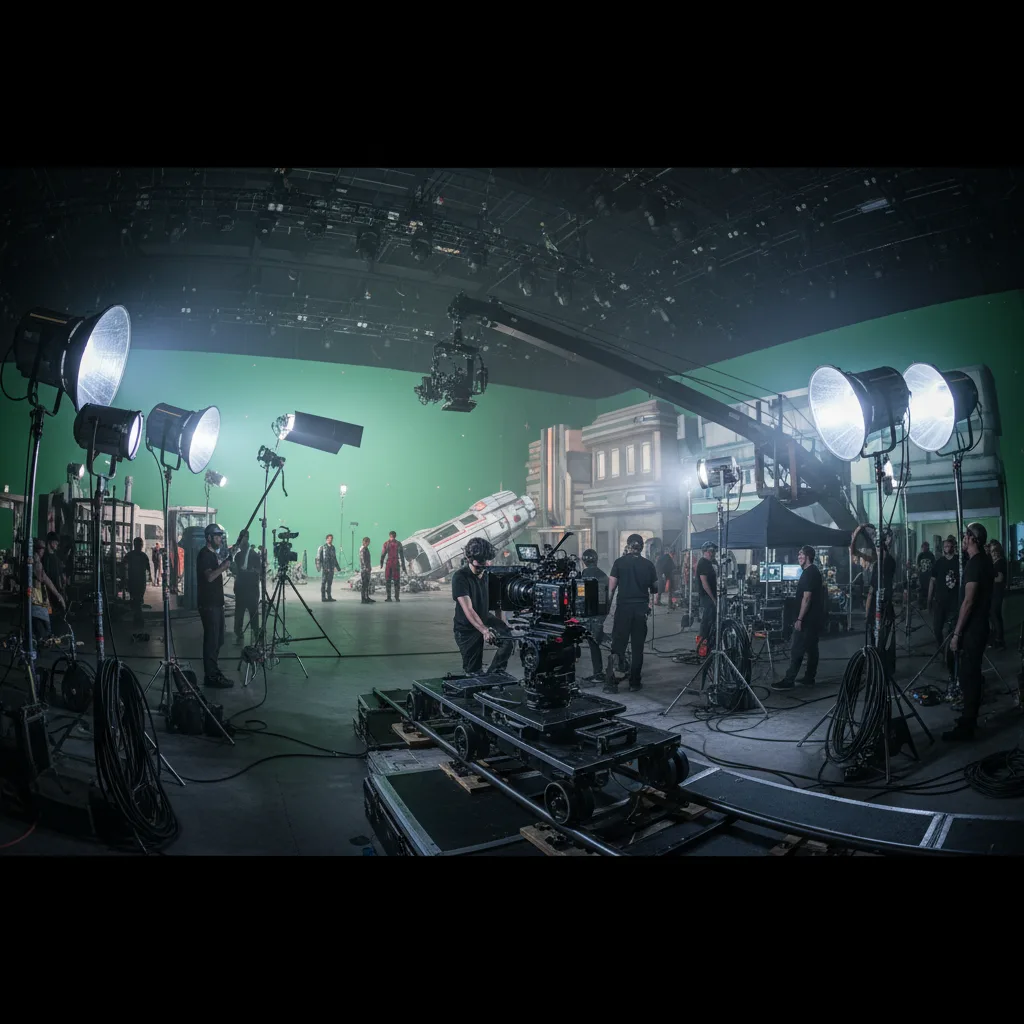
Virtual production uses LED walls and game engines. Disney’s “The Mandalorian” first used this technique. It replaces green screens with dynamic digital environments. Actors perform inside these real-time generated worlds.
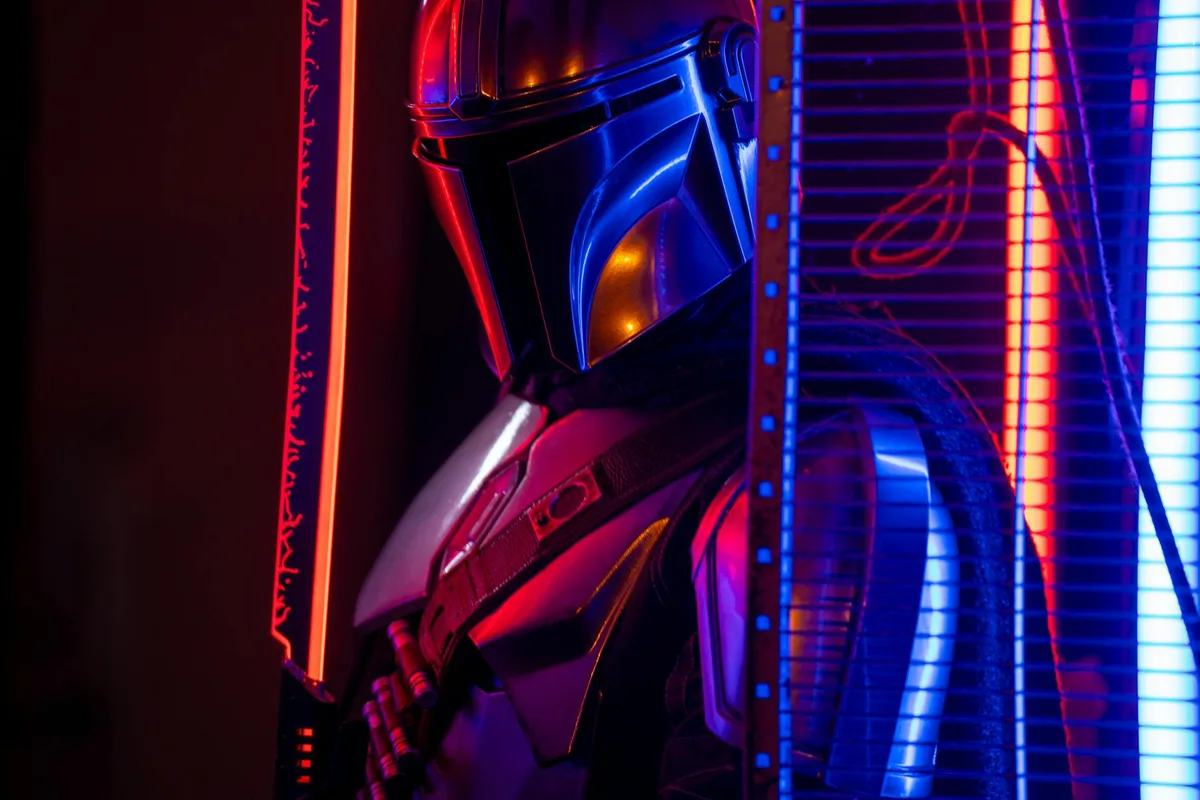
Actors perform on a virtual production set, surrounded by massive LED screens displaying dynamic digital environments. This innovative technique, famously pioneered by Disney's 'The Mandalorian,' replaces traditional green screens and allows filmmakers to create immersive worlds in real-time, drastically changing how scenes are shot. (Photo: Shakir Mohamed, Pexels)
Epic Games’ Unreal Engine is a key tool here. It renders photorealistic backgrounds instantly. This lets actors react naturally to their digital surroundings. Filmmakers see immediate results on set.
Immersive experiences go beyond screens. Virtual reality (VR) offers interactive stories. Meta Quest headsets bring these experiences directly to you. Viewers step right into the story.
Augmented reality (AR) adds digital elements to real-world views. Companies like Niantic make AR experiences for phones. Future films might use AR overlays in public spaces, mixing fiction with reality.
Interactive films let audiences shape narratives. Netflix experimented with titles like “Bandersnatch.” These offer branching storylines based on viewer choices. Your decisions change the plot.
LightField displays remove the need for headsets. The Looking Glass Factory makes these holographic displays. They create 3D images visible to many viewers at once. This tech offers a shared immersive experience.
These technologies blur the lines between games and films. They create new ways for audiences to engage. This changes traditional linear storytelling. It encourages viewers to take part.
How films get to you, and how they make money
Streaming platforms still rule how we watch films. The Motion Picture Association reported 1.6 billion global streaming subscriptions in 2022. That’s more than cinema ticket sales. Home viewing convenience explains this.
But cinemas still matter culturally. “Barbie” and “Oppenheimer” showed this in summer 2023. These events spark conversation and shared experiences. Cinemas offer a unique social outing.
Release windows are changing. Films move from cinema to streaming faster now. Warner Bros. Discovery often puts films on Max within 45 days of their theater debut. This gets them to more people across platforms.
Subscription fatigue hits consumers. Deloitte’s 2024 Digital Media Trends report shows more cancellations. Viewers rotate subscriptions to save money. This makes platforms find new ways to keep subscribers.
New ways to make money are appearing. Micro-transactions in interactive films could become common. Fans might pay for different endings or character paths. This offers personalized content.
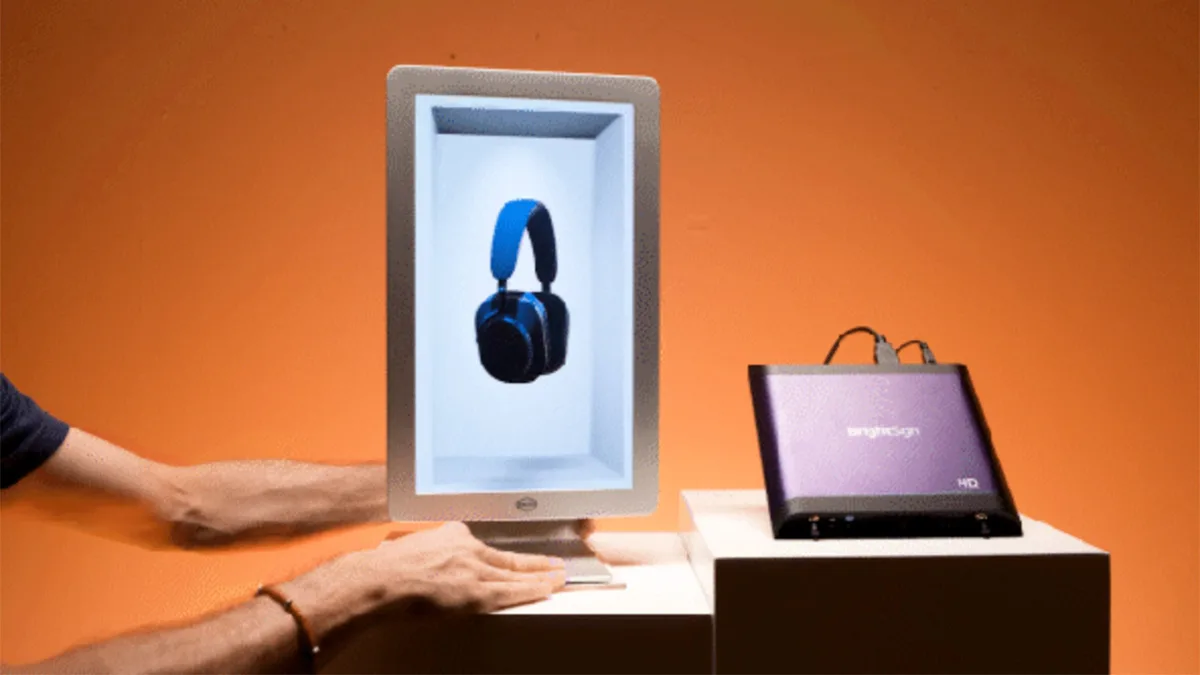
Looking Glass Factory is a pioneer in light field technology, creating displays that project true 3D images without the need for special glasses or headsets. This innovative tech allows multiple viewers to see the same immersive content simultaneously, offering a shared experience for future films and interactive media. (Source: techeblog.com)
Direct-to-consumer (D2C) distribution grows. Filmmakers skip traditional distributors. They use platforms like Vimeo or their own websites. This gives creators more control over their content and revenue.
Web3 technologies bring new possibilities. Non-fungible tokens (NFTs) can represent film ownership or fractional investment. They could also grant access to exclusive content or funding. This opens new ways for fans to get involved.
Creators, audiences, and what’s next
Filmmakers are adapting to new tools and workflows. AI will handle repetitive tasks. This frees artists for more creative problem-solving. Human creativity is still key to storytelling.
New job roles will appear. “Prompt engineers” might guide AI systems for visual generation. Virtual production supervisors manage LED volumes and game engines. Specialized technical skills are vital.
The director’s role changes. They become more like conductors of many digital departments. Vision is still key, but how they execute it changes. Understanding new workflows matters.
Audiences get more control. Interactive content gives viewers choices. They move from passive observers to active participants. Personalization becomes a core expectation.
Concerns about creative authenticity continue. The Directors Guild of America wants AI protections. They want human authorship kept in filmmaking. Protecting artistic integrity matters most.
Ethical questions are crucial. Deepfakes and synthetic media make us ask about consent. We’ll need regulations for responsible AI use. Clear rules around AI-generated content are crucial.
The film industry will keep changing. It will mix artistic vision with new tech. Storytelling will find new forms and reach new audiences. This promises many kinds of films. The challenge? Keeping the human heart in it all.
Your questions, answered
Will AI replace human filmmakers? No, AI just automates tasks. It handles repetition and data analysis well. But human creativity, emotional intelligence, and vision are still vital for great stories.
Are cinemas becoming obsolete? No, cinemas offer a unique social experience. Big blockbusters still do well there. They adapt by offering premium formats and event screenings to bring in viewers.
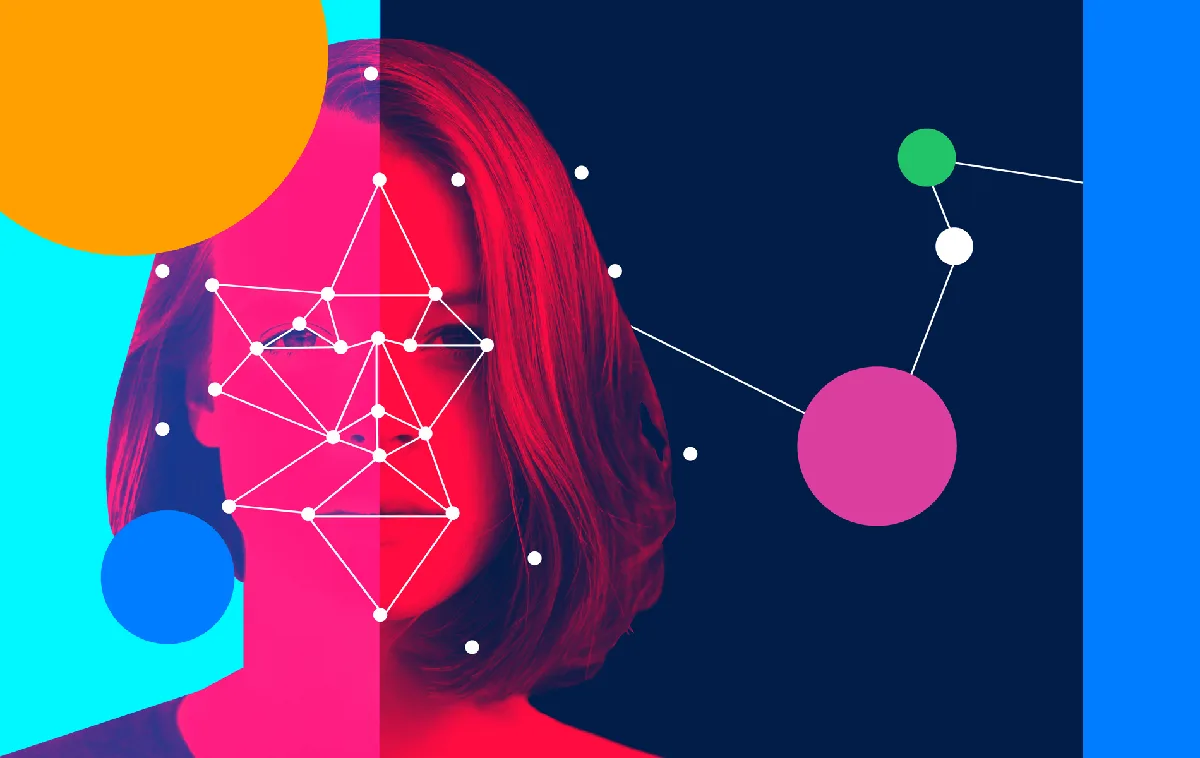
Deepfakes, a form of synthetic media, leverage AI to create highly realistic manipulated or entirely generated images and videos, prompting critical discussions about consent, authenticity, and the ethical implications for the future of filmmaking. (Source: respeecher.com)
What is virtual production? It uses large LED screens and game engines. This creates real-time digital backgrounds right on set. Actors perform inside these dynamic environments, seeing the finished world around them.
How will audiences experience films differently? Viewers will have more interactive options. They can shape stories or experience them in VR/AR. Personalization will grow, giving them content made just for them.
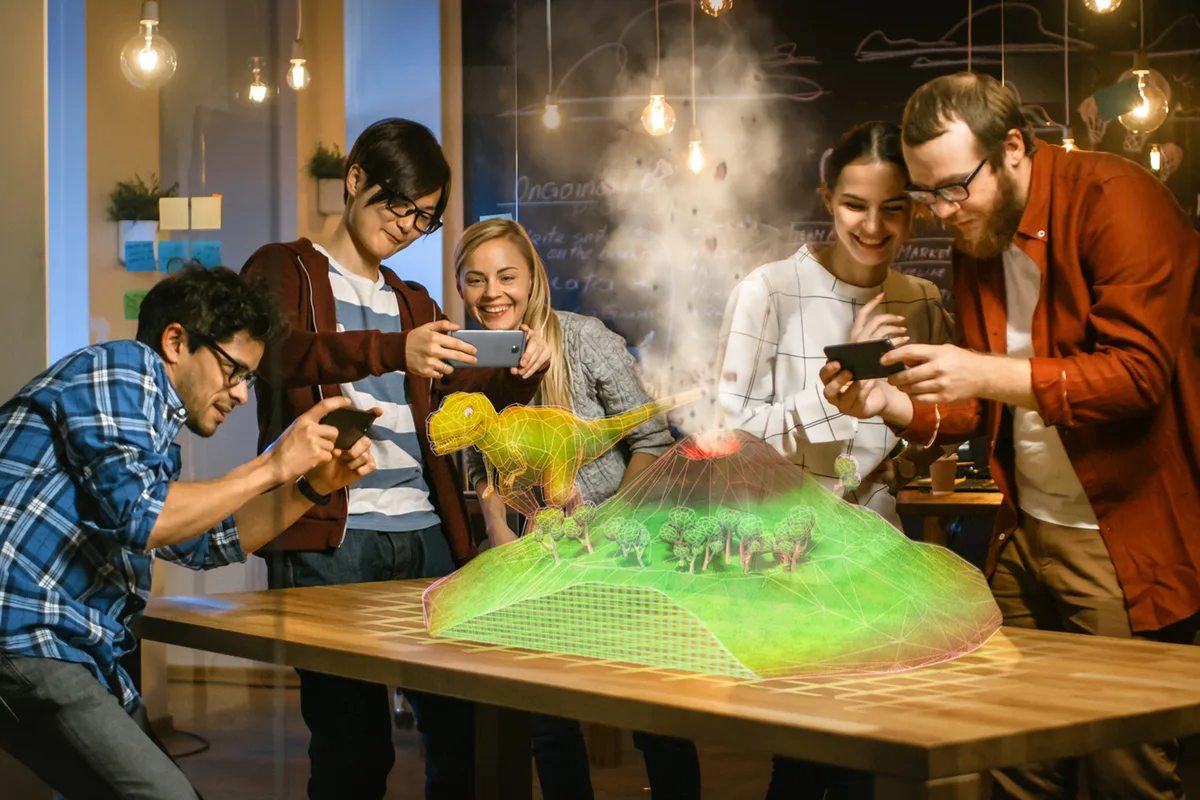
Virtual Reality (VR) and Augmented Reality (AR) technologies are poised to transform how audiences consume films, allowing for interactive storytelling and personalized experiences that immerse viewers directly into the narrative. (Source: program-ace.com)
You might also like:
👉 Virtual Reality Applications: Exploring VR’s Impact Across Industries