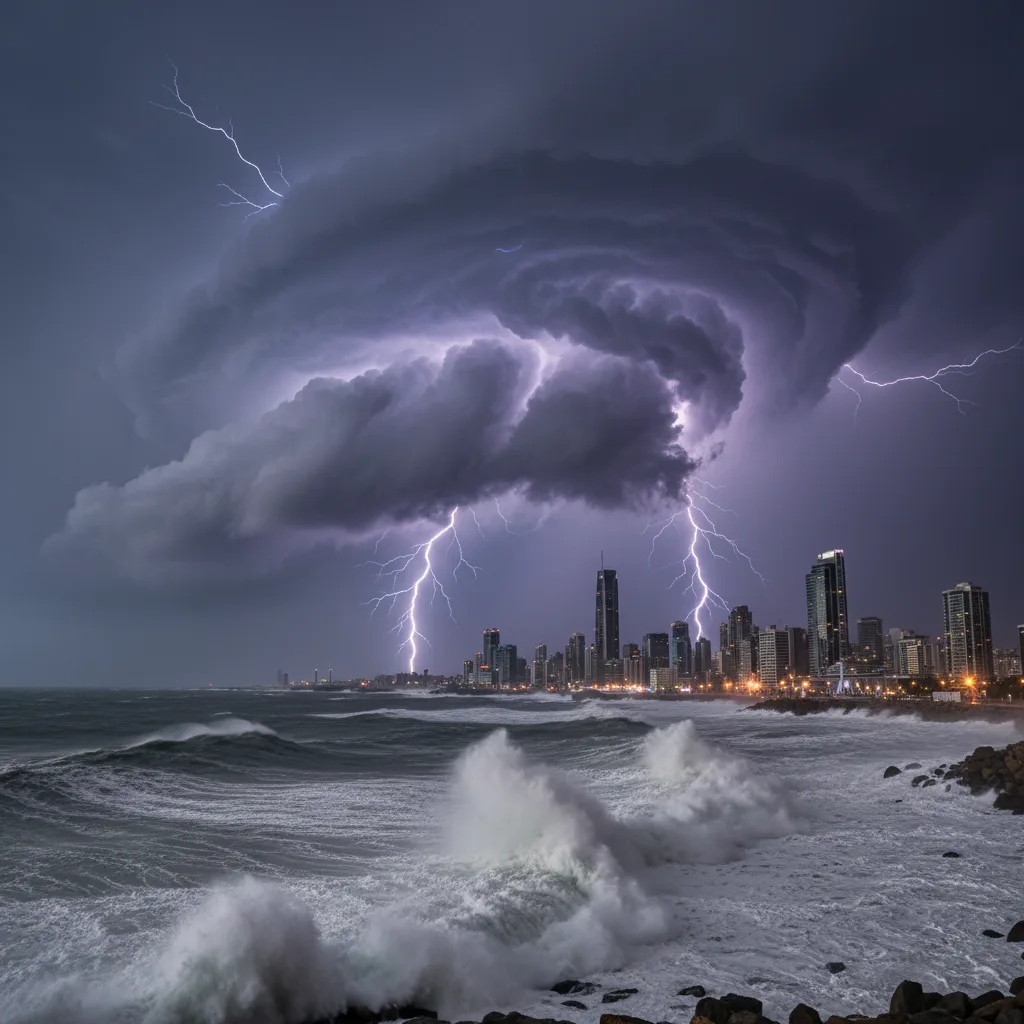
Germany 2021 Floods: 134 Dead. Is Climate Change to Blame?
The 2021 German floods killed 134 people. Explore how extreme weather events are intensifying, from raging rivers to disappearing farms.
Tracking the Fury: A World of Worsening Extreme Weather
On July 14, 2021, farmer Heinrich Schmidt watched in horror. Floodwaters surged through his village of Schuld, Germany. His family farm, generations old, disappeared under a torrent. The Ahr River, usually a gentle stream, became a raging monster. This extreme rainfall event killed 134 people in Germany alone. It destroyed homes and infrastructure across Western Europe.
The Earth’s climate system is complex. Weather describes atmospheric conditions over short periods. Climate represents long-term patterns and averages. Extreme weather events are rare, severe occurrences. They include intense heatwaves, heavy rainfall, prolonged droughts, and powerful storms. For millennia, these events were part of natural variability.
Scientists have observed significant changes. They track global temperatures, ocean heat, and atmospheric composition. This work happens through organizations like the Intergovernmental Panel on Climate Change (IPCC). The World Meteorological Organization (WMO) also monitors global weather and climate. Their data forms a foundation for understanding our planet.
The IPCC, established in 1988, synthesizes climate science. It assesses thousands of scientific papers. Its reports detail human influence on climate change. This influence largely comes from greenhouse gas emissions. These gases trap heat in Earth’s atmosphere. Before industrialization, CO2 levels were stable. Now, they are far higher.
This excess heat energy fuels the climate system. It changes weather patterns worldwide. The question isn’t just about individual events. It’s about a clear, observable trend. Are these extreme events becoming more frequent or more intense? Scientists use attribution science to answer this. They compare current conditions to a world without human-caused warming.
The Rising Tide of Evidence
On August 4, 2003, Paris sweltered under extreme heat. Temperatures reached 40.4 degrees Celsius (104.7 F). This heatwave gripped much of Europe. It caused an estimated 70,000 excess deaths across the continent. Scientists later linked this event to human-induced climate change. Its severity surprised many.
The early 21st century brought more stark examples. In 2005, Hurricane Katrina devastated New Orleans. Its storm surge overwhelmed the city’s defenses. It caused over 1,800 fatalities. It became the costliest U.S. hurricane at the time. The storm’s intensity was unusual. Many questioned its link to a warming world.
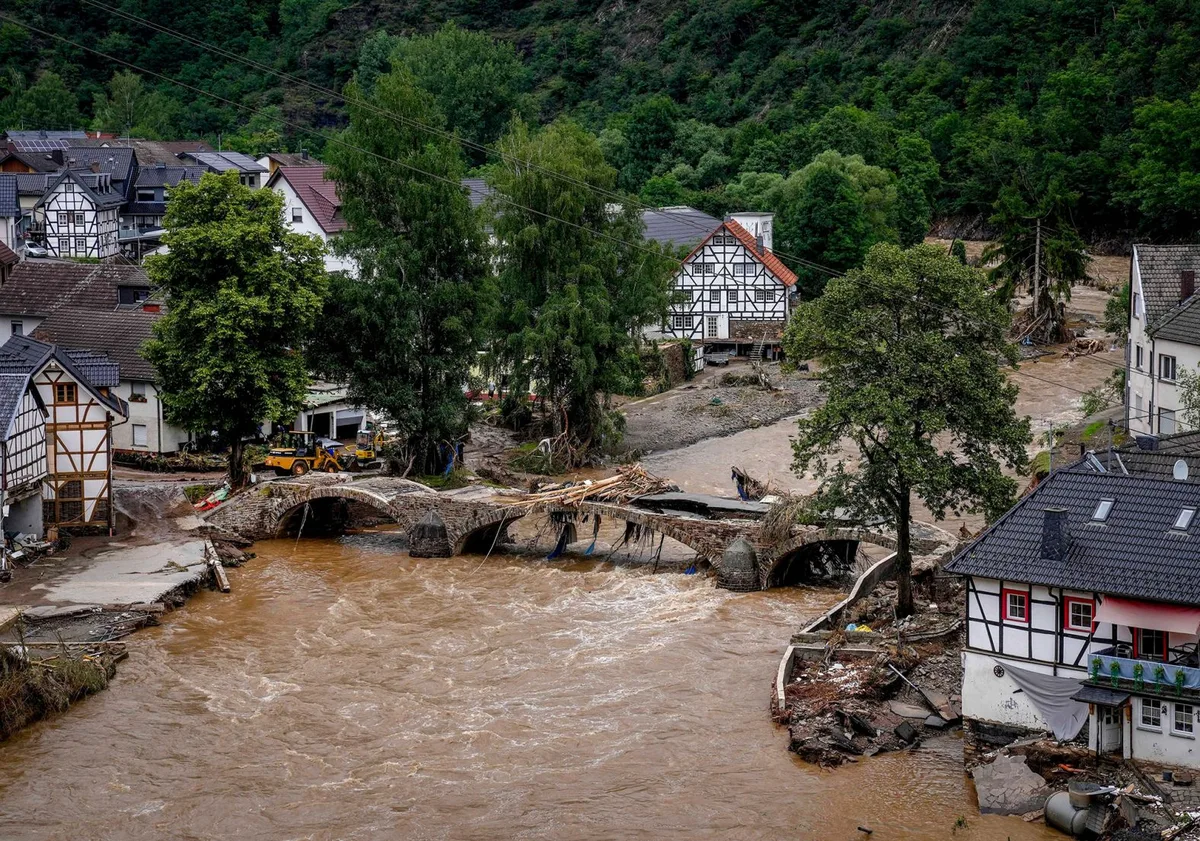
On July 14, 2021, the Ahr River, usually a gentle stream, became a raging monster, causing catastrophic floodwaters to surge through Schuld, Germany. Farmer Heinrich Schmidt watched his generations-old family farm disappear, part of a disaster that killed 134 people and destroyed infrastructure across Western Europe. (Source: cnn.com)
A decade later, another powerful storm hit. Hurricane Harvey struck Texas in August 2017. It dropped over 60 inches of rain in some areas. This broke all U.S. rainfall records for a single storm. Dr. Kevin Trenberth of the National Center for Atmospheric Research noted something key. Warmer ocean waters and air hold more moisture. This intensified Harvey’s rainfall dramatically. Its slow movement also contributed to the devastation.
Heavy rainfall isn’t confined to hurricanes. In July 2021, the Ahr Valley in Germany experienced catastrophic floods. Over 150 millimeters of rain fell in 24 hours. Dr. Friederike Otto, co-leader of World Weather Attribution, stated the link. Climate change made such an event 1.2 to 9 times more likely. It also increased its intensity by 3-19%. The sheer volume of water overwhelmed river systems.
Heatwaves also grew more frequent and severe. The Pacific Northwest, usually temperate, saw extreme heat in June 2021. Lytton, British Columbia, reached 49.6 degrees Celsius (121.3 F). This shattered Canada’s all-time heat record. Hundreds of sudden deaths were recorded. A study by World Weather Attribution confirmed the warming influence. It showed such an event was virtually impossible without human activity.
Droughts too show a worsening trend. The American West has endured a megadrought for over two decades. This is the driest period in 1,200 years. Lake Mead and Lake Powell, vital reservoirs, reached historic lows. Dr. Park Williams of UCLA confirmed human-caused climate change intensifies this drought. It made it 42% more severe. Water rationing became common.
The WMO’s 2022 State of the Global Climate report highlighted a trend. It reported record-breaking extreme weather events globally. These included severe droughts in the Horn of Africa. There were also unprecedented floods in Pakistan. These floods displaced millions. The report concluded that human activities drive these changes. Each passing year brings new records.
The number of recorded weather, climate, and water-related disasters increased. They grew five-fold over 50 years. This is according to the WMO. From 1970 to 2019, these disasters caused over 2 million deaths. They led to $3.64 trillion in economic losses. This rising toll clearly signals a worsening situation. The financial burden continues to climb.
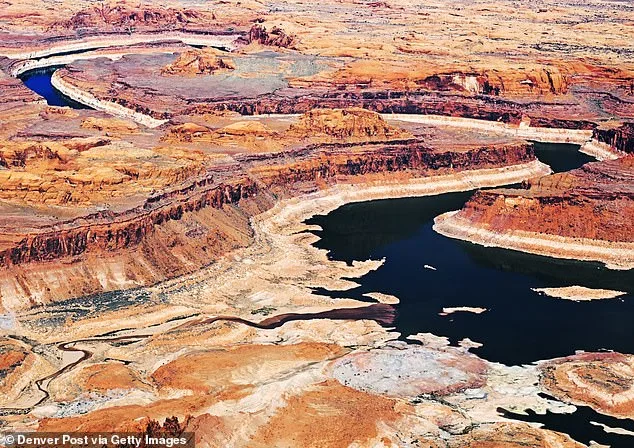
Lake Mead, a vital reservoir in the American West, displays dramatic 'bathtub rings' on its shores, a stark visual of historically low water levels. This iconic scene illustrates the region's megadrought, the driest period in 1,200 years, intensified by human-caused climate change. (Source: dailymail.co.uk)
The Science Behind the Shift
The scientific community offers clear explanations. The IPCC’s Sixth Assessment Report (AR6) is unequivocal. Human activities have warmed the atmosphere, ocean, and land. This warming directly impacts extreme weather. The report details specific mechanisms. Its findings represent the consensus of thousands of scientists.
One key mechanism involves atmospheric moisture. Warmer air holds more water vapor. For every degree Celsius of warming, the atmosphere can hold about 7% more water. This is known as the Clausius-Clapeyron relation. When this moisture condenses, it releases more latent heat. This can fuel more intense rainfall and storms. More energy means more violent weather.
Ocean warming also plays a critical role. The world’s oceans absorb over 90% of the extra heat. This leads to higher sea surface temperatures. Warm ocean waters are the primary fuel for tropical cyclones. A warmer ocean can generate stronger, faster-intensifying storms. They also carry more moisture, dumping more rain.
Melting ice contributes to sea level rise. Thermal expansion of warming ocean water also adds to it. Higher sea levels amplify the impact of storm surges. Coastal communities face greater flood risks. Even minor storms can cause significant damage. This is especially true in low-lying areas. Infrastructure becomes more vulnerable.
Changes in atmospheric circulation patterns are also observed. The jet stream, a ribbon of fast-moving air, can become wavier. This leads to “blocking patterns.” These patterns can trap weather systems in place. They cause prolonged heatwaves or persistent heavy rainfall. This was a factor in the 2021 German floods. The altered flow disrupts typical weather movement.
Attribution science quantifies human influence. Scientists use climate models. They compare simulations of the real world. They also simulate a hypothetical world without human emissions. This allows them to calculate how much climate change altered an event’s likelihood or intensity. Dr. Otto’s work at World Weather Attribution exemplifies this. It provides clear numerical evidence.
Their research showed the 2021 Pacific Northwest heatwave was “virtually impossible” without climate change. It confirmed global warming was the dominant factor. This field has advanced rapidly. It provides specific, data-driven links. It moves beyond general statements about climate change. It offers precise insights.
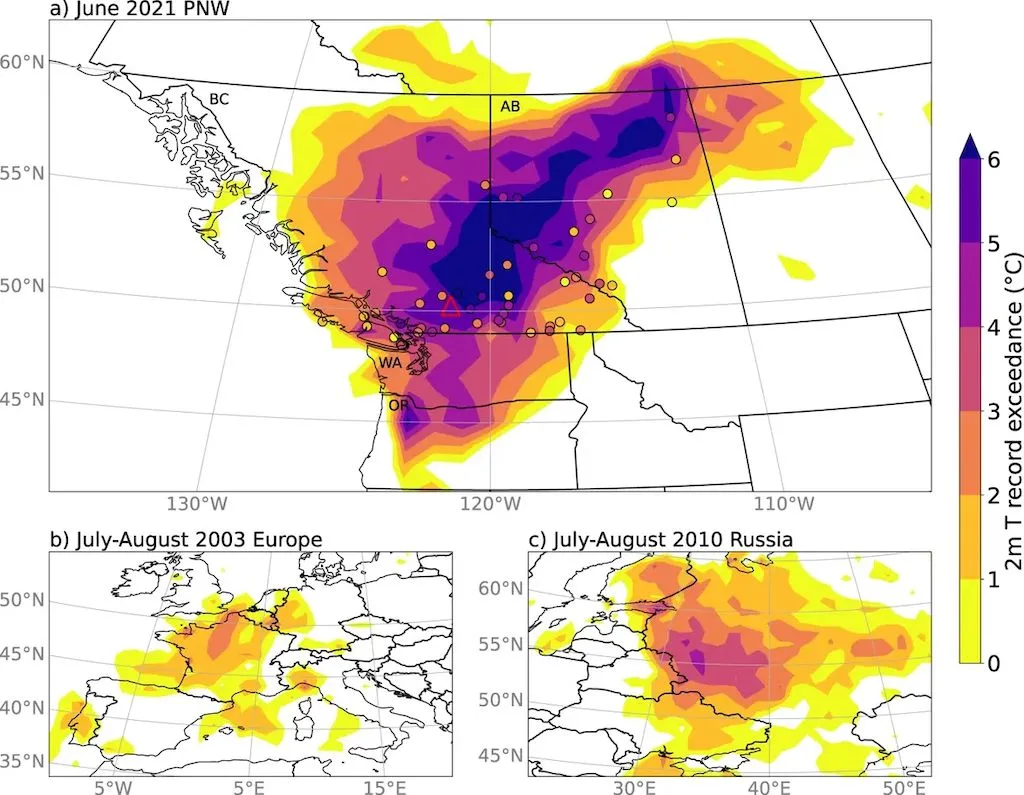
The 2021 Pacific Northwest heatwave shattered temperature records, with Lytton, British Columbia, reaching 49.6 °C (121.3 °F) just before being largely destroyed by a wildfire. Attribution science found this event was "virtually impossible" without human-caused climate change. (Source: carbonbrief.org)
These scientific findings have profound consequences. They demonstrate a clear, measurable connection. Human activities are not just altering climate averages. They are making specific, dangerous weather events worse. This understanding drives urgent calls for action. It demands a re-evaluation of our relationship with the planet.
The Human Cost and Global Response
In 2022, Pakistan experienced devastating floods. Over 1,700 people died. Millions more were displaced. The country suffered an estimated $30 billion in damages. This event highlighted the disproportionate impact. Developing nations often face the worst consequences. They contribute least to global emissions. Their resources for recovery are limited.
Economic costs from extreme weather are soaring. Insurance giant Munich Re reported this. In 2022, natural disasters caused $270 billion in losses. Insured losses alone were $120 billion. This ranks among the costliest years on record. Climate change is undeniably driving these figures up. Property values in vulnerable areas face increasing threats.
These disasters impact human health directly. Heatwaves cause heatstroke and exacerbate cardiovascular issues. Floods spread waterborne diseases. Droughts lead to malnutrition and food insecurity. The World Health Organization (WHO) states climate change is the biggest health threat. It affects air quality, food, and water supplies. Mental health also suffers from repeated trauma.
Food systems are particularly vulnerable. Prolonged droughts destroy crops and livestock. Heavy rains and floods wash away fertile topsoil. Global food prices become more volatile. This threatens the livelihoods of farmers. It also impacts global supply chains and consumer costs. Vulnerable populations face starvation.
Migration patterns are also shifting. People flee areas made uninhabitable by climate impacts. This creates climate refugees. The UN Refugee Agency (UNHCR) reports millions are displaced annually. They move due to floods, droughts, and desertification. This puts immense pressure on humanitarian aid. It creates new social and political challenges.
Governments and international bodies recognize these challenges. The 2015 Paris Agreement aims to limit global warming. It seeks to keep warming well below 2 degrees Celsius. Ideally, it targets 1.5 degrees Celsius. Nations commit to reducing greenhouse gas emissions. They also pledge to adapt to climate impacts. This global accord guides national policies.
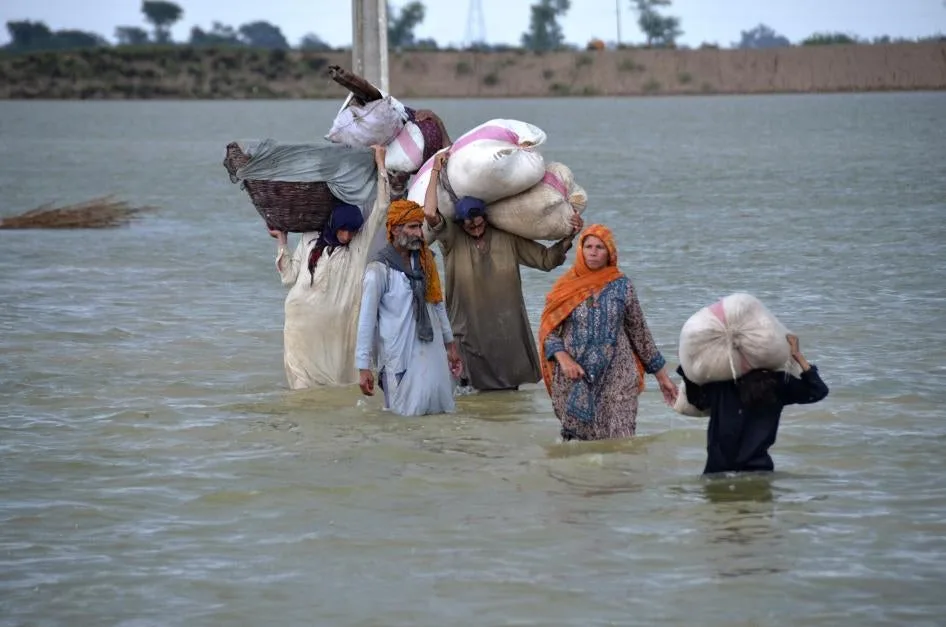
The 2022 Pakistan floods, exacerbated by climate change, submerged a third of the country, killed over 1,700 people, and displaced millions, causing an estimated $30 billion in damages. This catastrophic event highlighted the disproportionate impact of extreme weather on developing nations. (Source: hrw.org)
Adaptation measures are becoming crucial. These include early warning systems for storms. They involve building seawalls and restoring mangroves. Developing drought-resistant crops is another strategy. However, funding for adaptation remains insufficient. Many vulnerable nations struggle to implement these plans. The issue of “loss and damage” compensation for these nations is now a major negotiation point.
Despite agreements, global emissions continue to rise. This means future extreme events will likely intensify. The gap between climate pledges and actual progress is wide. This creates a difficult path forward. The world faces a dual challenge. It must reduce emissions and prepare for unavoidable changes.
Looking Ahead Adapting to a New Reality
The IPCC’s AR6 Synthesis Report warns of continued warming. It projects that global surface temperature will continue to increase. This will happen until at least mid-century. This is true under all emissions scenarios considered. Every increment of warming intensifies extreme events. The future will bring more severe conditions.
Scientists predict more frequent and severe heatwaves. They forecast increased heavy rainfall events. Tropical cyclones will become stronger, though their total number might not change. Droughts will intensify in many regions. Sea levels will continue to rise. These impacts are locked in for decades. We must prepare for these changes.
This future demands urgent, transformative action. Mitigation efforts must accelerate dramatically. This means rapidly phasing out fossil fuels. It requires investing in renewable energy. Enhancing energy efficiency is also vital. Reducing methane emissions, a powerful greenhouse gas, is equally important. Energy systems need a fundamental overhaul.
Adaptation must also become a global priority. Cities need resilient infrastructure. Coastal communities require protection. Farmers need support for climate-smart agriculture. Investment in early warning systems saves lives. Protecting natural ecosystems, like forests and wetlands, offers natural defenses. These strategies build resilience.
Individuals also have a role. Reducing personal carbon footprints contributes to mitigation. Supporting sustainable policies helps. Advocating for local resilience plans is important. Every action, big or small, adds up. Collective effort is essential.
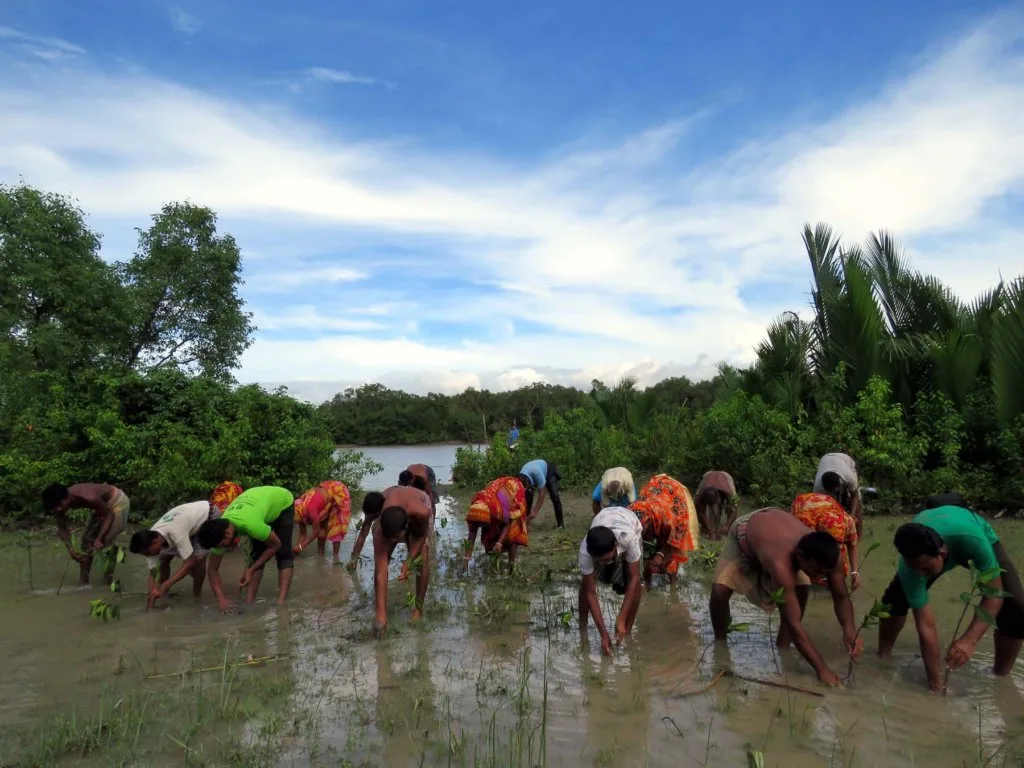
Mangrove forests are vital natural defenses against rising sea levels and storm surges, and their restoration is a key adaptation strategy for vulnerable coastal communities worldwide. These unique ecosystems also sequester significant amounts of carbon. (Source: globalgiving.org)
The challenge is immense. It requires unprecedented international cooperation. It needs political will and financial investment. The choices made today will shape the severity of future extreme weather. The goal is to build a more resilient, sustainable world. This ensures a safer future for all.
FAQ
Is every extreme weather event caused by climate change? No, not every single event is directly caused by climate change. Extreme weather has always occurred naturally. Climate change acts as a multiplier, increasing the frequency, intensity, or duration of many events.
What’s the difference between weather and climate? Weather describes short-term atmospheric conditions, like today’s temperature or rain. Climate refers to long-term patterns and averages of weather over decades or centuries. Think of weather as your mood and climate as your personality.
Are all types of extreme weather getting worse at the same rate? No, the changes vary by region and event type. Heatwaves and heavy rainfall events show the clearest, most widespread increases. Droughts and tropical cyclones also show significant intensification in many areas.
Can we still stop extreme weather from getting worse? We cannot entirely reverse current trends quickly, as some warming is already locked in. However, aggressive cuts in greenhouse gas emissions can slow down warming. This would limit the future intensification of extreme weather events.
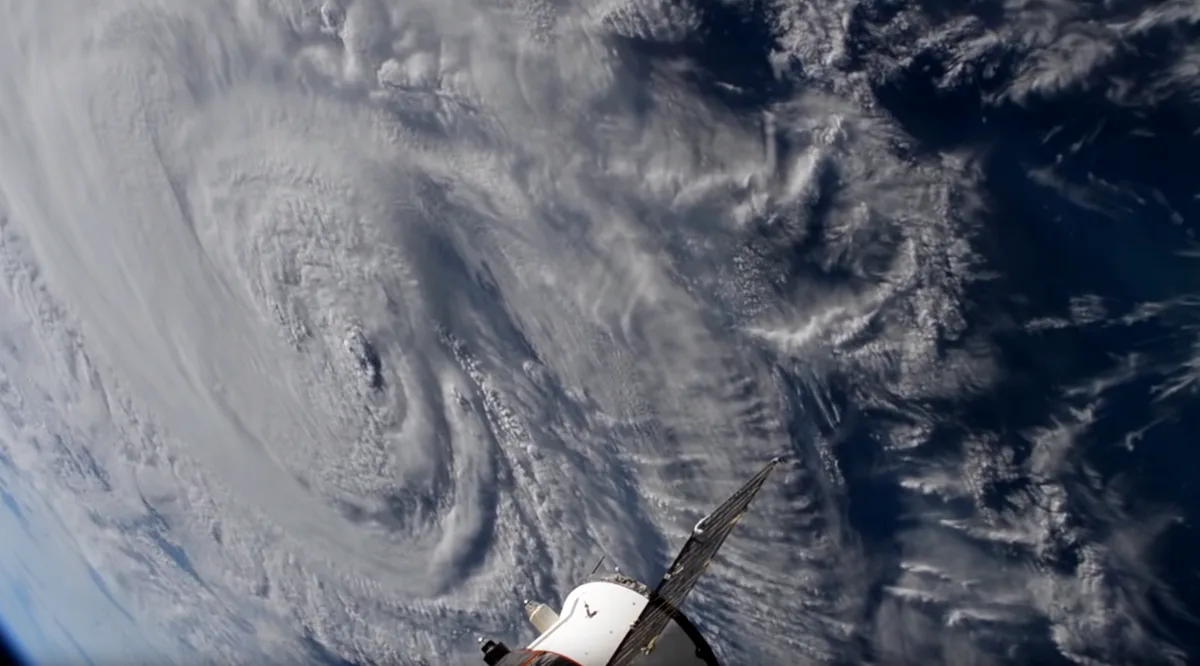
Tropical cyclones, also known as hurricanes or typhoons, are intensifying in many areas due to warmer ocean temperatures, posing a significant threat to coastal regions. These massive storm systems are characterized by their iconic 'eye' at the center, surrounded by intense thunderstorms and powerful winds. (Source: svs.gsfc.nasa.gov)
You might also like:
👉 Super El Niño 2026 Predictions: Global Impact & What to Expect