Millions at Risk: Hidden Flaws in Your Mobile Payment App
Millions use mobile payment apps daily, yet serious weaknesses often go unnoticed. Uncover the hidden vulnerabilities putting your cash at risk.
I used to think mobile payment apps were secure. Millions use them every day. Banks support them. They boast encryption and tokenization. It felt like a strong system.
I was wrong. When I investigated, I found a surprising truth. The apps we trust with our cash often hide serious weaknesses. Most users never even notice them.
Mobile payment apps are digital tools. They let users do financial transactions with a smartphone. These apps operate globally. They connect consumers, merchants, and banks. Technologies like Near Field Communication (NFC), QR codes, and cloud services power them.
In 2023, global mobile payment transactions hit $8.7 trillion, Statista reports. This was a 15% jump from the year before. Massive growth means more users. It also creates a larger target for cybercriminals. My research began with this rapidly growing market. I wanted to understand how secure it really was.
The more I looked, the more I saw how complex these systems are. This complexity creates many openings for attackers. Developers, payment processors, and even users all affect security. My view shifted from blind trust to cautious skepticism.
The weaknesses I found
A 2022 study by Positive Technologies showed something worrying. Forty percent of mobile applications tested contained serious weaknesses. This included payment apps. This fact changed my understanding significantly.
One big category of flaws comes from client-side weaknesses. These live directly on the user’s device. Many apps store sensitive data insecurely. This might include payment card details or personal identification numbers (PINs). If a phone is compromised, this data becomes easily accessible. Research by the Open Web Application Security Project (OWASP) Mobile Top 10 often points to insecure data storage as a major risk.
I also found issues with how apps handle authentication. Some applications use weak PINs or allow easy brute-force attacks. Others fail to implement proper two-factor authentication. This leaves user accounts exposed to unauthorized access. NIST, for instance, says strong multi-factor authentication is essential.
My investigation also uncovered server-side and API weaknesses. Mobile apps communicate with backend servers through Application Programming Interfaces (APIs). These APIs are often poorly secured. They might lack proper authorization checks. An attacker could exploit these gaps. They could access user data or manipulate transactions. Troy Hunt, the security researcher behind “Have I Been Pwned,” often points to API misconfigurations. He says these are a common way breaches happen. This surprised me, as I had focused so much on the device itself.
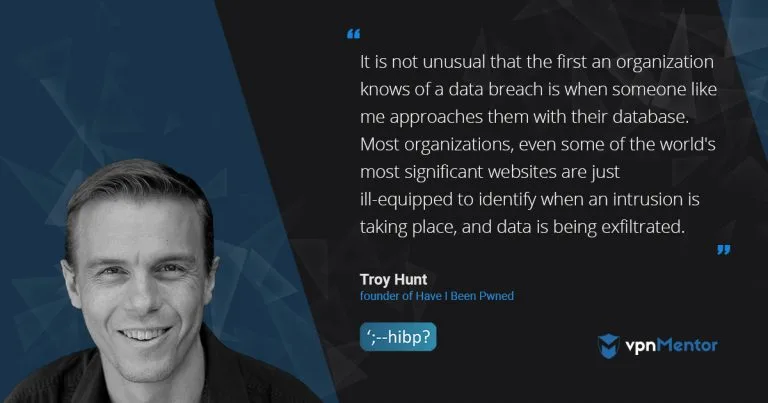
Troy Hunt is an Australian web security expert and the creator of 'Have I Been Pwned,' a free service that allows anyone to check if their personal data has been compromised in a data breach. He frequently highlights API misconfigurations as a critical vulnerability, a point echoed in the analysis of mobile payment app weaknesses. (Source: vpnmentor.com)
Another common problem is improper session management. Once a user logs in, their session token might not expire correctly. Or it might be vulnerable to theft. This allows an attacker to hijack an active user session. They can then make purchases or access account details. This type of weakness shows up regularly in penetration test reports.
Finally, I looked at network-related threats. Users often connect to public Wi-Fi networks. These networks are frequently unsecured. This makes them vulnerable to man-in-the-middle (MitM) attacks. An attacker can intercept data transmitted between the app and its server. They can steal credentials or payment information. ESET, a cybersecurity firm, regularly warns about the dangers of using public Wi-Fi for sensitive transactions. It’s a risk many users simply overlook.
Systemic challenges beyond the code
Financial fraud from mobile payments cost consumers an estimated $12 billion in 2023. The Federal Trade Commission reported this large figure. It shows bigger, system-wide problems. These issues extend beyond just technical coding errors.
One major challenge is the constant push for rapid development cycles. Developers often prioritize new features and market speed. Security testing can become an afterthought. This leads to rushed deployments with insufficient review. Cybersecurity expert Dr. Jessica Barker often talks about the fight between speed and security. She says this pressure frequently weakens basic security.
I also saw big gaps in regulations and how they’re enforced. Cybersecurity regulations vary widely across regions. The Payment Card Industry Data Security Standard (PCI DSS) provides a baseline for card data. However, many mobile payment systems involve more than just card data. New payment methods often fall outside existing rules. This creates a patchwork of security requirements. The European Banking Authority (EBA) has worked on stricter guidelines, but consistent global rules are a long way off.
The constant change in threats makes things even harder. Cybercriminals constantly adapt their methods. New attack vectors emerge. What was secure yesterday might be vulnerable tomorrow. For instance, the rise of sophisticated phishing campaigns targeting mobile users makes even well-secured apps risky. A user might unknowingly grant access to their account. Mandiant, a threat intelligence company, always tracks how attacks change. They show how quickly new threats can appear.
Public Wi-Fi networks, common in cafes and airports, are frequently unsecured, making them prime targets for man-in-the-middle (MitM) attacks where attackers can intercept sensitive data like payment information. (Source: beambox.com)
What truly surprised me was the large scale of this problem. The general public often underestimates it. They assume their digital wallets are as safe as their physical ones. This assumption is dangerous. The complexity of modern payment systems means security isn’t just about one strong lock. It’s about securing every potential crack.
What we can do: reducing the risks
Implementing multi-factor authentication (MFA) has proven very effective. It reduces account takeover fraud by over 99%, according to Microsoft. This simple step offers a strong defense. It requires users to verify their identity in multiple ways.
For users, staying alert is key. Always use strong, unique passwords for payment apps. Enable two-factor authentication wherever possible. Regularly update your apps and operating system. These updates often include critical security patches. Be extremely wary of unsolicited messages or calls asking for payment details. Never conduct financial transactions over public, unsecured Wi-Fi.
Developers carry a heavy responsibility. They must build in security from the start. This means secure coding practices. Regular security audits and penetration testing are essential. Threat modeling helps identify potential attack vectors early. Adhering to standards like OWASP MASVS (Mobile Application Security Verification Standard) gives a strong guide. They should also implement strong encryption for all sensitive data. This includes data at rest and in transit.
Financial institutions and payment providers must also take more action. They need strong fraud detection systems. These systems can identify suspicious transaction patterns. Clear incident response plans are essential. They ensure quick action if a breach occurs. Educating users about common scams and security best practices is also essential. The Financial Conduct Authority (FCA) in the UK emphasizes the importance of consumer education in fighting fraud.
My research changed my perspective. I now believe a multi-layered approach is essential. No single solution will secure mobile payments. It requires cooperation among users, developers, and institutions.
Frequently asked questions
Are all mobile payment apps equally vulnerable? No. Major apps from established banks or tech companies often have more resources. They invest heavily in security measures. Smaller or newer apps might have more weaknesses.
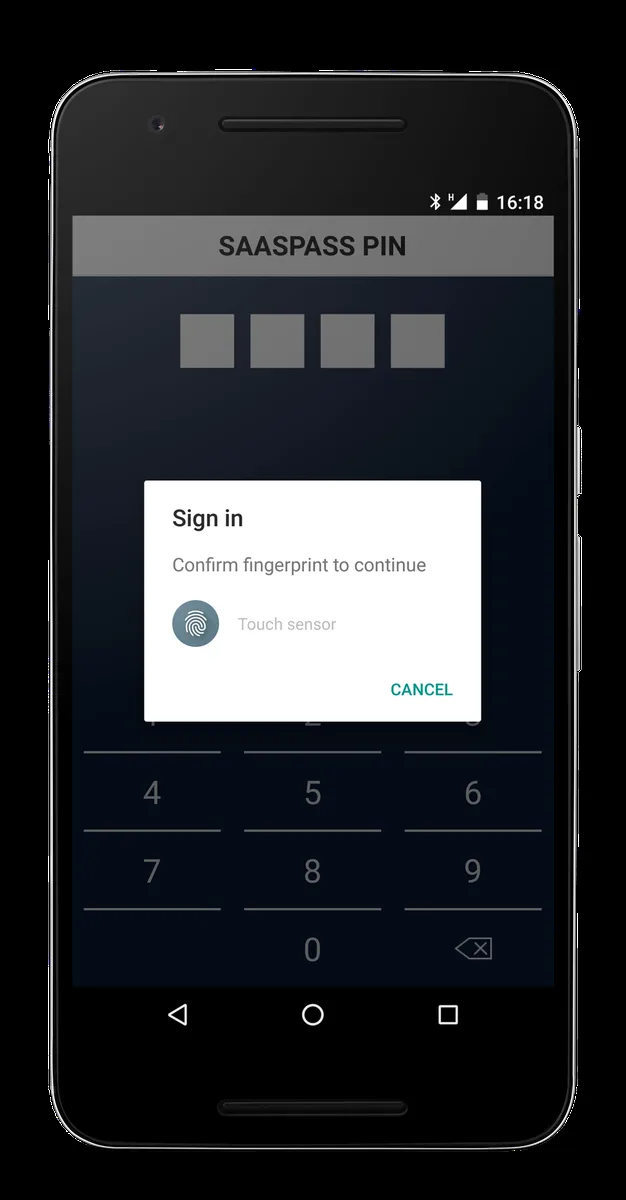
Multi-factor authentication (MFA) is a critical security measure that requires users to verify their identity in multiple ways, such as a password and a fingerprint or a one-time code. According to Microsoft, implementing MFA can reduce account takeover fraud by over 99%, making it a highly effective defense against mobile payment vulnerabilities. (Source: saaspass.com)
What’s the biggest threat to my mobile payments? Human error, like falling for phishing scams, is a major threat. Insecure Wi-Fi networks and outdated apps also pose large risks. Attackers often target the weakest link.
Can biometrics truly secure my transactions? Biometrics like fingerprint or facial recognition offer strong convenience. They add a layer of security. However, they are not foolproof. They can be bypassed in some cases.
What should I do if my payment app is compromised? Immediately contact your bank or payment provider. Change your app password. Monitor your accounts for unauthorized transactions. Report the incident to relevant authorities.
The road ahead: staying secure
The European Union’s NIS2 Directive, effective October 2024, expands cybersecurity requirements. It covers digital service providers, including payment platforms. This shows a growing global understanding that we need stronger security. Regulations will continue to evolve.
New technologies will introduce new security challenges. Artificial intelligence (AI) can improve fraud detection. It can also be used by attackers for more sophisticated scams. Quantum computing, while still distant, could eventually break current encryption standards. We need constant innovation to stay ahead.
The future of mobile payments demands constant alertness. Security is not a one-time fix. It’s an ongoing process of adaptation and defense. We must remain curious and critical. We cannot afford to be complacent.

Quantum computers, often featuring distinctive dilution refrigerators like this one, operate at extremely low temperatures to maintain delicate quantum states. While still in early development, their potential to eventually break current encryption standards poses a significant future challenge for mobile payment security. (Source: reddit.com)
You might also like:
👉 Hundreds of Flaws: Why Your Device Needs Updates Now
👉 WannaCry 2017: The Cyberattack That Crippled UK Hospitals
👉 Sustainable Futures: Investment, Cybersecurity & Future of Work