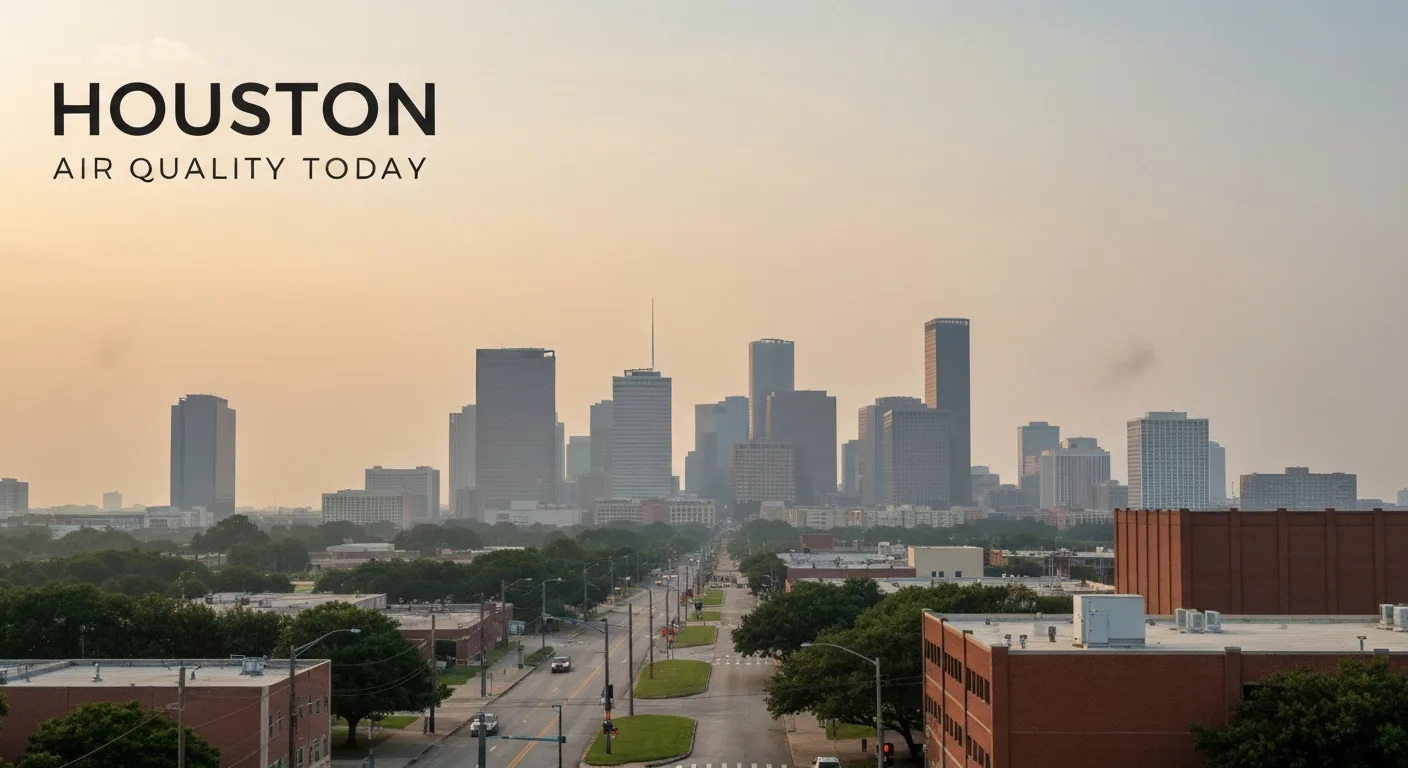
Houston Air Quality Today: History, Industry & Weather Impact
Explore Houston's air quality journey from the 1977 Goodrich plant explosion to today. Understand how industry, weather, and historical events shape the city's breathable air.
Houston’s Breathless Ascent: A Chronicle of Weather, Industry, and Air Quality Today
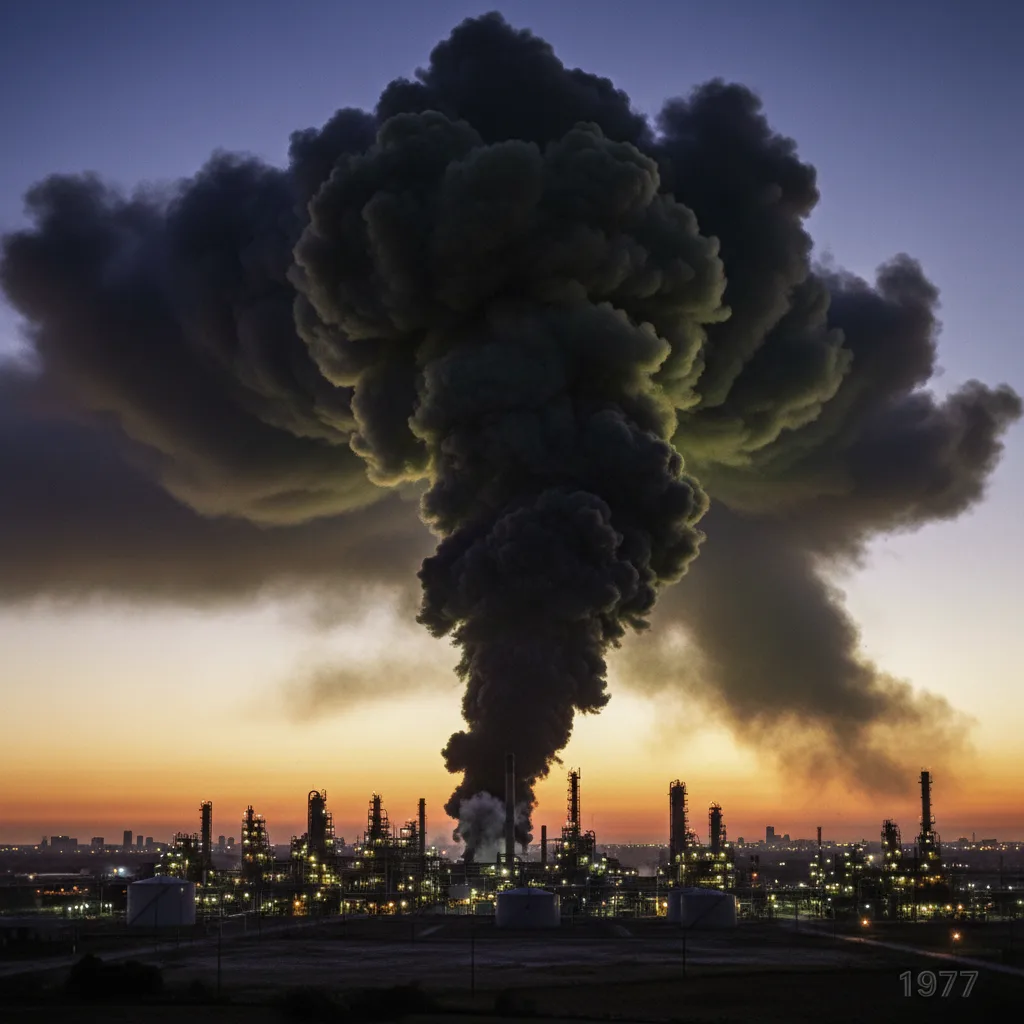
The year is 1977. A suffocating humidity, characteristic of the Texas Gulf Coast, already pressed down on Houston. But on this particular evening, an additional, more sinister weight settled upon the air. Miles to the east, along the serpentine Houston Ship Channel, a terrifying roar had shattered the twilight calm. A catastrophic explosion at the Goodrich chemical plant in La Porte had ripped through the facility, unleashing a torrent of vinyl chloride and other volatile compounds into the atmosphere. A monstrous plume, dark and menacing, climbed thousands of feet into the sky, then began its slow, inexorable drift over the sprawling metroplex. Residents in communities like Deer Park and Pasadena reported stinging eyes, burning throats, and a metallic taste that coated their tongues. This wasn’t merely the familiar brown haze of industrial prosperity; this was a visceral, undeniable assault, a moment when the very air became an immediate, tangible threat. The incident, one of many in a burgeoning industrial landscape, laid bare a profound truth: Houston’s destiny, inextricably linked to its colossal petrochemical complex and its unique meteorology, would forever be a story of its relationship with the air it breathed.
The Gulf’s Embrace and Industry’s Dawn: Houston’s Early Air Quality Narrative
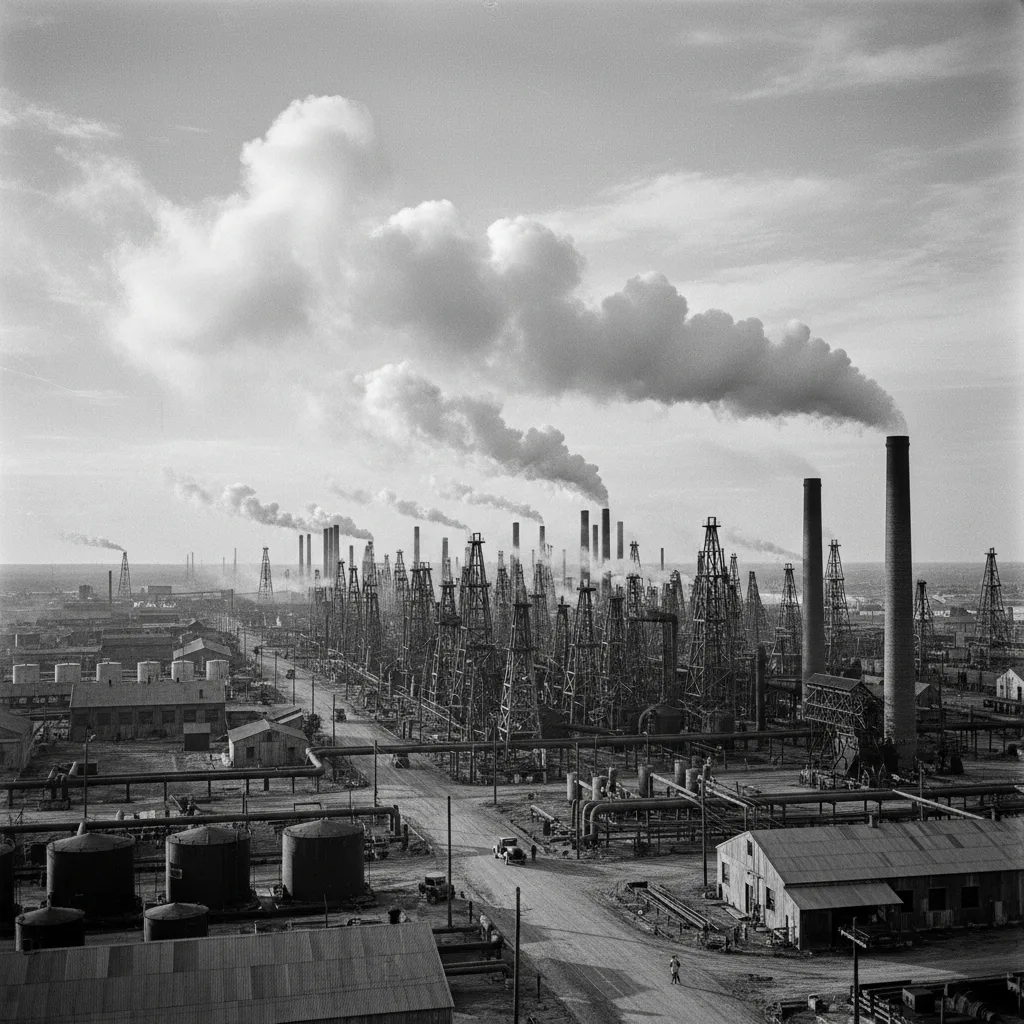
Houston’s genesis as an industrial powerhouse began not with a bang, but with a gush – the Spindletop oil strike in 1901. This single event, just south of the city, catalyzed a century of unprecedented growth, transforming a sleepy port town into the energy capital of the world. The Houston Ship Channel, dredged deeper and wider, became the arterial pathway for crude oil, refined products, and a dizzying array of chemicals. By the 1930s and 40s, a forest of derricks and smokestacks had sprung up, each one a testament to boundless economic opportunity. The air, however, began to tell a different story.
The city’s unique geography and meteorology proved to be a formidable accomplice to pollution. Nestled inland from the Gulf of Mexico, Houston frequently experiences high humidity and light winds, particularly during warm months. This combination is a perfect recipe for temperature inversions, where a layer of warm air traps cooler air (and pollutants) closer to the ground, preventing vertical mixing. Prevailing southerly winds often carried emissions from the Ship Channel directly over densely populated areas. Early residents, many drawn by the promise of jobs, often dismissed the pervasive odors – the sulfurous tang, the sweet chemical notes – as the “smell of money.” Yet, even then, the occasional eye irritation and respiratory complaints hinted at a deeper, unacknowledged cost. The initial decades saw little to no regulation; the focus was singularly on production, with environmental externalities largely ignored as the byproduct of progress.
The Sky Darkens: Smog, Science, and the Struggle for Cleaner Air in Houston
By the mid-20th century, the “smell of money” had evolved into the undeniable reality of smog. The brown haze, often thick enough to obscure the downtown skyline, became a frequent, unwelcome guest. Scientists began to understand the complex photochemistry at play: Volatile Organic Compounds (VOCs) and Nitrogen Oxides (NOx), emitted from industrial stacks and vehicle exhausts, reacted in the intense Texas sunlight to form ground-level ozone (O3) – a potent respiratory irritant. Houston quickly gained notoriety as one of the nation’s most polluted cities, particularly for ozone.
 The **1970s** marked a turning point. The burgeoning environmental movement, fueled by landmark events like the first Earth Day, brought national attention to air pollution. The passage of the **Clean Air Act in 1970** by the U.S. Congress, followed by significant amendments, provided the legal framework for addressing air quality. Suddenly, Houston's industrial giants and burgeoning automotive fleet faced federal mandates to reduce emissions. The **U.S. Environmental Protection Agency (EPA)** designated the Houston-Galveston-Brazoria (HGB) area as a **non-attainment zone** for ozone, a classification that persists to this day, signifying a continuous struggle to meet federal air quality standards. Early air monitoring efforts, though rudimentary by today's standards, began to quantify the problem, providing the first hard data to challenge the narrative that pollution was merely an unavoidable consequence of prosperity. The battle for cleaner air had officially begun, pitting economic imperatives against public health and environmental stewardship.
Navigating the Vortex: Extreme Weather, Chemical Spills, and Houston’s Vulnerability
The interplay between Houston weather air quality today is a complex and often perilous dance, particularly when extreme weather events strike. Houston’s position on the Gulf Coast makes it a perennial target for hurricanes and tropical storms, which, while seemingly cleansing, often trigger a cascade of environmental disasters. The sheer force of these storms can compromise industrial infrastructure, leading to accidental releases of hazardous chemicals.
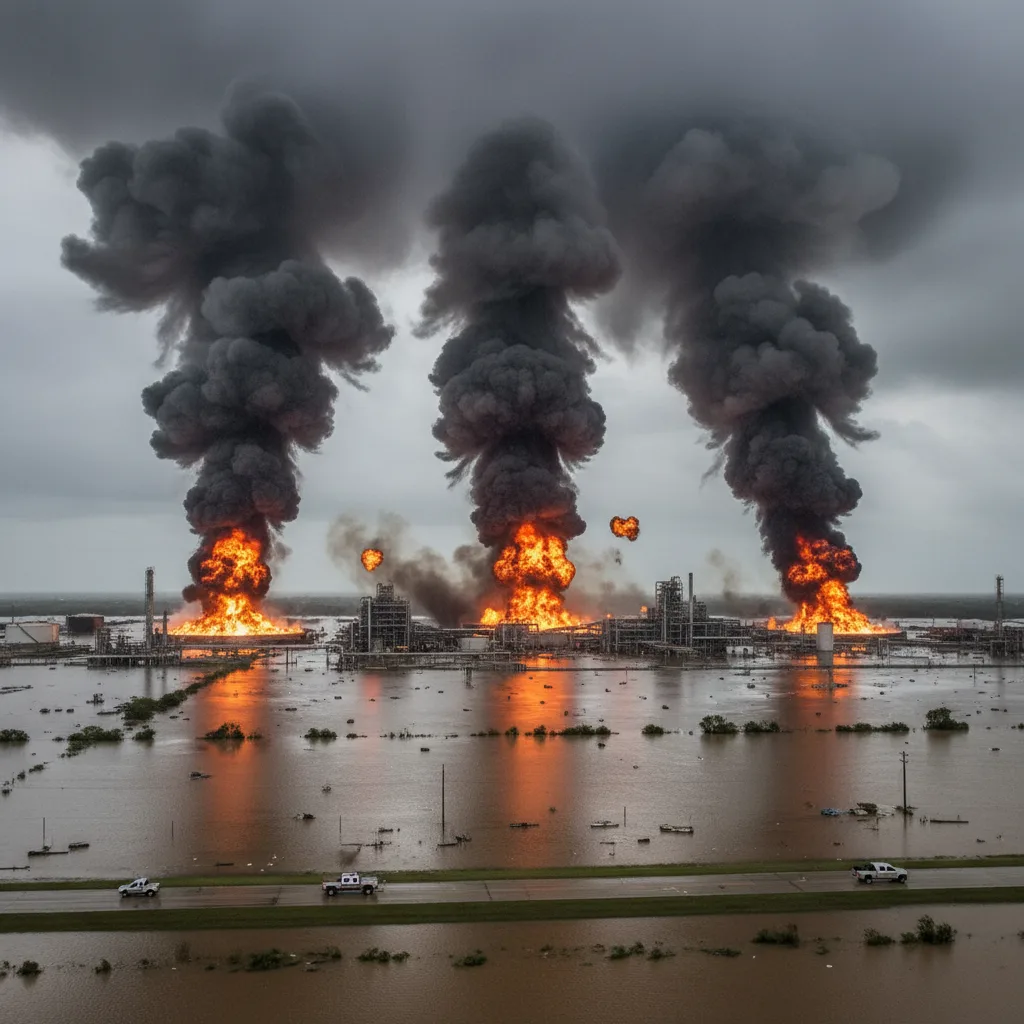
One of the most devastating examples occurred during Hurricane Harvey in August 2017. As record-shattering rainfall submerged vast swathes of the region, over 100 industrial facilities reported chemical releases, some due to power outages and others from direct structural damage. The Arkema chemical plant in Crosby, for instance, experienced multiple explosions and fires as its refrigeration systems failed, releasing highly flammable organic peroxides. Residents within a 1.5-mile radius were evacuated, breathing air thick with acrid smoke. “It was like a war zone,” described one local resident, recalling the burning smell and the uncertainty. Beyond immediate spills, widespread flooding inundated Superfund sites and countless smaller industrial facilities, mobilizing decades of accumulated pollutants into residential areas. The storm not only reshaped the physical landscape but also underscored Houston’s profound vulnerability, exposing the critical nexus between climate change, industrial density, and public health. Droughts, conversely, exacerbate wildfire risks, releasing particulate matter and other pollutants, while prolonged heatwaves intensify the chemical reactions that form ground-level ozone, trapping it in stagnant air.
The Data Deluge and Community Action: Understanding Houston Weather Air Quality Today
Today, the understanding of Houston weather air quality is far more sophisticated, driven by a robust network of monitoring and a heightened sense of public awareness. The Texas Commission on Environmental Quality (TCEQ) operates a comprehensive system of air quality monitors across the HGB area, providing real-time data on key pollutants. This information, alongside federal EPA data and an increasing number of community-operated sensors, is readily accessible to the public via platforms like AirNow and various local apps.
 The primary pollutants of concern remain **ground-level ozone (O3)**, a respiratory irritant formed from VOCs and NOx, and **particulate matter (PM2.5 and PM10)**, microscopic particles that can penetrate deep into the lungs and bloodstream. Other significant pollutants include **sulfur dioxide (SO2)**, **carbon monoxide (CO)**, and a host of **toxic air contaminants (TACs)** like benzene and butadiene, many linked to the petrochemical industry. Sources are diverse, ranging from vehicle emissions and power plants to the vast array of industrial facilities lining the Ship Channel. This data deluge has empowered a new generation of **community activists** and **environmental justice advocates**. Organizations like **Air Alliance Houston** and the **Environmental Defense Fund** use this granular data to pinpoint pollution hotspots, advocate for stricter regulations, and hold polluters accountable. Their efforts, often involving direct engagement with affected communities, have pushed for greater transparency and targeted interventions, moving beyond broad policy to address localized impacts. The story of Houston's air quality is increasingly one of data-driven advocacy meeting industrial innovation, as companies invest in technologies to reduce emissions, albeit often under regulatory pressure.
A Future on the Horizon: Resilience, Innovation, and the Evolving Climate of Houston
As Houston gazes toward the future, the challenges to its air quality are evolving, shaped by both legacy issues and the undeniable specter of climate change. Projections indicate that the Gulf Coast will experience more frequent and intense heatwaves, exacerbated by the urban heat island effect, further intensifying ozone formation. Sea level rise and more powerful storms threaten to destabilize coastal infrastructure, increasing the risk of future industrial incidents. The sheer scale of the petrochemical complex, while an economic engine, represents a persistent environmental liability.
 Yet, Houston is also a city of innovation and resilience. The ongoing narrative of **Houston weather air quality today** is increasingly defined by efforts to mitigate these risks. There is growing interest in **carbon capture, utilization, and storage (CCUS)** technologies, with several projects underway or proposed in the region, aiming to reduce industrial CO2 emissions. Renewable energy sources, particularly solar and wind, are slowly gaining traction, diversifying the energy grid. Sustainable urban planning initiatives are seeking to reduce vehicle miles traveled and improve green infrastructure. Policy shifts, from enhanced state-level monitoring and enforcement by the TCEQ to federal initiatives aimed at reducing greenhouse gases, are all part of the evolving response. The enduring question remains how effectively Houston can balance its identity as an industrial titan with its aspiration for a cleaner, healthier future. The decisions made today—by industry, by government, and by its citizens—will irrevocably shape the air its next generations breathe.
FAQ Section
Q1: What are the primary pollutants affecting Houston’s air quality? A1: Houston’s air quality is primarily impacted by ground-level ozone (O3), formed from Volatile Organic Compounds (VOCs) and Nitrogen Oxides (NOx) reacting in sunlight, and particulate matter (PM2.5 and PM10). Other significant pollutants include sulfur dioxide (SO2), carbon monoxide (CO), and various toxic air contaminants (TACs) like benzene.
Q2: How does Houston’s weather impact its air quality? A2: Houston’s hot, humid climate and frequent temperature inversions trap pollutants near the ground, especially during summer, exacerbating ozone formation. Additionally, hurricanes and tropical storms can cause chemical releases from industrial facilities, while heatwaves intensify ozone production and droughts increase wildfire-related particulate matter.
Q3: What resources are available to check Houston’s air quality today? A3: Residents can access real-time air quality data from the Texas Commission on Environmental Quality (TCEQ), the U.S. Environmental Protection Agency (EPA) via its AirNow platform (AirNow.gov), and various local community monitoring networks. Many smartphone apps also aggregate this data.
Q4: What efforts are being made to improve air quality in Houston? A4: Efforts include stricter emissions regulations for industrial facilities and vehicles, enhanced air quality monitoring, community advocacy by groups like Air Alliance Houston, and the exploration of new technologies such as carbon capture, utilization, and storage (CCUS). Local governments are also promoting sustainable urban planning and renewable energy initiatives.
Houston’s journey through the intertwined narratives of weather, industry, and air quality is a testament to both human ingenuity and its unintended consequences. From the “smell of money” to the tangible threats of smog and chemical releases, the city has navigated a complex path. Today, armed with advanced data and fueled by community action, Houston stands at a critical juncture, striving to reconcile its industrial legacy with an urgent imperative for a breathable, sustainable future. The air, once merely a medium for progress, has become a measure of its responsibility.
You might also like:
👉 Houston Rodeo: Unveiling Its Economic Power & Political Influence
👉 Excessive Heat Warning at Night: A Silent Midnight Menace
👉 Austin TX Sustainable Living: Your Essential Eco-Friendly Guide