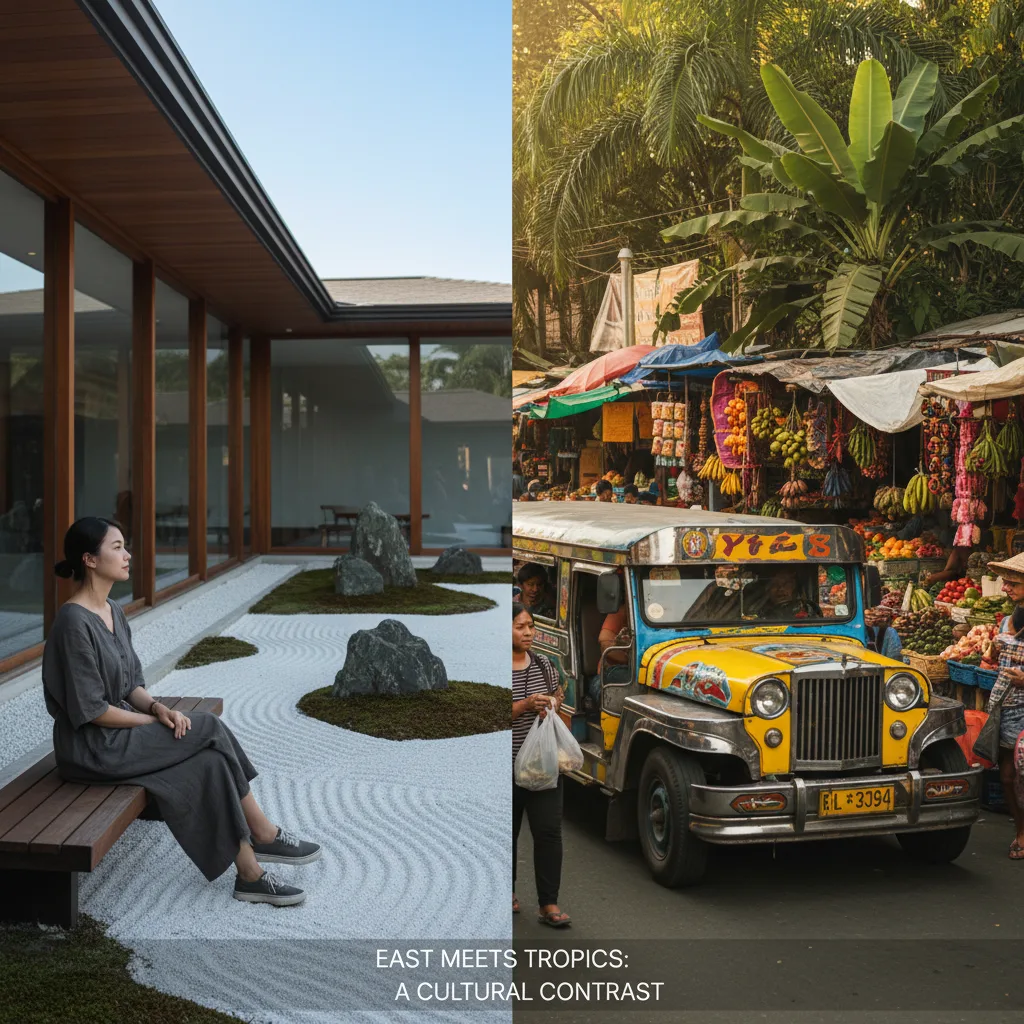
Japan vs Philippines: Economic & Societal Development Gap
Explore the vast economic and societal differences between Japan and the Philippines. Uncover the factors behind their divergent development paths, from GDP to cultural nuances.
Beyond the Archipelagos: Decoding the Economic and Societal Divergence Between Japan and Philippines
Consider two island nations in Asia, both profoundly shaped by their geography and historical trajectories, yet separated by a chasm of development. In 2023, the International Monetary Fund reported Japan’s nominal Gross Domestic Product (GDP) per capita at approximately $42,440, while the Philippines registered around $3,620. This striking tenfold difference isn’t merely an economic metric; it’s a profound indicator of divergent societal structures, infrastructure capabilities, and everyday realities. To truly understand the difference between Japan and Philippines, one must look beyond shared regional proximity and delve into the data that defines their distinct paths.
Economic Disparity and Development Trajectories
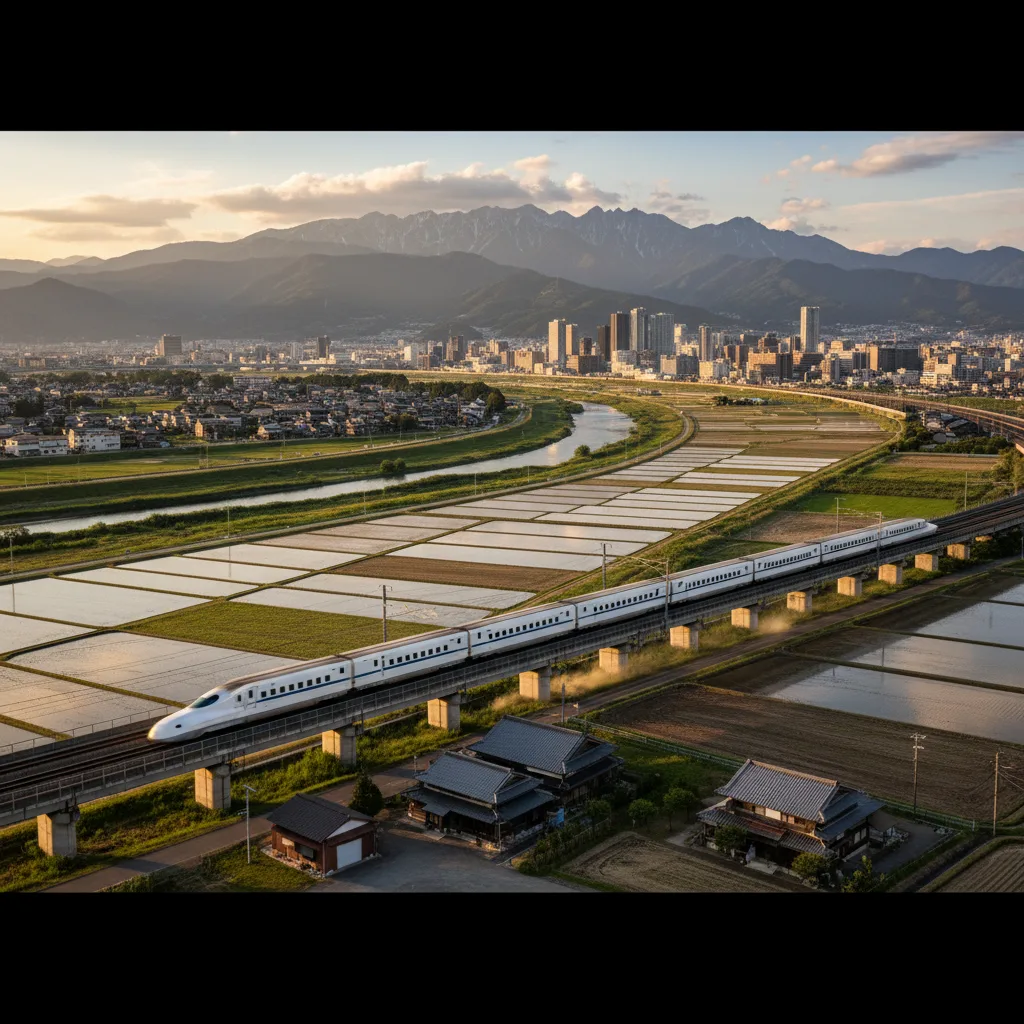
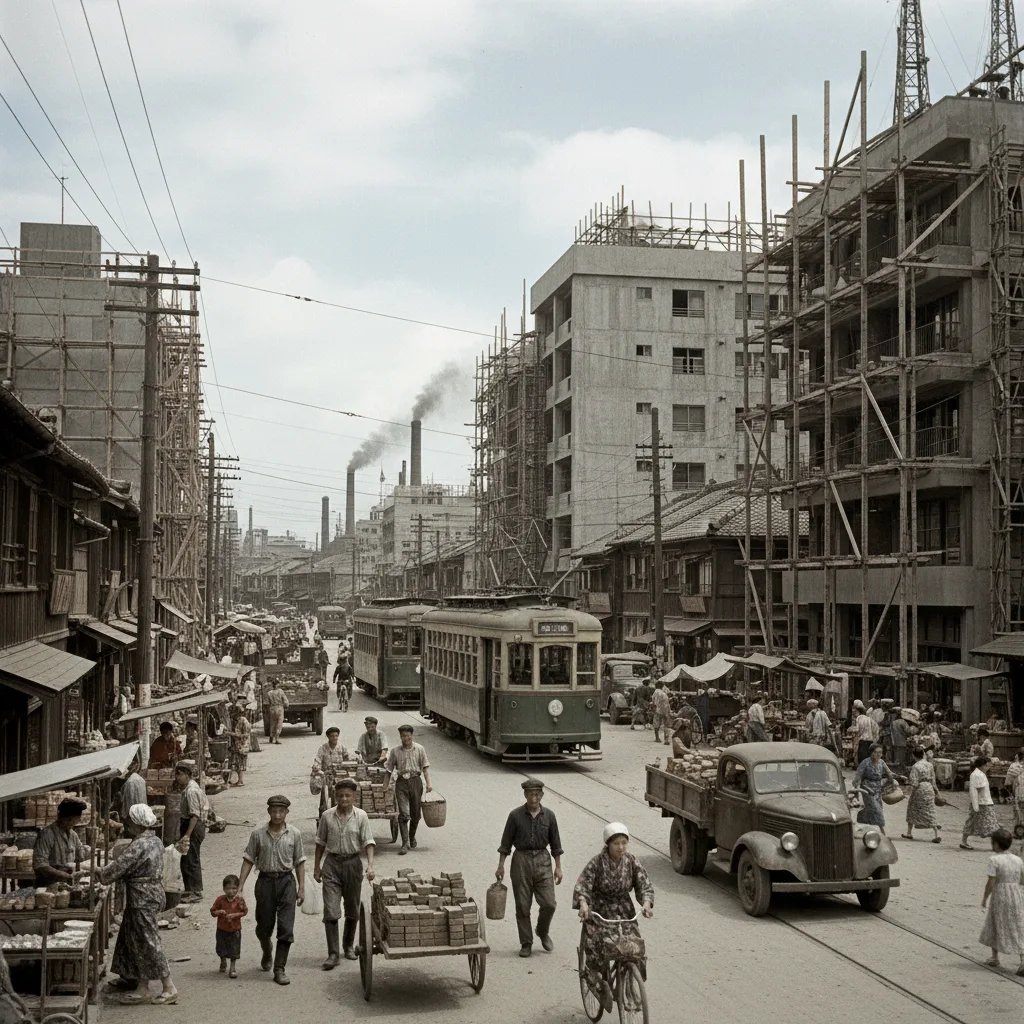
The stark economic difference between Japan and Philippines is arguably the most visible and foundational divergence. Japan, rising from the ashes of World War II, engineered an economic miracle, rapidly transforming into a global industrial and technological powerhouse. Its post-war reconstruction, fueled by strategic government policies, high savings rates, and a dedicated workforce, propelled its GDP growth to an average of 9.2% annually between 1955 and 1973. By the 1980s, Japan had become the world’s second-largest economy, dominating sectors from automotive manufacturing (e.g., Toyota, Honda) to consumer electronics (e.g., Sony, Panasonic).
The Philippines, conversely, experienced a more uneven and protracted development journey. While rich in natural resources and human capital, political instability, corruption, and an over-reliance on agriculture and remittances have historically hampered sustained industrialization. In 2022, agriculture still accounted for 9.5% of its GDP and employed 23.8% of its labor force, according to the Philippine Statistics Authority. While the Philippines has seen periods of robust growth, particularly in recent decades driven by its burgeoning Business Process Outsourcing (BPO) sector and remittances from Overseas Filipino Workers (OFWs), its economic base remains significantly less diversified and technologically advanced than Japan’s. The average Japanese citizen, therefore, commands purchasing power far exceeding their Filipino counterpart, impacting everything from housing quality to access to healthcare and education.
Demographics and Population Dynamics
The demographic profiles of Japan and the Philippines present a fascinating study in contrasts, directly influencing their future economic and social landscapes. Japan grapples with one of the world’s most rapidly aging populations and declining birth rates. In 2023, the median age in Japan was approximately 48.4 years, one of the highest globally, with over 29% of its population aged 65 or older, as reported by the Japan Ministry of Health, Labour and Welfare. This demographic shift creates immense pressure on social security systems, healthcare, and labor markets, leading to a shrinking workforce and increasing dependency ratios. The population has been in decline since 2010, with projections indicating a drop from 125 million to under 100 million by 2050.
In stark contrast, the Philippines boasts a remarkably young and growing population. With a median age of approximately 25.7 years in 2023, and a birth rate of around 2.1 births per woman, the country possesses a significant demographic dividend—a large working-age population with the potential to drive economic growth. The Philippine Statistics Authority recorded a population of 115.5 million in 2022, with a growth rate of 1.6% annually. While this youth bulge offers immense potential, it also poses challenges in terms of job creation, education, and social services. The difference between Japan and Philippines in this demographic aspect dictates entirely different policy priorities, from managing labor shortages and elder care in Japan to addressing youth unemployment and educational access in the Philippines.
Urbanization and Infrastructure Development
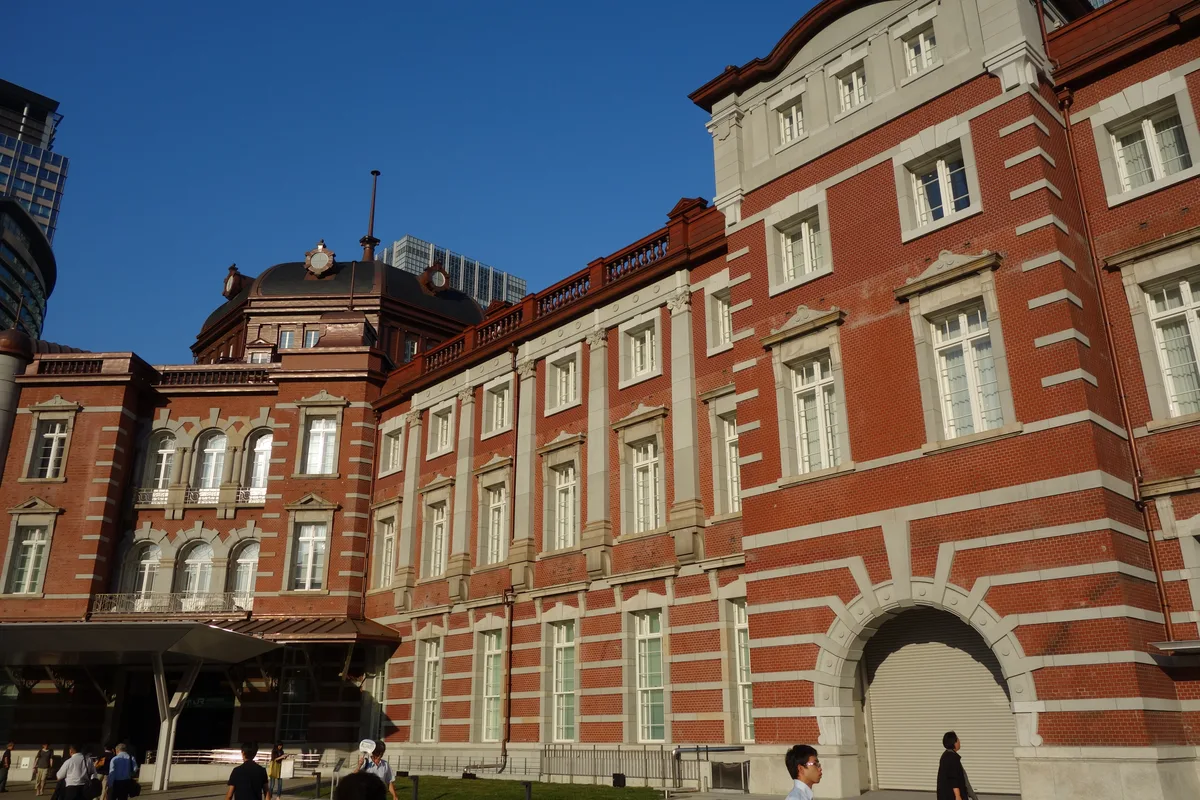 The visible difference between Japan and Philippines is perhaps most striking in their urban landscapes and infrastructure. Japan's infrastructure is a testament to meticulous planning, advanced engineering, and sustained investment. Its high-speed rail network, the Shinkansen, inaugurated in 1964, spans over **2,765 kilometers** (as of 2020), connecting major cities with punctuality measured in seconds. Japanese cities boast world-class public transportation systems, efficient utilities, and resilient building codes designed to withstand frequent seismic activity. The World Economic Forum's Global Competitiveness Report consistently ranks Japan among the top nations for infrastructure quality.
The Philippines, while making strides, faces significant infrastructure deficits, particularly in its sprawling urban centers like Metro Manila. Traffic congestion is legendary, costing the economy an estimated ₱3.5 billion ($70 million) daily in lost productivity in 2017, according to the Japan International Cooperation Agency (JICA). Public transportation, while extensive, often struggles with capacity and maintenance issues. While major infrastructure projects are underway under initiatives like “Build, Build, Build,” the sheer scale of investment required to match Japan’s level of development is immense. For instance, the total length of operational urban rail transit in Metro Manila is approximately 78 kilometers, a fraction of Tokyo’s vast network. This disparity profoundly impacts business efficiency, quality of life, and environmental sustainability.
Cultural Fabric and Societal Values
Culturally, Japan and the Philippines represent distinct philosophies shaped by different historical trajectories and belief systems. Japanese society is often characterized by a strong emphasis on collectivism (shudan-shugi), harmony (wa), respect for hierarchy, and a deep sense of duty. Concepts like giri (social obligation) and haji (shame) play significant roles in regulating social behavior. This is reflected in its low Power Distance Index (PDI) score of 54 and an Individualism score of 46 on Hofstede Insights, indicating a moderately hierarchical but group-oriented society. Punctuality, precision, and adherence to rules are highly valued, contributing to Japan’s reputation for efficiency and order.
The Philippines, conversely, exhibits a cultural fabric woven with strong familial ties, community spirit (bayanihan), and a more relaxed approach to time (Filipino time). Its colonial history under Spain and the United States has also introduced elements of Catholicism and Western individualism. Hofstede Insights places the Philippines with a high PDI score of 94, reflecting a strong acceptance of hierarchical structures, and a relatively low Individualism score of 32, underscoring its collectivist, family-centric nature. Personal relationships (pakikisama) and saving face are paramount. While both cultures value respect, the manifestations differ significantly, with Japan prioritizing group cohesion and institutional order, and the Philippines emphasizing interpersonal harmony and kinship networks.
Governance and Political Stability
The effectiveness and stability of governance also highlight a significant difference between Japan and Philippines. Japan operates as a constitutional monarchy with a parliamentary democracy, characterized by a highly efficient bureaucracy, robust rule of law, and a strong commitment to transparency. The Transparency International’s Corruption Perception Index (CPI) consistently ranks Japan among the least corrupt nations globally, placing it at 16th out of 180 countries in 2023 with a score of 73. This stable political environment and predictable regulatory framework have been crucial catalysts for sustained economic growth and foreign investment.
The Philippines, a presidential republic, has historically grappled with issues of political instability, corruption, and weak institutions. While democratic processes are in place, challenges such as patronage politics, electoral irregularities, and judicial inefficiencies persist. In the 2023 CPI, the Philippines ranked 115th out of 180 countries with a score of 34, indicating significant perceived corruption. These governance challenges can deter foreign direct investment, hinder infrastructure development, and erode public trust. The World Bank’s Worldwide Governance Indicators consistently rate Japan higher across all dimensions, including Government Effectiveness, Rule of Law, and Control of Corruption, underscoring a fundamental institutional divergence.
Education and Human Capital Development
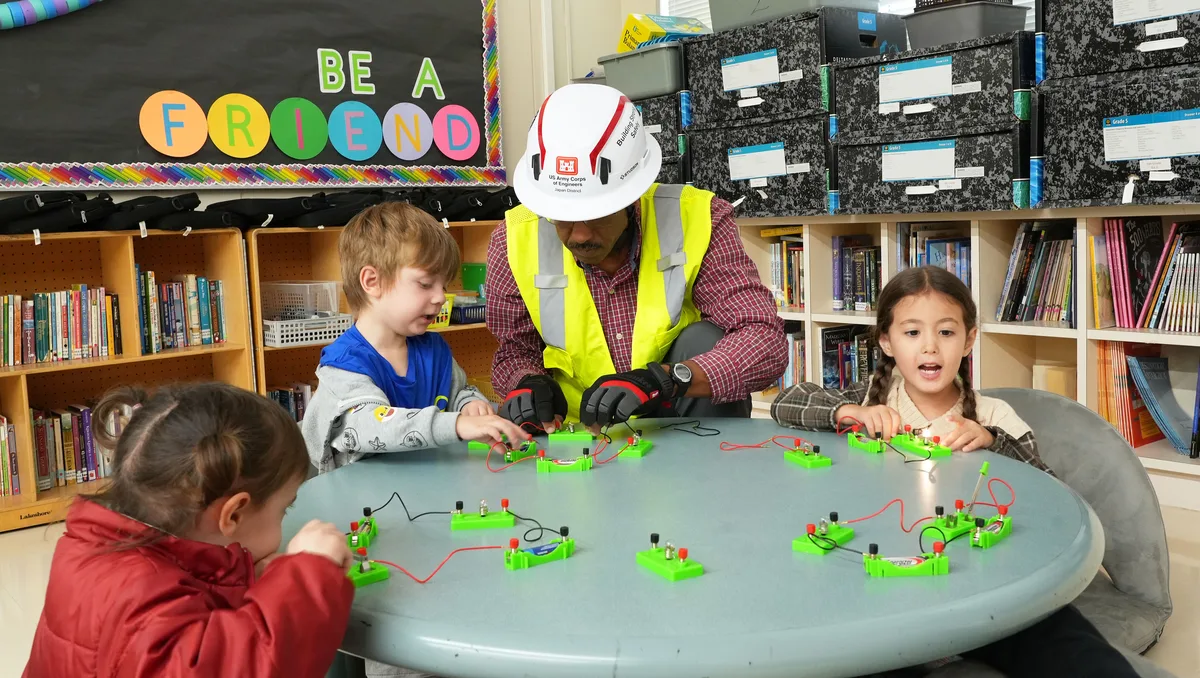 Investment in human capital is a key differentiator in national development, and here too, Japan and the Philippines diverge significantly. Japan's education system is renowned globally for its rigor, high academic standards, and focus on discipline and critical thinking. It consistently ranks high in international assessments like the Programme for International Student Assessment (PISA) administered by the OECD. In the 2022 PISA results, Japanese students ranked **2nd in Mathematics, 2nd in Reading, and 2nd in Science** among participating countries. The nation also invests heavily in research and development (R&D), with R&D expenditure as a percentage of GDP consistently above **3.3%** in recent years, one of the highest globally. This commitment fuels innovation and a highly skilled workforce.
The Philippines, while achieving high literacy rates (around 96.8% for adults aged 15-24 in 2022, UNESCO), faces challenges in the quality and accessibility of its education system, particularly in public schools. Performance in international assessments lags behind, with Filipino students ranking among the lowest in the 2022 PISA, scoring 77th in Mathematics, 76th in Reading, and 79th in Science. Public spending on education, while increasing, remains lower than developed nations. R&D expenditure in the Philippines was a mere 0.16% of GDP in 2021, according to the World Bank. This significant gap in educational outcomes and R&D investment translates directly into differences in labor productivity, technological advancement, and long-term economic competitiveness.
Disaster Preparedness and Resilience
Both Japan and the Philippines are situated in the “Pacific Ring of Fire” and are highly susceptible to natural disasters, yet their approaches and capacities for preparedness and resilience vary dramatically. Japan experiences approximately 1,500 earthquakes annually and is regularly hit by typhoons and tsunamis. However, its sophisticated early warning systems, stringent building codes (e.g., the 1981 New Earthquake Resistance Standard), and extensive public education campaigns have significantly mitigated casualties and damages. For instance, the Japan Meteorological Agency’s earthquake early warning system provides precious seconds of notice, and its tsunami barriers and evacuation protocols are world-class. The 2011 Great East Japan Earthquake and Tsunami, while devastating, demonstrated the efficacy of its infrastructure and preparedness, with many structures designed to absorb seismic shocks.
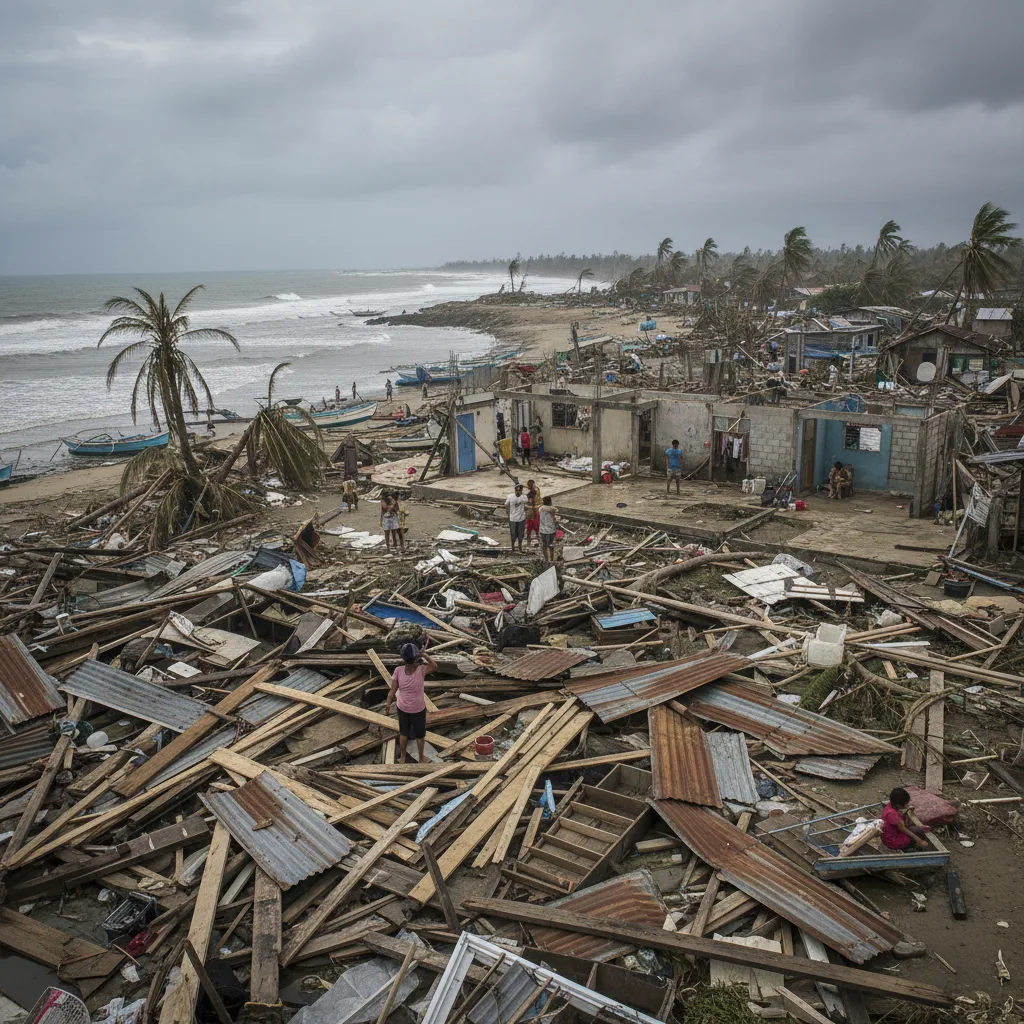
The Philippines, facing an average of 20 typhoons annually and frequent earthquakes, remains significantly more vulnerable. Despite the resilience of its people, limited resources, weaker infrastructure, and challenges in implementing and enforcing building codes often exacerbate the impact of natural calamities. Catastrophes like Typhoon Haiyan (Yolanda) in 2013, which claimed over 6,300 lives and caused $4.55 billion in damages, underscore the critical need for improved disaster risk reduction strategies. The Global Risk Index consistently ranks the Philippines among the countries with the highest disaster risk, while Japan, despite its high exposure, manages to mitigate its risk significantly due to proactive measures. This difference between Japan and Philippines in disaster resilience directly impacts human security and economic stability.
Global Footprint and Soft Power
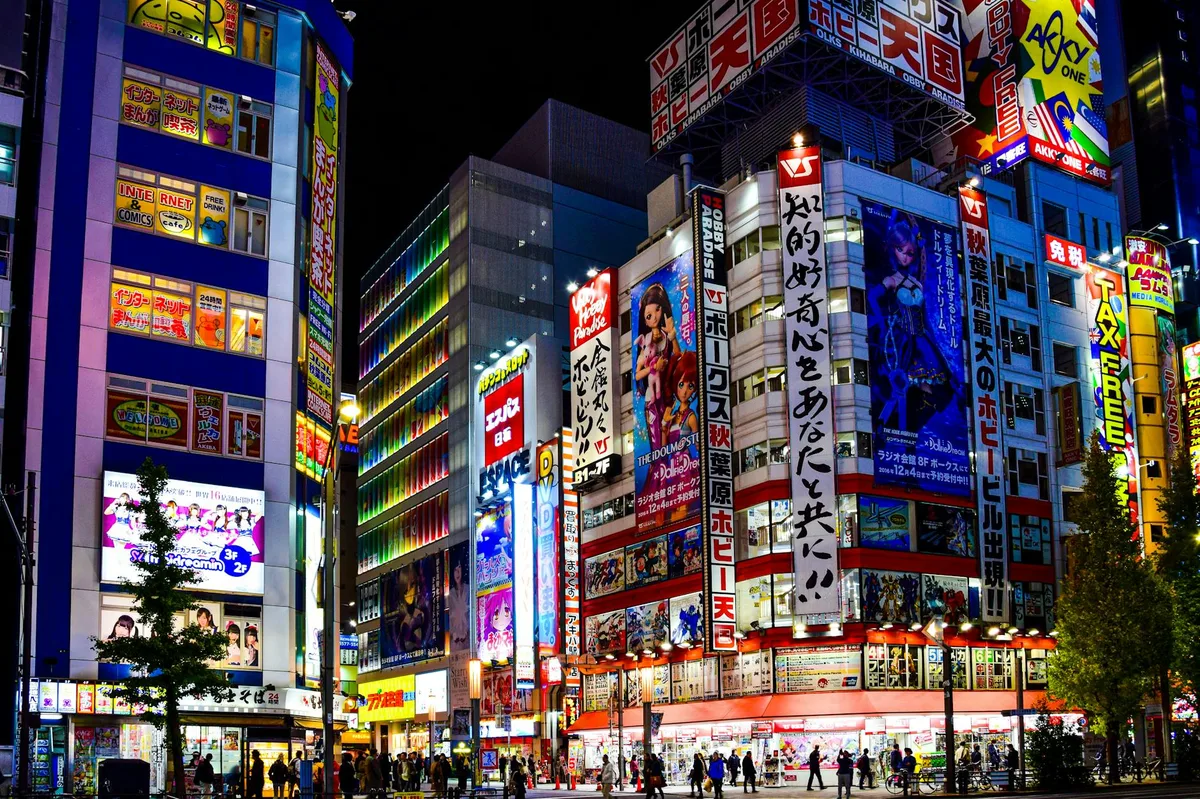 The global influence and soft power exerted by Japan and the Philippines also reflect their divergent development paths. Japan, as the world's third-largest economy, is a significant player in international diplomacy, trade, and development assistance. Its cultural exports, from anime and manga to sushi and traditional arts, enjoy immense global popularity, contributing to a strong national brand. Japan is also a major donor of Official Development Assistance (ODA), disbursing approximately **$18.6 billion** in 2022, according to the OECD, supporting development projects worldwide, including in the Philippines. Its technological prowess and precision engineering are globally recognized, making "Made in Japan" a hallmark of quality.
The Philippines, while possessing a vibrant culture and a globally dispersed diaspora, has a more limited global footprint in terms of economic and political influence. Its soft power often stems from its people—the warmth of Filipino hospitality, the global contributions of OFWs, and its rich cultural heritage. However, its economic output and technological innovation do not yet command the same international recognition as Japan’s. While the Philippines is an active participant in regional blocs like ASEAN, it largely remains a recipient of ODA rather than a major donor. In 2022, the Philippines received approximately $3.3 billion in ODA. The difference between Japan and Philippines in this domain underscores their respective positions within the global hierarchy, with Japan as a leading innovator and economic power, and the Philippines as a rapidly developing nation with growing regional importance.
Frequently Asked Questions (FAQ)
Q1: What is the primary historical factor contributing to the economic difference between Japan and Philippines? A1: Japan’s rapid post-World War II industrialization and strategic focus on export-led growth, coupled with strong governance, allowed it to rebuild and innovate quickly. The Philippines, conversely, experienced prolonged colonial rule, post-independence political instability, and an economy historically reliant on agriculture and raw material exports, hindering its industrial diversification and sustained growth.
Q2: How do their environmental challenges compare, given both are island nations? A2: Both nations face significant natural disaster risks from earthquakes, typhoons, and tsunamis. However, Japan’s extensive investment in advanced early warning systems, resilient infrastructure (e.g., seismic building codes), and comprehensive disaster preparedness plans have drastically reduced human and economic impact. The Philippines, despite being highly exposed, struggles with limited resources and less robust infrastructure, leading to greater vulnerability and higher casualties during similar events.
Q3: Is there significant migration between Japan and the Philippines? A3: Yes, there is a notable presence of Filipinos in Japan, primarily as workers in healthcare, entertainment, and manufacturing, and also as spouses of Japanese nationals. In 2022, there were over 290,000 Filipinos residing in Japan. Conversely, a smaller but growing number of Japanese expatriates and retirees reside in the Philippines, drawn by the lower cost of living and warm climate.
Q4: What are the key differences in their technological landscapes? A4: Japan is a global leader in high-tech manufacturing, robotics, advanced materials, and consumer electronics, with significant R&D investment. Its cities are highly digitized, and smart infrastructure is pervasive. The Philippines, while having a digitally savvy population and a thriving BPO sector, has a less developed domestic technology manufacturing base and lower R&D spending. Its technological landscape is more consumer-driven and reliant on imported innovations.
The data speaks volumes. The difference between Japan and Philippines is not merely geographical proximity versus economic output; it’s a testament to divergent historical trajectories, policy choices, cultural priorities, and resource allocations. From economic might and demographic shifts to infrastructure and governance, the two nations offer a compelling case study of distinct developmental paths in the 21st century. While both are vibrant societies with unique strengths, their current realities are shaped by vastly different foundations, presenting ongoing lessons in national development.
You might also like:
👉 Emerging vs. Developing Economies: Understanding Global Distinctions
👉 Cultural Differences: Asia vs Europe in Economy, AI & Geopolitics
👉 Ancient Asian Trade Routes: Shaping History & Global Economy