
Ken Paxton's Texas AG Office: The Internal Turmoil Nobody Saw
Attorney General Ken Paxton's office, often seen battling federal agencies, is revealed to be fighting itself internally.
The Unseen Battles Within Texas’s Top Legal Office
Here’s something that doesn’t add up about the Texas Attorney General’s office. For years, I’d seen Attorney General Ken Paxton in the news. He was always battling federal agencies. He often advocated for conservative causes. I pictured a powerful, unified legal machine, focused outward. Then I started digging into its internal affairs. What I found was a startling picture of turmoil and division. It revealed an office fighting itself, not just its external opponents.
My research journey began with news articles. These reports hinted at deep internal conflicts. I expected political disagreements. Instead, I uncovered serious allegations of misconduct. These allegations came from high-ranking staff members. It completely changed my view of the Office of the Attorney General (OAG).
Texas’s Chief Legal Body and Its Unexpected Internal Strife
The Office of the Attorney General (OAG) in Texas is a powerful entity. It serves as the state’s chief legal agency. The OAG represents Texas in all civil litigation. It also provides legal advice to state agencies. Additionally, it enforces consumer protection laws. The office handles a massive child support collection program.
Ken Paxton, a Republican, has led this office since January 2015. He won his first election in November 2014. His tenure has been marked by high-profile legal fights. He has also faced significant personal legal challenges. These challenges include a lingering 2015 securities fraud indictment. Paxton has maintained his innocence in that case.
My initial surprise came from the sheer number of internal accusations. In October 2020, eight senior OAG officials reported Paxton to the FBI. These officials were high-ranking deputies. They included First Assistant Attorney General Jeff Mateer. They also included Deputy Attorneys General for Criminal Justice, Civil Litigation, and General Counsel. This wasn’t a disgruntled former employee. This was a significant portion of his leadership team.
These eight individuals alleged bribery and abuse of official capacity. Their claims centered on Paxton’s alleged relationship with Nate Paul. Paul is an Austin real estate investor. The whistleblowers claimed Paxton used his office to benefit Paul. This completely changed my perception of the office’s stability. I found myself questioning how an office could function effectively under such conditions.
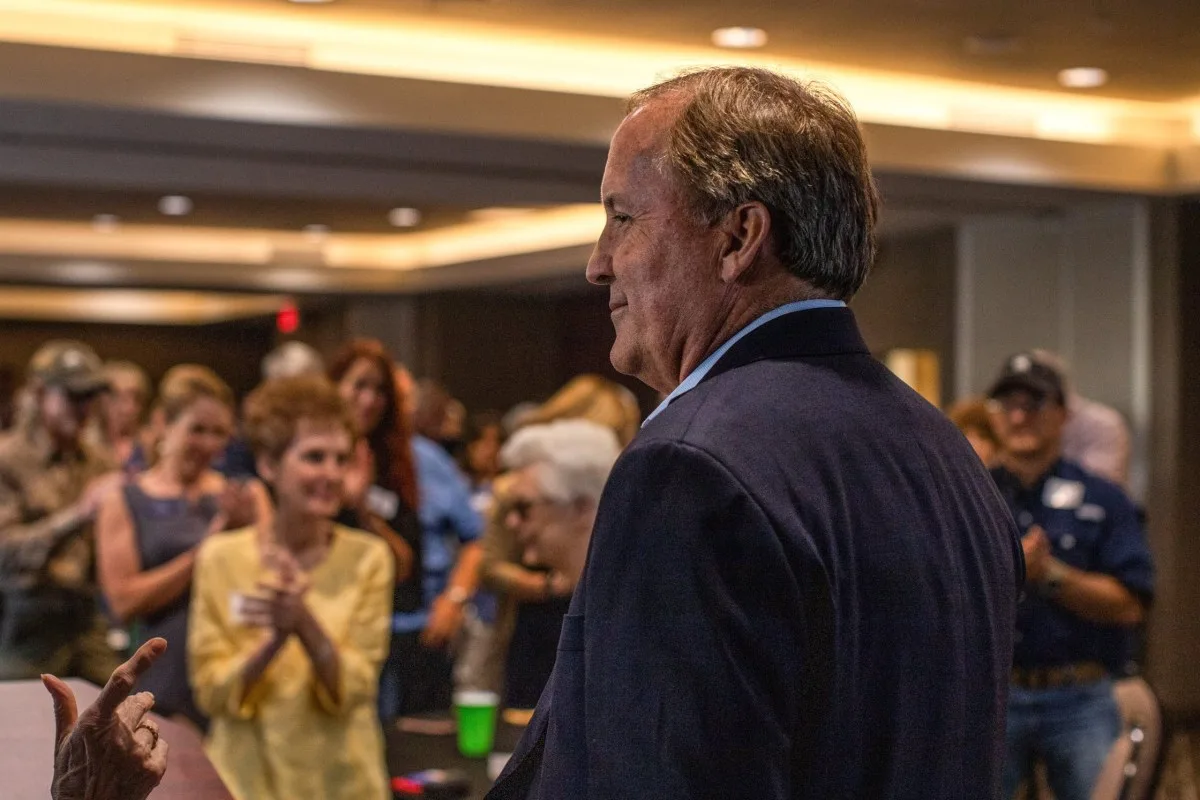
Ken Paxton has led the Texas Attorney General's office since January 2015, a tenure marked by high-profile legal fights and significant personal legal challenges, including a lingering 2015 securities fraud indictment. (Source: texastribune.org)
The whistleblowers detailed specific actions. They claimed Paxton intervened in legal cases to favor Paul. They also alleged he provided Paul with OAG legal opinions. These actions, they asserted, were outside normal procedure. They raised concerns about potential criminal conduct. Their report triggered an FBI investigation.
The OAG faced immediate consequences. Several of these whistleblowers were fired or resigned. This created leadership vacancies. It also led to a significant loss of institutional knowledge. The office was losing experienced lawyers. This raised questions about its ability to perform its core functions.
The Impeachment Saga and Its Aftermath
The whistleblower allegations did not fade. They led to a lawsuit against Paxton. The eight former employees sued under the Texas Whistleblower Act. They sought reinstatement and damages. A court-ordered mediation resulted in a proposed $3.3 million settlement. This amount was to cover their legal fees and lost wages. Paxton initially agreed to the settlement.
The Texas Legislature needed to approve this settlement. The Texas House General Investigating Committee began reviewing the matter. Committee members, including Chairman Andrew Murr, questioned the cost. They questioned why Texas taxpayers should fund Paxton’s legal defense. This was a personal legal matter. Their investigation expanded beyond the settlement.
The committee uncovered more evidence. This evidence supported the whistleblowers’ claims. It also revealed new allegations of misconduct. These included Paxton allegedly firing employees who raised concerns. They also included alleged obstruction of justice. The committee worked secretly for months.
On May 23, 2023, the committee publicly recommended impeachment. They presented 20 articles of impeachment against Paxton. These articles encompassed abuse of public trust and bribery. They cited obstruction of justice and disregard of official duty. The committee stated Paxton had engaged in “misconduct, incompetency, and neglect of duty.”
Two days later, on May 27, 2023, the Texas House of Representatives voted. They impeached Ken Paxton by a vote of 121-23. This was a bipartisan vote. It sent the case to the Texas Senate for a trial. This marked only the third time in Texas history a statewide official faced impeachment. It was a truly historic moment.
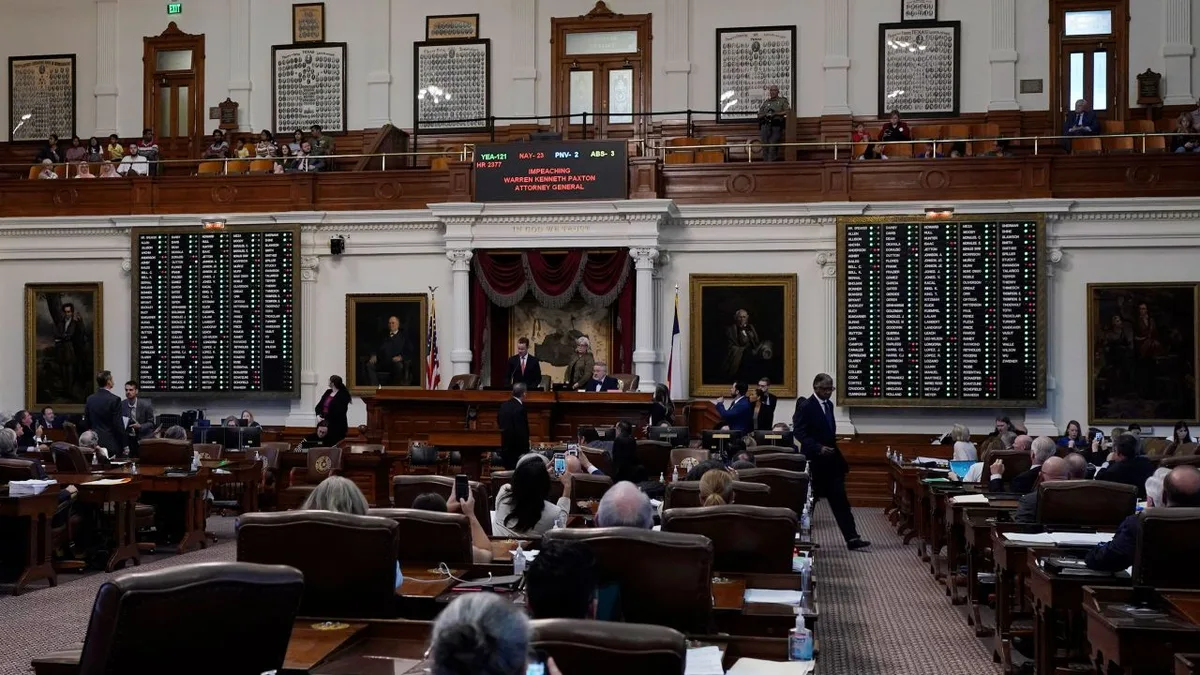
The Texas House of Representatives chamber in Austin, where members voted 121-23 to impeach Attorney General Ken Paxton on May 27, 2023, marking only the third time in Texas history a statewide official faced impeachment. (Source: cnn.com)
The impeachment trial began in the Texas Senate on September 5, 2023. Lieutenant Governor Dan Patrick presided over the trial. Paxton was temporarily suspended from his duties. His wife, Angela Paxton, serves as a state senator. She was present for the trial. She did not vote on the articles.
House impeachment managers presented their case. They called several whistleblowers to testify. They detailed Paxton’s alleged actions to benefit Nate Paul. They showed how OAG resources were allegedly misused. Michael Gerhardt, a constitutional law expert, testified for the House. He explained the legal grounds for impeachment.
Paxton’s defense team argued the allegations lacked sufficient proof. They claimed the whistleblowers were mistaken or politically motivated. They argued that the House impeachment was rushed. They pointed out that many allegations were already under federal investigation. They suggested the Senate should not prejudge these matters.
On September 16, 2023, the Senate voted on the articles of impeachment. They acquitted Paxton on all 16 articles presented for a vote. Each article failed to reach the two-thirds majority needed for conviction. The final votes ranged from 14-16 to 16-14 against conviction. This outcome restored Paxton to his position as Attorney General.
The Senate’s decision surprised many observers. The House had presented a strong case. The public testimony from the whistleblowers was compelling. Yet, the Senate chose to acquit. This outcome highlighted the deep political divisions within Texas. It also showed the challenges of holding elected officials accountable.
The Lingering Questions and Costs
The acquittal did not resolve all the issues. The federal investigation into Paxton’s alleged misconduct continues. The FBI has been investigating since 2020. A grand jury has reportedly heard testimony. The outcome of this federal probe remains uncertain. A federal indictment could still emerge.
The whistleblower lawsuit is also ongoing. The proposed $3.3 million settlement is now off the table. Paxton’s office continues to fight the former employees in court. This legal battle racks up significant legal fees. These costs are likely borne by Texas taxpayers. The Texas Tribune reported in October 2023 that legal costs continue to mount.
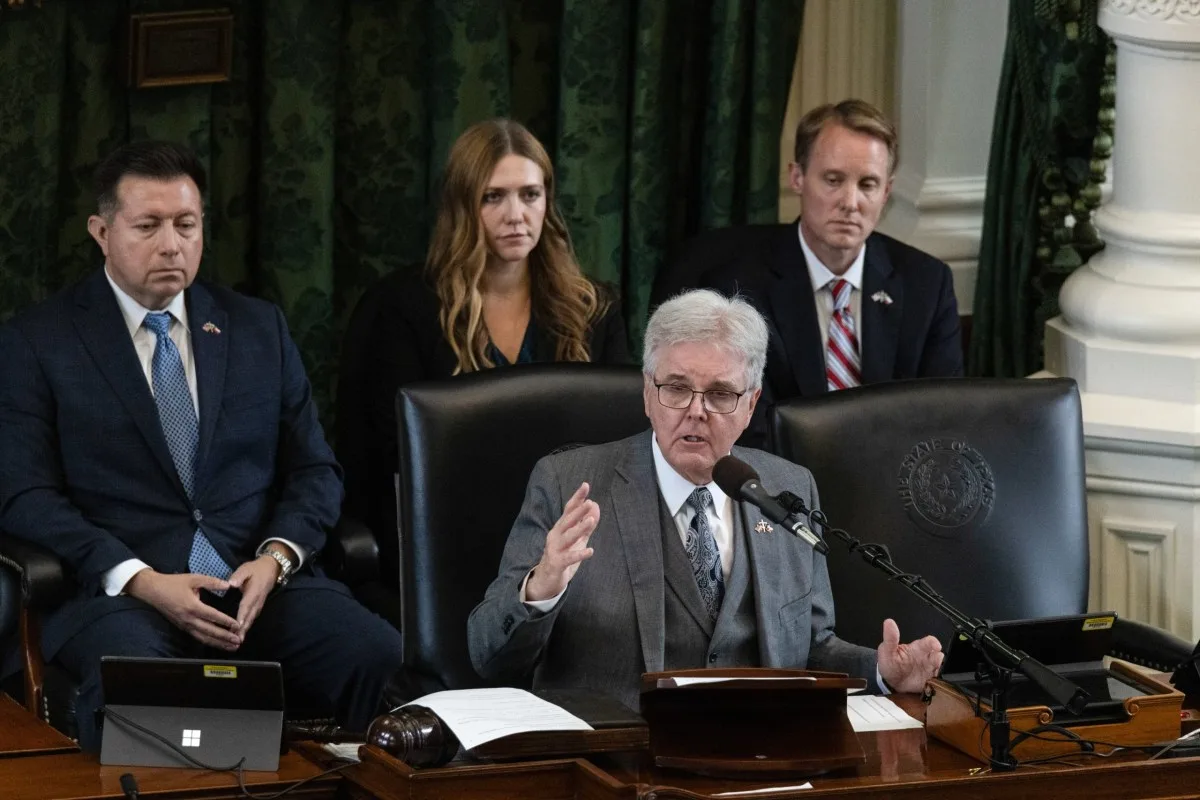
Lieutenant Governor Dan Patrick presided over the impeachment trial of Attorney General Ken Paxton in the Texas Senate, overseeing the proceedings and the final votes. His role as the presiding officer was central to the historic event. (Source: texastribune.org)
The internal operations of the OAG still face scrutiny. The office experienced high staff turnover during these years. Many experienced attorneys left. This exodus could affect the OAG’s effectiveness. It could slow down its legal work. It could also diminish its institutional memory.
Public trust in the OAG has also suffered. A September 2023 poll by the Texas Politics Project showed declining trust. Many Texans expressed concern about the allegations. This erosion of trust makes the office’s work harder. It makes citizens question the integrity of state government. The perception of justice can be as important as justice itself.
The Texas House’s General Investigating Committee report remains on the record. It details numerous alleged ethical breaches. These findings still raise serious questions. They question the ethical standards within the OAG. They also highlight the need for greater transparency.
What’s Next for the OAG and Texas Politics
The acquittal means Ken Paxton remains Texas Attorney General. He was sworn back into office immediately. His term runs until January 2027. He has vowed to continue his conservative legal agenda. He plans to challenge federal policies. He also seeks to expand the OAG’s influence.
The OAG must now address its internal challenges. It needs to rebuild morale. It also needs to restore public confidence. This will be a difficult task. The deep divisions exposed during the impeachment trial won’t disappear easily. Healing these rifts requires significant effort.
The ongoing federal investigation looms large. Its findings could reignite controversy. They could lead to new legal proceedings. A federal case operates independently of state impeachment. Texas voters will be watching closely. They will consider how these events impact the state’s legal landscape.
Texas politics remains highly charged. The impeachment process revealed deep ideological splits. It showed divisions within the Republican Party itself. These internal conflicts could shape future elections. They could influence legislative priorities for years to come. The future of the OAG will likely mirror these broader political struggles.
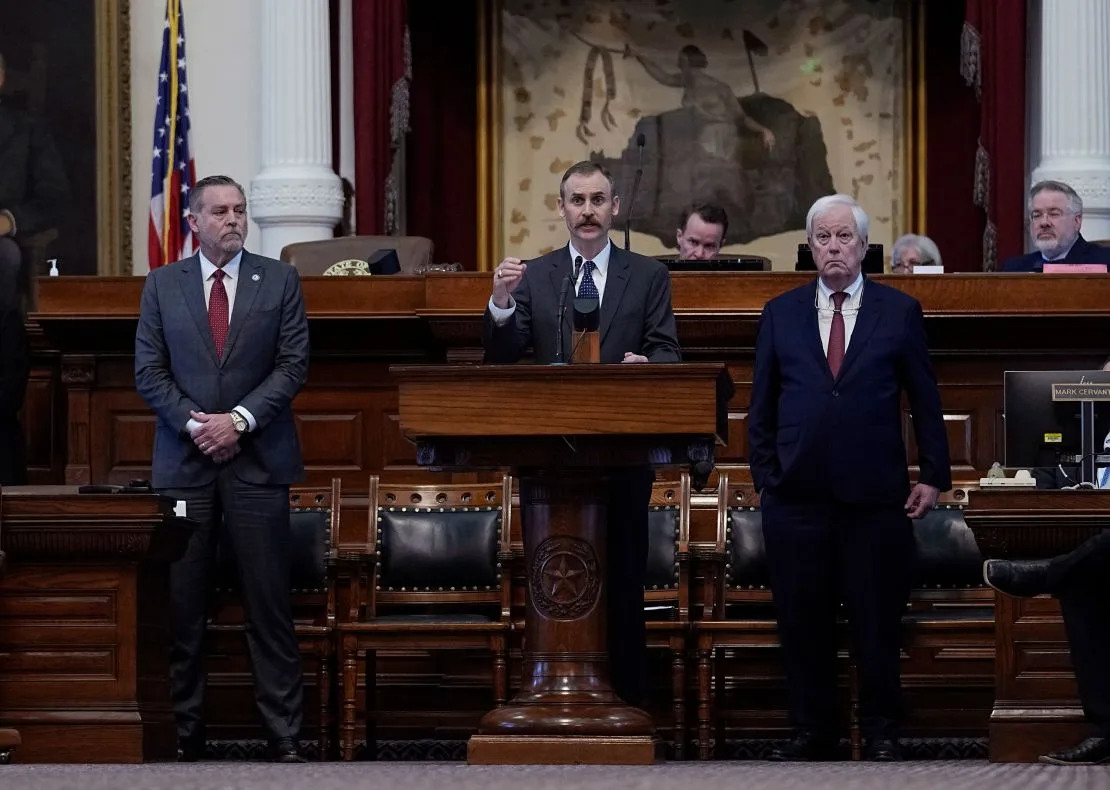
The Texas House's General Investigating Committee report, a pivotal document, detailed numerous alleged ethical breaches by Attorney General Ken Paxton, forming the basis for his impeachment by the House. This report remains on the record, continuing to raise serious questions about ethical standards within the Office of the Attorney General. (Source: edition.cnn.com)
FAQ
What is the Texas Attorney General’s office responsible for? The OAG serves as Texas’s chief legal agency. It represents the state in court. It provides legal advice to state agencies. The office enforces consumer protection laws and collects child support.
Who are the whistleblowers mentioned in the article? These were eight senior officials from the OAG. They included former First Assistant Attorney General Jeff Mateer. They reported Ken Paxton to the FBI in 2020. They alleged bribery and abuse of office.
Why was Ken Paxton impeached by the Texas House? The House impeached Paxton on 20 articles. These included abuse of public trust and bribery. They also cited obstruction of justice. The House committee found evidence of misconduct related to his dealings with Nate Paul.
What was the outcome of the Senate impeachment trial? The Texas Senate acquitted Ken Paxton on all 16 articles presented for a vote. He was restored to his position as Attorney General. The Senate did not reach the two-thirds majority required for conviction.
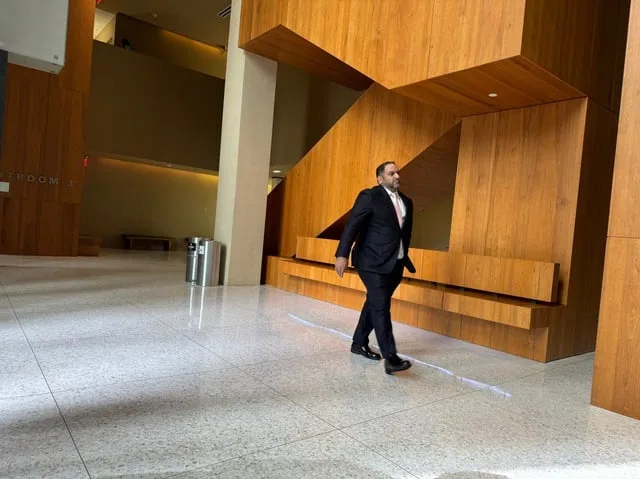
Nate Paul, an Austin real estate investor, was a central figure in the impeachment proceedings against Attorney General Ken Paxton, with allegations of bribery and abuse of office stemming from their dealings. (Source: reddit.com)
You might also like:
👉 Sam Hughes: Canada’s Volatile WWI Militia Minister & Mobilization
👉 The Economic & Societal Impact of Government Shutdowns
👉 Supreme Court Affirmative Action Ruling: A New Era for Admissions