Sam Hughes: Canada's Volatile WWI Militia Minister & Mobilization
Explore the controversial role of Sam Hughes, Canada's Minister of Militia, in the rapid mobilization of 32,000 troops at Valcartier for the Great War in 1914.
Minister of Militia Sam Hughes: A Volatile Force in Canada’s Great War Mobilization
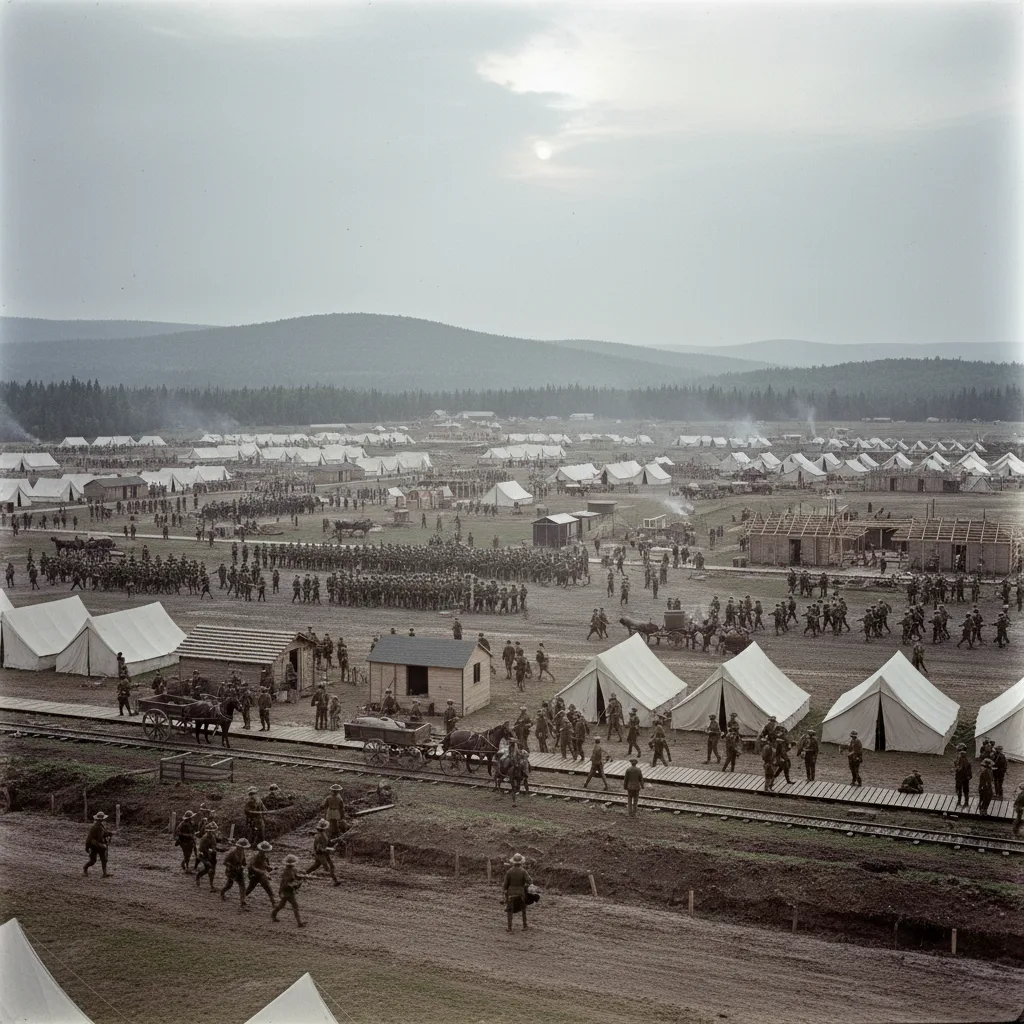
Imagine the biting chill of an Eastern Canadian autumn, the air thick with the smell of damp earth and woodsmoke, punctuated by the rhythmic thud of army boots on newly laid planks. We stand on the vast, hastily cleared plains of Valcartier, Quebec, in the late summer of 1914. Around us, a city of canvas and timber has sprung from nothing in mere weeks – 32,000 men, a nation’s first response to a global war, are drilling, marching, and preparing for a conflict whose true horror is yet to be revealed. Overseeing this monumental, almost miraculous feat, is a figure both revered and reviled: Sam Hughes, Canada’s Minister of Militia. His presence is electric, his voice booming over the din of construction and command, a testament to his singular vision and unyielding will. This is where our journey begins, peeling back the layers of a man whose legacy is as complex and contradictory as the war he helped Canada fight.
The Gathering Storm: A Nation’s Call and a Minister’s Vision
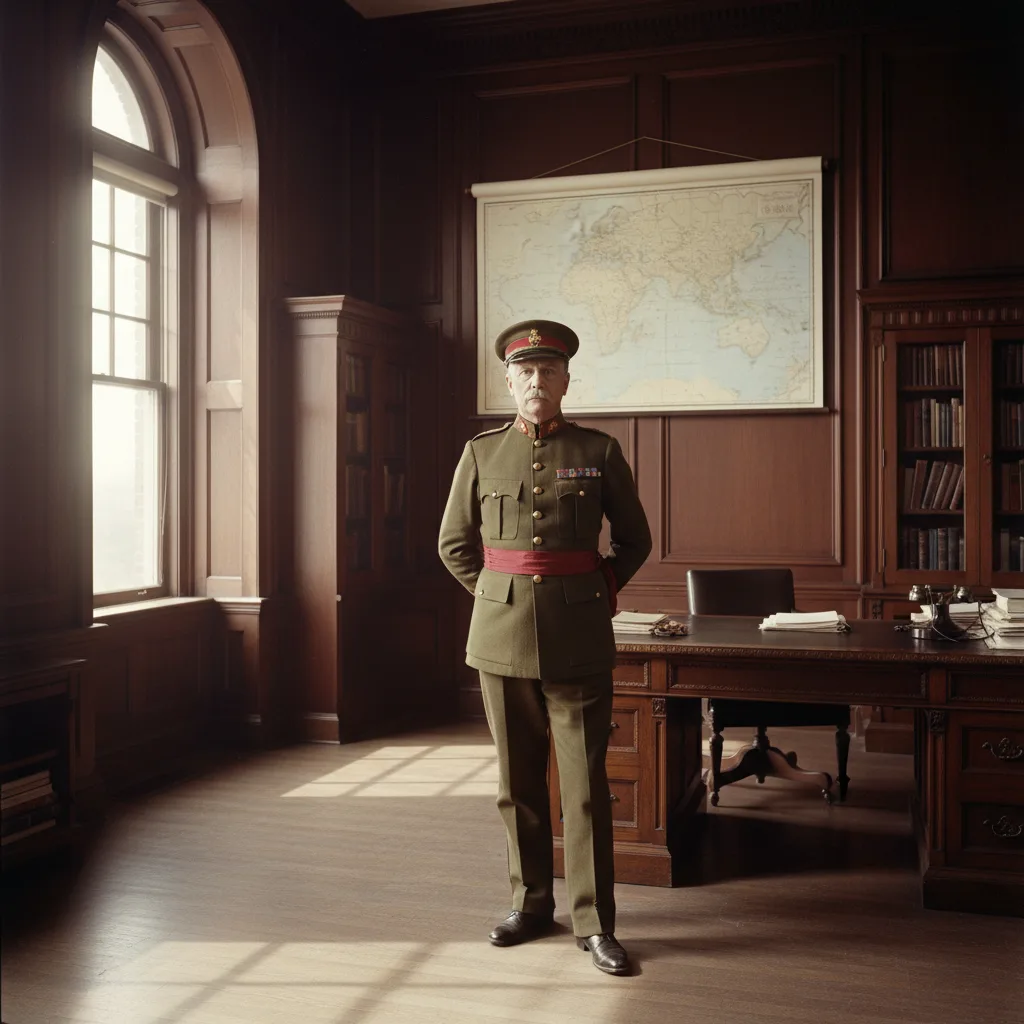
Before the guns of August 1914 shattered the peace of Europe, Sam Hughes was already a force of nature in Canadian politics. Born in Clarke Township, Ontario, in 1860, Hughes was a teacher, newspaper owner, and a veteran of the South African War, where he served with the British forces and earned a reputation for both bravery and insubordination. He entered Parliament in 1892, a Conservative with an almost fanatical devotion to the British Empire and a deeply ingrained belief in the martial spirit of Canadians. His appointment as Minister of Militia and Defence in 1911 by Prime Minister Robert Borden was, in hindsight, a harbinger of the storm to come. Hughes was not a deskbound bureaucrat; he was a man of action, a fervent imperialist who saw military preparedness as a national duty.
His pre-war years were marked by relentless, often abrasive, efforts to reform and expand Canada’s small, largely volunteer militia. He travelled extensively, inspecting armouries, delivering impassioned speeches, and fostering a network of loyal officers and civilian supporters. When Archduke Franz Ferdinand’s assassination ignited the fuse of World War I, Hughes was not caught flat-footed. He had long anticipated such a conflict, viewing it as an inevitable test of Canada’s character and commitment to the Empire. His vision, though often chaotic in execution, was clear: Canada would not merely contribute a token force; it would send a substantial, well-equipped army. This ambitious goal, articulated with characteristic bluster, set the stage for one of the most remarkable mobilization efforts in military history, spearheaded by the indomitable Minister of Militia Sam Hughes.
Valcartier: The Birthplace of the CEF and the Minister of Militia’s Grand Design
The creation of the Canadian Expeditionary Force (CEF) was, in its initial phase, Sam Hughes’s personal masterpiece. Within days of Britain’s declaration of war, Hughes bypassed traditional military channels and issued an open call for volunteers. He declared that Canada would raise a division of 20,000 men, a number almost immediately revised upwards to 32,000. But where would they assemble? Where would they train? Hughes, with characteristic audacity, chose an undeveloped tract of land near Quebec City: Valcartier. What followed was a logistical marvel, a testament to raw determination and improvisation.
We can almost hear the insistent ring of telephones in Ottawa, the urgent telegrams flying, as Hughes orchestrated the construction of an entire military city from scratch. Over 10,000 labourers descended upon Valcartier, working day and night to clear land, lay 30 miles of railway track, erect thousands of tents, build kitchens, latrines, and rifle ranges. Within weeks, the wilderness transformed into a bustling cantonment, complete with its own waterworks, electricity, and even a telephone exchange. Hughes himself was a constant, almost omnipresent figure, riding through the camp, personally inspecting units, and making decisions on the fly. He bypassed existing militia structures, instead allowing local officers to recruit entire companies and battalions, fostering a strong sense of local identity within the larger national force. This unconventional, highly centralized, yet simultaneously decentralized approach, was quintessential Hughes: efficient in its speed, but riddled with potential for mismanagement and patronage. The First Contingent of the CEF, the future heroes of Ypres and the Somme, were forged in the dust and chaos of Valcartier, a direct reflection of the Minister’s singular, often overwhelming, will.
The Ross Rifle and the Crucible of Controversy
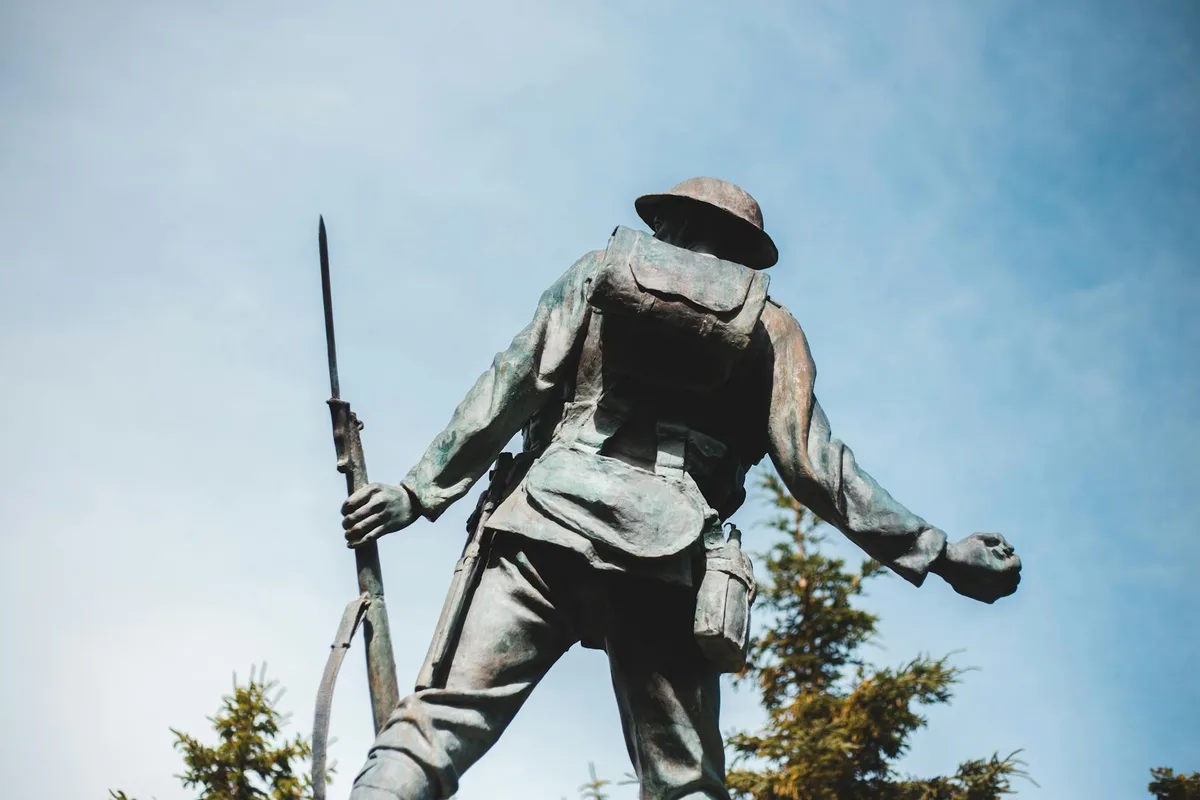 As the CEF embarked for Europe, a shadow began to fall over Hughes's otherwise brilliant mobilization efforts: the **Ross Rifle**. This Canadian-designed straight-pull bolt-action rifle, championed by Hughes, became perhaps the most enduring symbol of his controversial tenure. Hughes had been a vocal proponent of the Ross for years, convinced of its superiority and fiercely protective of Canadian industry. He saw it as a matter of national pride, rejecting British attempts to equip Canadian troops with the standard Lee-Enfield.
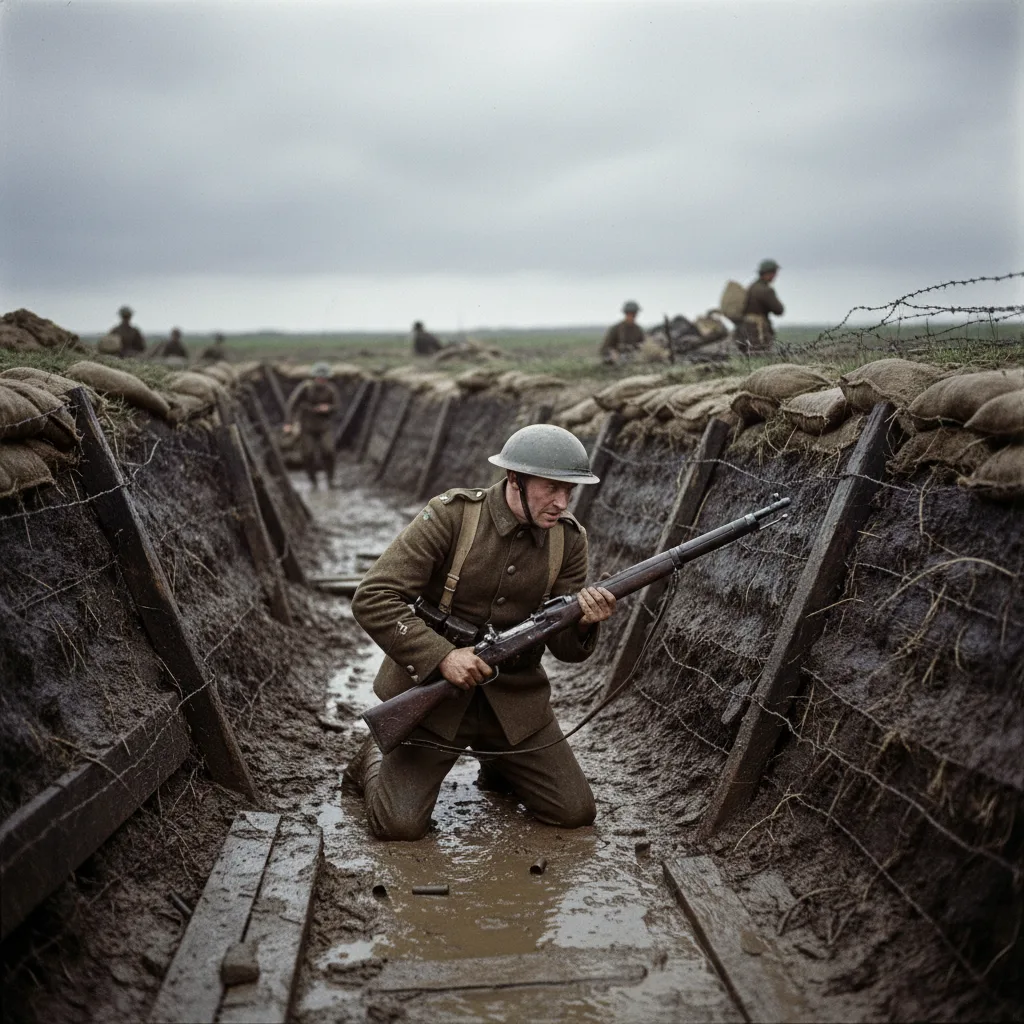
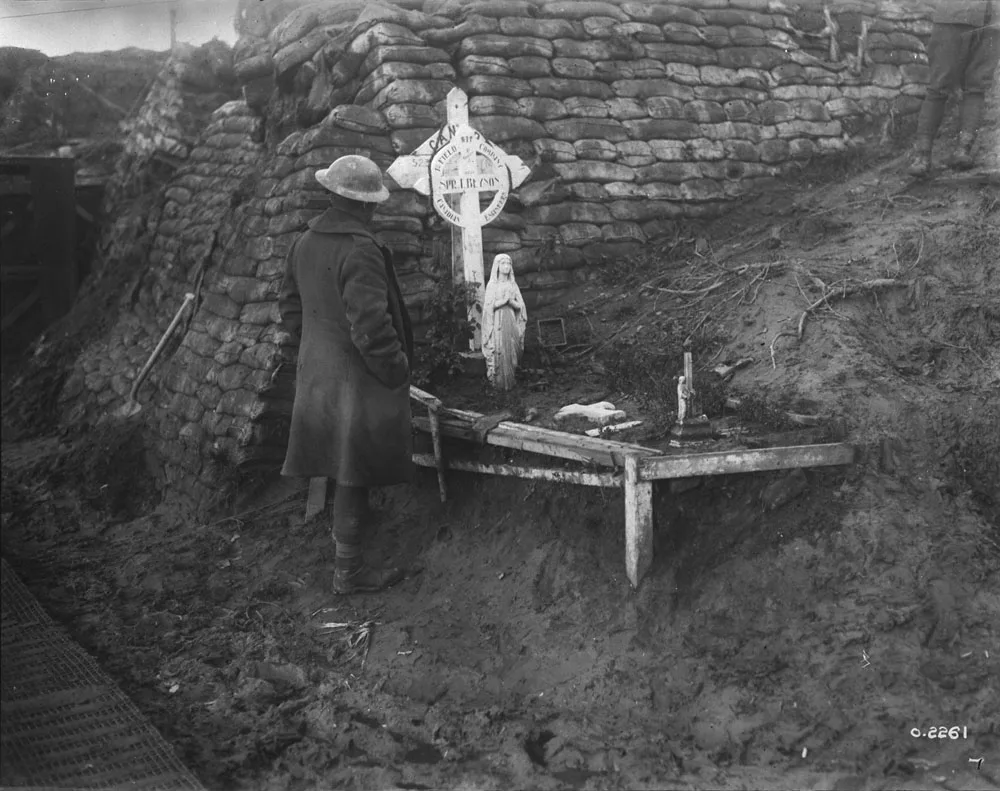 The initial reports from the trenches were alarming. Soldiers in the mud and blood of Flanders found the Ross Rifle prone to jamming in combat conditions, especially when fouled with dirt or using British ammunition. Its long barrel was cumbersome in trenches, and its bayonet often detached during close-quarters fighting. We hear the desperate pleas of Canadian soldiers and their officers, communicated through official channels and private letters, detailing the rifle's critical failures. "It is absolutely useless," wrote one officer, "it is dangerous to the men." Despite mounting evidence, including the harrowing experiences at the Second Battle of Ypres in April 1915, Hughes remained stubbornly loyal to the Ross. He dismissed criticisms as British prejudice or soldier incompetence, even suggesting that Canadian troops were not using it correctly. This unwavering, almost irrational, defence of a demonstrably flawed weapon cost lives and severely damaged morale. It wasn't until mid-1916, after immense pressure from the British War Office and Canadian field commanders like General Julian Byng, that the Ross was finally withdrawn from frontline service and replaced with the Lee-Enfield. The Ross Rifle saga encapsulates Hughes's fatal flaw: an unshakeable conviction that often bordered on delusion, blinding him to the stark realities faced by the men he was ostensibly serving.
A Kingdom of One: Autocracy, Patronage, and Political Fallout
Hughes’s handling of the Ross Rifle was not an isolated incident; it was symptomatic of his autocratic style and a broader pattern of controversy that plagued his time as Minister of Militia Sam Hughes. He ran his department like a personal fiefdom, often bypassing established military and political protocols. He famously clashed with the British War Office, insisting on Canadian command for Canadian troops, a commendable nationalist stance that sometimes veered into obstructionism. His personal appointments, often based on loyalty rather than merit, raised eyebrows. Officers he personally favoured, sometimes with little military experience, were fast-tracked, creating resentment within the professional military establishment.
Behind the scenes, the war effort became entangled with allegations of patronage and profiteering. The rapid expansion of the military required enormous procurement, and Hughes’s direct, often informal, approach to contracting opened doors for questionable dealings. There were scandals surrounding everything from binoculars to boots, and the infamous MacAdam shovel, a collapsible trench shovel that proved utterly useless, became another symbol of wasteful spending and poor procurement. His relationship with Prime Minister Borden grew increasingly strained. Borden, a man of quiet diplomacy and adherence to parliamentary procedure, found Hughes’s bombastic, often insubordinate, behaviour a constant source of embarrassment and political liability. Hughes’s insistence on a direct, personal channel to the King, bypassing the Governor General and the Prime Minister, was the final straw in a long series of affronts. The constant friction, the public controversies, and the growing lack of confidence from both the British and Canadian governments created an unsustainable situation.
The Unmaking of a Minister: Legacy and the Shadow of Sam Hughes
The inevitable came in November 1916. While in England, Hughes delivered a series of inflammatory speeches, openly criticizing British military leadership and Canadian government policy. This public insubordination, coupled with the persistent scandals and his unmanageable personality, proved to be the breaking point for Prime Minister Borden. Hughes was asked to resign. His immediate reaction was characteristic: he refused, forcing Borden to formally dismiss him. The man who had so single-handedly mobilized Canada for war was unceremoniously cast aside, his political career effectively ended, his reputation tarnished by the very zeal that had initially propelled him to power.
We look back at Sam Hughes not as a simple villain or hero, but as a complex, contradictory figure whose impact on Canada’s Great War effort was profound and multifaceted. His greatest achievement, the rapid and effective mobilization of the CEF, stands as an undeniable testament to his energy, vision, and organizational genius. He instilled a sense of national purpose and ensured that Canada sent well-trained, highly motivated troops to the front. Yet, this achievement is forever shadowed by his pigheadedness, his autocratic tendencies, his questionable judgment in equipment procurement, and his inability to work within established systems. He was a man out of time, perhaps, a Victorian imperialist struggling to adapt to the demands of modern, industrialized warfare and parliamentary democracy. His legacy is a stark reminder that even the most dynamic leaders can be undone by their own hubris and inflexibility, leaving behind a story of both remarkable success and tragic failure.
FAQ Section
Q1: What was Sam Hughes’s greatest achievement as Minister of Militia? A1: His greatest achievement was the rapid and effective mobilization of the Canadian Expeditionary Force (CEF) at the outbreak of World War I. Within weeks, he oversaw the creation of Valcartier camp and the assembly of 32,000 volunteers, transforming a small militia into a formidable fighting force ready for overseas deployment.
Q2: Why was the Ross Rifle so controversial, and what was Hughes’s role in it? A2: The Ross Rifle was controversial because it proved unreliable in the muddy, intense conditions of trench warfare, frequently jamming and posing a danger to soldiers. Sam Hughes was its staunch defender, insisting on its use despite overwhelming evidence of its flaws, often dismissing criticisms as unfounded or due to user error, making its prolonged use a major point of contention and a threat to troop safety.
Q3: How did Sam Hughes’s leadership style contribute to his downfall? A3: Hughes’s autocratic, often insubordinate leadership style, coupled with his penchant for bypassing official channels and his involvement in various procurement scandals (like the MacAdam shovel), led to increasing friction with Prime Minister Borden and the British War Office. His public criticisms and unmanageable personality ultimately resulted in his dismissal in November 1916.
Q4: Did Hughes have any positive impact beyond mobilization? A4: Yes, beyond rapid mobilization, Hughes fostered a strong sense of Canadian identity within the military. He insisted on Canadian units fighting together under Canadian command where possible, laying groundwork for future national autonomy in military affairs. His fierce advocacy for Canadian soldiers, though sometimes misguided, also reflected a deep personal conviction in their capabilities.
Sam Hughes remains a paradox in Canadian history: a man of immense drive and foresight who delivered Canada’s troops to the Great War with astonishing speed, yet whose stubbornness and self-serving tendencies simultaneously imperiled them. His story is a powerful exploration of leadership under pressure, the fine line between conviction and obstinacy, and the enduring complexity of wartime decisions.
You might also like:
👉 Mind-Blowing WW2 Facts: Unbelievable Stories Beyond Textbooks
👉 100 Most Influential People: Shapers of Human History & Future