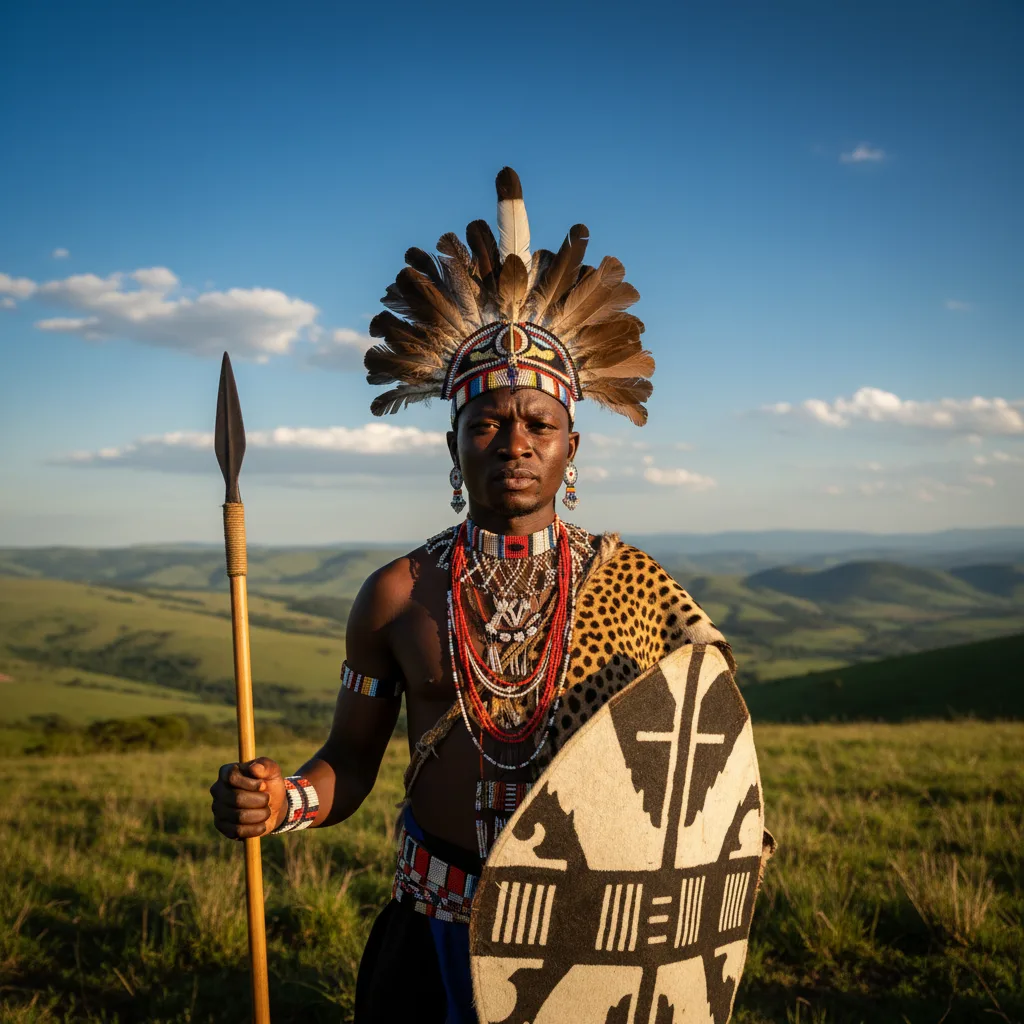
KwaZulu-Natal: Where Zulu Culture Continuously Adapts
Discover how Zulu culture, a living tradition, continuously adapts in South Africa's KwaZulu-Natal province, bordering Lesotho, Mozambique, and Eswatini.
Zulu Culture: Always Changing, Always Strong
Zulu culture is not a fixed entity. It is a living tradition that continuously adapts. This article explores the history, customs, and modern expressions of Zulu culture.
KwaZulu-Natal: The Zulu heartland
Zulu people primarily live in South Africa’s KwaZulu-Natal province. This eastern coastal region borders Lesotho, Mozambique, and Eswatini. It’s a land of rolling hills, dramatic Drakensberg mountains, and a long coastline.
The Zulu are South Africa’s largest ethnic group. Over 12 million people identify as Zulu, according to Statistics South Africa’s 2022 data. Their history shapes the region’s political and social development. The Zulu nation’s story includes powerful kingdoms and strong culture.
A history of power and pressure
The Zulu kingdom began to rise in the early 19th century. King Shaka kaSenzangakhona ruled from approximately 1816 to 1828. He transformed a small clan into a formidable military power. His innovative tactics and social reforms unified many Nguni-speaking groups.
This period, known as the Mfecane, caused widespread displacement and consolidation across Southern Africa. Shaka’s strategies created a distinct Zulu identity. They focused on loyalty and martial prowess.
The Anglo-Zulu War of 1879 changed everything. Zulu forces won initial victories, like Isandlwana. But the British ultimately defeated them. This conflict dissolved the independent Zulu kingdom.
Colonial rule and the subsequent apartheid era imposed severe pressures. Traditional leadership structures were often co-opted or undermined. Historian Dr. Benedict Carton, in his 2000 work Blood from Your Children, noted these pressures also strengthened a sense of shared Zulu heritage. Cultural practices became markers of identity and resistance.
Living traditions adapt and continue
Zulu traditional culture is a daily lived experience for millions. Practices change and continue, rather than fading away.
The concept of ubuntu guides everything. This philosophy stresses connection and shared humanity. It shapes social interactions and community responsibilities.
Amadlozi, ancestral spirits, matter deeply in spiritual life. Many Zulu people believe ancestors connect the living and the Creator, uNkulunkulu. Offerings and rituals honor these ancestors.
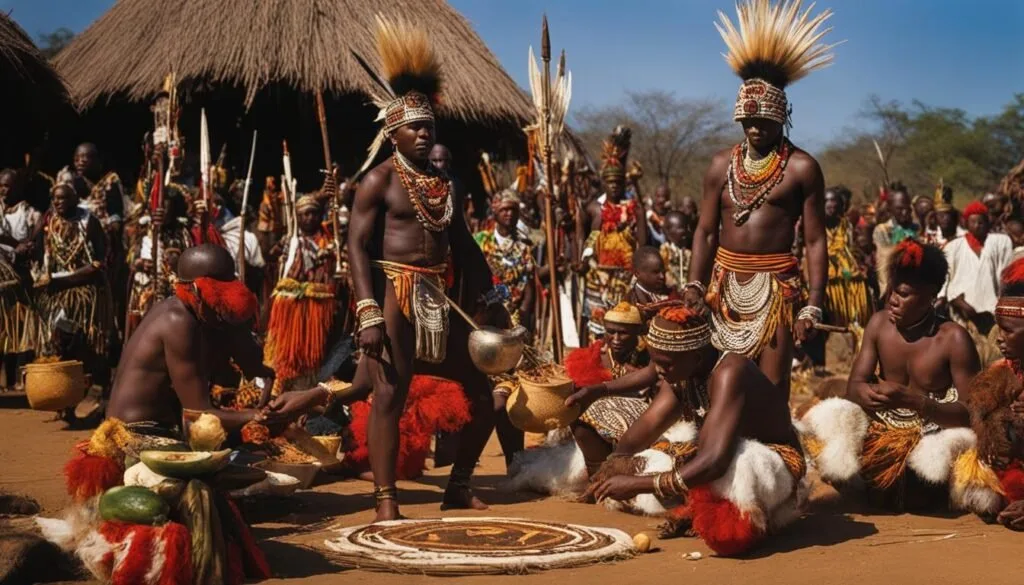
Zulu people honor *Amadlozi*, ancestral spirits, through offerings and rituals. These practices are central to their spiritual life, connecting the living with the Creator, *uNkulunkulu*, and reinforcing community bonds, embodying the philosophy of *ubuntu*. (Source: jesusprayerministry.com)
Sangomas (diviners) and izinyanga (herbalists) are respected figures. They offer spiritual guidance, healing, and connect individuals to ancestors. A 2018 University of KwaZulu-Natal study found over 60% of rural Zulu households consult traditional healers regularly. This figure shows their ongoing importance.
Lobola, bridewealth, is another important custom. It involves the transfer of cattle or money from the groom’s family to the bride’s. Its form has changed. Its purpose remains. It solidifies familial bonds and shows respect. Professor J.B. Peires, a historian specializing in Nguni societies, explains lobola signals a commitment between two families, not just individuals.
Zulu culture in a modern world
IsiZulu is a key part of Zulu identity and storytelling. It’s South Africa’s most widely spoken home language. Over 24% of the population uses it, according to Statistics South Africa 2022. Its strong oral tradition includes epic poems, praise songs (izibongo), and proverbs.
Traditional Zulu art forms also remain active. Beadwork, ubuhlalu, sends detailed messages through color and pattern. Specific combinations tell you about marital status, age, or emotions. Contemporary artists now weave these traditional designs into modern fashion and accessories.
Dance, like the vigorous indlamu, happens at important events. Weddings, coming-of-age ceremonies, and royal gatherings feature these powerful displays. The movements often mimic warrior training or celebrate agricultural cycles. These dances are ways to show community and historical memory.
Music, too, has evolved. Traditional instruments like the umakhweyana bow and various drums are still played. Zulu musical styles have also blended with gospel, jazz, and popular genres. Maskandi music, for instance, mixes traditional melodies with modern instruments. Artists like Phuzekhemisi have gained national recognition, bringing these sounds to new audiences.
The future: Adapt, grow, continue
Zulu culture faces challenges like urbanization and global media influence. However, it continues to adapt and grow. Efforts are underway to preserve and promote it.
The KwaZulu-Natal Department of Arts and Culture actively promotes language and heritage programs. A 2021 report from the department detailed efforts supporting traditional arts and crafts. These programs often engage young people.
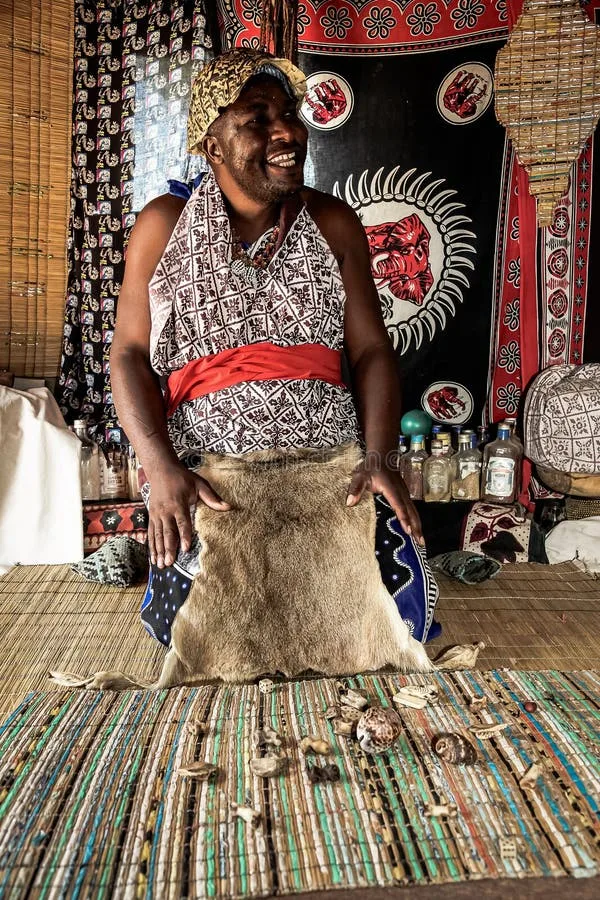
A Zulu Sangoma, a revered traditional healer and diviner, plays a vital role in connecting individuals to ancestors and offering spiritual guidance within the community. Over 60% of rural Zulu households consult traditional healers regularly, highlighting their enduring importance. (Source: dreamstime.com)
The Zulu monarchy, led by King Misuzulu kaZwelithini, plays a big part in cultural affairs. It has no direct political power. The monarchy protects tradition. It holds important cultural events, such as the annual Reed Dance (Umkhosi woMhlanga). This event attracts thousands of young women and strengthens cultural values.
Economic opportunities are also emerging. Cultural tourism, for example, brings visitors to historical sites and traditional villages. These ventures provide income and share Zulu heritage. The KwaZulu-Natal Tourism Authority reported cultural tourism added over ZAR 500 million to the province’s economy in 2023.
Zulu culture demonstrates that tradition is not static. It is a continuous connection to the past that shapes the present. Zulu culture changes, develops, and continues to grow, carrying its long history forward with strength.
Frequently asked questions
What is lobola? Lobola is a traditional Zulu practice. It involves transferring wealth, usually cattle or money, from the groom’s family to the bride’s. It shows a respectful union between two families, not just two individuals. It also makes the marriage legitimate.
Who are sangomas? Sangomas are traditional healers and diviners in Zulu culture. People believe they talk with ancestral spirits (amadlozi). They diagnose illnesses, give spiritual guidance, and perform healing rituals using herbs and other natural remedies.
Is the Zulu monarchy still active today? Yes, the Zulu monarchy remains an active and important cultural institution in South Africa. King Misuzulu kaZwelithini is the reigning monarch. It holds no direct political power. The monarchy plays an important role in preserving and promoting Zulu culture and heritage.
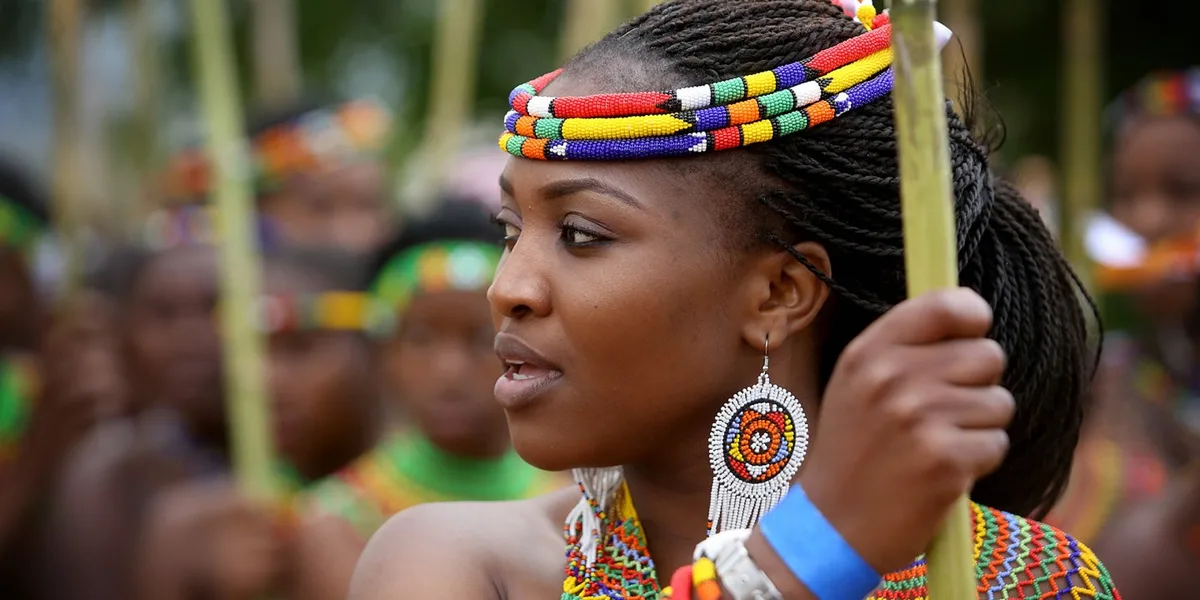
The annual Reed Dance, or Umkhosi woMhlanga, is a significant Zulu cultural event that attracts thousands of young women, reinforcing traditional values and community bonds under the patronage of the Zulu monarchy. (Source: dailymaverick.co.za)
You might also like:
👉 World’s Most Bizarre Traditions: Unveiling Humanity’s Quirky Customs
👉 Medieval Empires: Power, Culture, and Lasting Global Impact