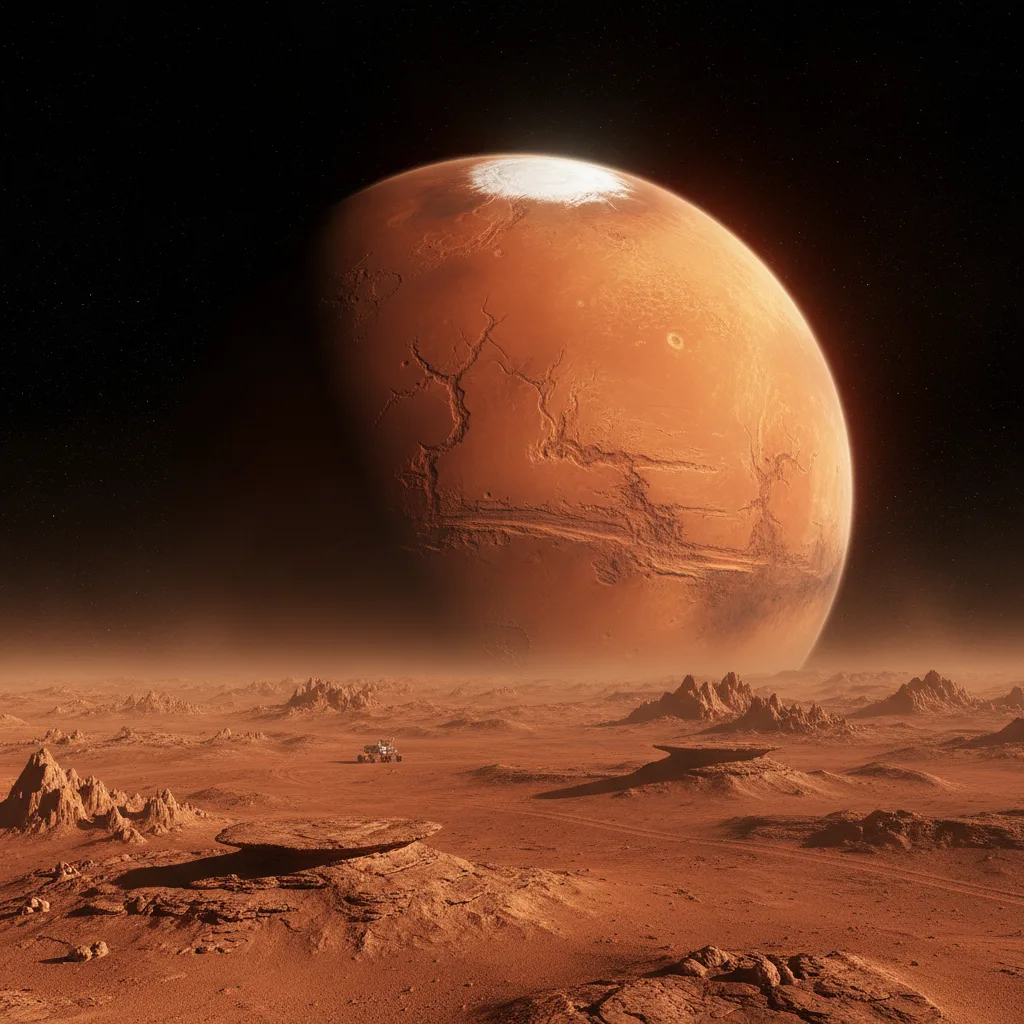
The 1960s: When Our First Robots Touched Mars
Our first robots landed on Mars in the 1960s, marking the start of a decades-long quest to find alien life and prepare for human missions.
Mars exploration: a decades-long effort
We started watching Mars through telescopes centuries ago. Our first robots landed there in the 1960s. We explore Mars to find life beyond Earth. It also helps us prepare for sending people there.
Mars is the fourth planet from the Sun. It’s a cold, dusty world. Scientists think it once had liquid water. That makes it our best bet for finding alien life. Its past tells us about how planets change.
The United States and Soviet Union led early efforts. They wanted to send orbiters and landers. These would collect first data. Eventually, other space agencies joined in.
Early failures and first triumphs
The Soviet Union launched Marsnik 1 in October 1960. It was the first attempt to reach Mars. The mission never left Earth orbit. Many other Soviet Mars missions failed too.
NASA’s Mariner 3 launched in November 1964. It aimed to be America’s first Mars flyby. A shroud problem kept its solar panels from opening. The mission failed.
Mariner 4 launched later that November. It became the first successful Mars flyby in July 1965. It sent back 21 close-up images. The images showed a cratered, moon-like surface. This shocked everyone. People had imagined a lush world, said a 1965 JPL press release.
More Mariner missions built on this early work. Mariner 6 and 7 flew past Mars in 1969. They sent back more atmospheric and surface data. NASA’s Jet Propulsion Laboratory managed these missions.
Mariner 9 became the first spacecraft to orbit Mars. It launched in May 1971 and arrived that November. It mapped 70% of the Martian surface. It saw dust storms and volcanoes. Its findings were important, NASA’s Science Mars Exploration Program reported.
The Soviet Union also had wins in 1971. Mars 2 and Mars 3 orbiters reached Mars. Mars 3 even carried a lander. It briefly transmitted from the surface — a first. But it only lasted 20 seconds, Roscosmos reports.
The Viking era and a long pause
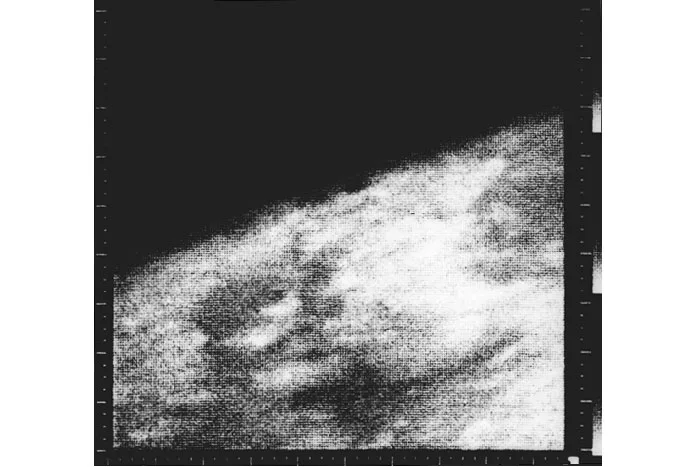
This grainy, black-and-white image is one of 21 close-up photos of Mars sent back by NASA's Mariner 4 in July 1965. Its depiction of a cratered, moon-like surface shocked scientists and the public, who had imagined a potentially lush Martian world. (Source: space.com)
NASA launched Viking 1 in August 1975. It had an orbiter and a lander. Viking 2 followed in September 1975. These missions were a huge step forward for Mars exploration.
The Viking 1 lander touched down in July 1976 in Chryse Planitia. Viking 2 landed in Utopia Planitia that September. Both landers ran many science experiments.
They looked for signs of life. The results were murky. Dr. Gerald Soffen, Viking Project Scientist, said the data was hard to read. They found no clear proof of life.
The Viking landers ran for years. Viking 1 sent data for over six years. Viking 2 worked for more than three. They provided the first long-term weather data from Mars. Their cameras sent back thousands of images.
After Viking, Mars exploration stopped for a while. Many missions in the 1990s failed. NASA’s Mars Observer in 1993 was one. This showed how hard interplanetary travel still was.
Reawakening: rovers and orbiters
NASA launched Mars Global Surveyor in November 1996. This was a new push after earlier failures. The spacecraft entered Mars orbit in September 1997. It mapped the planet in great detail.
Mars Global Surveyor ran for nine years. It found mineral deposits that showed past water. Its data changed how we understood Mars’ geology. The Jet Propulsion Laboratory oversaw its mission.
Mars Pathfinder launched in December 1996. It landed in July 1997. It deployed the Sojourner rover. Sojourner was the first wheeled vehicle on Mars. It worked for 83 sols.
Sojourner proved robotic rovers could work. It collected data on rocks and soil. The public loved this mission. It showed us mobile exploration was possible, says the NASA History Office.
Not every mission worked then. NASA’s Mars Climate Orbiter failed in 1999. It burned up in Mars’ atmosphere because of a navigation error. The Mars Polar Lander also failed in 1999. These incidents showed how risky space travel still was.
The golden age of Mars exploration
The European Space Agency (ESA) jumped into Mars exploration. Its Mars Express orbiter arrived in December 2003. It’s given us lots of data on Mars’ atmosphere and surface. It confirmed water ice exists underground.
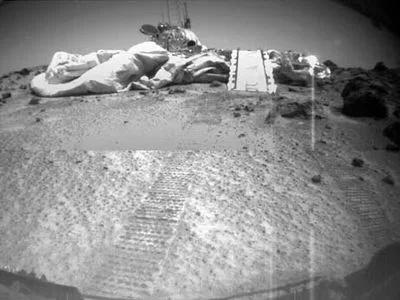
NASA's Sojourner rover, seen here on the Martian surface, made history in 1997 as the first wheeled vehicle to explore another planet. Part of the Mars Pathfinder mission, its success proved the viability of mobile robotic exploration, captivating the public and paving the way for future rovers. (Source: britannica.com)
NASA’s Mars Exploration Rovers (MERs) launched in 2003. Spirit and Opportunity landed in January 2004. They were supposed to last 90 sols. Both rovers worked far longer than planned.
Opportunity ran for over 14 years, traveling more than 45 kilometers. Spirit worked for six years. Dr. Steve Squyres, MER Principal Investigator, led their science work. They found clear proof of past liquid water. This included hematite spheres, or “blueberries,” at Meridiani Planum.
The Mars Reconnaissance Orbiter (MRO) arrived in 2006. It has powerful cameras and spectrometers. Its HiRISE camera takes high-resolution images. It’s found recurring slope lineae. These features hint at seasonal flows of salty water, says the University of Arizona HiRISE team.
NASA’s Phoenix Mars Lander arrived in May 2008. It landed in the Martian arctic. Phoenix dug into the soil. It confirmed water ice just beneath the surface. The University of Arizona managed this mission.
Global reach and sample return
NASA’s Curiosity rover landed in August 2012. It explores Gale Crater. Curiosity found ancient lakebeds. It detected organic molecules in Martian rocks. These findings show Mars once had conditions suitable for microbial life. Dr. John Grotzinger, Curiosity Project Scientist, stated this.
The Mars Atmosphere and Volatile Evolution (MAVEN) orbiter arrived in September 2014. It studies Mars’ atmosphere. MAVEN helps us understand how Mars lost its water and air. The University of Colorado Boulder leads the mission.
India’s Mars Orbiter Mission (MOM), or Mangalyaan, also arrived in September 2014. India became the first Asian nation to reach Mars. The Indian Space Research Organisation (ISRO) built the spacecraft. It orbits Mars, studying its surface and atmosphere.
The ESA and Roscosmos launched the ExoMars Trace Gas Orbiter (TGO) in 2016. It arrived that October. TGO looks for trace gases like methane in Mars’ atmosphere. Methane could signal current biological or geological activity.
NASA’s InSight lander touched down in November 2018. It studied Mars’ deep interior. InSight found hundreds of marsquakes. It gave us data on the planet’s seismic activity. The Jet Propulsion Laboratory manages InSight.
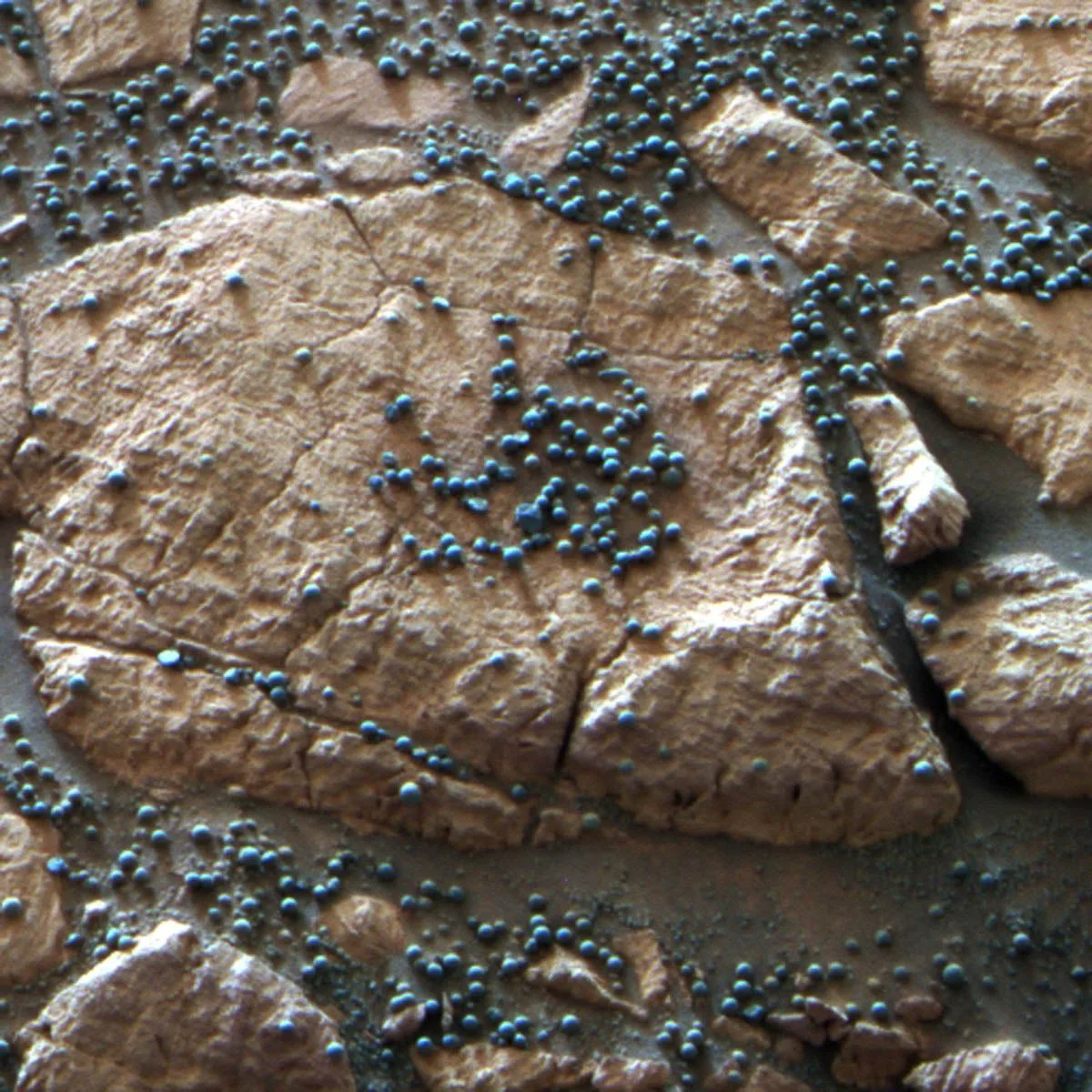
These small, spherical concretions of hematite, nicknamed 'blueberries,' were discovered by the Opportunity rover at Meridiani Planum. Their presence provided compelling evidence of past liquid water on Mars, as they typically form in watery environments. (Source: pinterest.com)
China’s Tianwen-1 mission arrived in February 2021. It included an orbiter, lander, and Zhurong rover. The Zhurong rover landed in Utopia Planitia in May 2021. China became the second nation to land and operate a rover on Mars, says the China National Space Administration.
NASA’s Perseverance rover landed in February 2021. It explores Jezero Crater. Perseverance collects rock and soil samples. These samples are stored for future return to Earth. It even carries the Ingenuity helicopter.
Ingenuity made the first powered, controlled flight on another planet. Its success showed we could explore by air. NASA Ames Research Center helped develop Ingenuity.
What’s next for Mars?
Future missions want to bring Mars samples back to Earth. The Mars Sample Return campaign is a huge international effort. NASA and ESA are working together on this tricky project. They want to get the samples Perseverance collected.
Scientists will study these samples in Earth labs. This allows for advanced analysis. It might give us real answers about past Martian life. That’s a main goal in a NASA-ESA Joint Statement.
Sending humans to Mars is a long-term dream. NASA’s Artemis program first aims to send humans back to the Moon. This will build tech for deeper space exploration. NASA Administrator Bill Nelson confirmed this plan.
Private companies like SpaceX also plan human missions. Elon Musk has big goals for colonizing Mars. But huge tech hurdles remain. These include radiation shielding and better life support.
Robotic missions will keep scouting landing sites. They’ll also collect more data on resources. This info is important for future human explorers. Our journey to Mars is still a main goal in space.
FAQ
Why is Mars so important to explore? Mars tells us about Earth’s past and future. It might have once held life. Exploring it helps us understand how planets change and if life exists elsewhere.
Have we found life on Mars? No, we haven’t found clear proof of past or present life. Some missions found conditions where life could have existed. The search continues with better tools and sample return missions.
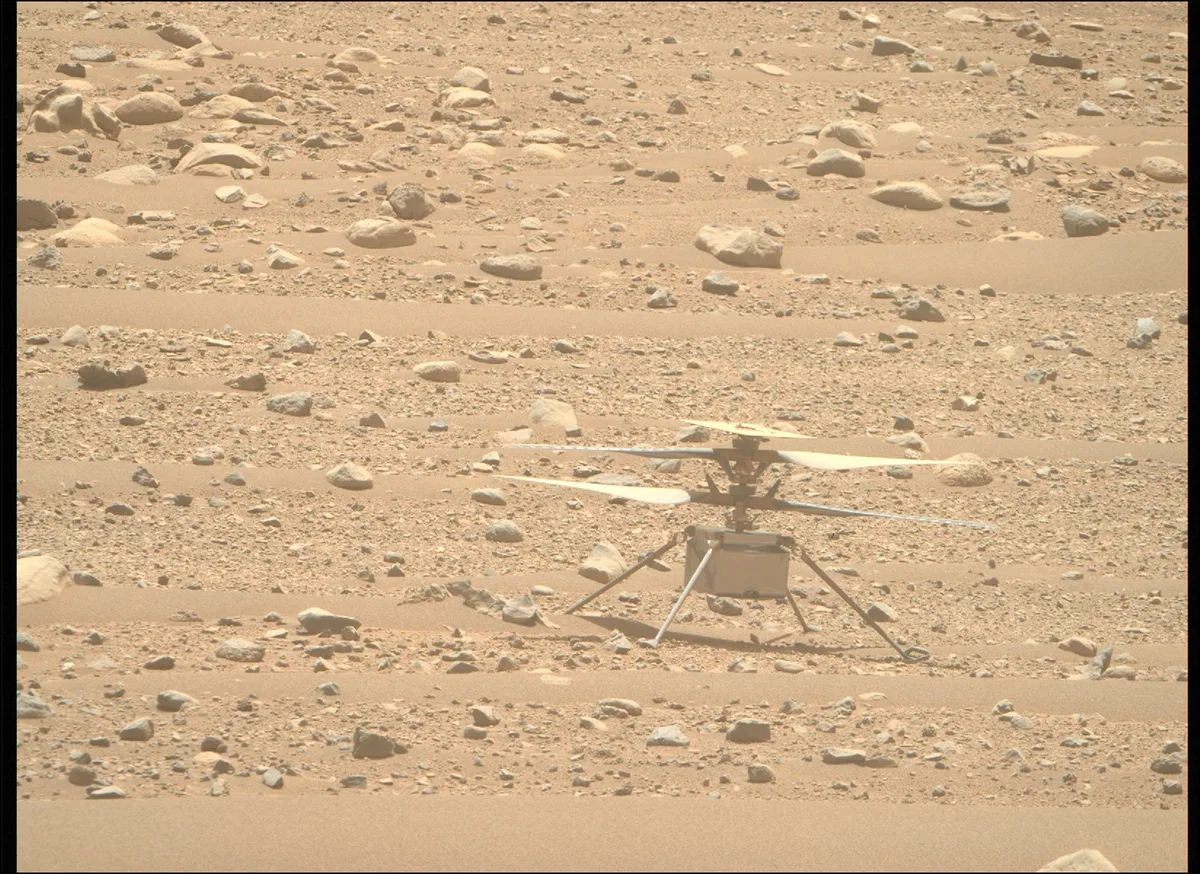
NASA's Ingenuity helicopter, seen here on the Martian surface, made history by achieving the first powered, controlled flight on another planet in April 2021. Its groundbreaking success demonstrated the potential for aerial exploration, paving the way for future missions to scout difficult terrains. (Source: space.com)
Which countries are actively exploring Mars? The United States, the European Space Agency, India, and China are currently active. Russia also works with Europe on some missions. Many countries contribute to Mars research.
What is the main goal of future Mars missions? A main goal is to bring Mars rock and soil samples to Earth. This will allow detailed scientific study. Preparing for human missions is another key objective.
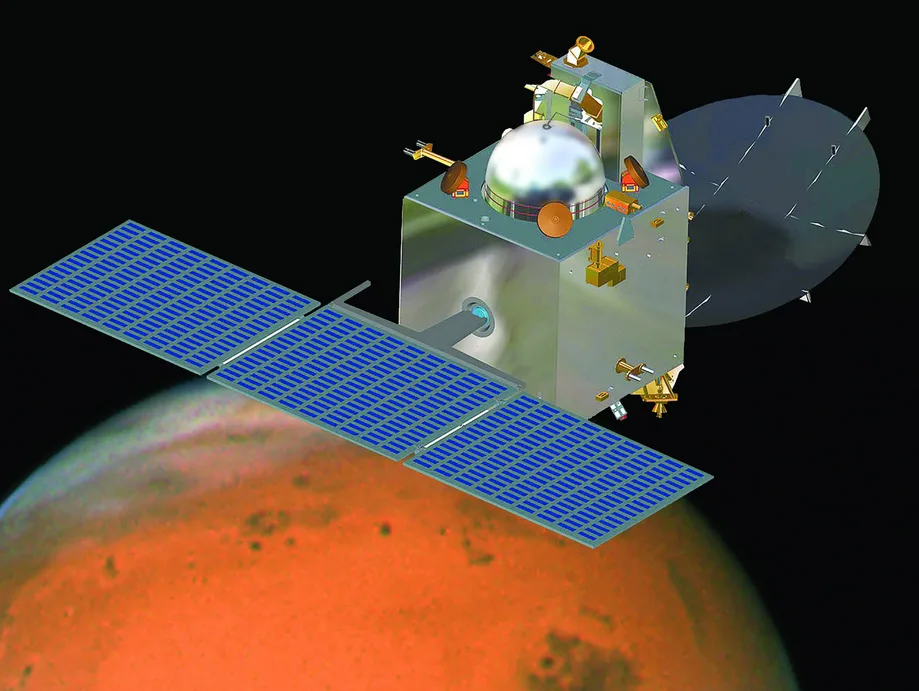
India's Mars Orbiter Mission, also known as Mangalyaan, successfully entered Mars orbit in 2014, making India the first Asian nation to reach Mars and the first country to do so on its maiden attempt. The mission provided valuable data on the Martian surface and atmosphere. (Source: space.com)
You might also like:
👉 Why 1960s Rocket Tech Won’t Get Us to Mars Fast Enough