Maryland Lottery: Chance, Community & State's Future Impact
Dive into the Maryland Lottery's world, from daily scratch-offs to multi-million-dollar jackpots. Discover its economic impact, community role, and future within the Old Line State's fabric.
The Maryland Lottery: A Journey Through Chance, Community, and Maryland’s Future
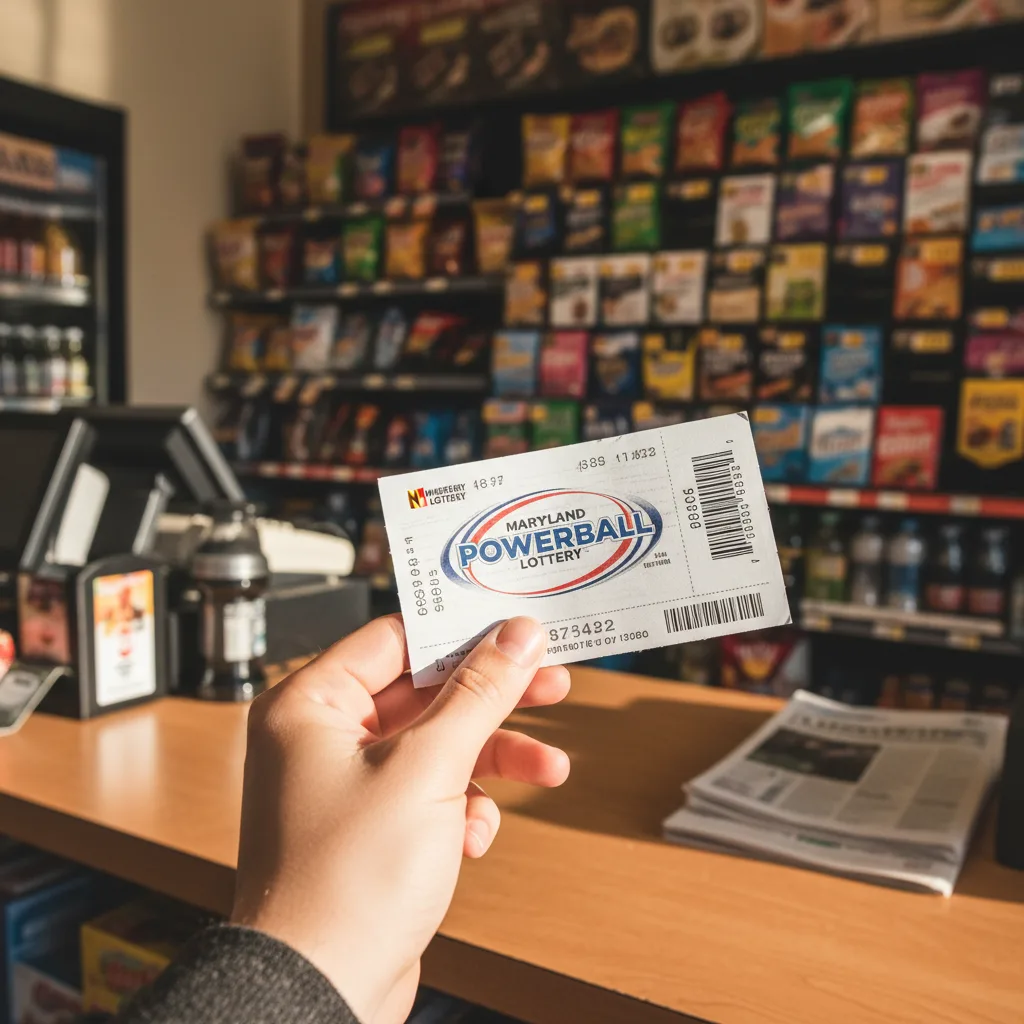
The fluorescent hum of a convenience store, the rhythmic click of a lottery terminal, the anticipation in a customer’s eyes as they hand over a dollar for a scratch-off – these are the everyday symphonies of the Maryland Lottery. But peel back the glossy veneer of instant wins and multi-million-dollar jackpots, and you uncover a fascinating tapestry woven into the very fabric of the Old Line State, a story of fiscal necessity, public service, and the enduring human desire for a touch of serendipity. Join me as we embark on an immersive exploration, tracing the lottery’s journey from a nascent idea to a powerful economic engine and a daily ritual for millions.
The Genesis of Fortune: Maryland Lottery’s Roots
Imagine Annapolis, 1973. The air is thick with the scent of Chesapeake Bay, and the state legislature is grappling with familiar challenges: funding schools, supporting public health, and maintaining vital services. Amidst these fiscal pressures, a bold idea gained traction – a state-run lottery. Governor Marvin Mandel, a shrewd political operator, signed the enabling legislation, Chapter 335 of the Acts of 1973, into law on May 24th, officially establishing the Maryland State Lottery Agency. It wasn’t just about generating revenue; it was about doing so in a way that offered a little excitement, a glimmer of hope, to everyday Marylanders.
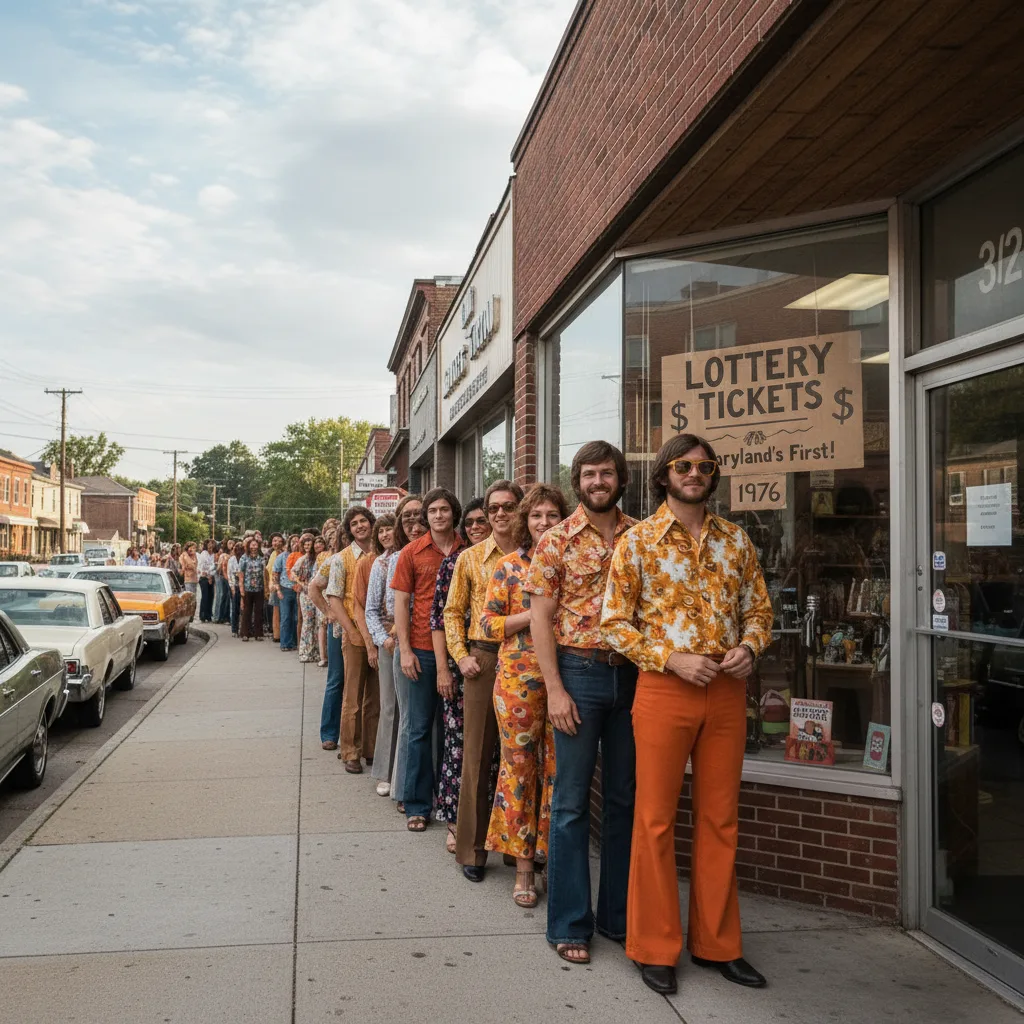
The very first Maryland Lottery ticket, a simple green-and-white affair for the “Instant Lottery,” went on sale on February 12, 1976. This wasn’t the sophisticated matrix of numbers we know today, but rather a pull-tab game, where players peeled back tabs to reveal symbols. The initial reception was nothing short of phenomenal. Lines snaked outside retailers, a testament to the public’s immediate embrace of this new form of entertainment and potential fortune. The novelty, combined with the promise of supporting state programs, quickly cemented the lottery’s place in Maryland life, transforming it from a mere legislative act into a cultural phenomenon.
From those modest beginnings, the lottery swiftly evolved. The first weekly “On-Line” draw game, “The Numbers Game” (now known as Pick 3), debuted in May 1976, quickly followed by the launch of “The Big Spin” televised game show in 1978, which became a household staple. These early innovations laid the groundwork for the diverse portfolio of games Marylanders enjoy today, demonstrating an early commitment to engaging the public and continuously refreshing the gaming experience, all while funneling crucial funds back into the state’s coffers.
Beyond the Ticket: How the Maryland Lottery Fuels the State
Peel back the glossy surface of a scratch-off, and you reveal a much deeper narrative: one of direct contribution to Maryland’s future. The Maryland Lottery isn’t merely a game of chance; it’s a significant, consistent revenue stream directly bolstering essential state programs. Since its inception, the Lottery has contributed over $18.6 billion to the state, with the majority of these proceeds, by law, directed to the Maryland General Fund. This fund is the lifeblood for a vast array of services that touch every Marylander’s life.
Specifically, these funds are allocated across four critical pillars: education, public health, public safety, and the environment. Consider the classrooms in Baltimore County, the state-of-the-art medical research facilities at the University of Maryland, the patrol cars protecting communities in Prince George’s County, or the ongoing efforts to restore the Chesapeake Bay – all receive support, directly or indirectly, from lottery proceeds. It’s a powerful, often unseen, cycle: a dollar spent on a Mega Millions ticket can translate into textbooks for students, vital medical supplies, or even infrastructure improvements that enhance public safety.
The impact is measurable and profound. In fiscal year 2023 alone, the Lottery generated over $717.3 million for the state, a testament to its enduring economic power. This consistent funding alleviates pressure on taxpayers and allows for investment in long-term projects that might otherwise struggle to find financing. It transforms individual dreams of winning into collective benefits, making the act of playing a small, enjoyable contribution to the broader welfare of the state.
The Mechanics of Hope: Inside Maryland Lottery Games
Step into any Maryland convenience store, and you’re greeted by a symphony of vibrant colors, each ticket a tiny portal to possibility. The Maryland Lottery boasts an impressively diverse portfolio of games, meticulously designed to cater to every preference, from the instant gratification of scratch-offs to the multi-state allure of colossal jackpots. At the heart of it all are the draw games: Powerball and Mega Millions, national titans whose jackpots frequently soar into the hundreds of millions, even billions, capturing national attention and driving sales spikes across the state.
Then there are the Maryland-specific draw games, deeply embedded in local culture. Multi-Match, a unique in-state game, offers a rolling jackpot that starts at $500,000. The venerable Pick 3 and Pick 4, drawn twice daily, allow players to choose specific numbers and play styles (straight, box, straight/box), offering frequent, albeit smaller, wins. Pick 5, introduced in 2022, expanded these daily opportunities. And for those who prefer a faster pace, Keno offers drawings every four minutes, allowing players to watch the results unfold on screens in participating taverns and restaurants, transforming a casual meal into a potential winning moment.
But perhaps the most popular category remains the instant scratch-off tickets. These colorful cards, ranging from $1 to $30, offer immediate results and a tactile thrill. Each game is a miniature universe with its own theme, prize structure, and odds, from classic crosswords to elaborate carnival-style games. Behind the scenes, the integrity of these games is paramount. Drawing machines for Powerball and Mega Millions are rigorously tested, and the Maryland Lottery’s own drawings for Multi-Match, Pick 3, Pick 4, Pick 5, and Keno are conducted under strict security protocols, often televised or streamed live, ensuring transparency and fairness in every number drawn.
Where Dreams Land: Maryland Lottery’s Million-Dollar Moments
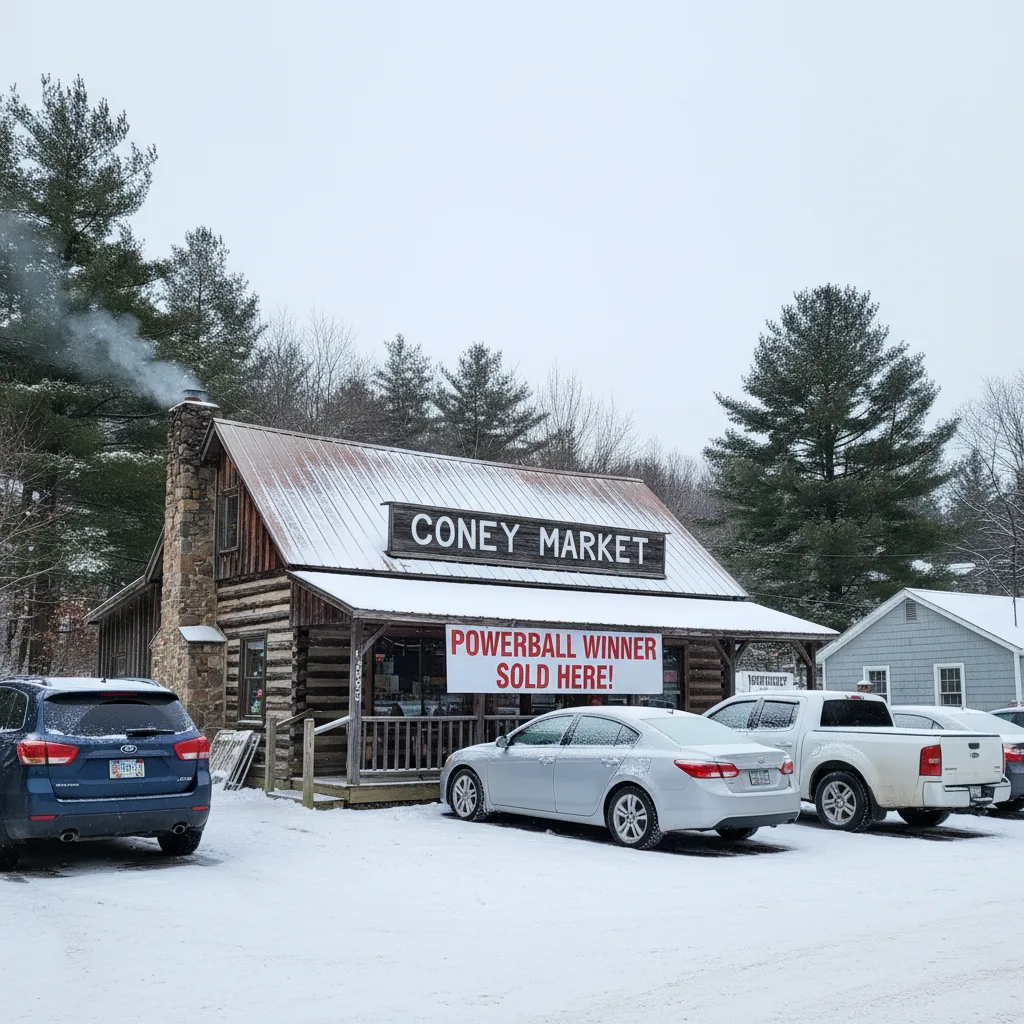
The air crackles with anticipation, a silent prayer whispered over a Quick Pick ticket. For thousands of Marylanders, that silent hope transforms into a life-altering roar. The Maryland Lottery has minted countless millionaires, each story a unique testament to the unpredictable nature of fortune. Consider the anonymous winner of a $731.1 million Powerball jackpot in January 2021, a single ticket sold at a Coney Market in Lonaconing, Allegany County – the largest prize ever won in Maryland. This quiet mountain town suddenly found itself in the international spotlight, the prize claimed by a group dubbed “The Power Pack,” who opted for anonymity, a common and often wise choice for big winners.
Beyond the colossal, multi-state jackpots, there are the more intimate, yet equally impactful, local wins. A regular customer at the Stop & Shop in Silver Spring, for instance, might quietly discover a $1 million prize on a scratch-off purchased on a whim. The Lottery’s claims center in Baltimore buzzes with a mix of nervous excitement and joyous disbelief. Here, winners receive not just their oversized checks, but also crucial guidance. They’re advised to seek financial and legal counsel, to plan for the future, and to consider the implications of sudden wealth. The Lottery even provides resources for responsible financial management, understanding that while a win can solve problems, it can also create new ones.
One enduring lesser-known detail is the “Second Chance” program, often tied to non-winning scratch-off tickets. Players can submit eligible tickets online for drawings that offer additional cash prizes, vacations, or even unique experiences, giving a non-winner another shot at glory. It’s a clever mechanism that extends the excitement and rewards loyalty, proving that even a losing ticket can hold a hidden promise within the Maryland Lottery ecosystem. These stories, whether of staggering wealth or unexpected windfalls, reinforce the lottery’s role as a purveyor of dreams, transforming ordinary lives with a single, lucky moment.
The Retailer’s Realm: The Unsung Heroes of the Maryland Lottery
Beyond the digital hum of the drawing machines and the glittering prize announcements, lies the bedrock of the Maryland Lottery: its network of over 4,400 retailers across the state. These aren’t just faceless points of sale; they are often local businesses – convenience stores, gas stations, supermarkets, and mom-and-pop shops – deeply embedded in their communities. They are the first point of contact for aspiring winners, the friendly faces who process millions of transactions daily, and the unsung heroes who keep the lottery’s pulse beating.
Consider Mike’s Food Market in Dundalk, a typical neighborhood store where lottery tickets are a constant draw. For Mike, the owner, the lottery isn’t just about commissions; it’s about customer engagement. “People come in every day for their Pick 3 numbers,” he might tell you, “and they often grab a coffee or a snack while they’re here. It brings traffic, builds relationships.” Retailers earn a 5.5% commission on every ticket sold, a vital revenue stream for small businesses. They also receive a 1% bonus for selling a winning ticket of $5,000 or more, a small but significant incentive that can turn a regular day into an exciting one.
The technology behind the counter is fascinating. Modern lottery terminals are sophisticated machines, handling sales, validating winning tickets up to $600, and printing promotional material. Retailers are trained extensively, not just on operation but also on responsible gaming practices, ensuring they don’t sell tickets to minors and can direct problem gamblers to resources. They are the front-line ambassadors, often sharing in the joy of a small win, or the quiet disappointment of a near miss, making the act of playing the Maryland Lottery a distinctly human, local experience.
The Digital Frontier and Future Horizons of the Maryland Lottery
The digital currents of the 21st century have swept through every facet of modern life, and the Maryland Lottery is no exception. While the tactile thrill of a physical scratch-off or the ritual of buying a draw ticket remains potent, the Lottery has made significant strides in embracing the online realm. Its robust website provides real-time winning numbers, jackpot updates, and detailed game information. More importantly, the Maryland Lottery app offers unprecedented convenience, allowing players to scan tickets to check for wins, enter second-chance drawings, and even create digital play slips for their favorite draw games, streamlining the in-store purchase process.
Looking ahead, the Maryland Lottery faces the exciting challenge of balancing traditional appeal with digital innovation. While full online ticket sales remain a complex regulatory hurdle for many states, the Lottery continuously explores ways to enhance the digital experience, whether through interactive games, personalized promotions, or deeper engagement with its player base. The focus is always on maintaining relevance in an increasingly digital world, attracting new generations of players while continuing to serve its loyal customer base.
Crucially, as the digital landscape expands, so does the emphasis on responsible gaming. The Lottery is acutely aware of its social responsibility, dedicating resources to promote healthy play habits and provide support for those who may develop gambling problems. This includes prominently displaying help hotlines, partnering with organizations like the Maryland Center of Excellence on Problem Gambling, and implementing self-exclusion programs. The future of the Maryland Lottery isn’t just about bigger jackpots or new games; it’s about sustainable growth, informed innovation, and an unwavering commitment to the well-being of its players and the state it serves.
Frequently Asked Questions (FAQ)
Q: How old do you have to be to play the Maryland Lottery? A: Players must be at least 18 years old to purchase and redeem Maryland Lottery tickets.
Q: Can Maryland Lottery winners remain anonymous? A: Yes, Maryland law allows lottery winners to remain anonymous. This means their name, likeness, and residential information will not be publicly released.
Q: Where does the money from the Maryland Lottery go? A: By law, the majority of Maryland Lottery proceeds are transferred to the Maryland General Fund, which supports vital state programs including education, public health, public safety, and the environment.
Q: What are the biggest Maryland-specific lottery games? A: The most popular Maryland-specific draw games are Multi-Match (a rolling jackpot game), and the daily Pick 3, Pick 4, and Pick 5 games. Keno is also a popular in-state game with frequent drawings.
The Maryland Lottery is more than just a fleeting moment of hope; it’s a testament to the power of collective engagement. From its early days fueled by legislative necessity to its current role as a multi-faceted entertainment provider and a significant state revenue generator, it reflects Maryland’s spirit of innovation and community support. It’s a delicate, yet powerful, balance between individual dreams and collective good, continually evolving, yet steadfast in its mission to enrich the lives of Marylanders, one ticket, one drawing, one dream at a time.
You might also like:
👉 The Economic & Societal Impact of Government Shutdowns
👉 Detroit’s 313 Day: Celebrating City Identity, Pride & Resilience
👉 Sustainable Futures: Investment, Cybersecurity & Future of Work