The Silent Scourge: Microplastics' Pervasive Threat to Aquatic Life
Explore the devastating impact of microplastic pollution on marine ecosystems and aquatic life. Dr. Anya Sharma's research reveals the silent, pervasive threat.
The Silent Scourge: Microplastics’ Pervasive Threat to Aquatic Life
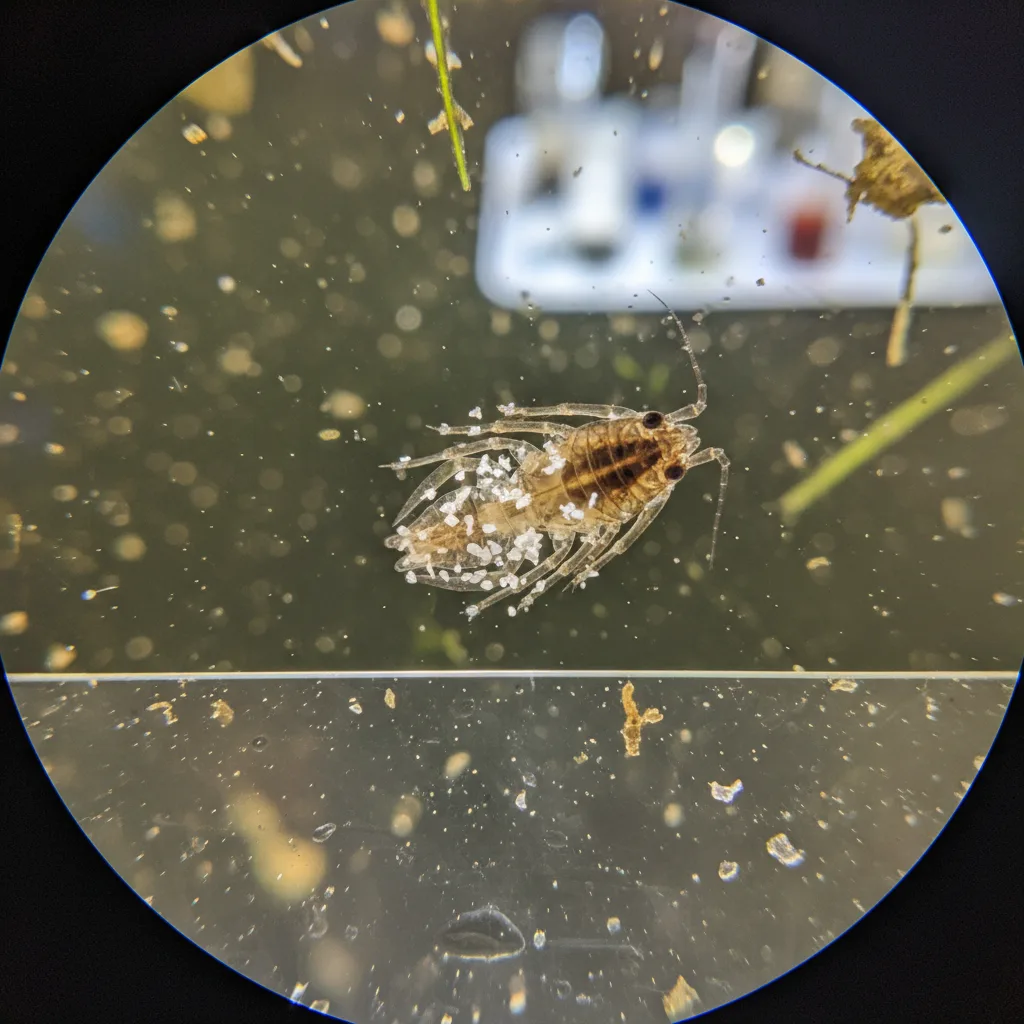
The chill of the Arctic Circle bites, even through layers of expedition gear. Dr. Anya Sharma, a marine toxicologist from the University of Plymouth, remains focused. Her eyes are fixed on a petri dish under a low-power microscope, observing the stark white plastic against the dark, murky sample. “Another one,” she murmurs, almost to herself, as she points out barely visible specks, some no bigger than a grain of salt, trapped within what was once a vibrant copepod. “And another.” This isn’t a polluted urban estuary; this is the supposedly pristine waters off Svalbard, thousands of miles from the nearest major city. If found here, Dr. Sharma asserts, microplastics are ubiquitous.
For years, headlines have highlighted plastic islands in the Pacific and heart-wrenching images of turtles entangled in fishing nets. These were macro-plastics, the visible scars. However, a more pervasive threat, slowly compromising our aquatic ecosystems, is far smaller, often invisible to the naked eye. This threat is microplastics: fragments less than 5 millimeters long, shed from sources like synthetic clothing and car tires, broken down from larger plastic debris, or manufactured directly for products such as glitter and microbeads. This is more than a trash problem; it represents a fundamental chemical and biological disruption unfolding beneath the waves.
A Pervasive Presence: From Plankton to Polar Bears
Microplastics’ widespread presence is arguably their most concerning characteristic. They have colonized every corner of our planet’s aquatic environments. From the deepest Mariana Trench, where researchers in 2019 found plastic fibers in the guts of crustaceans, to the highest mountain lakes, microplastics are now a permanent fixture. This occurs because plastic does not biodegrade; instead, it photodegrades. Sunlight and wave action break it down into smaller and smaller pieces, but it never truly disappears, only becoming microscopic.
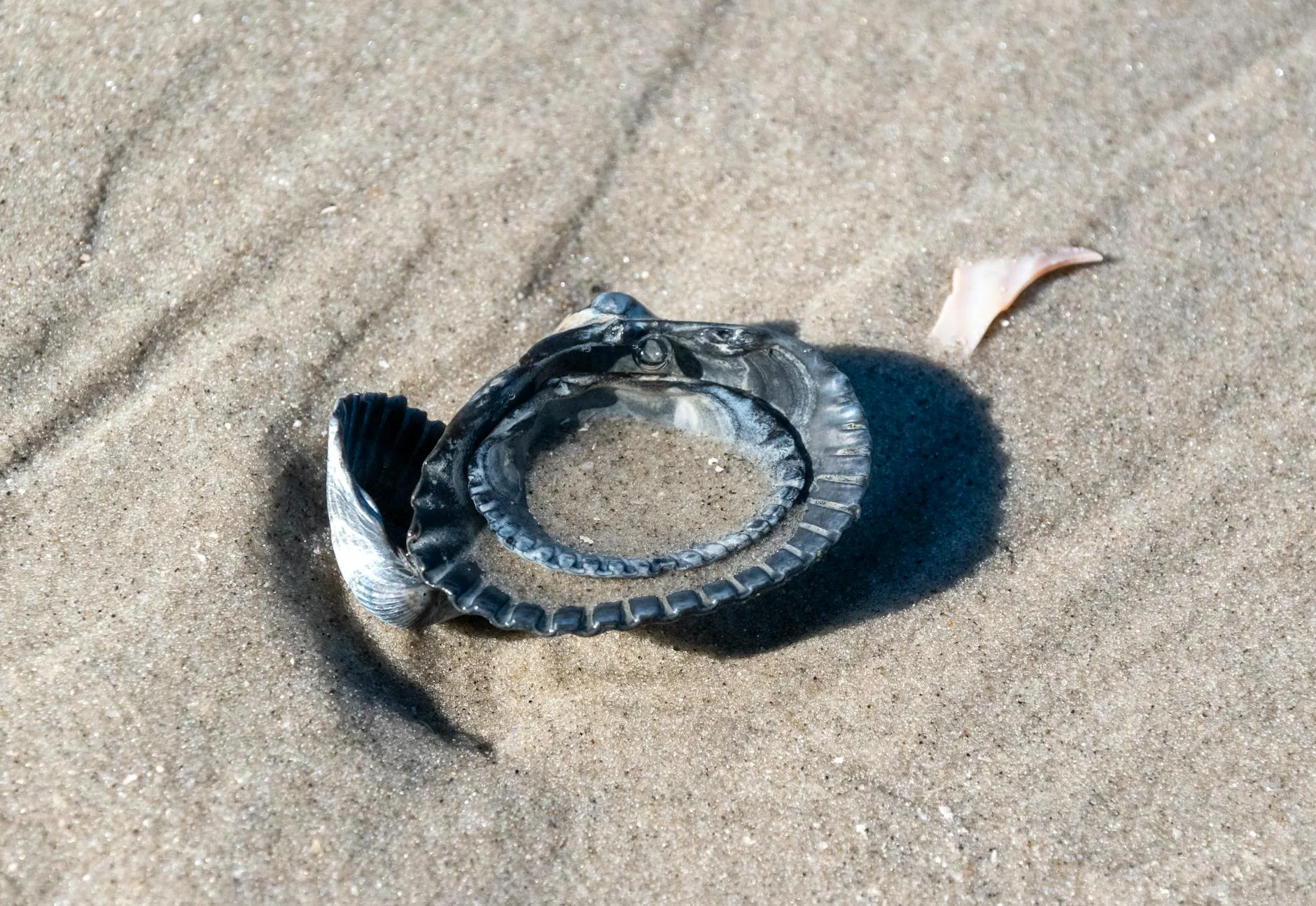 Consider the pathway. A synthetic fleece jacket sheds thousands of microfibers with every wash. These fibers bypass wastewater treatment plants—which were not designed to filter out microscopic plastic—and flow directly into rivers, then oceans. A single-use plastic bottle, discarded on a beach, bakes in the sun, gets tossed by the tide, and slowly fragments into countless pieces. The quantities are substantial. A 2018 study published in *Environmental Science & Technology* estimated that over 1.7 million plastic particles per square meter could be found on the seabed in some areas.
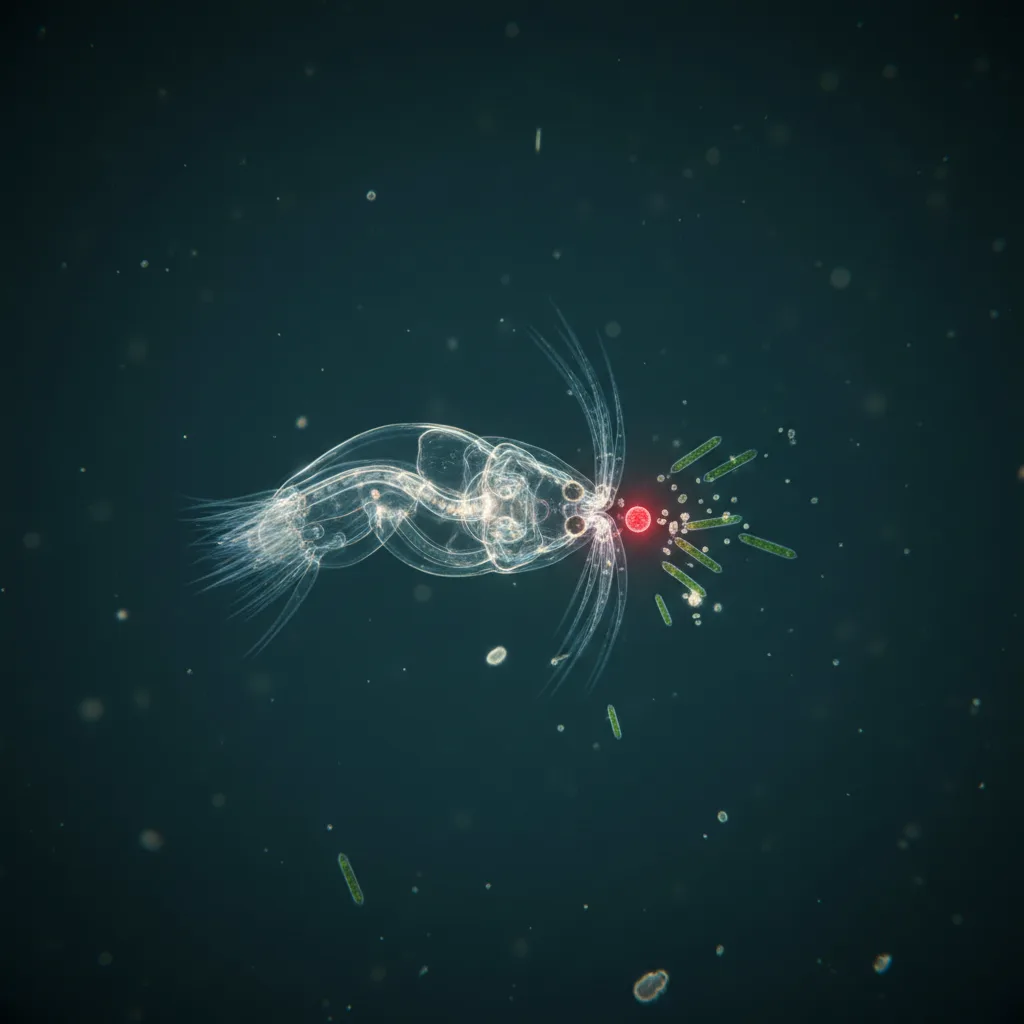
Once in the water, these tiny particles become indistinguishable from natural food sources for a vast array of aquatic organisms. Zooplankton, the very base of the marine food web, are particularly vulnerable. “They’re filter feeders,” explains Dr. Jenna Rivers, a marine biologist at the Scripps Institution of Oceanography. “They can’t tell the difference between a phytoplankton cell and a similarly sized piece of polyethylene. They just ingest it.” This presents a significant problem. A paper published in Nature Communications in 2017 revealed that microplastic ingestion could reduce energy reserves in zooplankton, affecting their growth and reproduction. Consequently, if plankton populations decline, the entire marine food web dependent on them will eventually be impacted.
The issue extends beyond the smallest creatures. Fish, shellfish, and even marine mammals are routinely found with microplastics in their digestive tracts. A 2019 report from the University of Exeter documented microplastics in every single sample of wild mussels collected from various sites around the UK coast. This widespread presence raises concerns about seafood consumption. These are not isolated incidents; rather, they signify systemic contamination occurring throughout aquatic environments.
The Body Burden: Physical Harm and Physiological Disruption
Once ingested, microplastics begin to exert their effects. The immediate, most obvious impact is physical. A tiny shard of plastic lodged in a delicate digestive tract is not benign. Research by the Plymouth Marine Laboratory (PML) has shown that microfibers can cause physical blockages and internal abrasions in the guts of smaller fish. This leads to reduced feeding, impaired nutrient absorption, and ultimately, starvation, even when food is plentiful. It presents a stark paradox: an organism starves with a belly full of indigestible material.
However, physical damage represents only one aspect of the problem. There is a more subtle, yet equally significant, physiological toll. Microplastics do not simply remain inert. They are often manufactured with a blend of chemical additives—plasticizers, flame retardants, colorants—many of which are known endocrine disruptors. When ingested, these chemicals can leach into the organism’s tissues. Professor Alistair Finch, an environmental chemist at the University of Exeter, has conducted extensive research on this. “We’re seeing evidence that these leached chemicals can interfere with hormonal systems, affecting reproduction, growth, and even immune responses,” he stated in a recent symposium. “This constitutes a chemical disruption at a cellular level.”
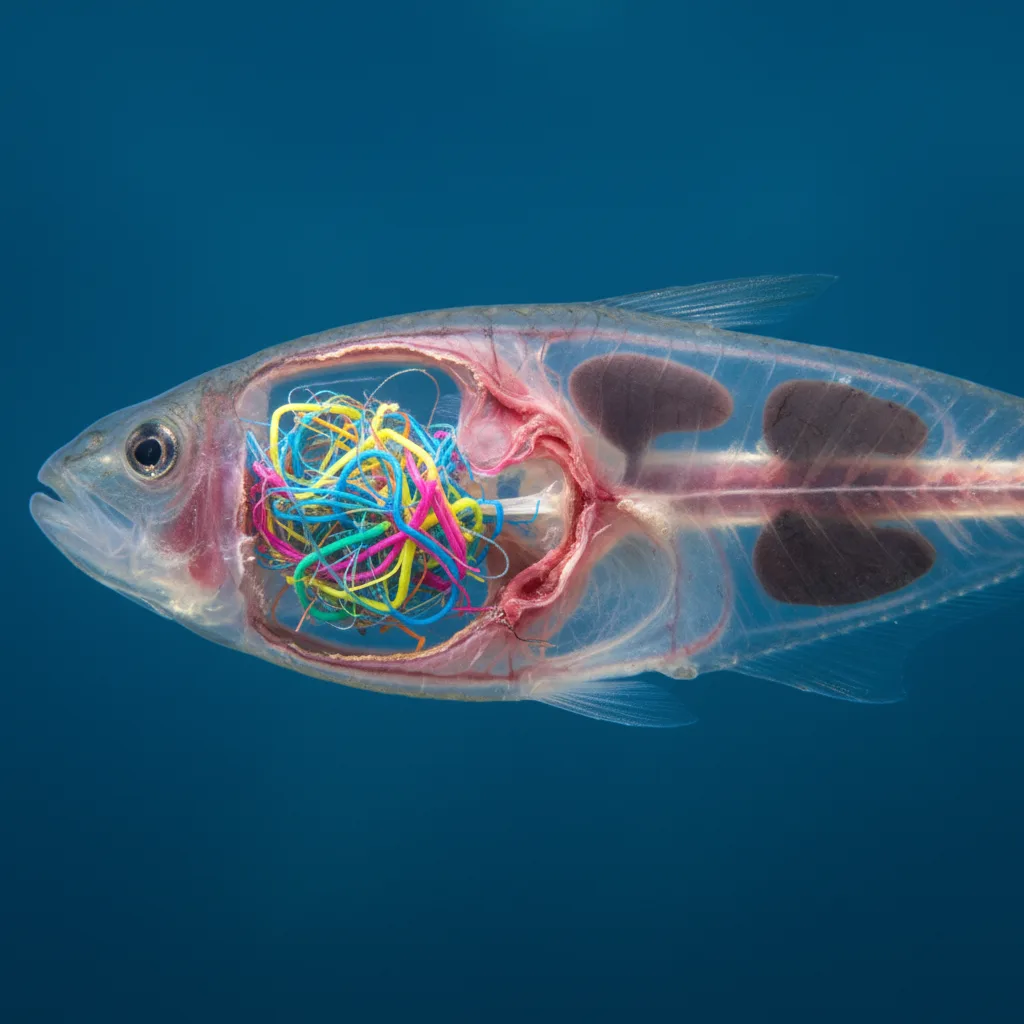
False satiation presents another significant problem. Many marine organisms, particularly filter feeders, have evolved to consume a certain volume of food to feel full. When a significant portion of that volume is indigestible plastic, they cease eating before consuming enough actual nutrients. This leads to chronic malnutrition and reduced energy allocation for vital functions like reproduction and immunity. The consequence is that countless aquatic creatures feel full, yet their bodies do not receive the necessary fuel. This impacts more than individual health; it affects population dynamics, making species more susceptible to disease and environmental stressors, effectively weakening them from within.
The Trojan Horse Effect: Chemical Contamination and Trophic Transfer
 The danger of microplastics extends far beyond their inherent toxicity or physical presence. They act as vectors, transporting an even deadlier cargo. Plastics, by their very nature, are hydrophobic, meaning they attract and absorb other water-repelling pollutants present in the water. Persistent Organic Pollutants (POPs) such as PCBs (polychlorinated biphenyls) and DDE (a breakdown product of DDT), which are highly toxic and persistent in the environment, readily bind to the surface of microplastics.
“These plastics essentially concentrate the toxins,” explains Dr. Finch. “A microplastic particle in the ocean can have concentrations of POPs orders of magnitude higher than the surrounding seawater.” When an organism ingests this plastic, it receives not only the plastic but also a concentrated dose of these environmental poisons. These chemicals then desorb from the plastic in the organism’s gut and are absorbed into its tissues, often accumulating over time—a process known as bioaccumulation.
 This is not theoretical; it has been demonstrated in numerous studies. A 2013 paper in *Environmental Science & Technology* showed that mussels exposed to microplastics adsorbed significantly more PCBs into their tissues than those exposed to PCBs alone. This phenomenon creates a clear pathway for the transfer of contaminants up the food chain, a process called trophic transfer. Zooplankton ingest contaminated microplastics, which are then consumed by small fish, and subsequently, larger fish eat the small fish, and so on. At each step, the concentration of these toxins can increase, leading to biomagnification at higher trophic levels.
For humans, as apex predators in many marine food chains, this means consuming fish, shellfish, and other seafood that have potentially accumulated these toxins. While the direct human health impacts of microplastic ingestion are still being actively researched, the potential for exposure to these associated chemicals is a serious concern. The United Nations Environment Programme (UNEP) has repeatedly pointed out the need for more research into the human health implications, noting that microplastics and their associated chemicals are likely consumed through our diet. The reality is that discarded plastic could very well end up on dinner plates, laden with poisons.
Beyond the Individual: Ecosystem-Wide Implications and the Path Forward
The scale of this problem means its effects ripple far beyond individual organisms. Weakened zooplankton populations impact fish stocks. Less healthy fish, in turn, affect marine mammals and seabirds. Dr. Eleanor Vance, an ecologist at the Woods Hole Oceanographic Institution, describes the situation precisely: “We’re not just looking at sick fish; we’re looking at potential shifts in entire marine ecosystems. Biodiversity loss, altered food web dynamics, reduced resilience to climate change – these are the macro-level consequences of microplastic pollution.”
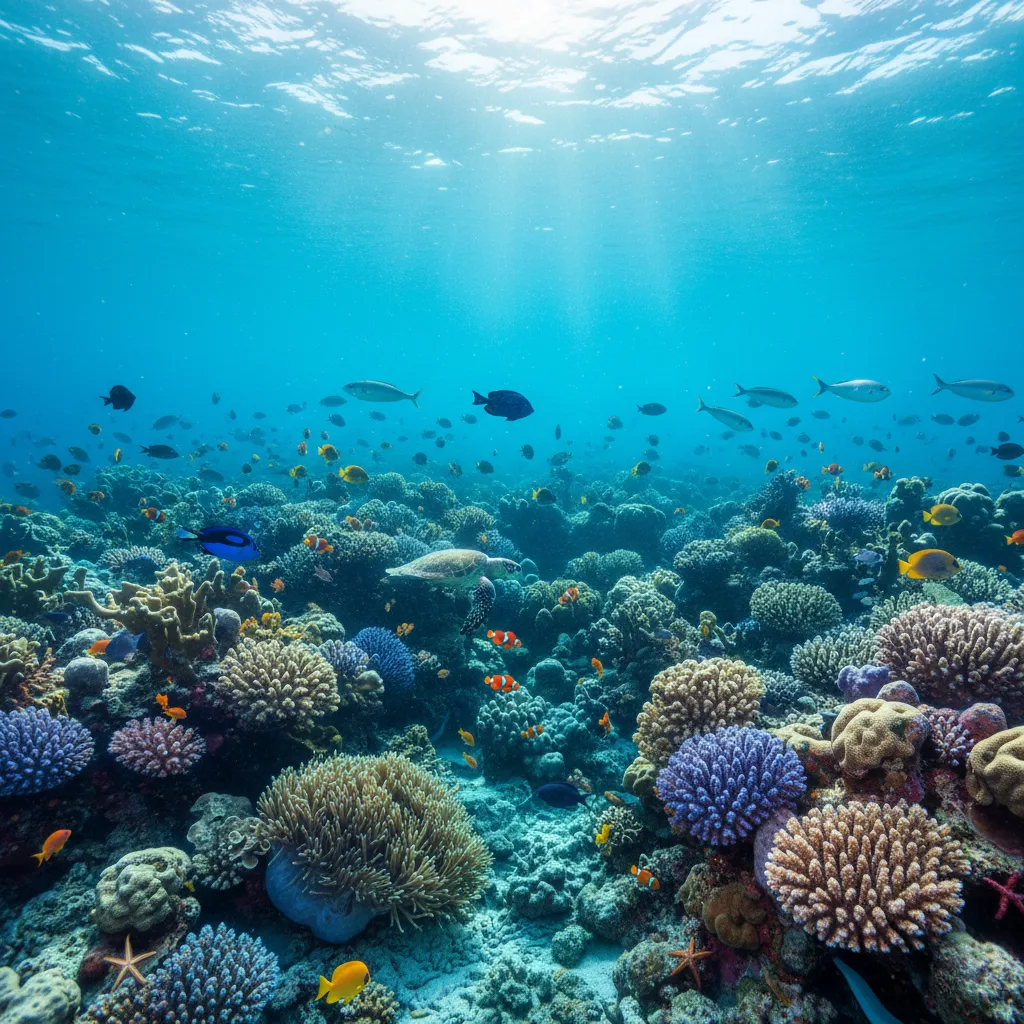
Consider coral reefs, already under immense pressure from ocean acidification and rising temperatures. Microplastics have been found embedded in coral tissues, causing tissue necrosis and inhibiting growth. If the very builders of these vital underwater cities are compromised, the outlook for the thousands of species that depend on them becomes concerning. This represents a complex web where a foundational strand is being pulled.
Addressing this issue requires solutions as complex as the problem itself, necessitating many different strategies. First, a drastic reduction in plastic production and consumption is essential. This means moving away from single-use plastics, developing truly biodegradable alternatives, and designing products for longevity and recyclability. Companies such as Patagonia are investing in technologies to reduce microfiber shedding from clothing. Policy changes are also vital. Banning microbeads in cosmetics, as many countries have done, was a positive initial step, but further comprehensive measures are needed. Stronger regulations on plastic production, waste management, and industrial emissions are imperative.
Second, continued research remains essential. Significant gaps persist in our understanding of the long-term, combined effects of microplastics with other stressors like climate change. More field studies, beyond laboratory experiments, are needed to understand the real-world impacts on wild populations. Organizations such as the Joint Group of Experts on the Scientific Aspects of Marine Environmental Protection (GESAMP) continue to call for more coordinated global research efforts. The extent of unknown impacts is perhaps the most unsettling aspect of this invisible threat.
Finally, the enormous task of remediation presents significant challenges. While large-scale ocean cleanups, such as those proposed by The Ocean Cleanup project, address macro-plastics, removing microplastics from the vastness of the ocean remains a technological and logistical nightmare. Efforts are underway to develop advanced filtration systems for wastewater treatment plants, and some new concepts are exploring bioremediation using microbes. However, for now, prevention remains the most effective strategy. While the legacy of past plastic pollution will affect our oceans for centuries, it is crucial to prevent future accumulation. This is not merely an environmental issue; it represents a global health crisis unfolding gradually, demanding immediate and serious attention.
Frequently Asked Questions About Microplastic Pollution
What exactly are microplastics? Microplastics are tiny plastic fragments, typically smaller than 5 millimeters. They form either from the breakdown of larger plastic debris or are intentionally manufactured for products such as cosmetic microbeads and industrial abrasives.
How do they enter aquatic environments? They enter through various pathways: wastewater from washing synthetic clothing, industrial runoff, fragmentation of larger plastic litter, and accidental spills. Most wastewater treatment plants are unable to effectively filter them out.
What immediate harm do they cause aquatic animals? Immediately, they can cause physical blockages and abrasions in digestive systems. Animals may experience “false satiation”—feeling full from plastic rather than nutrients—leading to malnutrition and hindering growth or reproduction.
Do microplastics carry other hazardous chemicals? Yes. Microplastics are known to attract and absorb other water-repelling pollutants, such as PCBs and DDT, from the surrounding environment. When an animal ingests these plastics, the chemicals can leach into its tissues, accumulating over time (bioaccumulation) and potentially increasing in concentration as they move up the food chain (biomagnification).
You might also like:
👉 Quartz Mining’s Environmental & Social Toll: Uncovering Hidden Costs
👉 Super El Niño 2026 Predictions: Global Impact & What to Expect
👉 Sustainable Futures: Investment, Cybersecurity & Future of Work