
Mind-Blowing WW2 Facts: Unbelievable Stories Beyond Textbooks
Dive deep into World War 2's untold narratives. Discover bizarre, ingenious, and utterly human facts that redefine everything you thought you knew about the conflict.
Beyond the Textbooks: Mind-Blowing Facts About World War 2 You Won’t Believe
Imagine a war so vast, so all-encompassing, that its true depths remain uncharted territory for most. We think we know World War 2: the battles, the leaders, the dates. But beneath the surface of history books lie stories so bizarre, so ingenious, and so utterly human that they redefine our understanding of conflict. As a journalist for TrendSeek, I’ve dug deep, past the familiar narratives, to unearth some truly mind-blowing facts about World War 2 that will challenge everything you thought you knew. Prepare to have your perception of history irrevocably altered.
The Corpse Who Conned Hitler: Operation Mincemeat’s Audacious Deception
What if the fate of an entire invasion hinged on a dead man, a fake identity, and a briefcase full of lies? That’s precisely the premise of Operation Mincemeat, one of the most audacious deceptions in military history. In April 1943, British intelligence conceived a plan to mislead the Axis powers about the Allied invasion of Sicily. Their solution? A meticulously crafted ruse involving a corpse, given the identity of “Major William Martin” of the Royal Marines.
The body, dressed in a uniform, was equipped with a briefcase chained to his wrist containing fake “top secret” documents suggesting the Allies planned to invade Greece and Sardinia, not Sicily. Major Martin’s fictional persona was painstakingly detailed: love letters, theatre tickets, even an overdraft notice, all designed to make him utterly convincing. The body was then released from a submarine off the coast of Huelva, Spain, where it was sure to be discovered by a neutral nation with Axis sympathies.
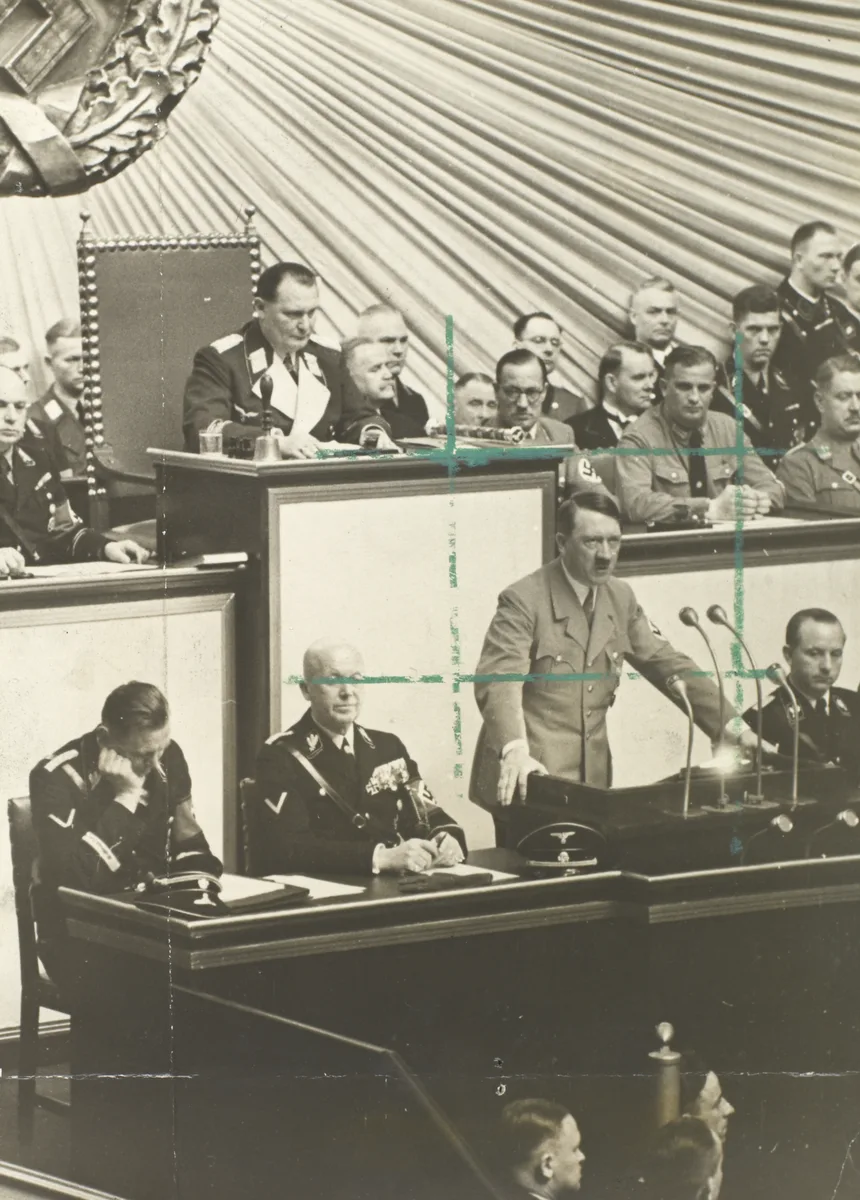 The deception worked flawlessly. Spanish authorities, believing they had found a genuine courier, passed the documents to German intelligence. Hitler himself, convinced by the "irrefutable" evidence, diverted significant forces to Greece and Sardinia, fatally weakening Sicily's defenses. This brilliant, macabre theatre of war undoubtedly saved thousands of Allied lives and paved the way for a successful invasion. It's a testament to the fact that sometimes, the most powerful weapon isn't a bomb, but a well-told lie.
Fur, Feathers, and Fire: Animals in World War 2’s Unseen Roles
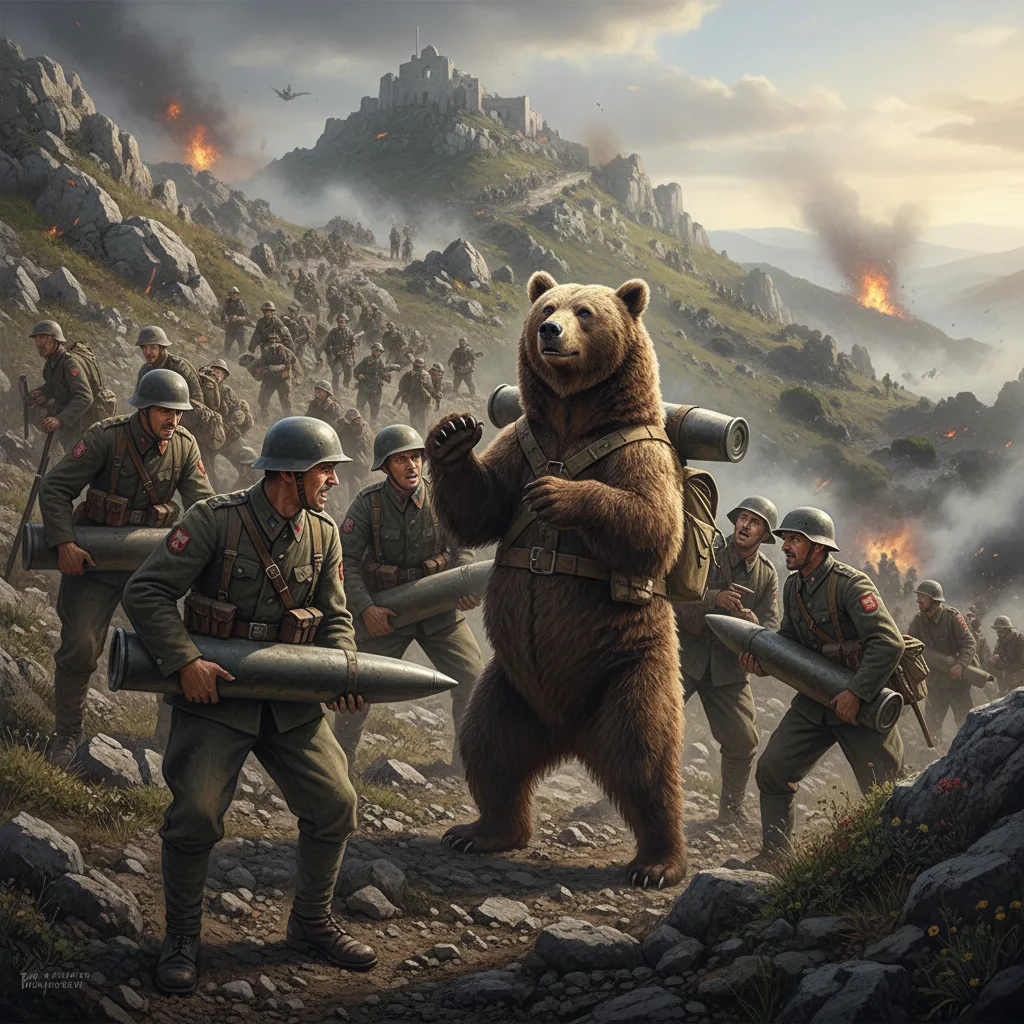
While human stories dominate the annals of war, the animal kingdom played its own astonishing, often overlooked, part. From loyal companions to unwitting weapons, animals served in capacities that stretch the imagination. Take Wojtek the Bear, a Syrian brown bear adopted by Polish soldiers in Iran, who became an official enlisted soldier of the 22nd Artillery Supply Company. Wojtek not only accompanied his comrades through various campaigns but even helped them carry heavy artillery shells during the Battle of Monte Cassino, moving crates the men struggled with. His reward? Beer, cigarettes (which he ate), and a promotion to corporal.
Less charming, but equally bizarre, was the American “Bat Bomb” project (Project X-Ray). Envisioned by a dental surgeon named Lytle S. Adams, the plan involved strapping small incendiary devices to millions of Mexican free-tailed bats, dropping them from planes over Japanese cities, and allowing them to roost in buildings before the bombs detonated. The idea was that the bats would spread the fires far more effectively than conventional bombing raids.
Despite extensive testing, which included an accidental fire at an air base caused by some escaped bats, the project was ultimately deemed too impractical and was cancelled in 1944. Still, the sheer audacity of planning to weaponize an entire species of nocturnal mammals against an enemy city remains one of the most peculiar and mind-blowing facts about World War 2. These animal tales remind us of the desperate ingenuity and strange partnerships forged in the crucible of global conflict.
The Unseen War: Codebreaking and the Ultra Secret
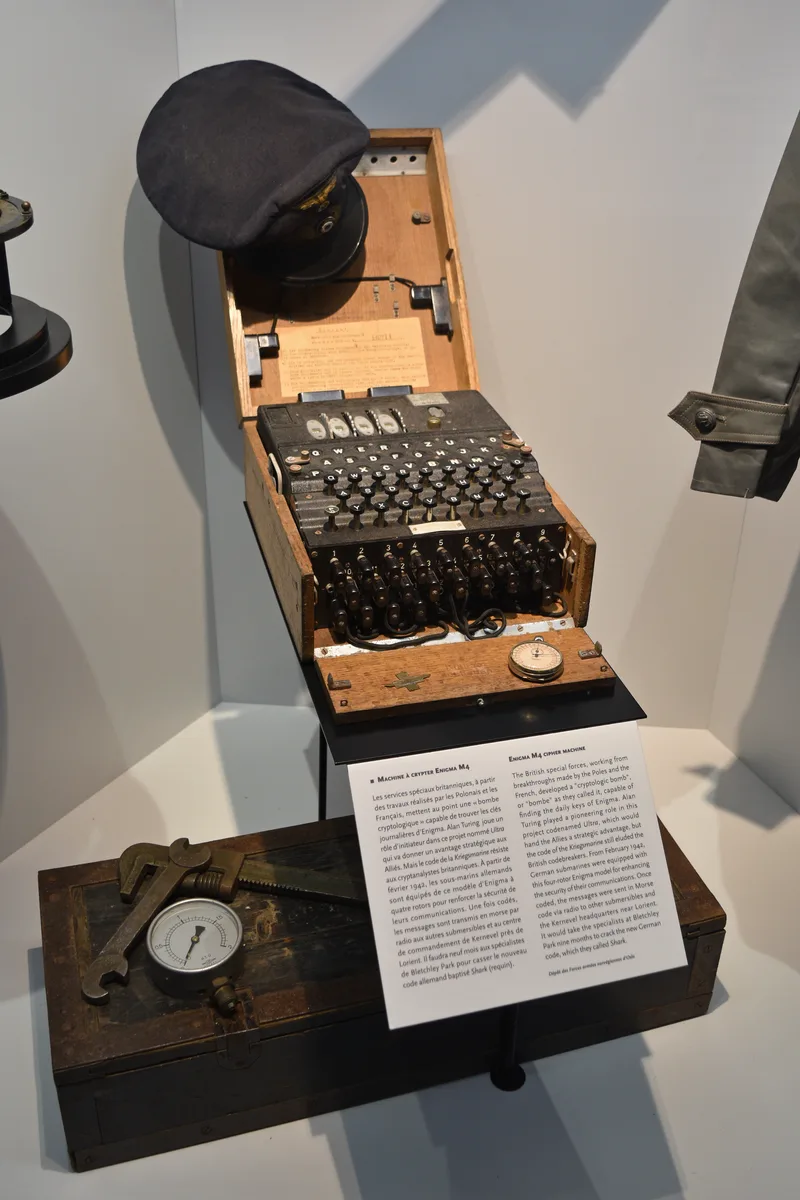 The roar of tanks and the scream of dive bombers often overshadow the silent, intellectual warfare waged in hidden rooms, yet it was here that some of the war's most decisive victories were won. The breaking of the **Enigma code** at **Bletchley Park** in England stands as one of the greatest intelligence triumphs in history. German forces believed their Enigma machines, which encrypted their communications, were unbreakable. They were wrong.
A team of brilliant mathematicians, linguists, and engineers, including the legendary Alan Turing, worked tirelessly to decipher the complex rotor-based encryption. Their success, codenamed Ultra, provided the Allies with invaluable real-time intelligence on German military plans, U-boat movements, and troop dispositions. This intelligence was so crucial that it is widely credited with shortening the war by an estimated two to four years, saving countless lives.
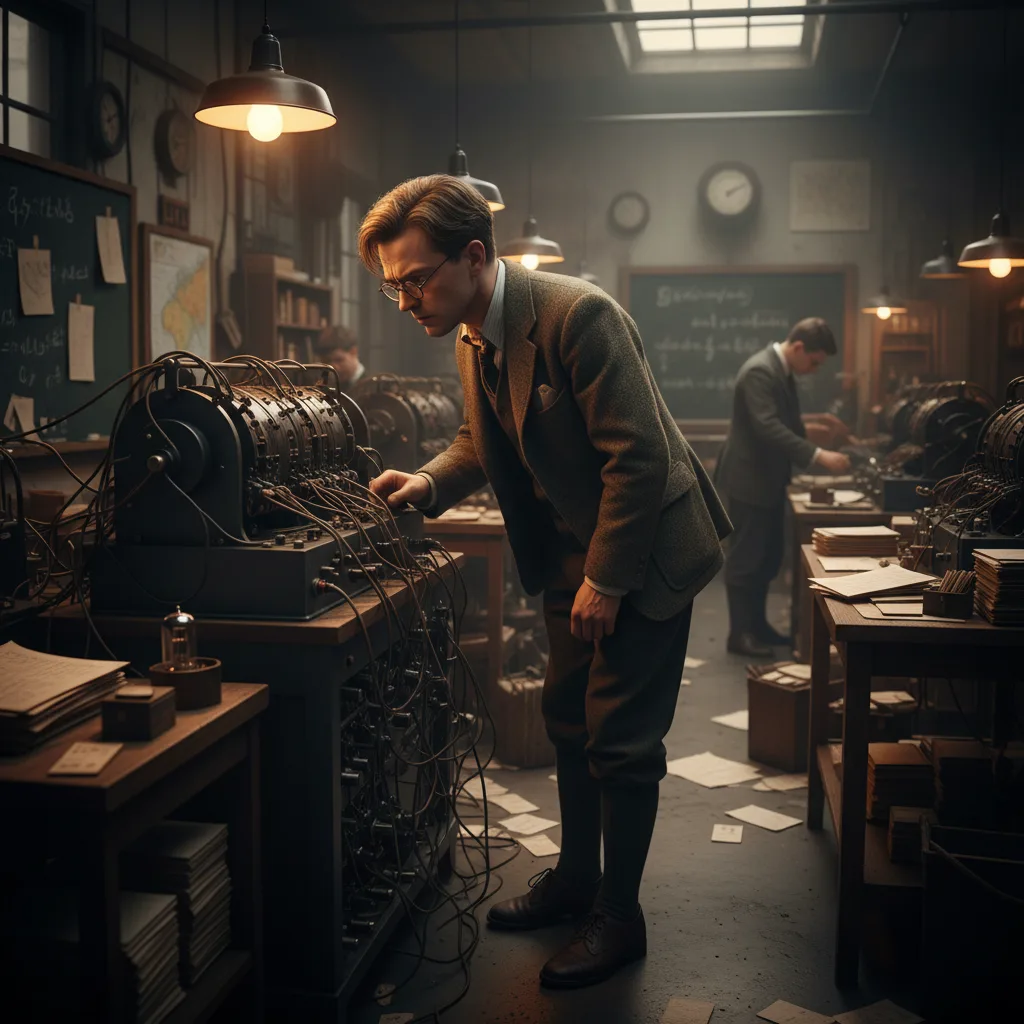
The secrecy surrounding Ultra was absolute; even many high-ranking officers were unaware of its existence and the true source of the intelligence they received. This meant commanders often had to make decisions that seemed illogical to their subordinates, to avoid revealing the source. Imagine having knowledge that could win the war, but being unable to fully explain your reasoning for fear of losing that advantage. The weight of such a secret, carried by thousands of individuals for decades after the war, is a testament to the profound impact of this unseen battleground.
Unlikely Heroes & Hidden Strengths: Women on Every Front
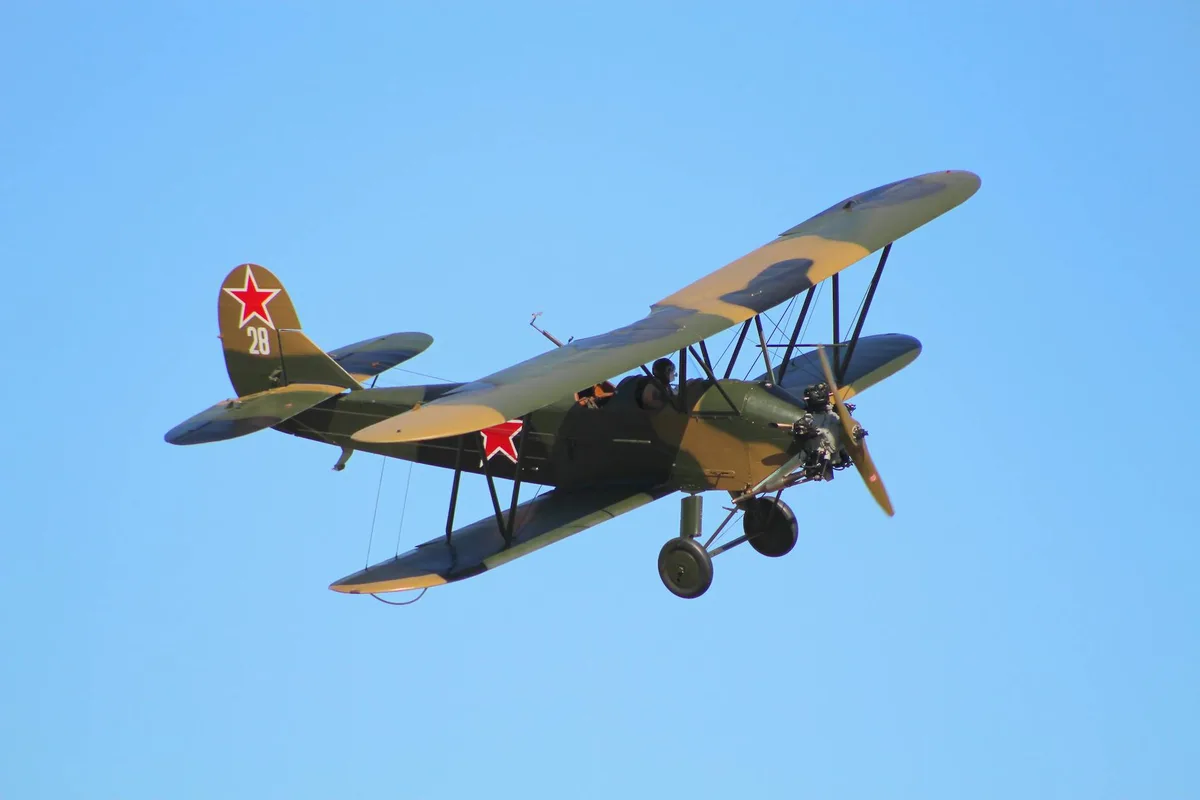 While men marched to the front lines, women often became the backbone of the war effort, taking on roles previously unimaginable and proving their mettle in every conceivable sphere. In the Soviet Union, women were not only factory workers and nurses but also formidable combatants. The **"Night Witches"** (Nachthexen) were an all-female bomber regiment, the 588th Night Bomber Regiment, who flew slow, antiquated Polikarpov Po-2 biplanes on daring night missions, harassing German lines.
These pilots, often flying without parachutes to save weight for more bombs, would cut their engines near targets, gliding silently before dropping their payloads – a sound the Germans likened to a witch’s broomstick. Their bravery and effectiveness earned them immense respect and fear, completing over 23,000 sorties and dropping 3,000 tons of bombs. Their story is a powerful reminder that heroism knows no gender.
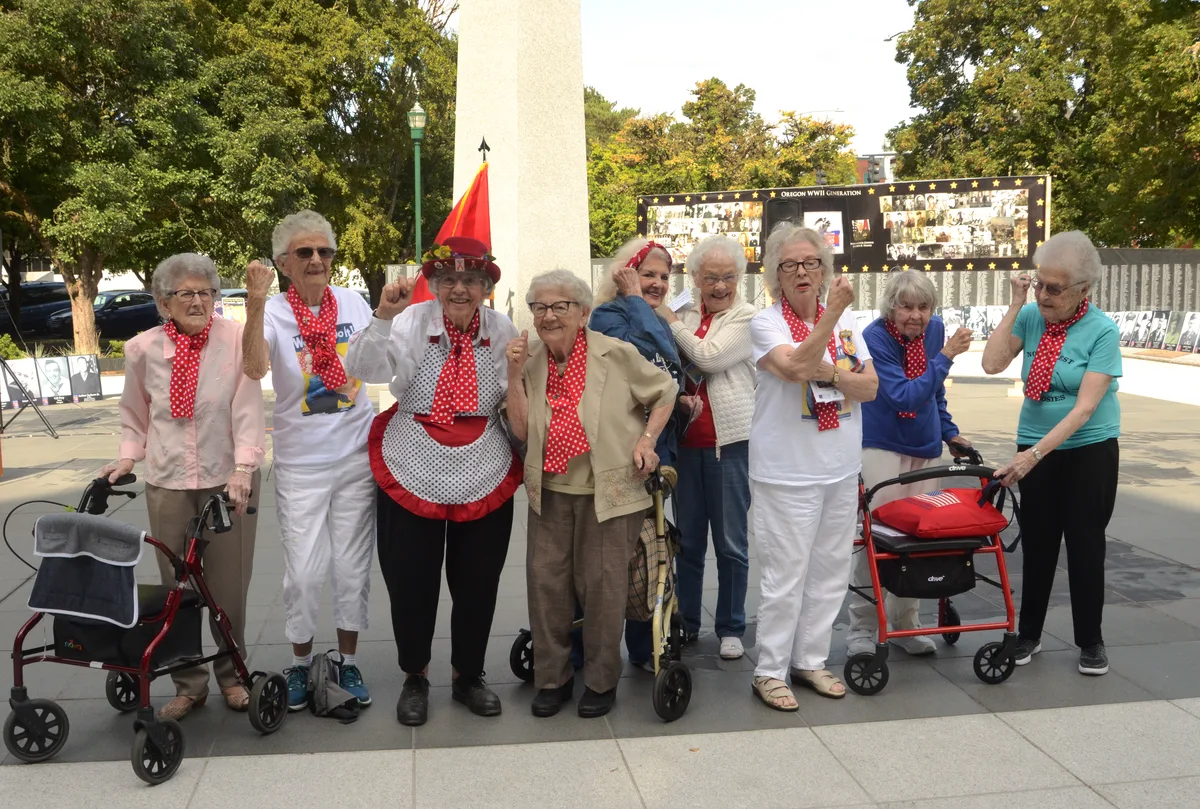 Across the Atlantic, women in America flocked to factories, becoming **"Rosie the Riveters"** and producing an unprecedented volume of war materials. But beyond the assembly lines, women also served as pilots in the **Women Airforce Service Pilots (WASP)** program, ferrying aircraft, towing targets for live-fire practice, and testing new planes. Though not officially considered military personnel until decades later, their contributions were vital, freeing up male pilots for combat duty. These women not only helped win the war but shattered gender barriers, demonstrating capabilities that forever changed societal expectations.
The Industrial Juggernaut: How Production Won the War
World War 2 wasn’t just fought with bullets and bombs; it was also a war of industrial might, a relentless race to out-produce the enemy. And in this race, the United States emerged as an unparalleled powerhouse, unleashing a torrent of material that astounded the world. President Franklin D. Roosevelt famously declared America would become the “Arsenal of Democracy,” and it delivered beyond all expectations.
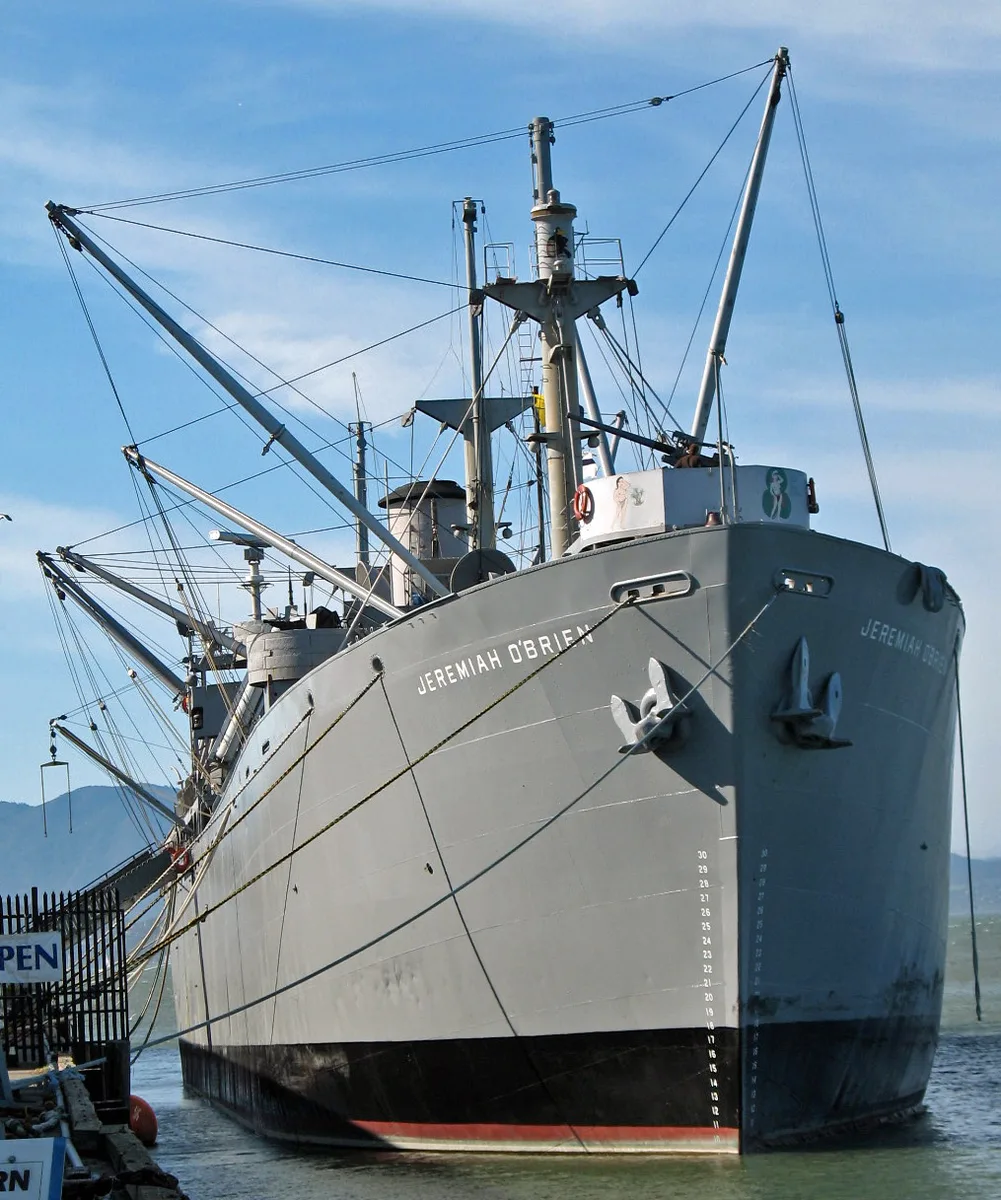 Consider the **Liberty Ships**: these cargo vessels were mass-produced with astonishing speed. Initially taking 230 days to build, by 1943, the average time dropped to just 42 days. One ship, the SS Robert E. Peary, was famously built in a mere 4 days, 15 hours, and 29 minutes. Over 2,700 Liberty Ships were constructed during the war, forming the vital lifeline that transported troops, tanks, and supplies across the globe, overwhelming Axis U-boat efforts.
The sheer scale of American production is one of the most mind-blowing facts about World War 2. Between 1940 and 1945, the U.S. produced: 86,000 tanks, 296,000 aircraft, 6.5 million rifles, 41 billion rounds of ammunition, and 2.6 million machine guns. This industrial output dwarfed that of all the Axis powers combined, demonstrating that a nation’s ability to mobilize its workforce and resources can be as decisive as any battlefield victory. It was a testament to the power of collective effort and ingenuity under immense pressure.
Bizarre Weapons & Experimental Tech: The War’s Wildest Innovations
The desperation of war often sparks incredible, sometimes outlandish, innovation. World War 2 saw the development of technologies that ranged from game-changing to utterly bizarre. While radar and jet engines revolutionized warfare, other projects delved into truly wild territory, revealing another layer of mind-blowing facts about World War 2.
Take Project Habakkuk, a British-American proposal to build an aircraft carrier made of pykrete – a composite of wood pulp and ice. This colossal vessel, envisioned to be 2,000 feet long and weighing 2 million tons, was designed to be unsinkable and impervious to torpedoes, intended for use in the mid-Atlantic where conventional airfields were scarce. While a scaled-down prototype was built and successfully tested on Lake Patricia in Canada, the logistical challenges and the development of longer-range aircraft ultimately led to its cancellation.
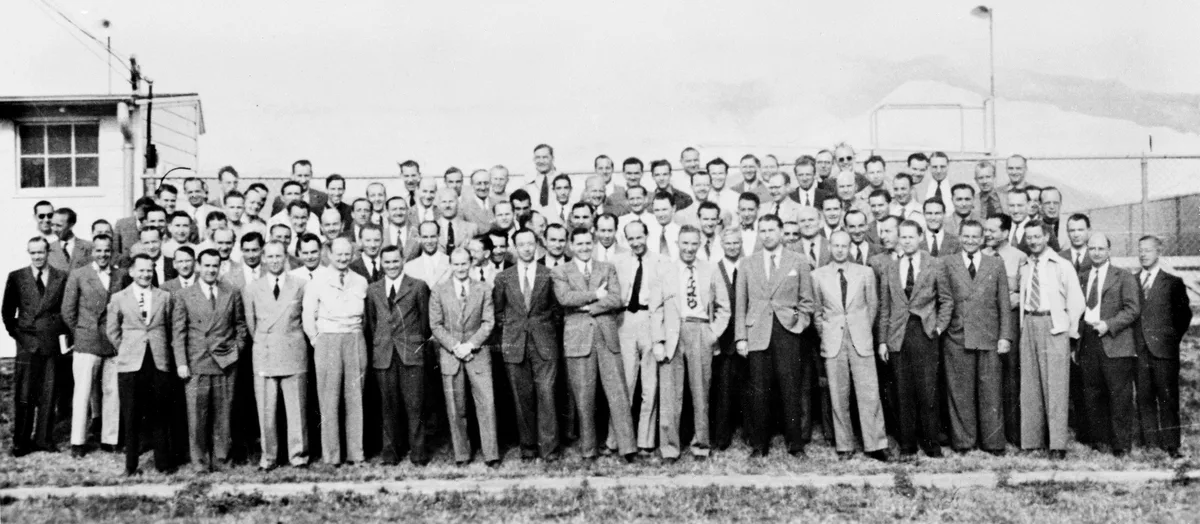 On the German side, the **V-weapons (Vergeltungswaffen - "retaliation weapons")** represented a terrifying leap in missile technology. The **V-1 flying bomb**, a pulse-jet powered cruise missile, and the **V-2 rocket**, the world's first long-range guided ballistic missile, were unprecedented terror weapons. The V-2, developed by **Wernher von Braun** (who would later work for NASA), was capable of supersonic flight, making it impossible to intercept. These weapons, though ultimately failing to turn the tide of the war, foreshadowed the missile age and the Cold War arms race, demonstrating the destructive potential of unchecked scientific ambition.
The Unimaginable Scale: Surviving the Unsurvivable
The human cost of World War 2 is staggering, with estimates ranging from 70 to 85 million fatalities, making it the deadliest conflict in history. But beyond the numbers lie individual stories of unimaginable endurance and survival against impossible odds, which are some of the most mind-blowing facts about World War 2.
Consider the Siege of Leningrad, which lasted for 872 days, from September 1941 to January 1944. During this brutal blockade by German and Finnish forces, the city’s inhabitants faced starvation, extreme cold, and constant bombardment. Over a million civilians died, primarily from hunger and disease, yet the city never surrendered. Its people displayed incredible resilience, continuing to work in factories, schools, and hospitals, even as they wasted away. The sheer will to survive under such conditions is a testament to the indomitable human spirit.
Then there are the personal tales of survival. Poon Lim, a Chinese sailor, survived 133 days adrift in the South Atlantic after his ship, the SS Benlomond, was sunk by a German U-boat. He survived on rainwater, salvaged biscuits, and fish he caught, eventually being rescued by Brazilian fishermen. His incredible feat of endurance remains one of the longest individual survival stories at sea. These stories, both collective and individual, underscore the horrific depths of suffering and the extraordinary capacity for survival that defined this global cataclysm.
Conclusion
The more we delve into World War 2, the more we uncover layers of ingenuity, cruelty, heroism, and sheer human endurance that defy easy categorization. From the silent battles of codebreakers to the audacious deceptions of spies, from the industrial might of nations to the individual struggles for survival, the war was a crucible that forged an astonishing array of experiences. The mind-blowing facts about World War 2 presented here are not just curiosities; they are vital pieces of a complex mosaic, reminding us that history is never static. It’s a living narrative, constantly revealing new insights that challenge our assumptions and deepen our understanding of one of humanity’s most pivotal conflicts. What other secrets lie waiting to be unearthed?
You might also like:
👉 Mind-Blowing Historical Facts You Won’t Believe Are Real
👉 Biggest Unsolved Mysteries in History: Ancient Enigmas & Modern Puzzles
👉 Unearthing History: Famous Archaeological Discoveries & Their Impact