
Munich Re's $270B Warning: Fortifying Economies Now
With natural disasters costing $270 billion in 2021, nations must build economic resilience to absorb, adapt, and recover from global shocks.
Nations fortify economies against future shocks
Economic stability faces global threats. Natural disasters alone cost $270 billion in 2021, Munich Re reported. These events require a global focus. Building economic resilience is key. That means an economy’s ability to absorb, adapt to, and recover from various shocks.
Instability is rising. Financial crises, pandemics, and geopolitical conflicts all pose threats. Climate change impacts global systems. These challenges highlight the need for strong economic defenses. Governments, international bodies, and businesses now make this a priority. They want to reduce vulnerabilities and speed up recovery.
The rising tide of economic shocks
The 2008 financial crisis revealed deep systemic weaknesses. It began with subprime mortgage defaults in the United States. The shock quickly spread worldwide. The International Monetary Fund (IMF) estimated global GDP losses in the trillions. Millions lost jobs. This crisis proved how interconnected global markets are.
More recently, the COVID-19 pandemic paralyzed economies. Supply chains fractured. Travel halted. Lockdowns caused widespread business closures. The World Bank reported a 3.4% contraction in global GDP for 2020. This was the deepest recession since World War II. It severely tested every nation’s ability to absorb economic shock.
Climate-related disasters are another growing threat. Extreme weather events happen more often. They cause immense physical damage. They disrupt agriculture and infrastructure. The United Nations Office for Disaster Risk Reduction (UNDRR) tracks these impacts. They noted over 7,000 major climate-related events between 2000 and 2019. These events cost trillions of dollars.
Geopolitical tensions also create economic instability. Trade disputes, like those between the US and China, disrupt global commerce. Sanctions after Russia’s invasion of Ukraine impacted energy markets. They also affected food supplies. Dr. Adam Tooze, an economic historian, called these “polycrisis” events. These events require diverse strategies.
National strategies for greater durability
Nations are now implementing specific policies to strengthen their economies. Germany launched its Kurzarbeit short-time work scheme. This program saved millions of jobs during the COVID-19 pandemic. It subsidized wages for reduced hours. This prevented mass unemployment. The Federal Ministry of Labour estimates it supported 6 million workers in 2020. This is an effective policy.

Germany's Kurzarbeit program, meaning 'short-time work,' subsidized wages for millions of workers during the COVID-19 pandemic, preventing mass unemployment and demonstrating a key strategy for economic resilience. (Source: thelocal.de)
Diversifying national economies is a key strategy. Countries historically reliant on single commodities face higher risks. Saudi Arabia’s Vision 2030 aims to reduce oil dependence. It invests in tourism, technology, and manufacturing. The Kingdom wants to create new revenue streams. This protects its economy from oil price volatility.
Strengthening supply chains has become crucial. The US passed the CHIPS and Science Act in 2022. This law allocates $52.7 billion for domestic semiconductor manufacturing. It reduces reliance on foreign chip production. Secretary of Commerce Gina Raimondo emphasized national security benefits. It also aims to prevent future shortages.
Building fiscal buffers provides critical shock absorption. Norway’s Government Pension Fund Global holds over $1.4 trillion. This sovereign wealth fund invests oil revenues abroad. It provides a financial cushion. This protects Norway’s economy from commodity price swings. It also supports future generations.
Investing in strong infrastructure is essential. The European Investment Bank (EIB) committed €72.5 billion in 2022. These funds supported sustainable transport and digital networks. Such investments improve connectivity. They also protect against climate impacts. They ensure essential services continue during disruptions.
Global cooperation and regional frameworks
International cooperation plays an important role. The International Monetary Fund provides financial assistance. It offers policy advice to member countries. During the pandemic, the IMF approved $175 billion in emergency financing. This supported 90 countries. It helped stabilize economies.
Regional blocs make collective resilience stronger. The European Union established its Recovery and Resilience Facility (RRF) in 2021. This €723.8 billion instrument supports reforms and investments. Member states proposed plans. These focused on green and digital transitions. They aimed to lessen pandemic fallout.
Trade agreements bring stability. The World Trade Organization (WTO) promotes open, non-discriminatory trade. This reduces reliance on single trading partners. It also encourages market access. Director-General Ngozi Okonjo-Iweala advocates for stronger global trade rules. These help prevent protectionist measures during crises.
The G20 group of major economies coordinates global responses. They address financial stability and sustainable development. In 2020, the G20 endorsed a debt service suspension initiative. This helped 73 low-income countries. It freed up resources for health and social spending. This prevented deeper economic distress.

The CHIPS and Science Act aims to boost domestic production of semiconductors, crucial components for modern technology. A state-of-the-art semiconductor manufacturing facility, or 'fab,' is a highly complex and sterile environment where microchips are produced, representing a critical investment in national security and economic resilience. (Source: magnific.com)
Multilateral development banks offer long-term support. The World Bank Group provides financing and technical assistance. It helps developing countries build infrastructure. It also strengthens institutions. This promotes diverse growth. It equips nations to better withstand future shocks.
Business and community adaptations
Economic resilience also takes root at local levels. Small and Medium Enterprises (SMEs) are particularly vulnerable to shocks. The Organization for Economic Co-operation and Development (OECD) highlights their importance. SMEs account for over 90% of businesses globally. They provide two-thirds of all jobs.
Many SMEs adopted digital tools during the pandemic. Online sales platforms allowed businesses to continue operations. This reduced reliance on physical storefronts. The US Small Business Administration (SBA) offered emergency loans. These helped small businesses survive closures. They demonstrated strong adaptability.
Local governments implement disaster preparedness plans. Cities like Rotterdam, Netherlands, invest in flood defenses. They also develop water management strategies. This protects urban economies from climate impacts. It ensures business continuity. It safeguards critical infrastructure.
Community-based initiatives build local strength. Farmers’ markets and local food networks reduce supply chain reliance. They support local producers. This helps economic self-sufficiency. Dr. Julian Agyeman of Tufts University advocates for “just sustainability.” This approach integrates social equity with resilience.
Workforce development programs prepare for future changes. Germany’s Federal Employment Agency offers retraining. It helps workers adapt to automation and green jobs. This ensures a skilled labor force. It minimizes unemployment during economic transitions. Such proactive measures are effective.
Future challenges and opportunities
The path to greater economic resilience is continuous. Climate change will intensify. Extreme weather events will become more common. This requires continued investment in green infrastructure. It also requires adaptation measures. The Intergovernmental Panel on Climate Change (IPCC) projects increased economic damage.
Geopolitical fragmentation poses continuing risks. Trade blocs may become more insular. Supply chains could further regionalize. This might reduce global efficiencies. It could also increase costs. Dr. Raghuram Rajan of the University of Chicago warns against excessive de-globalization.
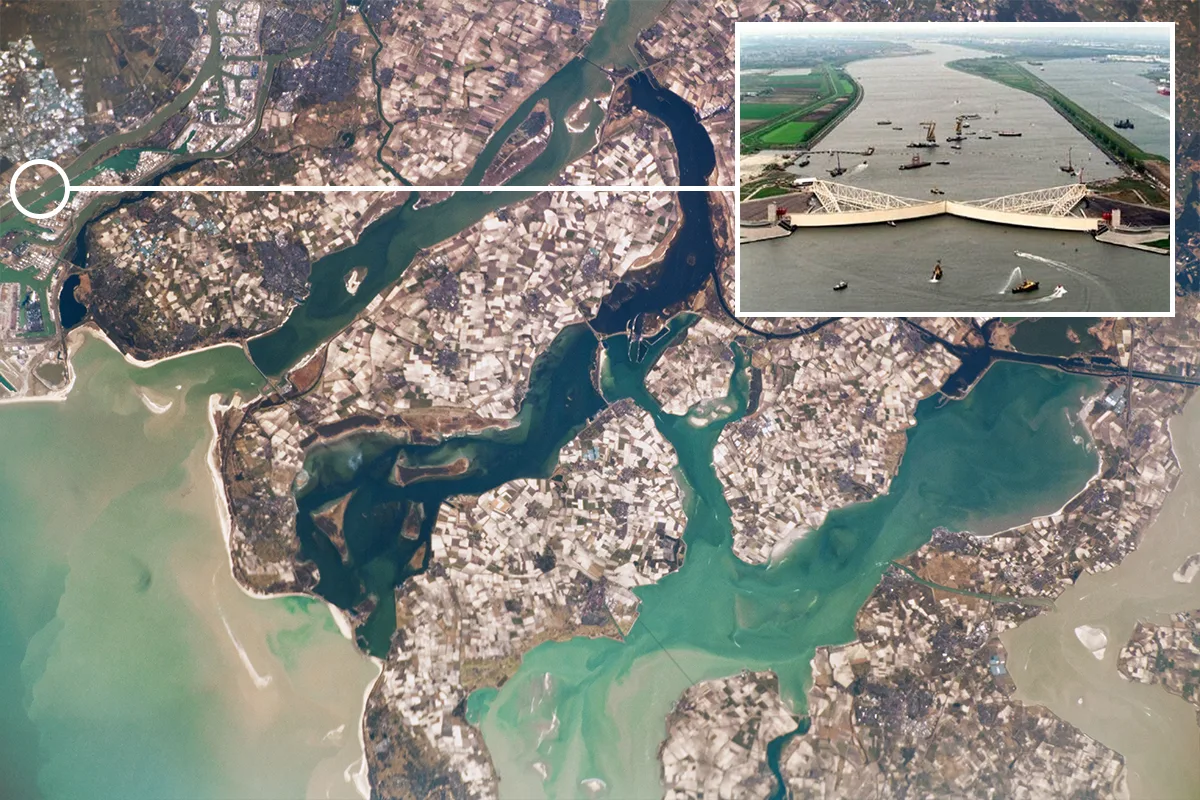
Rotterdam, a city largely below sea level, has invested heavily in advanced flood defenses like the Maeslantkering, one of the largest movable storm surge barriers in the world. These engineering marvels protect its vital port economy and urban areas from rising sea levels and extreme weather, showcasing proactive economic resilience. (Source: aveva.com)
Rapid technological advancements present both challenges and opportunities. Artificial intelligence (AI) and automation will reshape labor markets. Cybersecurity threats could disrupt critical infrastructure. Nations must invest in digital defenses. They also need to reskill their workforces.
A global transition to a green economy offers new opportunities. It creates jobs in renewable energy and sustainable technologies. It reduces dependence on fossil fuels. This makes energy security better. It also lessens climate risks. The International Renewable Energy Agency (IRENA) forecasts substantial job growth.
Building economic resilience requires continuous effort. It requires proactive policies. It needs collaboration across all levels. Nations must learn from past crises. They must prepare for future uncertainties. This helps create a more stable and prosperous global economy.
FAQ
What does “economic resilience” mean? Economic resilience is an economy’s ability to absorb, adapt to, and quickly recover from various shocks. These shocks can include financial crises, natural disasters, or pandemics. It measures how well an economy can maintain stability and continue functioning.
Why is economic diversification important for resilience? Diversification reduces an economy’s reliance on a single industry or commodity. If one sector faces a downturn, others can cushion the impact. This helps prevent widespread economic collapse and maintains employment.
How do social safety nets contribute to resilience? Social safety nets, like unemployment benefits or healthcare, protect vulnerable populations during crises. They prevent extreme poverty and maintain consumer demand. This helps stabilize the economy during difficult periods.
What role do international organizations play? Organizations like the IMF and World Bank provide financial aid, technical assistance, and policy guidance. They help countries manage crises and implement reforms. They also foster global cooperation on economic challenges.
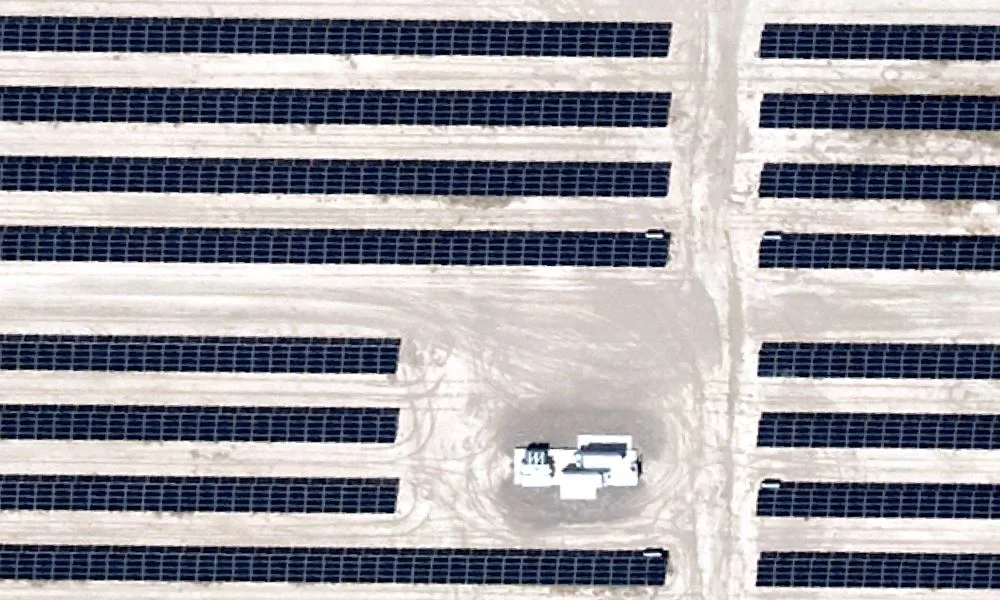
Spanning vast areas, utility-scale solar farms are a cornerstone of the global green economy, creating jobs and reducing reliance on fossil fuels. These installations are crucial for enhancing energy security and building economic resilience. (Source: priusintelli.com)
You might also like:
👉 1 Billion Urban Poor: How Cities Fight Climate Shocks
👉 Post-WWII Order at Risk: WEF 2023 Warns of State Collapse
👉 WHO Warns: 2022’s Record Pandemic Spending Misses Key Threats