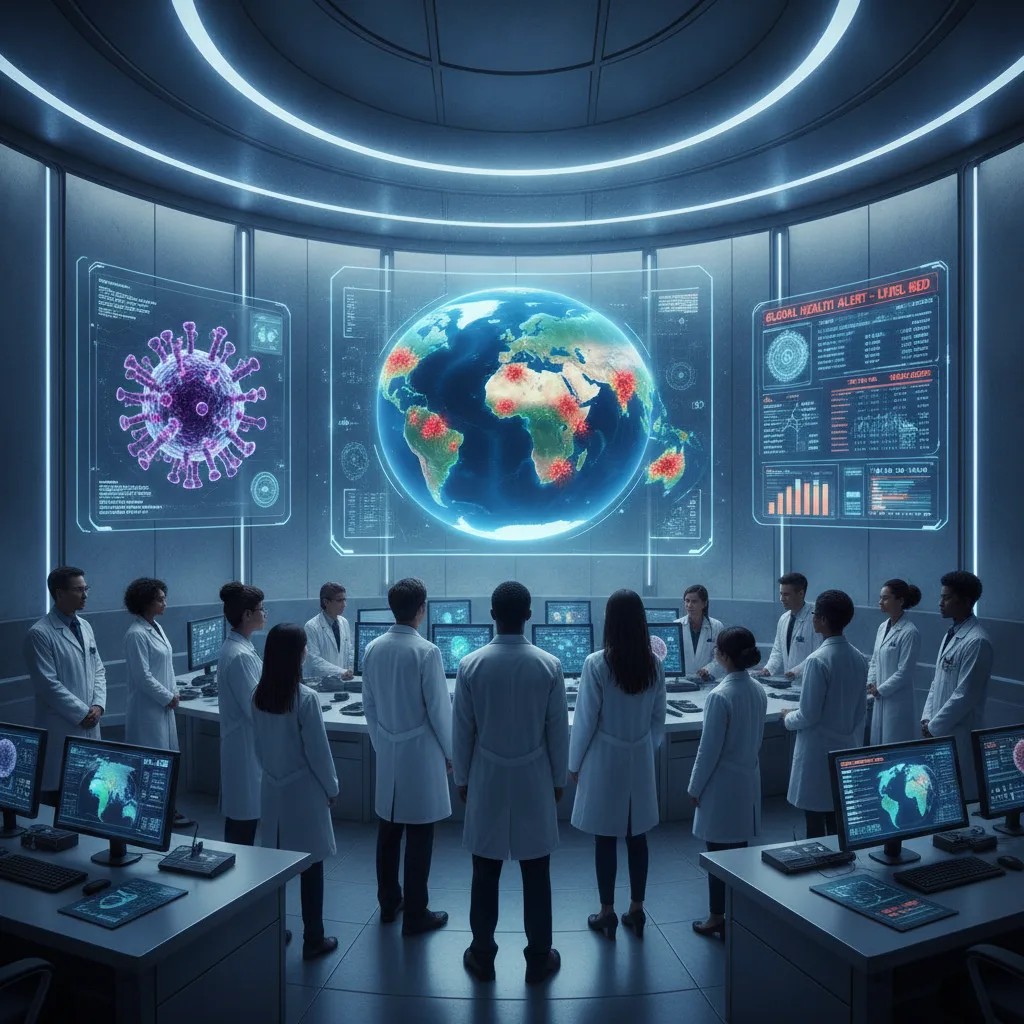
WHO Warns: 2022's Record Pandemic Spending Misses Key Threats
Despite record global spending on pandemic preparedness in 2022, experts argue the current focus misses crucial, existing health threats.
The viral hunt: We’re missing bigger health threats
We’re obsessed with the next viral outbreak. Global health leaders say they want to prepare for it. Many believe we need perfect early warning systems, faster vaccine development, and more medical supplies. This focus makes sense after COVID-19. But it’s not enough. It leaves us open to threats already here, ignored in our narrow search for the next bug.
In 2022, the WHO reported global spending on pandemic prep hit record levels. Most of this money goes to quick vaccine and drug platforms. CEPI, for example, wants to make vaccines against new threats in 100 days. This tech push is a real win. It shortens timelines that used to take years.
But focusing on fast bugs and high-tech solutions misses slow-motion disasters. It ignores weak systems that make any health crisis worse. We’re building fancy fire alarms for specific blazes. But we ignore the building’s structure. The real danger isn’t just what causes the next pandemic. It is how our world responds to any big health shock.
The overlooked pandemic: antibiotic resistance
In 2019, antibiotic resistance (AMR) killed an estimated 1.27 million people worldwide. This number, reported by GRAM in The Lancet (2022), kills more people than HIV/AIDS and malaria combined. WHO Director-General Dr. Tedros Adhanom Ghebreyesus calls AMR a global health threat of “pandemic proportions.” But it’s rarely part of “next pandemic” talks.
AMR happens when germs like bacteria, viruses, fungi, and parasites resist drugs. Common infections then become untreatable. The CDC says over 2.8 million antibiotic-resistant infections happen yearly in the U.S. They cost the American healthcare system billions each year.
The problem gets worse when we overuse antibiotics in humans and agriculture. A 2019 UN report projects animal antibiotic use will rise 11.5% by 2030. This fuels resistance. This overuse creates a pool of resistant germs. A future viral pandemic could bring a surge of untreatable bacterial co-infections. This would overwhelm hospitals much faster.
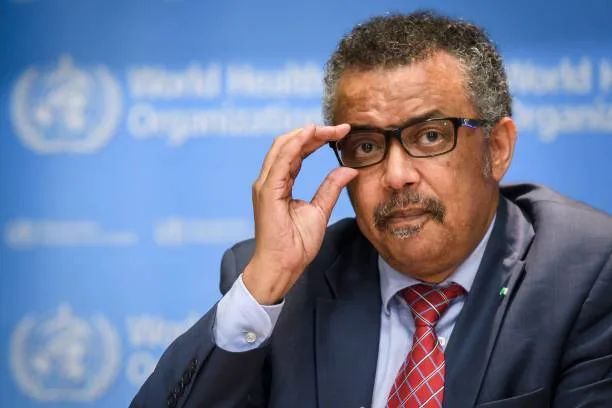
Dr. Tedros Adhanom Ghebreyesus, Director-General of the World Health Organization, has explicitly called antibiotic resistance a global health threat of "pandemic proportions." He emphasizes the need for global health leaders to broaden their focus beyond just new viral outbreaks. (Source: gettyimages.com)
Traditional pandemic prep focuses on new viral outbreaks. It ignores how we’re slowly losing the ability to treat common infections. Dr. Kevin Outterson, a law professor and executive director of CARB-X, says few new antibiotics are in development. Drug companies don’t have enough financial reason to invest here. This leaves us open to a future where simple surgeries or minor injuries can kill.
More than germs: climate, conflict, and fading trust
The IPCC said in its 2022 report that climate change makes health risks worse globally. Warmer global temperatures spread disease carriers further. Dengue fever, for example, used to stay in the tropics. Now it shows up in parts of Europe and the southern U.S. This spread links directly to warmer temperatures. These suit Aedes aegypti and Aedes albopictus mosquitoes.
Extreme weather moves people, breaks sanitation, and ruins health systems. In Pakistan, 2022 floods submerged one-third of the country. This started outbreaks of malaria, dengue, and cholera. The WHO reported over 8 million people moved. This made them sicker. Climate change doesn’t bring new germs. It makes conditions for existing ones to thrive and spread wildly.
Weak health systems in low-income countries are another weak spot. A 2021 report by the World Bank and WHO showed that half the world lacks basic health services. This is true despite calls for global fairness. These systems can’t handle even local outbreaks. A global pandemic would crush them. A strong primary healthcare system is our first defense. But it never gets enough money.
Public trust in science and institutions is also fading. COVID-19 made this worse. A 2023 study in The Lancet found vaccine confidence dropped in several countries from 2015 to 2022. Bad information campaigns hurt public health responses. We saw this with vaccine hesitancy. Dr. Heidi Larson, director of the Vaccine Confidence Project, says trust is as vital as a vaccine. Without it, even perfect medicine fails.
The risk of accidental germ release from labs also needs attention. Gain-of-function research makes germs spread faster or stronger. This raises biosecurity worries. The U.S. NIH paused some of this research in 2014. But debates about its need and safety continue. Dr. Richard Ebright, a molecular biologist at Rutgers University, has pushed for stronger oversight. Even with strict rules, people make mistakes.
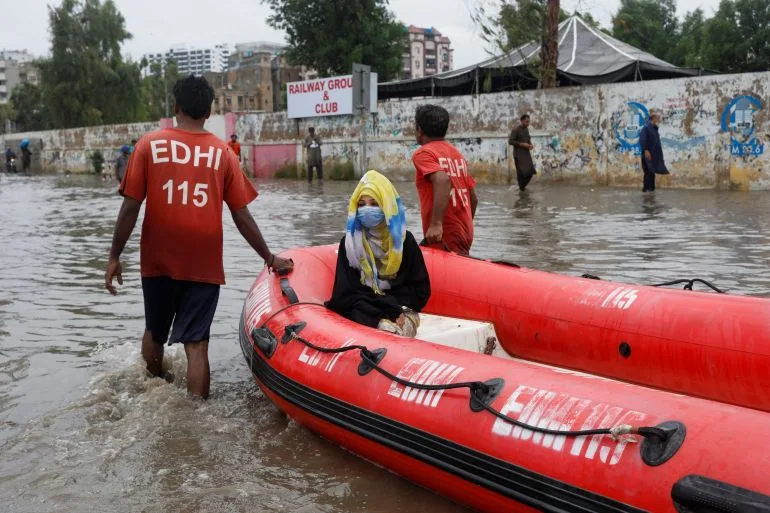
The devastating 2022 monsoon floods in Pakistan submerged one-third of the country, displacing over 8 million people and triggering widespread outbreaks of malaria, dengue, and cholera due to compromised sanitation and health systems. This catastrophic event highlighted how climate change exacerbates global health threats, turning existing diseases into widespread crises. (Source: aljazeera.com)
Rethinking global health security
Real global health security can’t just focus on new viruses. It needs a wider, connected plan. The current plan leans on tech and fast reactions. It ignores basic public health investments. We must prevent crises that worsen pandemics. Don’t just react.
First, we need a global push for antibiotic stewardship. This means using fewer antibiotics in people and animals. It needs new antibiotic research. Public funds or market incentives could help. The WHO’s Global Antimicrobial Resistance and Use Surveillance System (GLASS) gives data. But we need action. We must keep existing drugs working.
Second, climate change is a key part of health security. This means building climate resilience into health plans. It means backing climate-smart farming and early warnings for bug-borne diseases. The Lancet Countdown on Health and Climate Change always points out this urgent link. Ignoring climate creates future health emergencies.
Third, strengthening primary healthcare systems worldwide isn’t charity; it’s self-preservation. A 2023 report from the WHO and UNICEF shows nearly half of global health facilities lack basic hygiene. Investing in strong, fair health systems ensures early detection, good response, and community trust. This means training healthcare workers and giving essential resources to every community.
Finally, we must rebuild public trust in science and health institutions. This means clear talks, fighting bad info, and involving communities. It also means honest talks about risks, like those from dual-use research. Dr. Anthony Fauci, former Director of NIAID, stressed clear, consistent messages during the pandemic. Trust is a social vaccine. It’s vital for us to act together.
Our current pandemic prep is like building higher levees. But we ignore deforestation upstream. We must look past the virus threat. We need to tackle the deeper issues. Investing in AMR solutions, climate resilience, strong health systems, and public trust will truly make us safer. This isn’t just advice. It’s vital for global survival.
FAQ
Q: What’s wrong with how we prepare for pandemics now? A: Current prep focuses on quick detection and vaccine development for new viruses. It ignores deeper, systemic threats. These include antibiotic resistance, climate change, and weak health systems. They could make any future crisis worse.
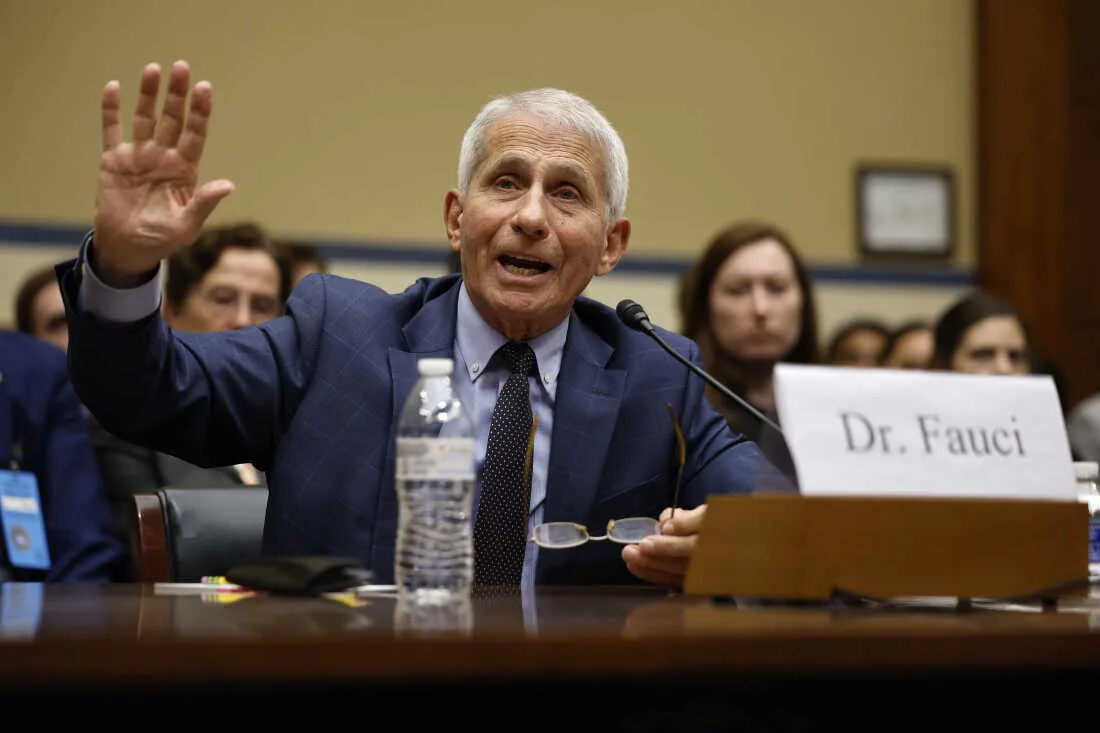
Dr. Anthony Fauci, former Director of NIAID, became a prominent public figure during the COVID-19 pandemic, consistently stressing the importance of clear, consistent messages to build public trust in science and health institutions. (Source: npr.org)
Q: Why do they call antibiotic resistance (AMR) a “silent pandemic”? A: AMR kills millions yearly. But it develops slowly. It doesn’t have sudden, dramatic outbreaks like viral pandemics. Its impact is widespread. It erodes our ability to treat common infections. We often overlook it in urgent pandemic response plans.
Q: How does climate change make pandemics worse? A: Climate change spreads disease carriers like mosquitoes further. This leads to new outbreaks of diseases like dengue and malaria. It also causes extreme weather. This moves people and damages health systems. It makes communities more vulnerable.
Q: What can governments do to make global health safer? A: Governments should invest in antibiotic stewardship, build climate resilience into health plans, and strengthen primary healthcare systems globally. They also need to rebuild public trust. This means clear talks and community involvement.
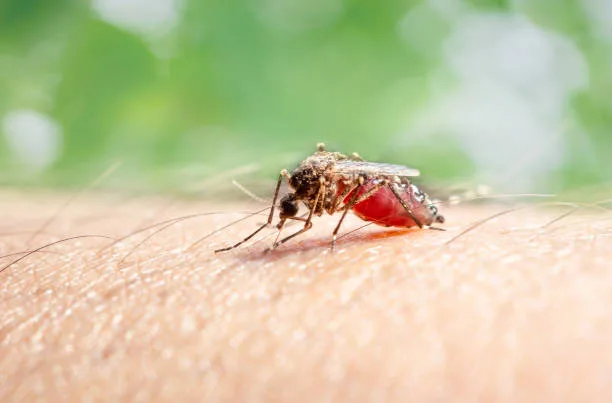
The Aedes aegypti mosquito, identifiable by its distinctive striped legs, is a primary vector for diseases like dengue, Zika, and chikungunya. Climate change is expanding its habitat, leading to new outbreaks in previously unaffected regions. (Source: istockphoto.com)
You might also like:
👉 2018 WHO Warning: Does Social Media Addiction Blur Your Vision?
👉 WHO 2019: 1 in 8 Global Mental Disorder. Is it a crisis?
👉 Why 1/3 of Food Waste Won’t Feed 735 Million Hungry People