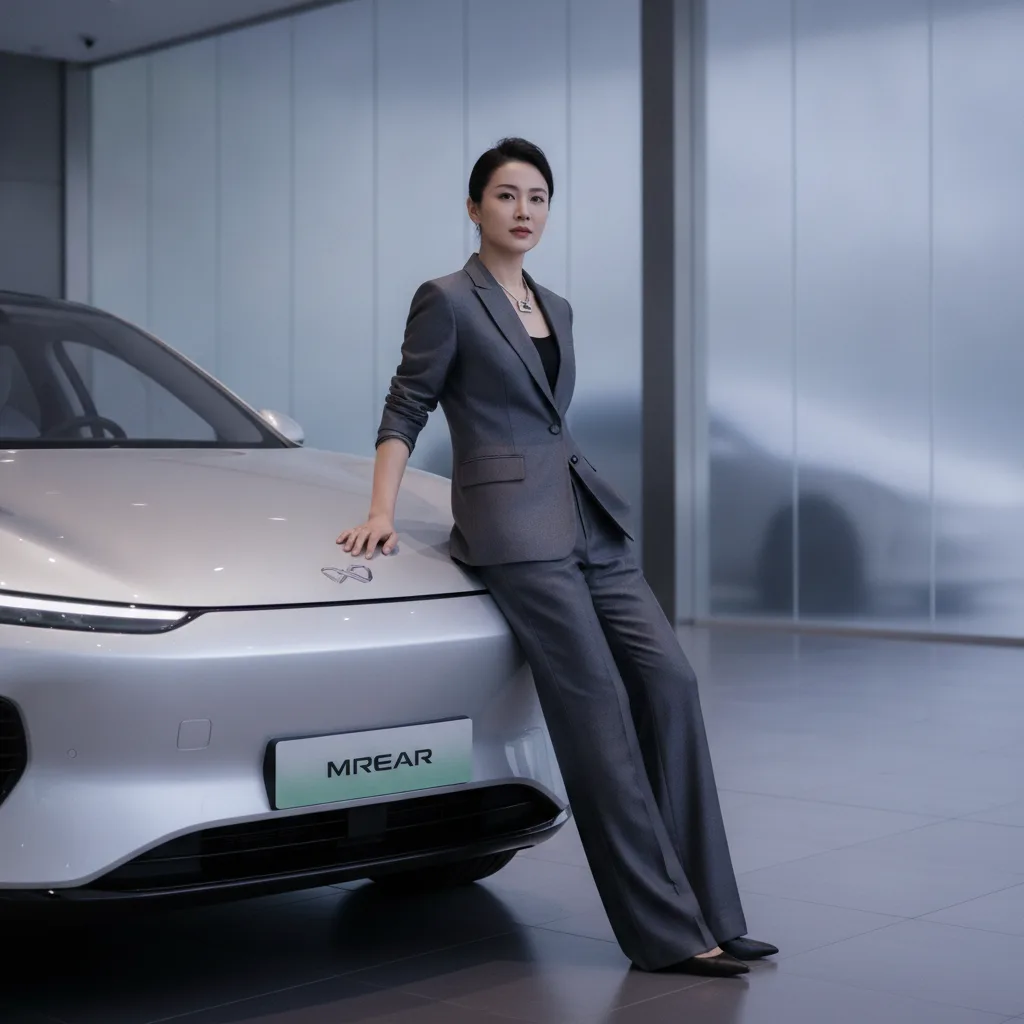
Nio, Li Auto Take 50% of China's Premium EV Market
Chinese EV brands like Nio and Li Auto seized 50% of their home premium market in 2023, dethroning Mercedes-Benz and BMW.
China’s Luxury EVs Are Eating the World
Chinese electric car brands grabbed half of their home country’s premium EV market in 2023. That’s a huge shift. Mercedes-Benz and BMW used to rule this space. Now, Chinese brands like Nio, Li Auto, and Zeekr are taking over. They win with advanced tech and sharp prices.
China’s market changed
China runs the world’s biggest car market. It also leads in electric vehicle sales. For decades, German luxury brands owned China’s high-end car market. Mercedes-Benz, BMW, and Audi were status symbols. Now, Chinese buyers are choosing local EV brands instead.
Beijing started this by offering purchase subsidies and tax breaks for new energy vehicles (NEVs). These policies first boosted mass-market EV sales. Now, the government also pushes luxury EVs. This helps local companies innovate.
Local brands step up
Nio, founded in 2014, sells a premium experience. It offers battery swap services and subscription plans. Nio delivered 160,038 vehicles worldwide in 2023, according to its reports.
Li Auto makes range-extended electric vehicles (EREVs). These cars combine a battery with a small gas generator. This helps luxury buyers worried about range. Li Auto delivered 376,030 vehicles in 2023. Its Li L9 SUV costs over 450,000 yuan ($62,000).
Zeekr, part of Geely Auto Group, launched its first model, the 001, in 2021. Zeekr delivered 118,685 vehicles in 2023. Its cars go head-to-head with foreign luxury sedans and SUVs. Zeekr sells performance and smart tech.
Other brands include Voyah (Dongfeng Motor) and Avatr Technology. Avatr is a joint effort by Changan Automobile, Huawei, and CATL. Huawei supplies its smart driving systems. Yangwang, BYD’s ultra-luxury brand, showed off its U8 SUV. This SUV has four independent electric motors. It can do a “tank turn” and even float on water in an emergency.
New luxury: tech and design
Chinese luxury EVs focus on new technology. They include advanced driver-assistance systems (ADAS). Nio’s Aquila Super Sensing system uses 33 sensors. These include lidar, cameras, and radar. This allows for advanced self-driving.
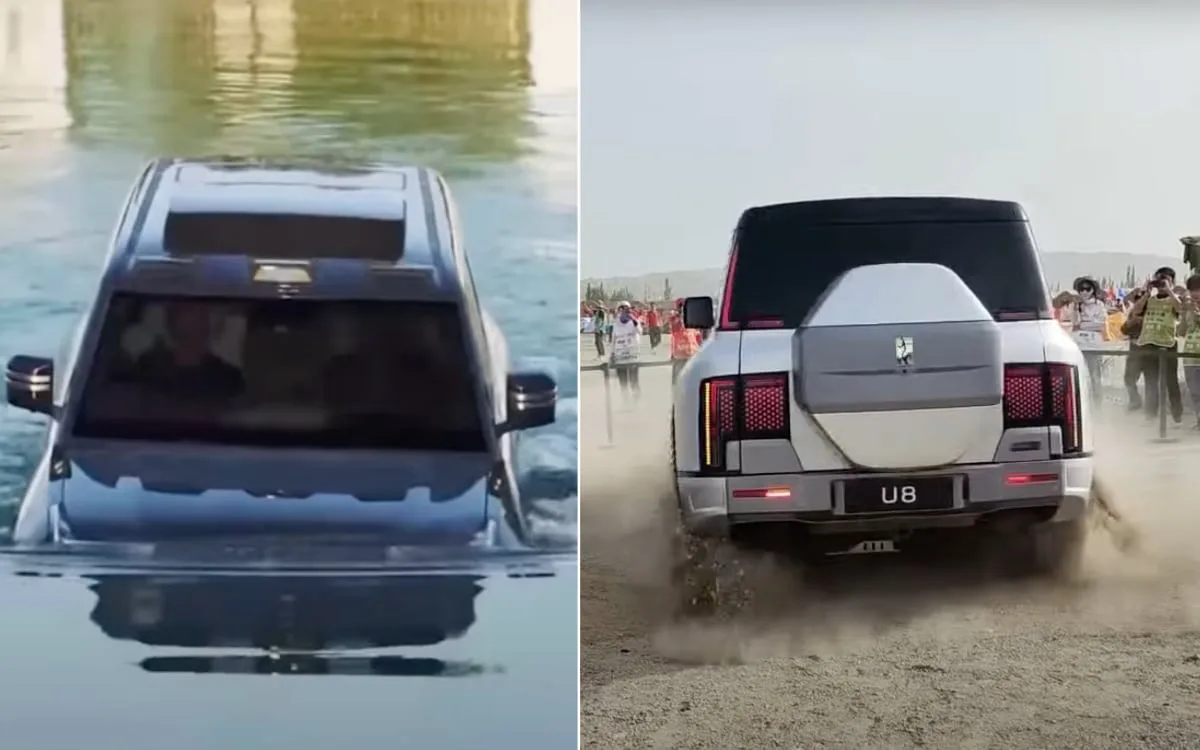
The Yangwang U8 SUV, BYD's ultra-luxury brand, showcases advanced engineering with its ability to perform a 'tank turn' using four independent electric motors, and even float on water in emergencies. (Source: supercarblondie.com)
Smart cockpits also set them apart. Big, sharp touchscreens come standard. Voice AI assistants run many car functions. Xpeng’s XNGP system offers full self-navigation. It uses lidar, radar, and cameras. Young, tech-savvy buyers love these systems.
Battery tech gets big money, too. CATL, a Chinese firm, is the world’s top EV battery maker. Its Qilin battery, for example, offers longer ranges. These batteries charge faster. This directly helps local luxury EV brands.
Designs are often modern and minimalist. This differs from older European luxury. Chinese brands use unique colors and interior materials. They often include lounge-like rear seats. This fits a culture where many prefer to be driven.
Foreign brands struggle
Foreign luxury carmakers are losing ground in China. Despite launching their own EVs, Mercedes-Benz and BMW struggle with sales. Many Chinese buyers see their EVs as less advanced.
The Mercedes-Benz EQE and BMW i5 compete directly with Nio and Zeekr. J.D. Power’s 2023 China New Energy Vehicle Sales Satisfaction Study shows buyers changing their minds. Local premium brands scored high for features and tech. Foreign brands must adapt quicker.
Prices are also a big problem. Chinese brands offer similar features for less money. This forces foreign brands to cut prices. Some Mercedes-Benz EQ models, for instance, saw big price cuts in 2023. This hurts their profits.
S&P Global Mobility analysts expect traditional brands to keep losing market share. They think Chinese brands could take 25% of the global luxury market by 2030. This includes markets outside China. The fight is quickly going global.
Going global, looking ahead
Chinese luxury EV brands aren’t stopping at home. They’re pushing into global markets. Nio is now in several European countries. These include Norway, Germany, Sweden, and the Netherlands. It runs Nio Houses that offer lifestyle services.
Xpeng also exports models to Northern Europe. It targets places like Norway and Sweden. These countries adopt EVs quickly. These brands want global respect. They aim to change what people think of luxury cars.

Nio Houses are a key part of the brand's global strategy, offering owners not just vehicle services but also lifestyle amenities like cafes, co-working spaces, and community events, redefining the luxury car ownership experience. (Source: archdaily.com)
This global push could change the whole luxury car world. It creates new competition. Chinese brands offer fresh designs and tech-focused ideas. Their success threatens the long reign of European and Japanese luxury carmakers. The next ten years will likely bring rapid growth and fierce competition. A new world order in luxury cars is emerging.
FAQ
Q: What defines the “luxury” segment for Chinese EVs? A: Luxury EVs usually cost over 300,000 yuan ($41,000). These cars have advanced tech, high-end materials, and smart features. Brands like Nio, Li Auto, and Zeekr target this market.
Q: Which Chinese brands are leading the luxury EV expansion? A: Nio, Li Auto, and Zeekr lead the way. Other key players include Voyah, Avatr, and BYD’s ultra-luxury Yangwang brand. These companies excel in design and technology.
Q: How are Chinese luxury EVs competing with foreign brands? A: They compete with advanced smart cockpits, advanced driver-assistance systems (ADAS), and good prices. Many have great battery tech and unique designs for local tastes. Foreign brands must innovate to keep up.
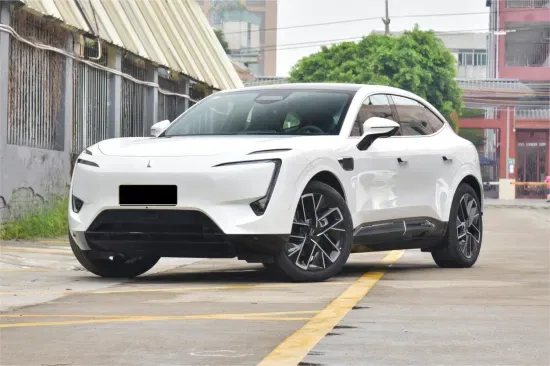
The Avatr 11, a luxury electric SUV, exemplifies the bold, tech-forward designs emerging from China's EV market. Developed in collaboration with Huawei and CATL, it showcases advanced smart cockpit features and autonomous driving capabilities. (Source: southeastmotor.en.made-in-china.com)
You might also like:
👉 US-China: $664B Trade Masks Zero-Sum Global Power Struggle