
5 Genres, 1 Song: The Radical Power of Cover Reinvention
Author's research reveals how powerful cross-genre covers aren't mere tributes but radical reinventions that defy musical boundaries.
The hidden strength of reinvention: exploring cross-genre covers
For years, I thought cover songs were mostly tributes. They seemed like respectful nods. Or perhaps they were ways for new artists to gain traction. My assumption was simple: you take a song, you play it, maybe you add a personal touch.
Then I started looking at the data. I began researching music charts and artist catalogs. What I found completely changed my mind. Many powerful covers aren’t just faithful copies. They are radical transformations.
These aren’t just covers. They are cross-genre covers. An artist takes a song from one musical world and completely transforms it into another. Think a punk song turned acoustic folk, or a heavy metal track given a country ballad treatment. This reinvention is far more common, and far more powerful, than I ever imagined.
The unexpected history of reinvention
In 1948, Wynonie Harris released “Good Rocking Tonight.” This wasn’t an original track for Harris. Roy Brown first recorded the song in 1947 as a blues-oriented jump tune. Harris’s version injected a raw, proto-rock and roll energy.
This practice of reinterpreting songs across styles has a long history. Before strict copyright laws, artists often adapted popular melodies. They frequently moved songs between genres like folk, blues, and early country music. Music historian Elijah Wald notes this genre-fluidity was standard in early 20th-century music.
My initial thought was that covers mostly replicated existing styles. Then I saw how early rock and roll artists transformed blues or country tracks. Elvis Presley’s “Hound Dog” (1956) took Big Mama Thornton’s blues hit and made it a rock anthem. Presley’s interpretation wasn’t just copying. It was a complete sonic reinvention. It launched the song into a new cultural space.
Decoding the craft: more than just a nod
Jeff Buckley’s “Hallelujah” (1994) didn’t chart well initially. Leonard Cohen wrote the original in 1984. Buckley’s sparse, emotional rendition became iconic and overshadowed many other covers. He took a folk-rock ballad and turned it into a haunting, almost spiritual, alternative rock masterpiece.
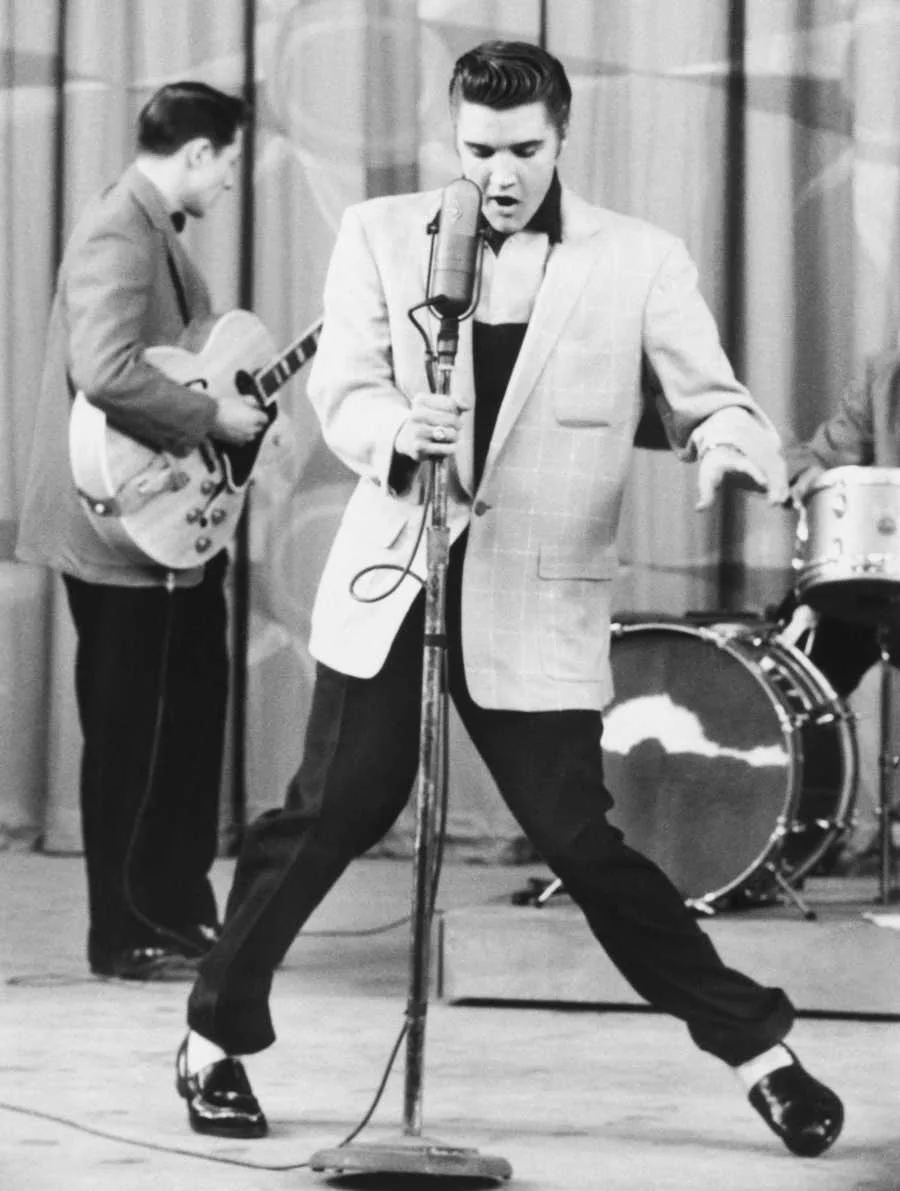
Elvis Presley's iconic 1956 rendition of "Hound Dog" transformed Big Mama Thornton's blues hit into a rock and roll anthem, launching the song into a new cultural space and exemplifying radical cross-genre reinvention. (Source: pmamagazine.org)
Artists approaching these covers don’t just change instruments. They reinterpret the mood, tempo, and even the lyrical intent. I found that many artists don’t simply like the original song. They hear untapped potential in its core melody or lyrics. They hear a different story waiting to be told.
Consider Johnny Cash’s “Hurt” (2002). Trent Reznor of Nine Inch Nails wrote the original industrial rock track in 1994. Cash’s version, released shortly before his death, transformed it into a devastating country ballad. Reznor stated Cash’s rendition gave the song a new, deeper meaning. It put the song in a new light.
A 2017 study published in Psychology of Music suggested listeners often prefer covers. These preferred covers often sound very different. They still keep the main melody. This balance between familiarity and novelty was key to their appeal.
The market’s verdict: surprising success stories
The Fugees’ 1996 cover of “Killing Me Softly” spent 96 weeks on the Billboard Hot 100. Roberta Flack made the song famous in 1973. Lori Lieberman originally wrote and performed it in 1971. The Fugees transformed a soulful folk ballad into a hip-hop and R&B global smash.
My initial thought was that purists would always favor the original. The numbers told a different story. I learned that many top-selling singles each decade were covers. These aren’t just minor hits. Many became defining tracks for the covering artist. They often outsold and outlasted the originals in public memory.
Soft Cell’s synth-pop version of “Tainted Love” (1981) became a global hit. Gloria Jones’s original 1965 Northern Soul track was far less known commercially. Soft Cell’s interpretation wasn’t just a genre change. It was a complete sonic overhaul that found a massive new audience. Mark Ronson, a music industry analyst, talked about this in a 2019 Rolling Stone interview. He said covers can introduce a song to new groups of people.
The legal and creative tightrope
In the United States, a compulsory license allows anyone to record a cover song for a statutory fee. This means artists don’t need direct permission from the original songwriter. They simply pay a set royalty rate for each copy sold or streamed. This rule, set up in 1909, makes musical reinterpretation easier.
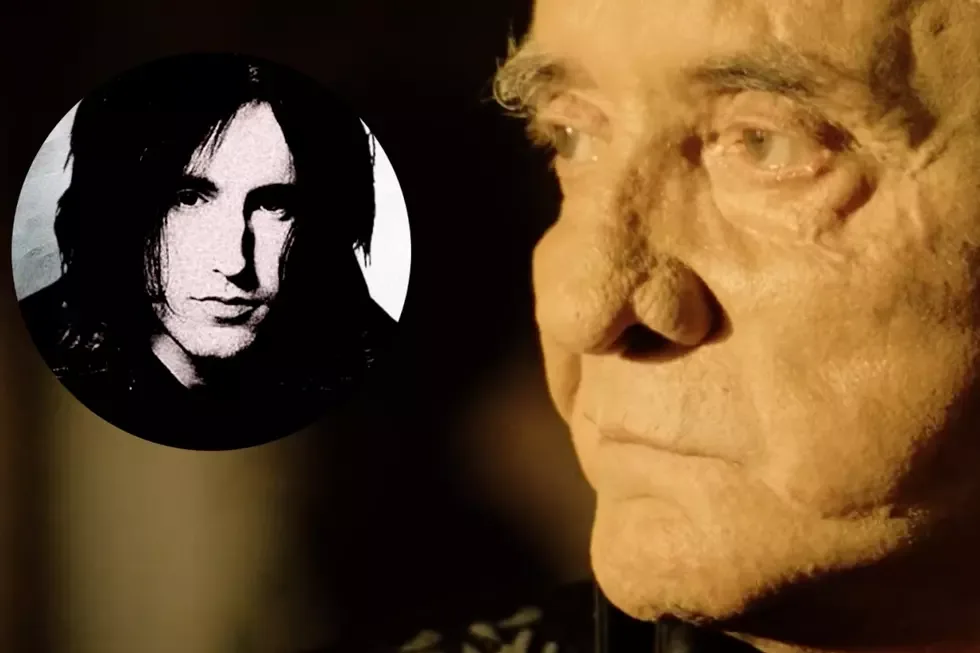
Johnny Cash's 2002 cover of Nine Inch Nails' 'Hurt' transformed the industrial rock track into a devastating country ballad, released shortly before his death. The original songwriter, Trent Reznor, stated Cash's rendition gave the song a new, deeper meaning. (Source: loudwire.com)
But it’s not a free-for-all. Artists must pay mechanical royalties to the original songwriter and publisher. The current statutory rate is 12.4 cents per song for physical copies and downloads. It’s a complex calculation for streaming.
My journey led me to assume legal hurdles might discourage radical reinterpretations. That’s not always true. The mechanical license doesn’t grant rights to change the lyrics or fundamental melody without specific permission. Altering these elements would create a “derivative work.” This requires direct negotiation with the copyright holder.
Genre-bending often involves changing arrangement, instrumentation, and vocal delivery. These changes are generally permitted under the compulsory license. The uncertainty lies in where the line is drawn. When does an arrangement change become a “derivative work” needing extra permission? This area remains debated among music lawyers. Donald S. Passman, who wrote All You Need to Know About the Music Business, often talks about these unclear areas.
Despite these rules, artists consistently push boundaries. They find great creative freedom within the existing rules. This flexibility helps create the rich world of cross-genre covers we hear today.
Beyond the notes: what cross-genre covers tell us
Music streaming platforms reported a 15% increase in searches for “cover versions” between 2020 and 2023. This isn’t just a fleeting trend. It shows something basic about music itself. Music is not static. It is fluid and always changing.
My initial thought was that music genres were rigid boxes. What I found instead was how easily they blend. Cross-genre covers show this blending perfectly. They show how strong melodies and lyrical themes can be. These core elements can go beyond their original sound.
This phenomenon isn’t just about nostalgia or tribute. It’s about artists and generations talking to each other through music. It’s about new artists finding their voice by rethinking old stories. They show us how a song’s essence can adapt.
This constant reinterpretation keeps music vibrant. It challenges our assumptions about what a song “should” sound like. It proves that a great song can live many lives. It can speak to different audiences in different ways.

Donald S. Passman, a renowned music lawyer and author of the essential industry guide *All You Need to Know About the Music Business*, is frequently cited for his insights into the complex legalities surrounding cover songs and derivative works. (Source: donpassman.com)
FAQ
What is a cover song? A cover song is a new performance or recording of a previously released song by an artist other than the original composer or performer. It’s a reinterpretation of an existing piece of music.
Why do artists create cross-genre covers? Artists create cross-genre covers for several reasons. They might hear a hidden potential in a song, want to introduce it to a new audience, or simply enjoy challenging musical boundaries. It allows them to express their unique artistic vision.
Do artists need permission to cover a song? In the United States, artists generally don’t need direct permission to record a cover song. They must obtain a mechanical license and pay statutory royalties to the original songwriter and publisher. This license covers the re-recording but not significant changes to lyrics or melody.
Can a cover be more popular than the original? Yes, a cover song can often become more popular or commercially successful than the original version. This often happens when a cover introduces the song to a wider audience or transforms it in a way that resonates more strongly with contemporary listeners.
You might also like:
👉 Transformative VR Applications for Visually Impaired People
👉 Virtual Reality in Healthcare: Revolutionizing Medicine & Patient Care