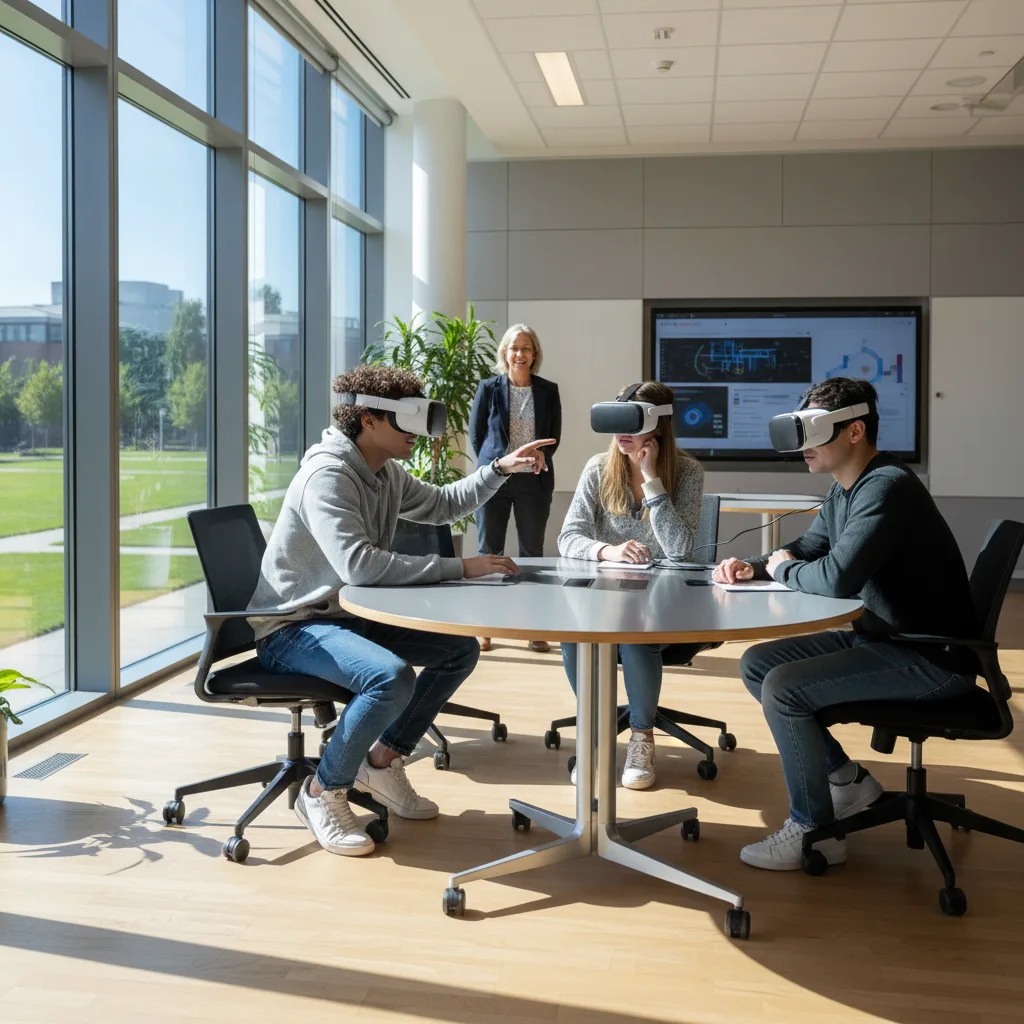
VR in Education: Revolutionizing Learning & Classrooms
Explore how virtual reality is transforming education, from immersive historical tours to complex surgical simulations. Discover revolutionary VR applications making learning engaging and effective.
The Classroom Reimagined: Revolutionary Applications of Virtual Reality in Education
What if you could dissect a frog without harming it, walk through ancient Rome as it stood two millennia ago, or even perform complex surgery before ever touching a real patient – all from the comfort of a classroom? This isn’t science fiction; it’s the burgeoning reality of applications of virtual reality in education. For decades, learning has largely remained confined to textbooks and lectures, but a seismic shift is underway. VR is not just a gaming novelty; it’s a powerful pedagogical tool poised to redefine how we acquire knowledge, develop skills, and understand the world.
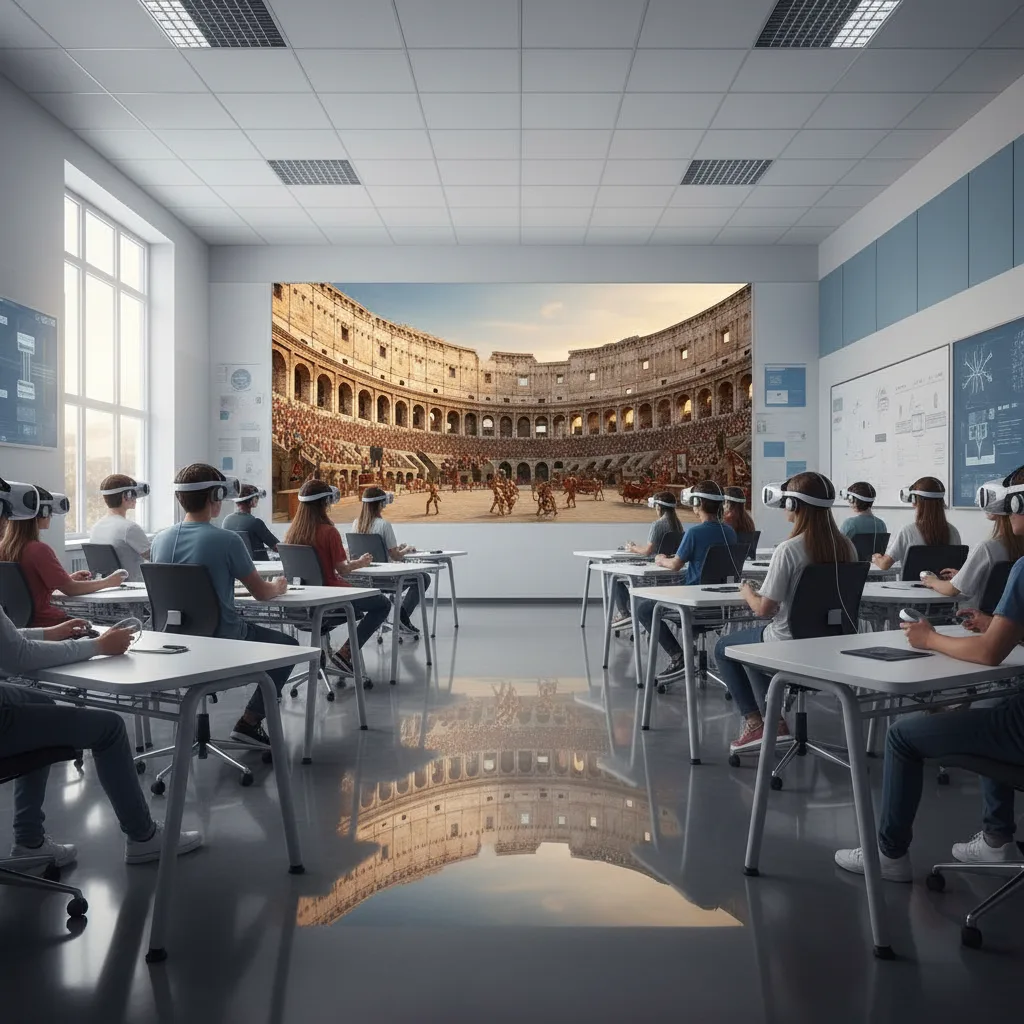
From kindergarten to medical school, virtual reality is tearing down the walls of traditional learning, offering experiences that are not only deeply engaging but also profoundly effective. It transforms passive observation into active participation, making abstract concepts tangible and distant worlds accessible. Join us on a journey through the cutting-edge innovations that are making education more immersive, equitable, and exciting than ever before.
The Virtual Classroom Unveiled: A New Dawn for Learning
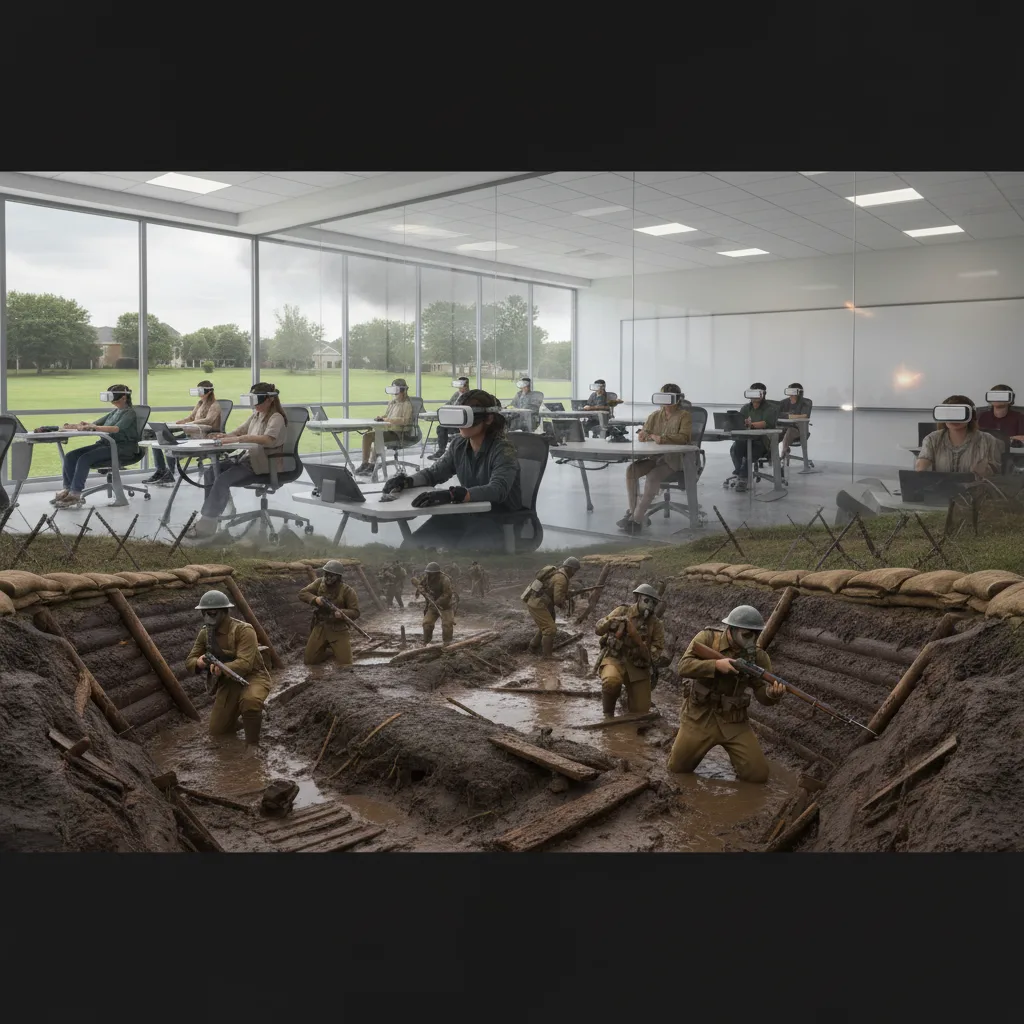
Imagine a high school history class where students don VR headsets and are instantly transported to the trenches of World War I, experiencing the sounds, sights, and scale of the conflict firsthand. Or a biology lesson where learners shrink down to explore the intricate workings of a human cell from the inside out. This profound shift from passive learning to active, experiential engagement is the core promise of VR in education. It offers a level of immersion that no textbook or video can replicate, fostering a deeper, more intuitive understanding of complex subjects.
Educational institutions worldwide are beginning to recognize VR’s transformative potential. Platforms like VictoryXR are building entire virtual campuses, allowing students to attend classes, collaborate on projects, and even participate in graduation ceremonies in a persistent digital world. This goes beyond mere simulation; it creates a shared sense of presence and community, breaking down geographical barriers and making quality education accessible to anyone with a headset and an internet connection.
The initial investment in VR hardware and content might seem daunting, but as technology advances and costs decrease, the accessibility of these experiences grows exponentially. The true value lies not just in the “wow” factor, but in its ability to solve long-standing educational challenges, from student disengagement to the scarcity of expensive, real-world training environments. The virtual classroom isn’t just a supplement; it’s rapidly becoming an essential component of a truly future-proof education system.
Journey Through Time and Space: Immersive Field Trips & Recreations
 One of the most immediate and impactful applications of virtual reality in education is its capacity to transport students across continents and through centuries. Costly, time-consuming, and often logistically impossible field trips are now within reach for every student. Imagine exploring the Great Barrier Reef without leaving the classroom, witnessing the construction of the Egyptian pyramids, or walking on the surface of Mars alongside a rover. Companies like **Nearpod** and **Google Arts & Culture VR** offer curated virtual tours that bring history, geography, and science to life with unparalleled realism.
 Students can visit the **Anne Frank House** in VR, gaining a poignant, personal perspective on history that transcends flat images or text. They can stand in the Roman Colosseum, hear the roar of the crowd, and understand its architectural marvels in three dimensions. This isn't just sightseeing; it's an opportunity for deep contextual learning, allowing students to forge emotional connections with subjects that might otherwise feel abstract or distant. The ability to revisit these environments, pause, interact with objects, and discuss with peers within the virtual space profoundly enhances retention and comprehension.
Furthermore, VR recreations aren’t limited to historical sites. Science classes can explore active volcanoes, delve into the human circulatory system, or navigate the intricacies of a rainforest ecosystem. These experiences foster a sense of wonder and curiosity, encouraging students to ask deeper questions and develop a lifelong passion for learning. The world truly becomes their classroom, unfettered by physical limitations, and always ready for exploration.
Mastering the Unseen: Practical Skills Training in VR
For fields requiring intricate motor skills, critical decision-making, and exposure to high-stakes scenarios, virtual reality offers an unparalleled training ground. From medical students to mechanics, VR simulations provide a safe, repeatable, and cost-effective environment to practice and perfect complex procedures without real-world risks or resource constraints. This is particularly transformative for vocational and higher education.
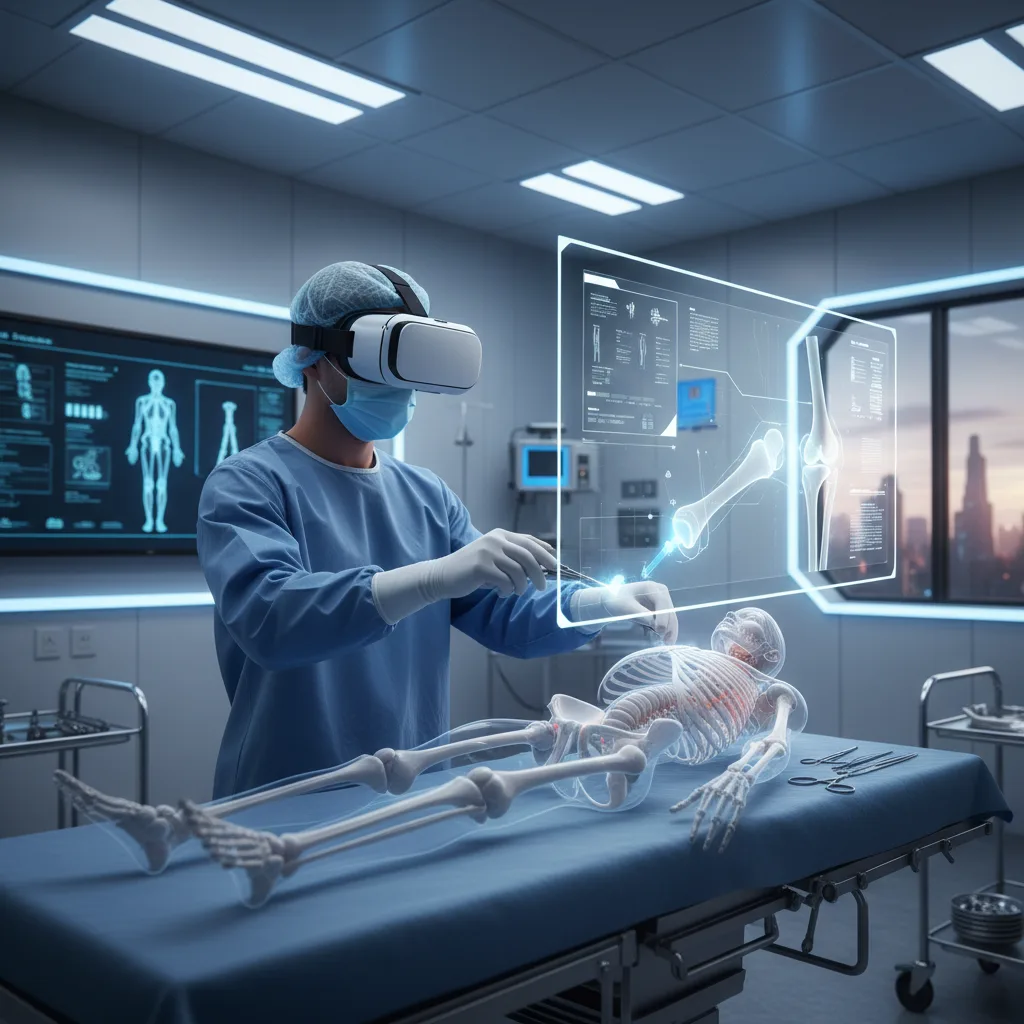
In medicine, platforms like Osso VR and ImmersiveTouch allow surgical residents to perform virtual operations, practicing everything from orthopedic procedures to neurosurgery with haptic feedback that simulates the feel of tissue and bone. Studies have shown that surgeons trained in VR perform significantly better and faster in real-world operating rooms. This not only accelerates skill acquisition but also improves patient safety, as trainees can make mistakes and learn from them in a consequence-free environment. Similarly, nursing students can practice administering injections, responding to emergency scenarios, and interacting with virtual patients, honing their bedside manner and clinical judgment.
Beyond healthcare, VR is revolutionizing training in aviation, engineering, and manufacturing. Aspiring pilots can log countless hours in virtual cockpits, experiencing diverse weather conditions and emergency protocols. Mechanics can virtually disassemble and reassemble complex machinery, understanding intricate internal workings without damaging expensive equipment. These applications of virtual reality in education bridge the gap between theoretical knowledge and practical expertise, producing highly competent professionals ready for the demands of their respective industries.
Personalized Learning Paths: Tailoring Education to Every Mind
One of the long-standing challenges in traditional education is the “one-size-fits-all” approach, which often fails to cater to diverse learning styles and paces. Virtual reality is uniquely positioned to revolutionize this by enabling highly personalized and adaptive learning experiences. In a VR environment, the system can track a student’s progress, identify areas of struggle, and dynamically adjust the curriculum, difficulty, and even the learning environment itself to match individual needs.
Imagine a student struggling with geometry. Instead of a static textbook diagram, a VR tutor could guide them through a virtual space where they can physically manipulate shapes, rotate them, and see how different angles and dimensions interact in real-time. For a visual learner, concepts can be presented through vivid 3D models and interactive scenarios. For an auditory learner, explanations could be delivered through conversational AI within the virtual world. This adaptive approach ensures that each learner receives the support and challenge they need, precisely when they need it.
Platforms like Labster offer virtual science labs where students can conduct experiments, make mistakes, and learn from them without the cost or danger of real chemicals and equipment. The VR system can provide instant feedback, suggest alternative approaches, and even gamify the learning process to keep students motivated. This level of individualized attention, previously only possible with dedicated human tutors, becomes scalable and accessible through the power of virtual reality, democratizing truly tailored education.
Beyond Engagement: Cultivating Empathy and Collaboration
While the immersive nature of VR inherently boosts engagement, its power extends far beyond mere captivation. Virtual reality is a potent tool for fostering empathy and developing crucial collaborative skills – competencies that are increasingly vital in our interconnected world. By allowing users to literally “walk in someone else’s shoes,” VR can cultivate a deeper understanding of diverse perspectives and experiences.
For instance, VR experiences can simulate what it’s like to live with a disability, to be a refugee, or to experience discrimination. Programs like “Clouds Over Sidra” (a VR film by Gabo Arora and Chris Milk) offered viewers an intimate look into the life of a Syrian refugee girl, creating a profound sense of connection and empathy that traditional media often struggles to achieve. In an educational context, such experiences can broaden students’ worldviews, challenge biases, and inspire social action, nurturing a more compassionate and understanding generation.
Furthermore, VR provides dynamic environments for collaborative learning and problem-solving. Students from different geographical locations can meet in a shared virtual space, working together on projects, dissecting virtual models, or brainstorming ideas on a shared whiteboard. Companies like EngageVR facilitate these virtual classrooms and meeting spaces, allowing for real-time interaction, communication, and teamwork. This not only prepares students for remote work environments but also enhances their ability to communicate effectively and leverage collective intelligence, making the learning process a truly shared adventure.
The Road Ahead: Overcoming Challenges and Scaling VR in Education
Despite its immense potential, the widespread adoption of virtual reality in education faces several hurdles. The initial cost of hardware, while decreasing, can still be a barrier for many institutions, especially in developing regions. Furthermore, the creation of high-quality, pedagogically sound VR content requires specialized skills and significant investment, leading to a current scarcity of comprehensive curricula across all subjects.
Technical challenges, such as ensuring comfortable user experiences (minimizing motion sickness), managing hardware, and integrating VR seamlessly into existing IT infrastructures, also need to be addressed. Educators require adequate training to effectively leverage VR tools and integrate them into their lesson plans, moving beyond novelty to truly transformative learning. However, these challenges are being systematically tackled by a growing ecosystem of developers, researchers, and educational technology companies.
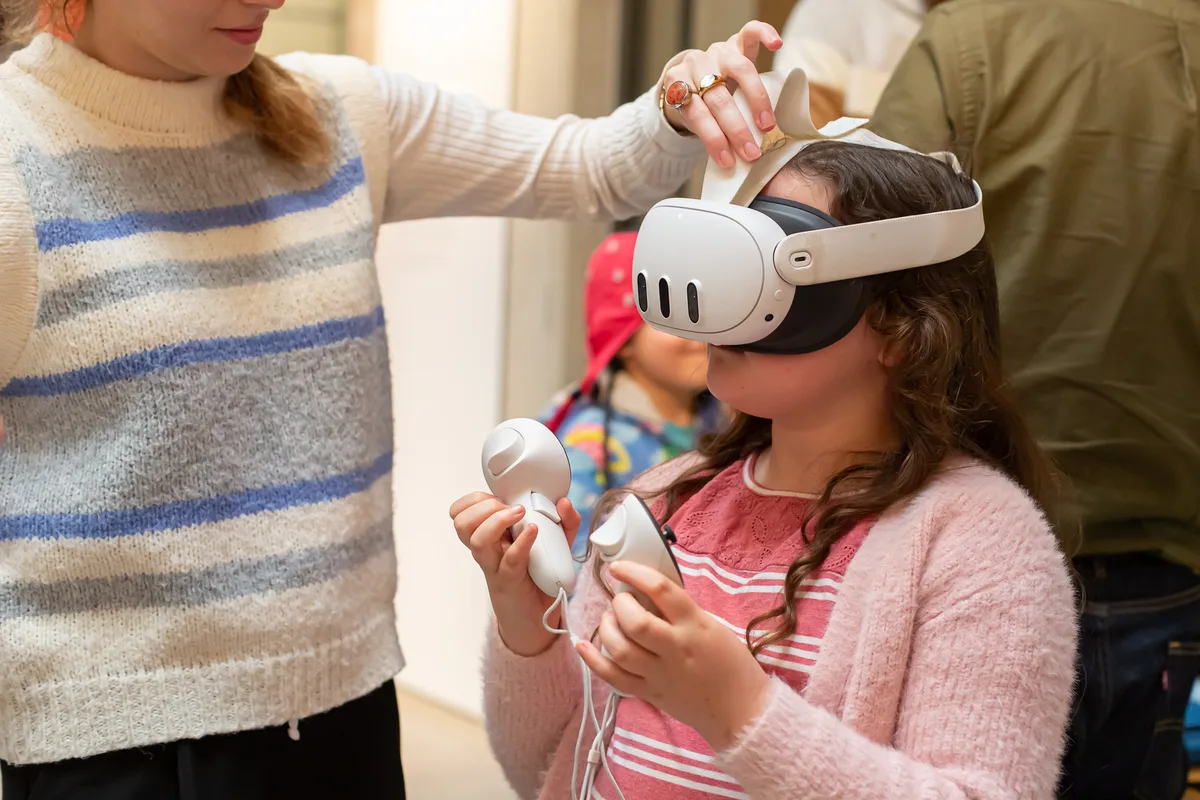 Looking to the future, we can anticipate several key developments. Increased affordability of standalone headsets like the **Meta Quest series** will drive wider adoption. The development of more intuitive content creation tools will empower educators themselves to build custom VR experiences. Crucially, the integration of **Artificial Intelligence (AI)** with VR will lead to even more personalized, adaptive, and intelligent virtual tutors and learning environments, making the applications of virtual reality in education even more sophisticated and impactful. The journey is just beginning, and the horizon is filled with possibilities.
Conclusion: The Enduring Impact of Virtual Reality in Education
We stand at the precipice of an educational revolution, driven by the immersive power of virtual reality. From breaking down geographical barriers with virtual field trips to providing safe, repeatable training grounds for complex skills, VR is fundamentally reshaping how we teach and learn. It fosters deeper engagement, cultivates empathy, and enables truly personalized learning paths, addressing long-standing deficiencies in traditional educational models.
The challenges of cost, content creation, and integration are real, but they are steadily being overcome by innovation and collaboration. As VR technology becomes more accessible and sophisticated, its integration into the fabric of education will only deepen, creating a future where learning is not just about acquiring facts, but about experiencing, exploring, and truly understanding the world in ways previously unimaginable. The enduring impact of virtual reality in education will be a generation of learners who are not just knowledgeable, but also empathetic, skilled, and prepared to thrive in an ever-evolving world. The future of learning is here, and it’s virtually limitless.
You might also like:
👉 AI & Education: Reshaping the Future of Teaching & Learning
👉 Virtual Reality Applications: Exploring VR’s Impact Across Industries
👉 Virtual Reality in Healthcare: Revolutionizing Medicine & Patient Care