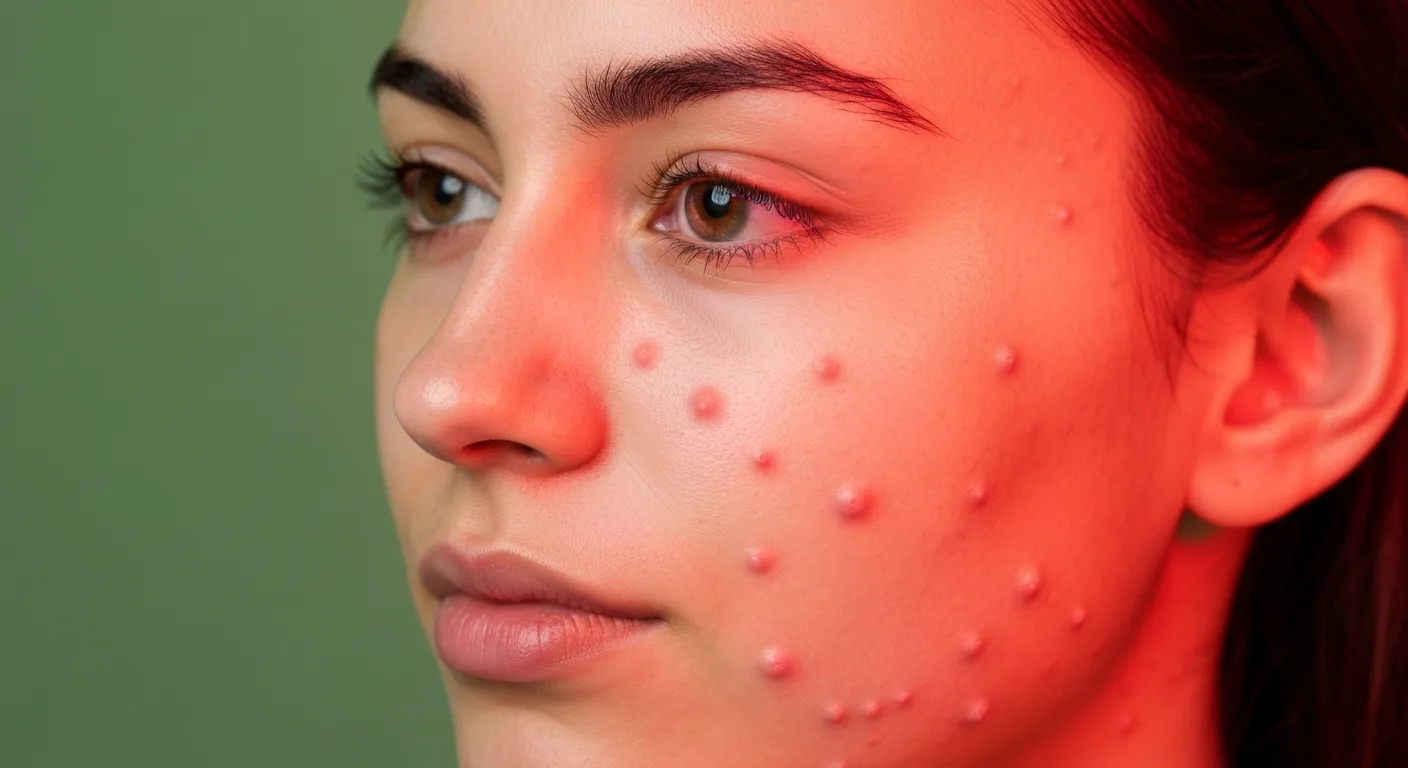
Acne Breakthrough: Why 630nm Red Light Isn't Just a Trend
Once dismissed as a wellness trend, red light therapy for acne uses specific light wavelengths. Uncover the surprising science that melted skepticism.
My surprising journey into red light therapy for acne
Red light therapy for acne once seemed like just another wellness trend. I dismissed it for years. It felt like a catchy buzzword for expensive spas and influencer posts. I pictured glowing masks and vague promises. But when I researched the science behind its claims for acne, I found something truly surprising. My skepticism melted away.
What red light therapy actually is
Red light therapy (RLT) uses specific light wavelengths. These are typically red (around 630-700 nanometers) and near-infrared (around 810-850 nanometers). NASA first pioneered this technology in the 1990s. They explored its potential for plant growth and astronaut wound healing in space.
This wasn’t just about glowing lights. These wavelengths penetrate the skin. They reach the mitochondria inside our cells. Mitochondria are the cell’s powerhouses. They turn light energy into cellular energy, specifically adenosine triphosphate (ATP). This process, called photobiomodulation, starts many helpful cell changes.
My initial thought was that this sounded too good to be true. How could simply shining a light on skin solve complex problems like acne? I assumed it was another placebo effect. Then I looked at the clinical data.
My findings on acne
My research quickly led me to Dr. Michael R. Hamblin. He is a researcher in photomedicine at Harvard Medical School. Dr. Hamblin’s work shows how RLT affects cell functions. This includes reducing inflammation and helping cells repair themselves. It wasn’t just a surface-level effect.
RLT tackles acne from several angles. Acne is an inflammatory condition. It involves clogged pores, excess sebum, and the bacterium Cutibacterium acnes (formerly P. acnes). Red light therapy directly addresses several of these issues.
Red light helps reduce inflammation. It lowers levels of pro-inflammatory cytokines like TNF-alpha and IL-6. This calms the angry, red lesions common with inflammatory acne. A 2017 study in the Journal of Clinical and Aesthetic Dermatology showed big improvements. Dr. D.J. Kim and J.H. Chung authored it. Participants saw fewer inflammatory and non-inflammatory acne lesions.
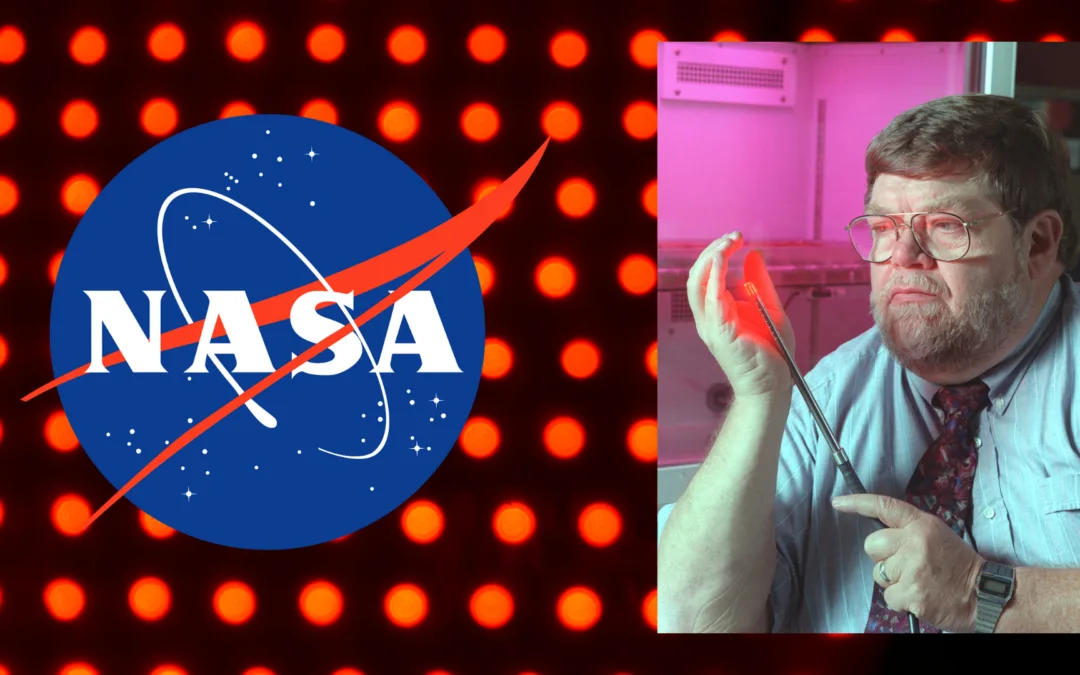
NASA first pioneered red light therapy in the 1990s, exploring its potential to enhance plant growth in space and accelerate wound healing for astronauts, a surprising origin for a technology now used in dermatology. (Source: savingyourbrain.com)
The effect on sebaceous glands also caught my attention. A 2018 review in Lasers in Medical Science noted RLT’s ability to control sebum production. Dr. Young-Jung Kim and colleagues wrote it. Excess sebum directly clogs pores. Reducing it tackles a root cause of acne. This was a deeper impact than I expected.
Blue light therapy directly targets C. acnes bacteria. Red light, however, supports overall skin health. It boosts cell turnover. It also improves wound healing. This indirectly makes skin less friendly for bacteria. It also speeds up the healing of post-acne marks.
When I checked the numbers, a 2014 meta-analysis in Lasers in Surgery and Medicine offered strong data. It reviewed many controlled trials. The analysis reported big improvements in acne lesions. Patients often saw over 50% reduction in 8 to 12 weeks of treatment. This applied to patients using specific red and blue light combinations. But red light showed its own benefits. Dr. Pinar Avci, a co-author of several key reviews, stressed that consistency is key for these results.
What truly changed my mind was seeing the consistent, logical ways RLT worked in the body. The effects weren’t just anecdotal. They had scientific backing. The surprise wasn’t that RLT worked. It was how it worked, by hitting many different pathways that cause acne.
Real-world use and what’s next
At-home red light therapy devices also changed my mind. What was once only in dermatologists’ offices became available to everyone. Now, anyone can buy devices. They range from handheld wands to full-face masks. These devices differ a lot in intensity, wavelength, and cost.
RLT isn’t a magic bullet. It’s a supportive therapy. It works best as part of a wider skincare routine. Dermatologists like Dr. Jared Jagdeo often suggest combining RLT with topical treatments. These might include retinoids or benzoyl peroxide. This combined approach gets better results.
Safety matters too. At-home RLT devices are generally safe. They emit no harmful UV radiation. But proper eye protection is vital during treatment. Overuse or choosing the wrong device can cause irritation. Always follow manufacturer guidelines.
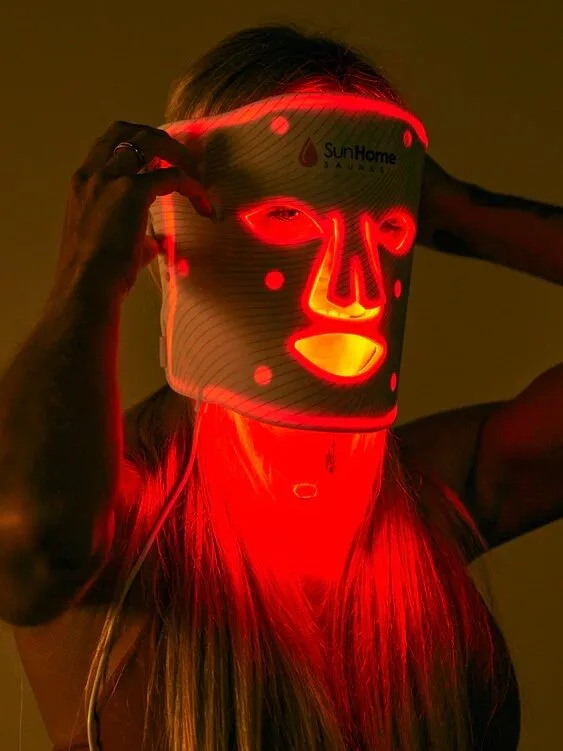
Once confined to dermatologists' offices, at-home red light therapy devices, ranging from handheld wands to full-face masks, have made this treatment widely accessible for acne management. (Source: thegoodtrade.com)
We still don’t know the best settings. How much light? How often? Which wavelengths work best for different acne types? These questions don’t have clear answers yet. We need more big, placebo-controlled studies to nail down the recommendations.
The road ahead: smarter light, clearer skin
New research looks at personalized phototherapy. Future devices might adapt light settings to individual skin types. They could also adjust for specific acne severities. This would get the best results for each user.
Scientists are also looking for the best combination therapies. They are studying how red light works with new topical agents. The goal is to create stronger, more effective treatments. They want to understand everything light-based therapies can do.
Frequently asked questions
Q1: Is red light therapy painful? No, red light therapy is generally painless. It produces a gentle warmth, if any sensation at all. The light does not burn or damage skin tissue.
Q2: How long does it take to see results for acne? Results vary by individual and acne severity. Many people begin to see noticeable improvements in inflammation and skin texture within 8-12 weeks of consistent use. Daily or every-other-day sessions are often recommended.
Q3: Can I use red light therapy with my other acne treatments? Yes, red light therapy often complements other acne treatments. Many dermatologists suggest combining it with topical retinoids, benzoyl peroxide, or oral medications. Always consult your dermatologist for personalized advice on combination therapies.
Q4: Are there any side effects? Red light therapy is considered safe for most people. Minor side effects are rare but can include temporary redness or irritation. Eye protection is important to prevent any potential discomfort from the bright light.
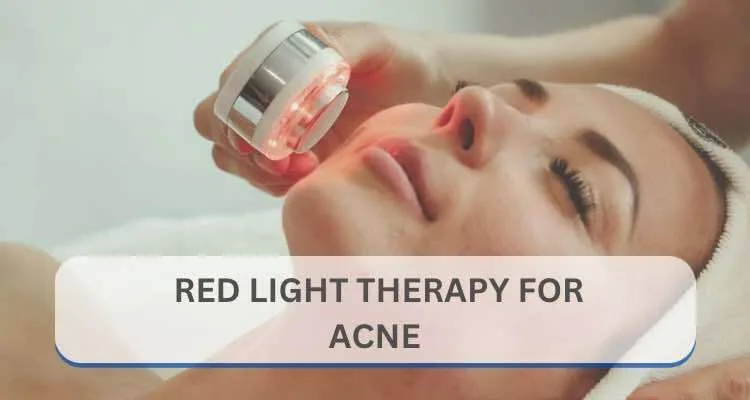
Dermatologists play a crucial role in guiding patients on the safe and effective integration of red light therapy with other acne treatments, offering personalized advice for optimal results. (Source: clinicadvisor.com)
You might also like:
👉 Significant Medical Breakthroughs: A Journey Through Medicine History
👉 Virtual Reality in Healthcare: Revolutionizing Medicine & Patient Care
👉 Virtual Reality for Burn Pain Management: Immersive Healing