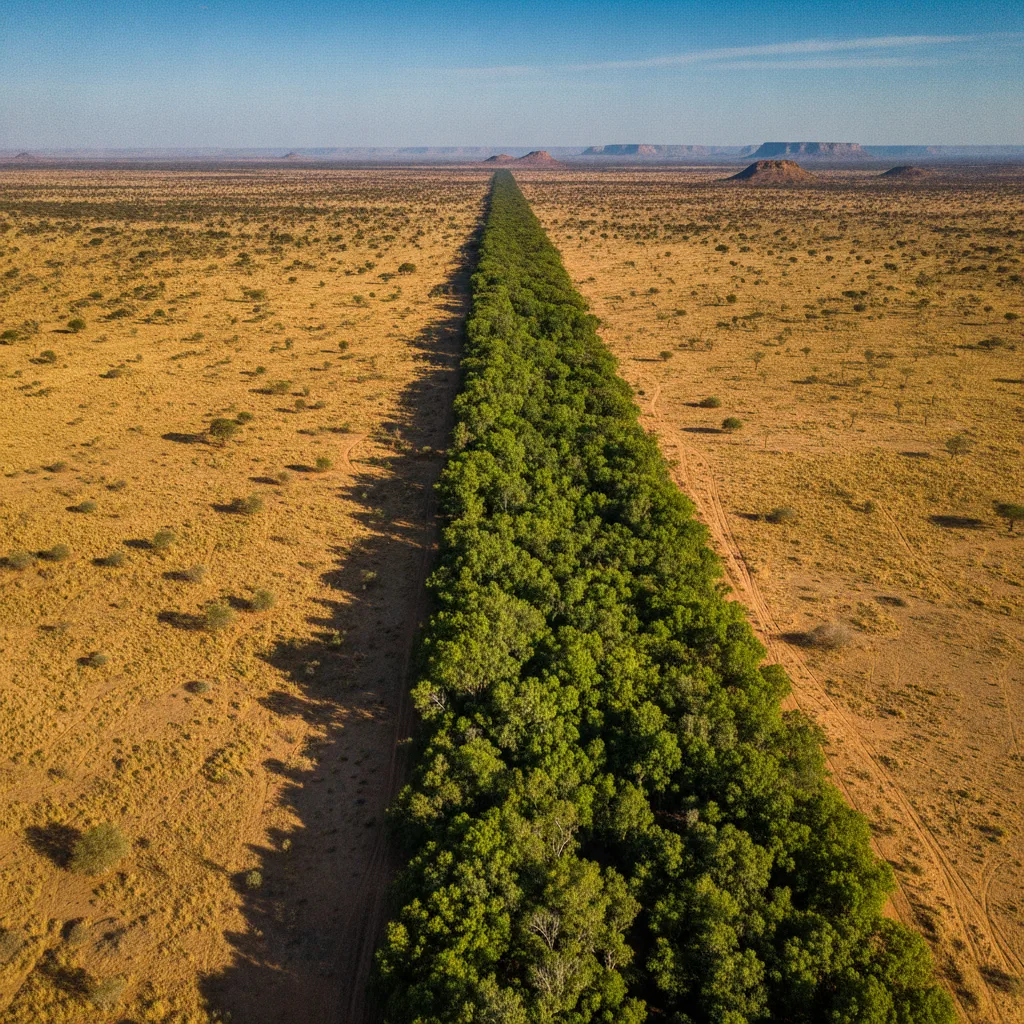
Senegal's 350,000 Hectares: Proof Ecological Recovery Works
Nature is fighting back! Africa's Great Green Wall has restored over 350,000 hectares in Senegal since 2007, proving ecological recovery is real.
Environmental collapse dominates headlines. But a quieter, more hopeful story is emerging: nature is fighting back. Across the globe, incredible projects prove that ecological recovery isn’t just a dream. It’s happening. Take Africa’s Great Green Wall. This ambitious initiative has restored over 350,000 hectares of land in Senegal alone since 2007. That’s a huge area. The project shows real ecological recovery, with evidence of increased biodiversity and better soil fertility. It offers a powerful blueprint for large-scale environmental solutions.
Reforestation and Rewilding
In Costa Rica, reforestation efforts have significantly expanded forest cover since the 1980s. The country’s forest area grew from 21% in 1987 to over 52% by 2010. This success is largely due to the Payment for Environmental Services (PES) program. The program compensates landowners for forest protection and planting. It has created new habitats.
Reforestation involves planting trees in degraded or deforested areas. It restores forest ecosystems. These new forests act as important carbon sinks. They absorb atmospheric carbon dioxide. They also provide habitat for diverse species. The Trillion Tree Campaign, led by the World Economic Forum, supports similar global efforts.
Rewilding takes a different approach. It focuses on restoring natural processes and wilderness. This often means reintroducing key species or removing human interventions. The Knepp Estate in West Sussex, England, shows this well. Over 3,500 acres have been allowed to rewild since 2002.
Researchers from the University of Sussex documented a dramatic increase in biodiversity at Knepp. Purple emperor butterflies, previously rare, are now doing well. Nightingales and turtle doves, both endangered, have also returned. The project shows nature can recover itself. It teaches us how ecosystems restore themselves.
The ecological benefits extend beyond biodiversity. Restored forests and wildlands improve water quality. They reduce soil erosion. A 2017 study in Nature Climate Change estimated global reforestation could capture 205 gigatons of carbon. This huge amount is roughly one-third of all human-caused carbon emissions. It’s a powerful reminder of nature’s role in climate solutions.
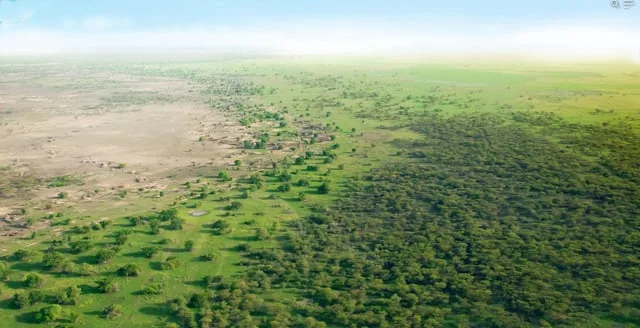
The ambitious Great Green Wall initiative aims to combat desertification across the Sahel region. In Senegal alone, this project has restored over 350,000 hectares of degraded land since 2007, demonstrating significant ecological recovery. (Source: reddit.com)
Wetlands and Coasts: Nature’s Buffers
The Florida Everglades Restoration Project is the largest ecosystem restoration in the United States. It began in 2000. This multi-decade effort aims to restore the flow of water across 1.5 million acres. The goal is to revitalize an important wetland. This wetland provides drinking water for millions.
Wetlands are essential for water purification and flood control. They filter pollutants from water. They also absorb excess water during storms. Mangrove forests and salt marshes are important coastal wetlands. They protect coastlines from erosion and storm surges. They are nurseries for marine life.
The Sundarbans, a vast mangrove forest shared by India and Bangladesh, offers more evidence. A 2014 World Bank report highlighted its great economic value. These mangroves protect millions of people from cyclones. They lessen wave energy, preventing significant damage. It’s a natural barrier saving lives and homes.
In the Chesapeake Bay, efforts to restore oyster reefs are working. The Chesapeake Bay Foundation reported a 50% increase in oyster populations in some sanctuaries by 2022. Oysters filter water, improving its clarity. Clearer water allows seagrasses to grow. Seagrasses provide important habitat.
The Intergovernmental Panel on Climate Change (IPCC) emphasizes coastal ecosystem restoration. Their 2019 Special Report on the Ocean and Cryosphere cites mangroves and salt marshes. These ecosystems can capture carbon up to four times faster than terrestrial forests. This makes them powerful climate solutions.
Regenerative Agriculture: Healing Soil
Gabe Brown’s farm in North Dakota has transformed over two decades. He switched from conventional farming to regenerative practices. These practices include no-till farming, cover cropping, and diverse rotations. His yields have increased, even during droughts. His soil health has dramatically improved.
Regenerative agriculture focuses on building healthy soil. It minimizes soil disturbance. It keeps the soil covered with vegetation. It also brings in livestock. These methods boost biodiversity above and below ground. They reduce the need for synthetic fertilizers and pesticides.
A 2018 study by the Rodale Institute found clear evidence. Regenerative organic farming systems build soil organic carbon. They do so at rates 28-32% higher than conventional systems. This increased carbon improves soil structure. It also boosts water retention.
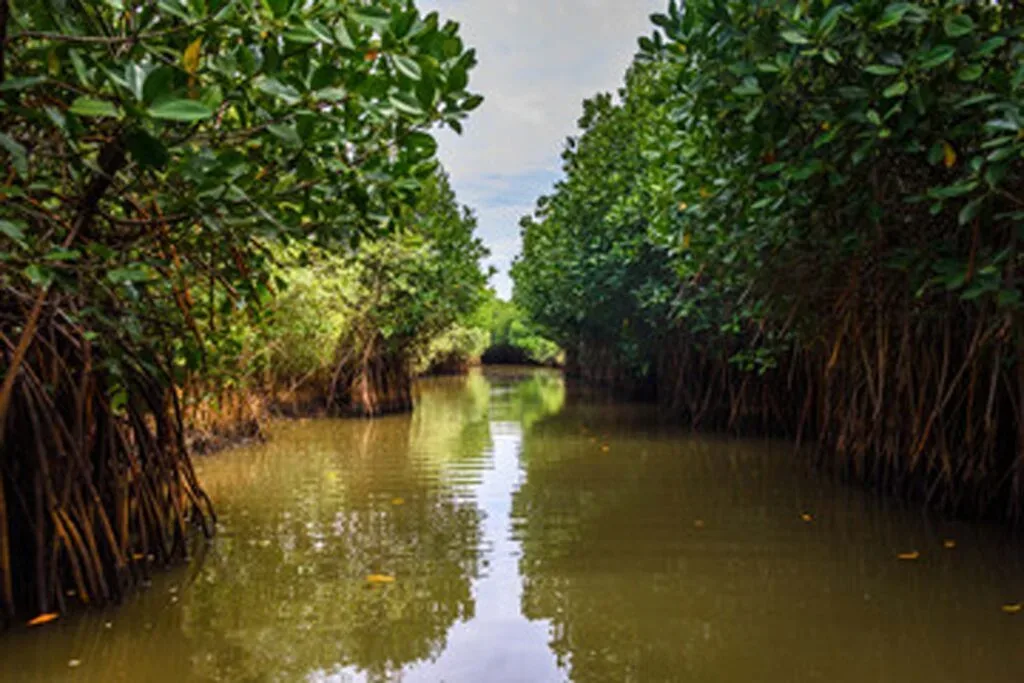
The Sundarbans, a vast mangrove forest shared by India and Bangladesh, protects millions from cyclones by lessening wave energy. This unique ecosystem is also recognized by the IPCC for its ability to capture carbon up to four times faster than terrestrial forests. (Source: sundarbanpackages.com)
Farmers using regenerative agriculture often report higher profits. This isn’t just a feel-good story; it makes economic sense. They spend less on external inputs like chemicals and irrigation. A 2020 report from the Soil Health Institute outlined these economic benefits. It surveyed over 100 farms across 10 states, finding many farmers saw net income increases.
The approach also benefits water quality. Less runoff of nutrients and pesticides means cleaner waterways. Researchers at Iowa State University confirmed this. They showed less nitrate leaching from fields using cover crops. This directly benefits downstream ecosystems.
Marine Protected Areas: The Ocean’s Comeback
The Raja Ampat archipelago in Indonesia established a network of Marine Protected Areas (MPAs) in 2007. These zones restrict fishing and other human activities. Local communities manage these areas. This ensures their long-term effectiveness.
MPAs are ocean areas with specific conservation goals. They protect marine biodiversity. They allow fish populations to recover. This spillover effect benefits surrounding fishing grounds. They also make ecosystems stronger.
A 2021 study in Nature showed MPAs work. It analyzed data from 87 MPAs globally. Fish biomass was 2.5 times greater inside fully protected reserves. This shows real ecological recovery. The study also noted increased species diversity.
The Papahānaumokuākea Marine National Monument in Hawaii is another success story. Designated in 2006, it covers 1.5 million square kilometers. Researchers from the National Oceanic and Atmospheric Administration (NOAA) monitor its progress. They found more apex predators, including sharks and tuna.
MPAs also protect important habitats like coral reefs. Reefs face constant threats from climate change and pollution. Protected areas give them a better chance to recover. The Great Barrier Reef Marine Park Authority actively monitors reef health within its protected zones. Certain areas show more ability to recover from bleaching events. This offers hope for these fragile underwater cities.
Scaling Solutions: The Path Forward
The United Nations Decade on Ecosystem Restoration (2021-2030) shows a global commitment. It aims to prevent, halt, and reverse ecosystem degradation worldwide. This initiative coordinates efforts across many landscapes and seascapes. It encourages nations to work together.
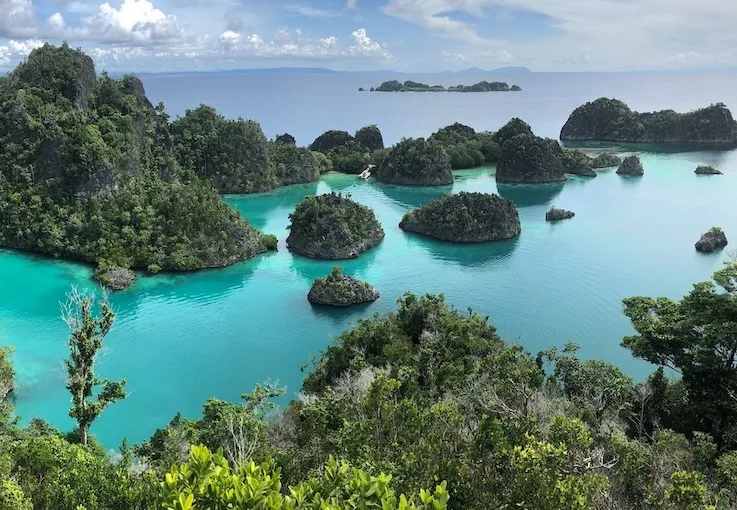
The Raja Ampat archipelago in Indonesia is a global hotspot for marine biodiversity and established a network of Marine Protected Areas in 2007. These protected zones have led to significant ecological recovery, allowing fish populations and coral reefs to thrive. (Source: theseapeople.org)
Scaling these proven solutions requires big investment. The World Bank estimates restoring 350 million hectares of degraded land could generate $9 trillion in ecosystem services. It could also remove 13-26 gigatons of greenhouse gases. Public and private funding is essential.
Effective solutions combine scientific knowledge with local wisdom. Indigenous communities often hold valuable ecological understanding. Projects like the Peruvian Amazon’s territorial management plans show this. Local communities lead conservation efforts.
Policy frameworks matter too. Governments can encourage sustainable practices. They can discourage destructive ones. Carbon markets, for example, can fund reforestation projects. They offer financial incentives for carbon capture.
We need continued monitoring and flexible management for success. Environmental conditions change constantly, so our solutions must evolve. Researchers from the Potsdam Institute for Climate Impact Research emphasize this flexibility. They push for flexible plans, understanding that nature doesn’t stand still. This ensures long-term ecological benefits.
FAQ
What are ecological solutions? Ecological solutions are strategies to restore, protect, or improve natural ecosystems. They aim to reverse environmental damage and make the planet healthier. These solutions often mimic natural processes.
How do we measure their success? We measure success through various scientific indicators. These include more biodiversity, better water quality, increased soil organic carbon, and documented carbon capture rates. Satellite imagery and long-term field studies provide key data.
Are these solutions expensive? Initial investments can be big, but long-term benefits often outweigh the costs. Restored ecosystems provide valuable services: clean water, flood protection, and climate regulation. These services save money compared to engineered alternatives.
Can individual actions make a difference? Yes, individual actions contribute to larger ecological solutions. Supporting sustainable businesses, reducing consumption, and joining local restoration projects all help. Collective small actions create big positive impact.
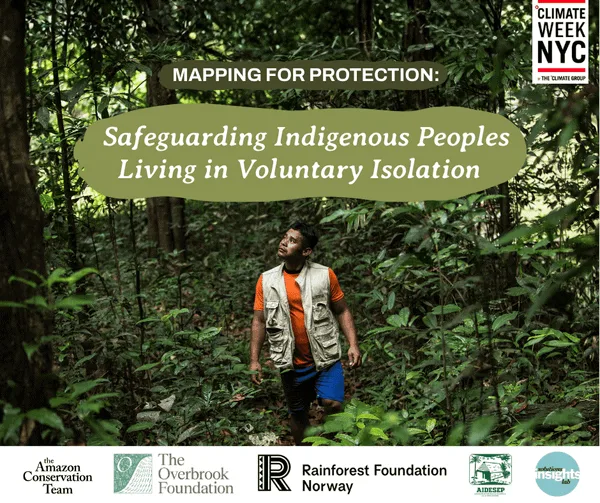
Territorial management plans in the Peruvian Amazon empower indigenous communities to protect their ancestral lands and vital ecosystems, integrating traditional knowledge with modern conservation strategies to combat deforestation and biodiversity loss. (Source: amazonteam.org)
You might also like:
👉 1 Billion Urban Poor: How Cities Fight Climate Shocks
👉 Venus: Why 475°C Hell Holds Earth’s Climate Future
👉 Why 1/3 of Food Waste Won’t Feed 735 Million Hungry People